Top 5 Shopify & Shopify Plus Enterprise OMS in 2026
Have you ever noticed that once your Shopify store crosses a certain revenue mark, orders stop feeling simple? Suddenly, you are managing multiple warehouses, B2B pricing, retail locations, marketplaces, returns, split shipments, and finance teams asking for clean data. That is exactly where a true enterprise OMS becomes essential.
In 2026, Shopify and Shopify Plus brands are not just looking for order tracking. They need centralized control, automated routing, real-time inventory accuracy, and systems that talk seamlessly with ERP, WMS, POS, and accounting tools. The right platform helps in processing orders, removes operational friction, and gives you clarity across your entire business.
Below, we break down five serious enterprise contenders: OrderEase, Brightpearl, HotWax Commerce, Odoo, and Linnworks. Each solves order management differently. The key is choosing the one that matches how your business actually operates.
Top Shopify & Shopify Plus Enterprise OMS in 2026
1. OrderEase – Enterprise-Grade Shopify OMS
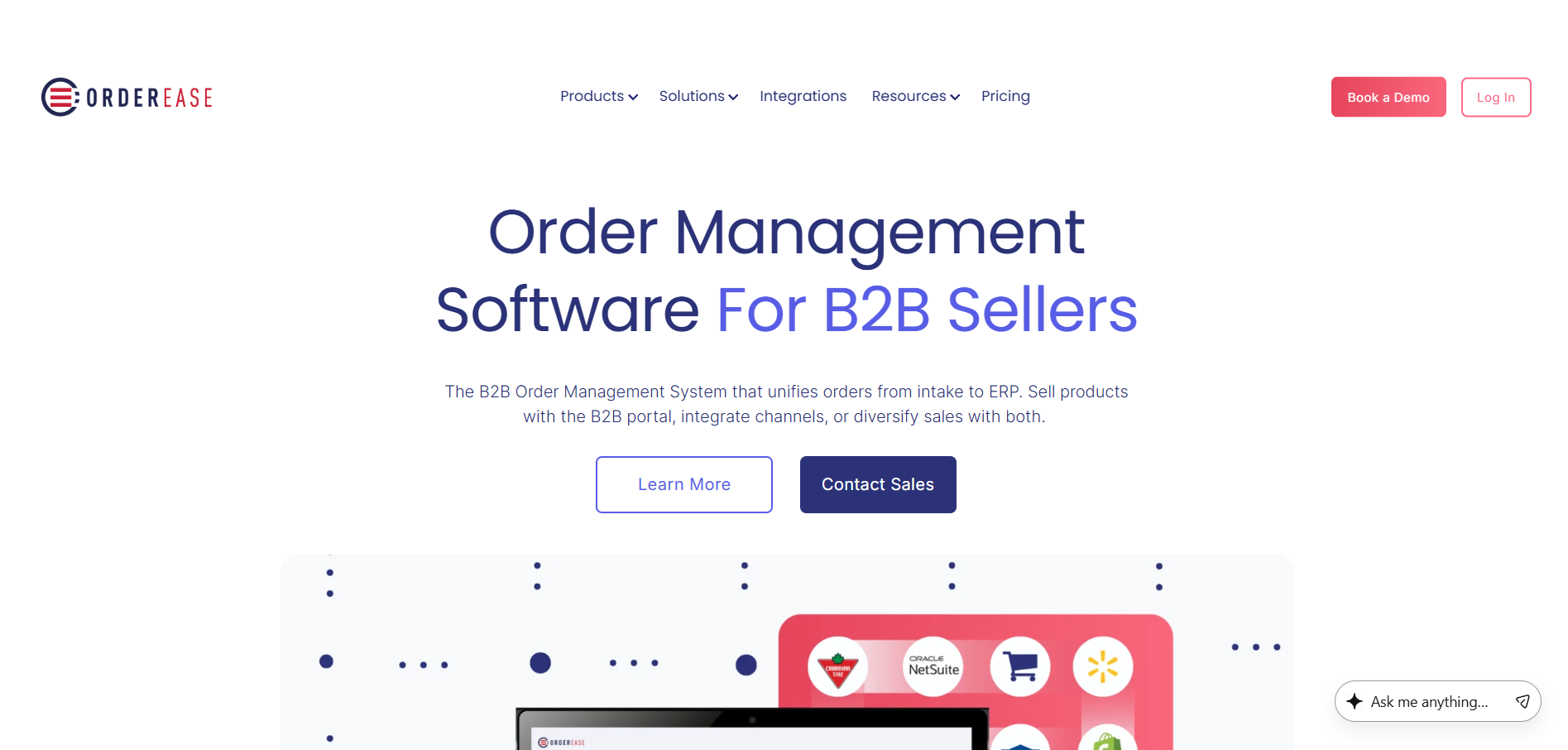 OrderEase is a powerful enterprise order management platform built for Shopify and Shopify Plus brands selling across channels, B2B, and B2C. It centralizes orders from e-commerce, marketplaces, EDI, and sales reps into one hub, automates fulfillment workflows, and syncs deeply into ERP systems for real-time operational control.
Key Features:
-
Centralized orders & inventory from Shopify + marketplaces
-
Automated fulfillment routing & workflow orchestration
-
ERP & logistics system integrations
-
Real-time tracking/updates
-
Unified dashboard for B2B + D2C operations
Pricing:
Starts at around $17 per day (≈ $510/month) depending on integrations and order volume; custom for enterprise.
2. Brightpearl – Retail Operating System with OMS
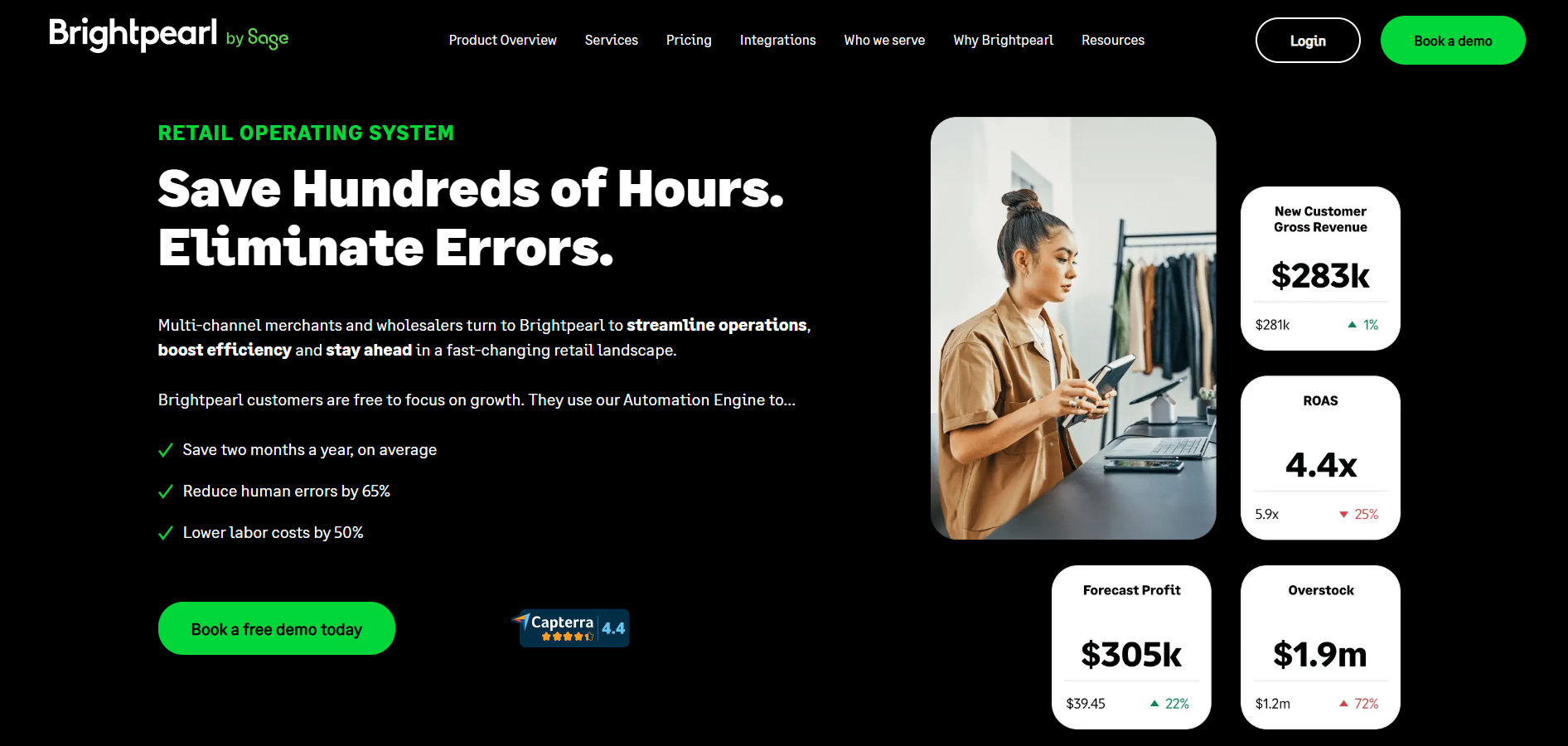 Brightpearl is a cloud-based retail operating system blending OMS, inventory, accounting, and fulfillment for multichannel brands. It automates order workflows, syncs inventory across online/offline channels, and gives deeper business insights with built-in analytics and forecasting, ideal for larger Shopify Plus merchants needing a full operational backbone.
Key Features:
-
End-to-end order automation
-
Real-time multichannel inventory sync
-
Plug-and-play integrations (Shopify, marketplaces)
-
Fulfillment rules & dropship support
-
Analytics & performance insights
Pricing:
Enterprise custom pricing via quote, tailored to business size and modules.
3. HotWax Commerce – Omnichannel Shopify OMS
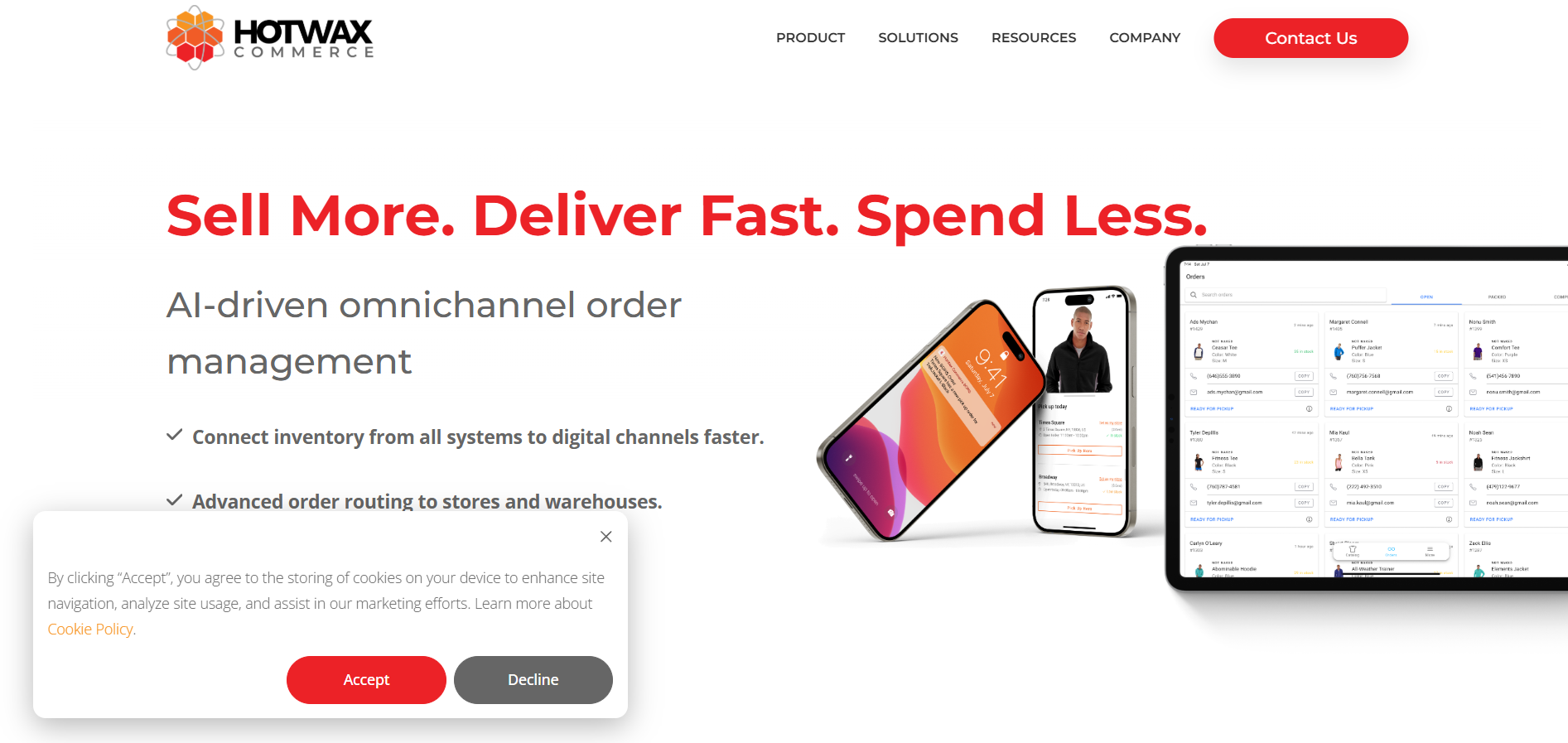 HotWax Commerce OMS helps enterprise Shopify sellers unlock omnichannel fulfillment like BOPIS, ship-from-store, pre-orders, and unified inventory views. Designed for high-volume merchants, it routes orders dynamically to ideal locations and synchronizes inventory across stores and warehouses, improving fulfillment speed and conversion.
Key Features:
Pricing:
Free to install; annual subscription required (charges billed in USD).
4. Odoo Management – ERP + Order Capabilities
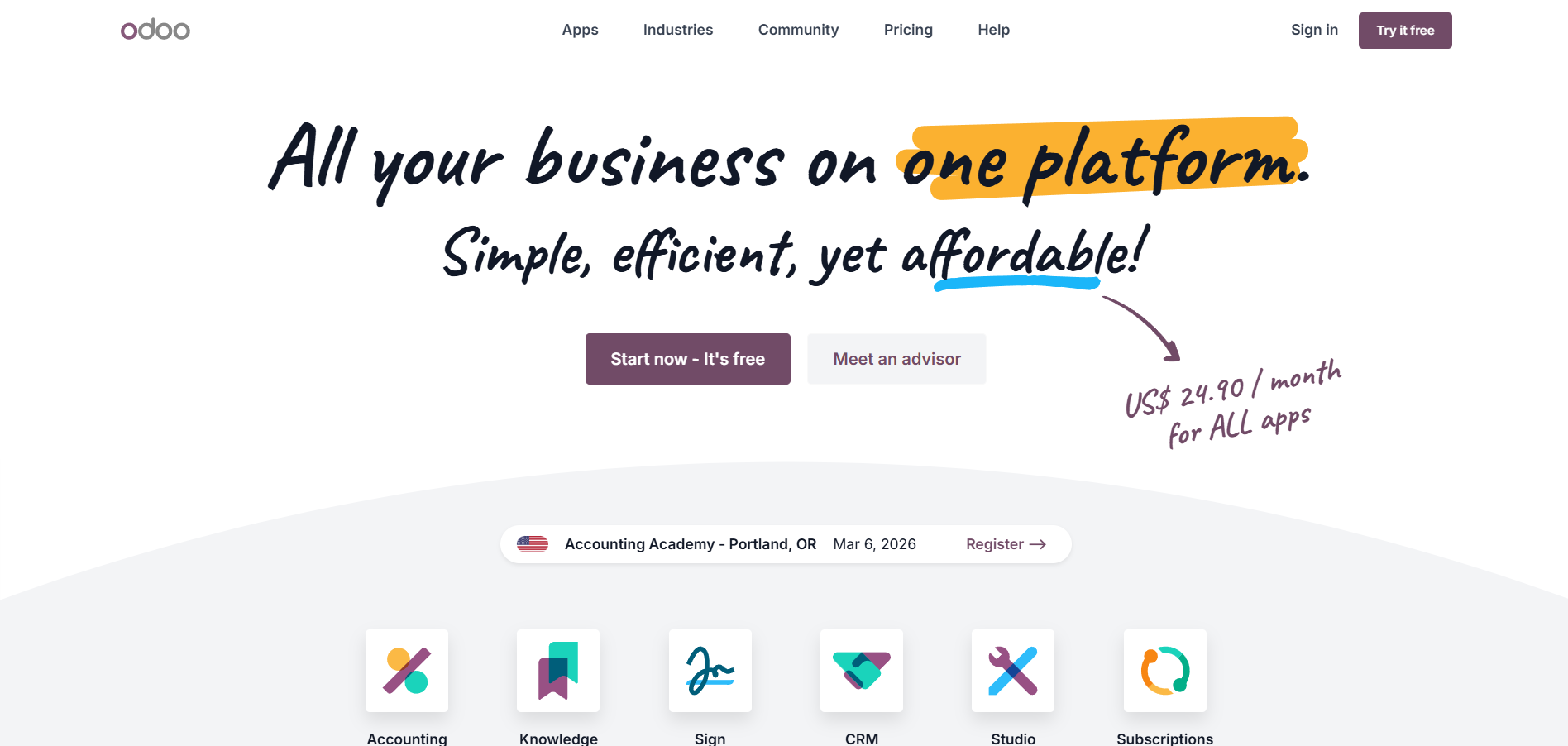 Odoo isn’t a standalone OMS but a modular ERP suite that manages sales orders, inventory, warehouse, and fulfillment when connected with Shopify via integration modules. It offers customizable workflows and centralizes operational data, making it a flexible choice for enterprises that want broader business automation beyond just order management.
Key Features:
-
Integrated order processing through sales & inventory apps
-
Shopify sync via connectors
-
Warehouse & stock control
-
Automated fulfillment flows
-
Reporting & analytics capabilities
Pricing:
Varies widely; Community edition is free, Enterprise/pay for modules and connectors; costs depend on users and apps.
5. Linnworks – Multi-Channel OMS & Inventory Platform
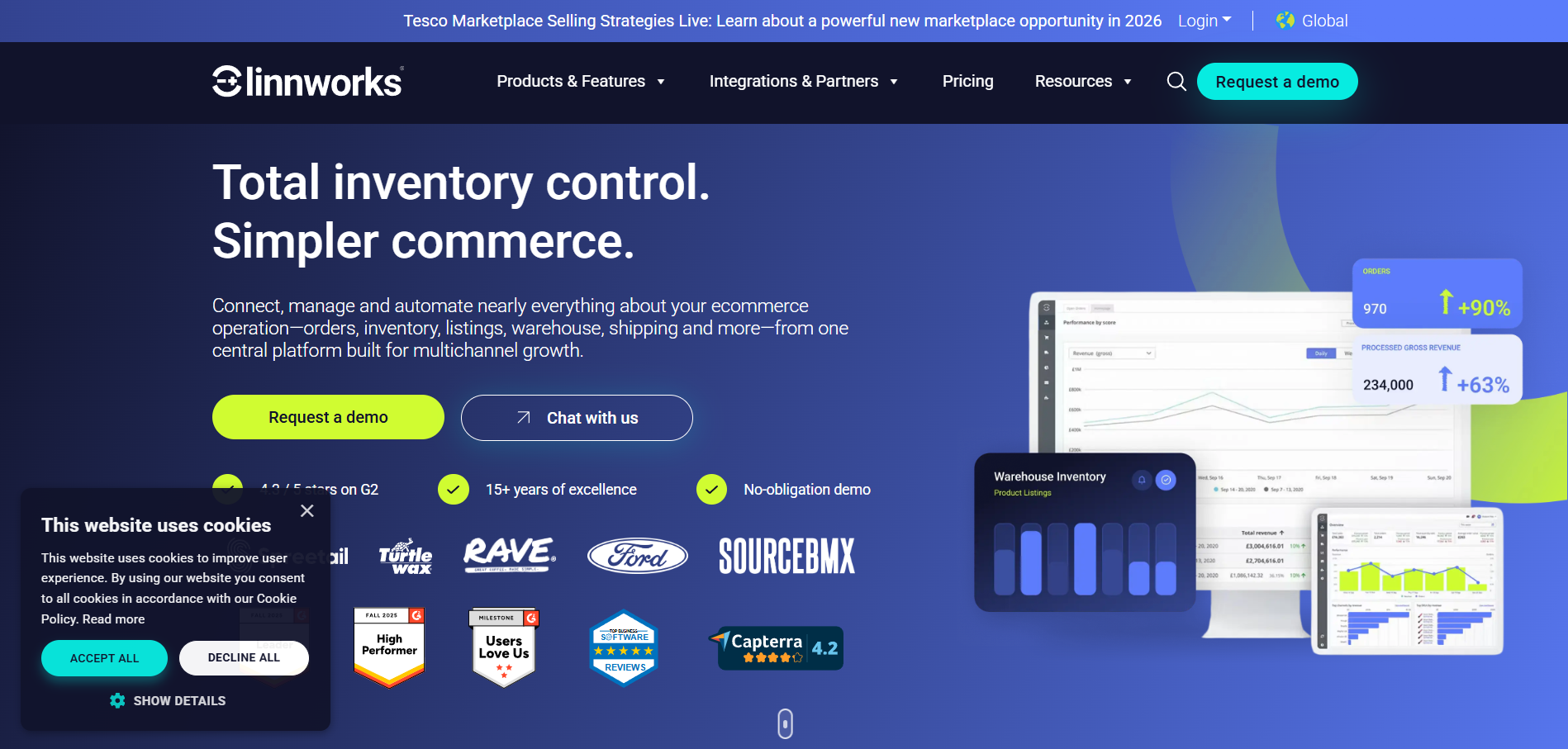 Linnworks is a scalable e-commerce operations platform that automates order management, inventory sync, shipping, and listings across Shopify and 100+ channels. Its automation rules engine streamlines fulfillment workflows, routes orders intelligently, and keeps stock levels in sync, ideal for enterprise sellers balancing marketplaces with Shopify.
Key Features:
-
Centralized order dashboard
-
Automated workflow & order routing
-
Multi-channel inventory sync
-
Shipping integrations with carriers
-
Reporting & analytics
Pricing:
Custom pricing based on monthly orders and add-ons; quote required.
Quick Comparison of the Best Shopify and Shopify Plus Enterprise OMS in 2026
|
Platform
|
Best For
|
Pricing Model
|
Shopify Integration
|
|
OrderEase
|
B2B + enterprise multichannel
|
Usage-based, starts ~$510/mo
|
Deep, native
|
|
Brightpearl
|
Retail + commerce platform
|
Custom enterprise
|
Plug-and-play
|
|
HotWax Commerce
|
Omnichannel fulfillment
|
Free + annual fee
|
Strong app-based
|
|
Odoo
|
ERP + OMS workflows
|
Modular pricing
|
Via third-party connectors
|
|
Linnworks
|
Multi-marketplace + Shopify
|
Custom
|
Multi-channel focus
|
Pro Tips to Choose the Best One From This List
-
If your focus is pure Shopify + complex order workflows, OrderEase and HotWax Commerce are both tailored to high-volume OMS needs while keeping Shopify front-end workflows smooth.
-
Brightpearl gives you a broader operational system (inventory, accounting, POS), great if you want a single system of record rather than standalone OMS.
-
Linnworks excels when you sell on Shopify and many marketplaces.
-
Odoo is best if you want ERP + order processes together but expect extra setup for Shopify integration.
Final Thoughts
Well, there is no single “best” Shopify and Shopify Plus Enterprise OMS. There is only one that fits your operational complexity.
If you run both B2B and D2C and need tight ERP integration, OrderEase offers structured control. If you want a broader retail operating backbone with accounting built in, Brightpearl brings everything into one environment. For omnichannel fulfillment like BOPIS and ship from store, HotWax Commerce gives Shopify powerful retail flexibility.
If you prefer modular ERP control, Odoo lets you build a connected system around your workflows. And if you sell heavily across marketplaces, Linnworks keeps everything synchronized without chaos.
The real decision comes down to how you fulfill, where you sell, and how automated you want your backend to be. Choose the system that simplifies your growth, not just the one with the longest feature list.

