

Words that inspire, ideas that spark,
stories that stay
10 Best Sanity CMS eCommerce Websites (2026)
V. Srinidhi Reddy
Tuesday, April 21st, 20267 min read
Table of content
10 Best Sanity CMS eCommerce Websites (2026)
Sanity CMS has become a go-to choice for brands that want flexibility, performance, and full control over their storefront experience.
Instead of relying on rigid templates, these brands use Sanity to build highly customized, content-driven eCommerce websites that feel fast, modern, and unique. Here are some of the best Sanity CMS eCommerce websites for inspiration in 2026.
TL;DR
Sanity CMS powers fast, flexible, and scalable eCommerce websites Nike focuses on storytelling-driven commerce experiences Skims uses minimal and conversion-focused design Sonos combines educational content with eCommerce PUMA built one global content home across markets on Sanity and Next.js Tecovas launches products much faster after replatforming on Sanity and Shopify Hydrogen Sanity works exceptionally well with Next.js and modern composable commerce stacks Ideal for brands prioritizing performance, flexibility, SEO, and scalability
Quick Comparison Table
| Brand | Core Focus | Best For | Strength |
|---|---|---|---|
| Nike | Storytelling + Commerce | Large-scale brands | Immersive experience |
| Skims | Minimal UI | Conversion-focused stores | Clean UX |
| Sonos | Educational Content | Complex products | Informative UX |
| Figma Store | Design-first UI | Small catalogs | Branding consistency |
| Aether Apparel | Lifestyle storytelling | Premium brands | Visual appeal |
| PUMA | Global multi-market content | Enterprise retail | Scalable architecture |
| Tecovas | Composable commerce | DTC retail | Fast launches |
| Nordstrom | Scheduled launches | Large catalogs | Operational control |
| Mejuri | Global localization | Multi-market DTC | Flexible content engine |
| Nour Hammour | Luxury storytelling | Premium fashion | Conversion lift |
Nike
Nike
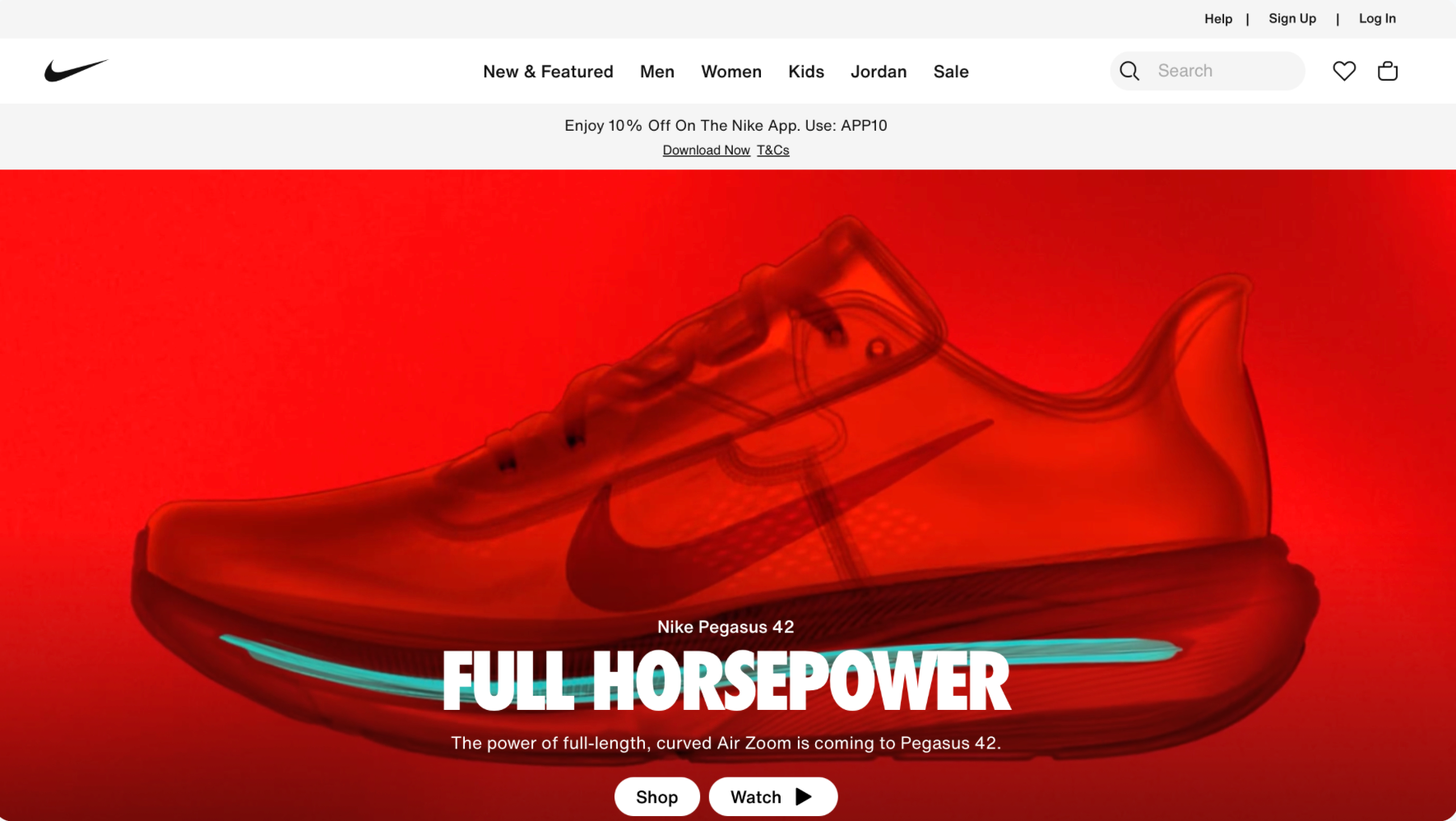
Nike’s website blends storytelling with commerce in a way that feels seamless. The focus is not just on products, but on experiences, launches, and brand narratives.
Key features
Content-driven product storytelling
High-performance product pages
Personalized navigation experience
Reviews
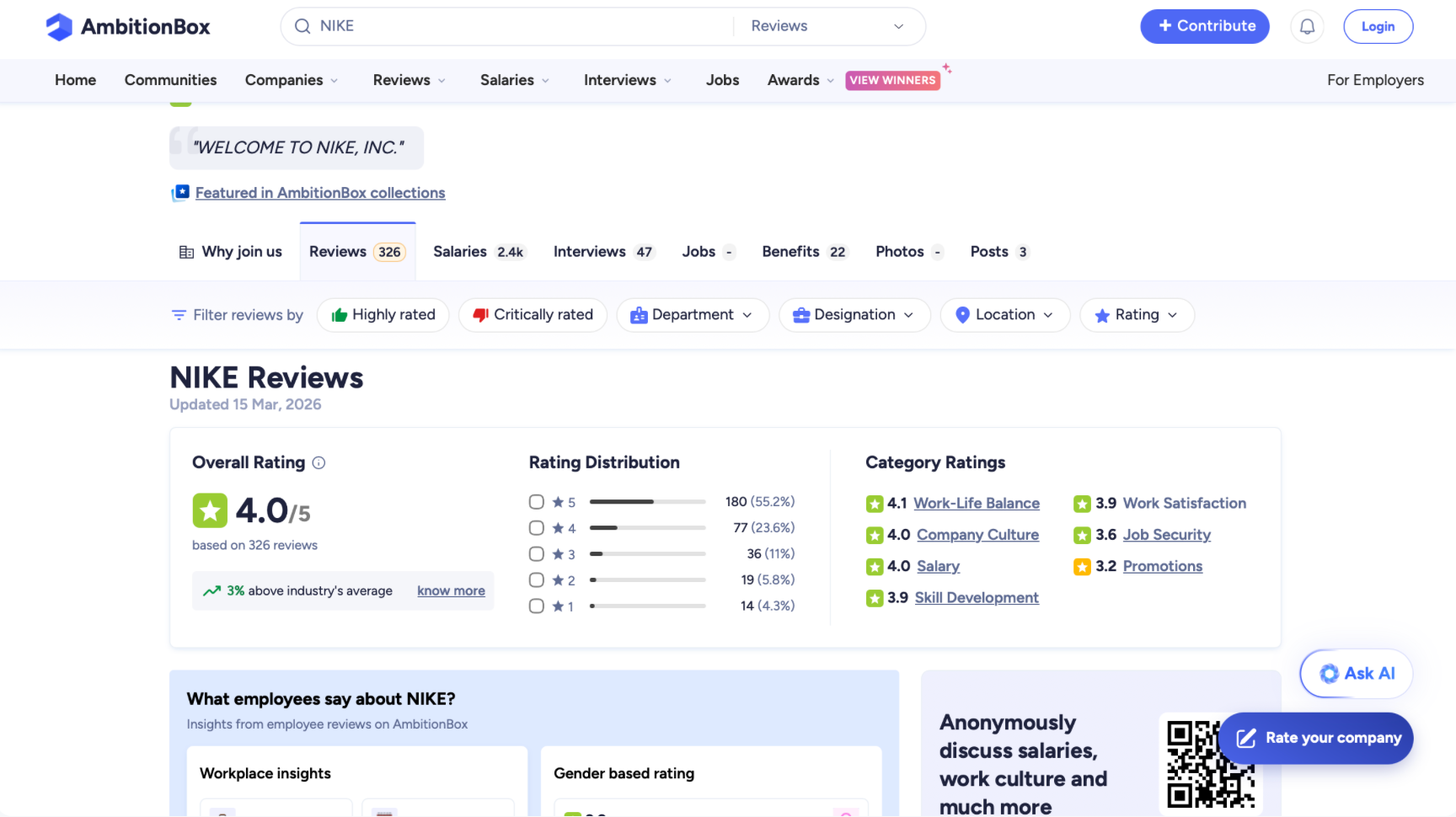
Pros
Strong brand storytelling
Smooth and fast user experience
Excellent mobile optimization
Cons
Complex structure behind the scenes
Requires strong backend systems
Summary
Nike is one of the best examples of how Sanity can power large-scale, content-first eCommerce experiences.
Skims
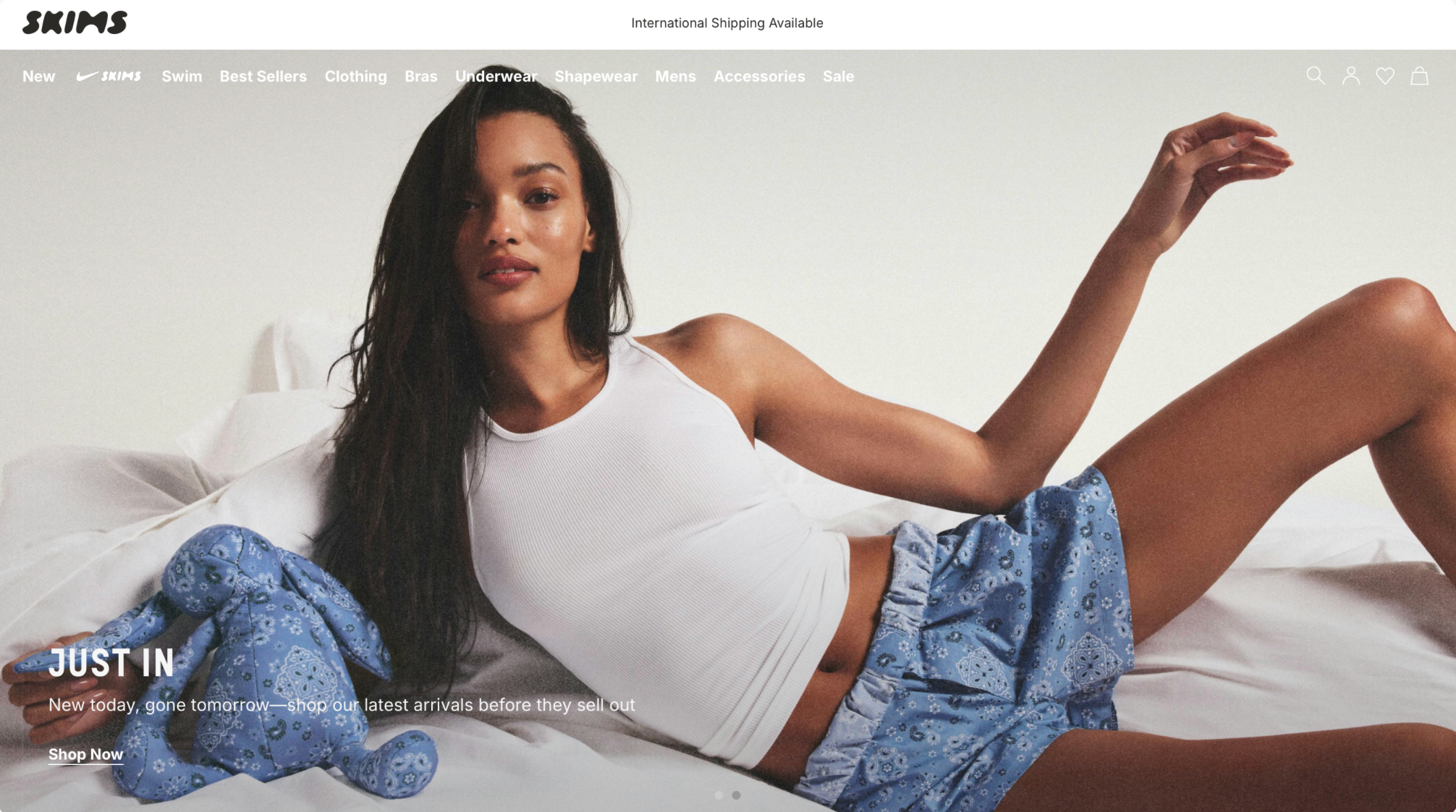
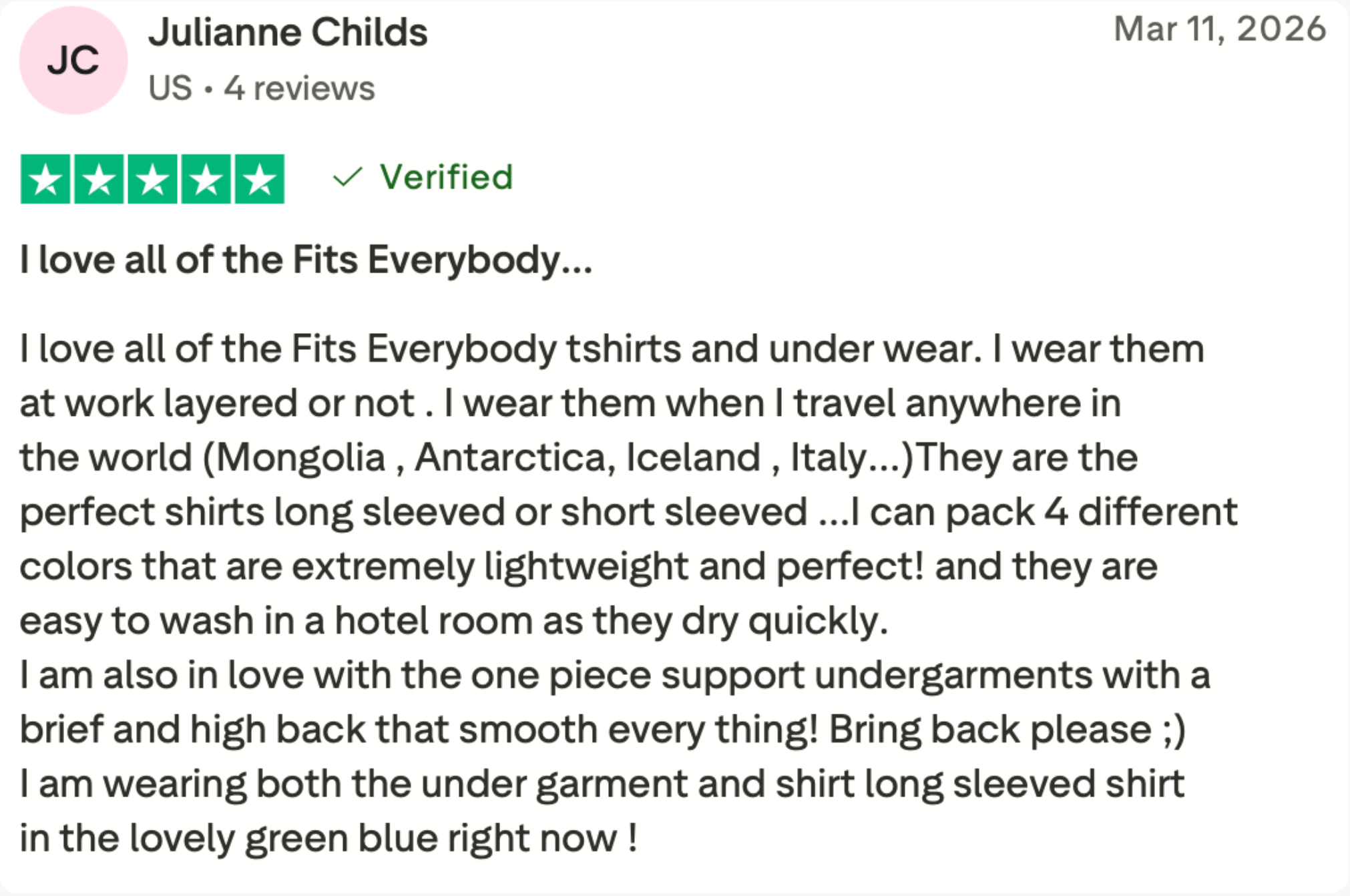
Skims focuses on simplicity and product clarity, making the buying journey clean and distraction-free.
Key features
Minimal and clean UI
Mobile-first experience
Fast product discovery
Reviews
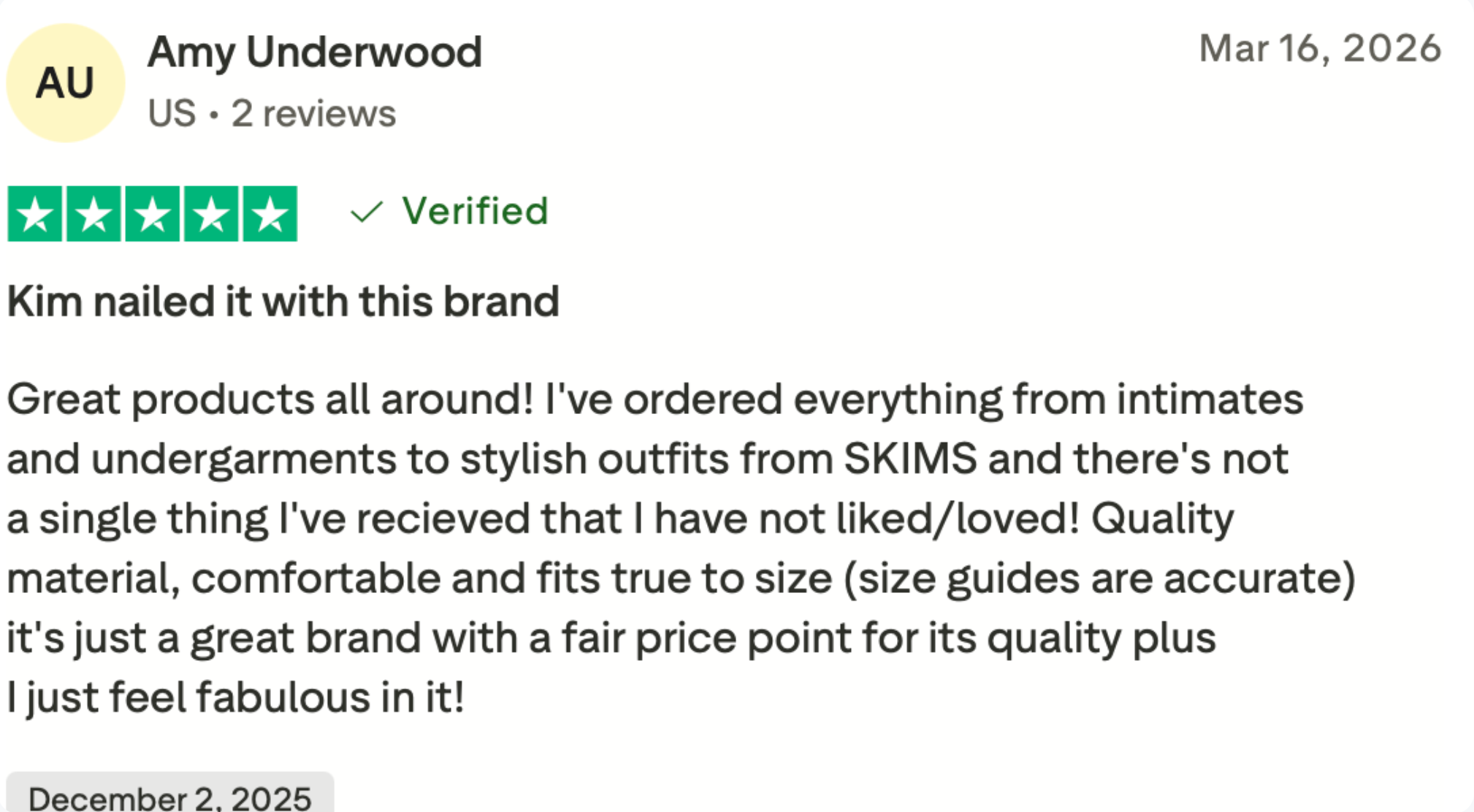
Pros
Very easy to navigate
Strong product focus
High conversion-friendly design
Cons
Limited storytelling elements
Less content depth
Summary
Skims shows how a simple, minimal approach can still create a high-performing eCommerce experience.
Sonos
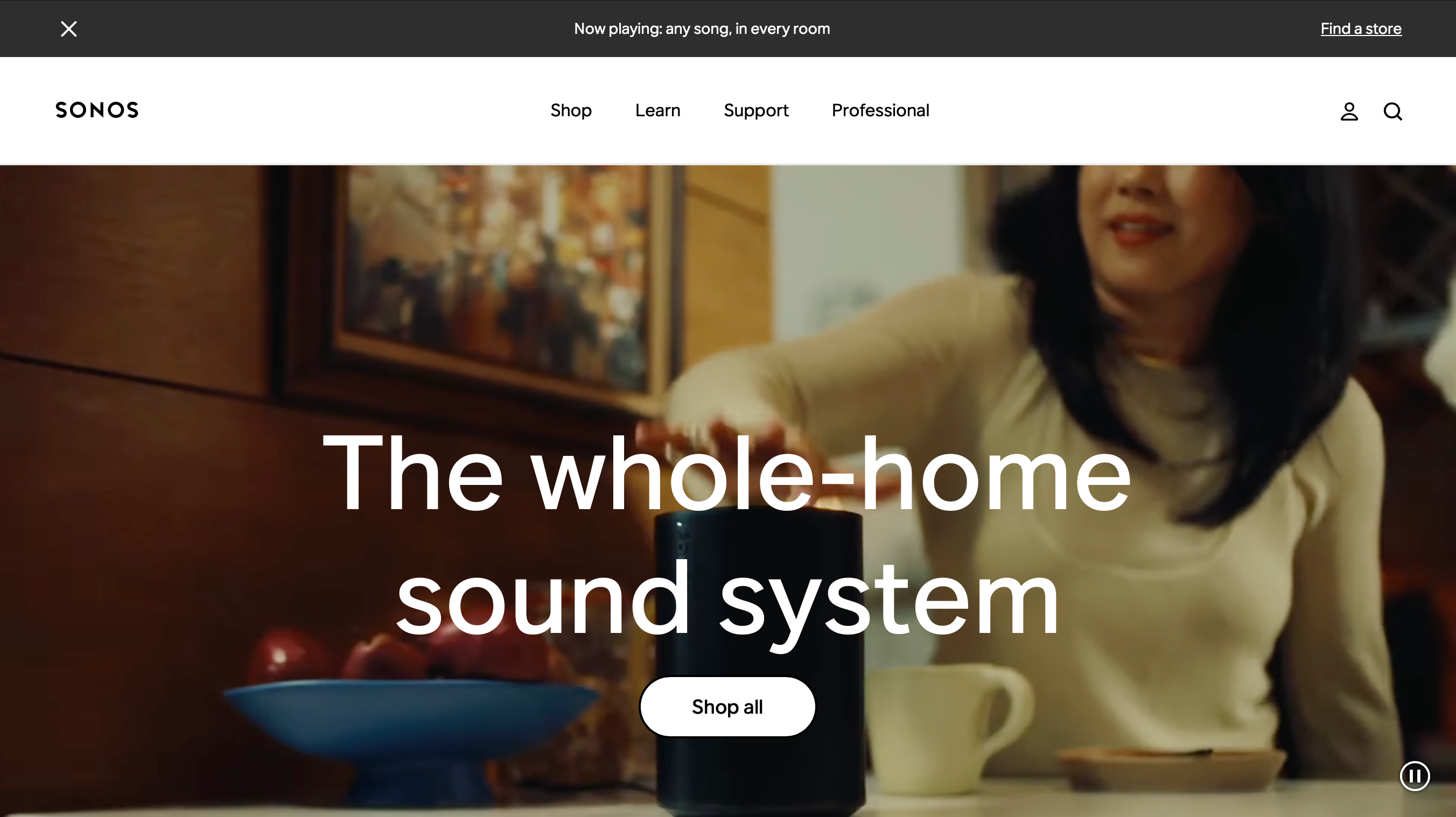
Sonos uses content to educate users before they purchase, making complex products easier to understand.
Key features
Educational product pages
Structured navigation
Integrated content + commerce
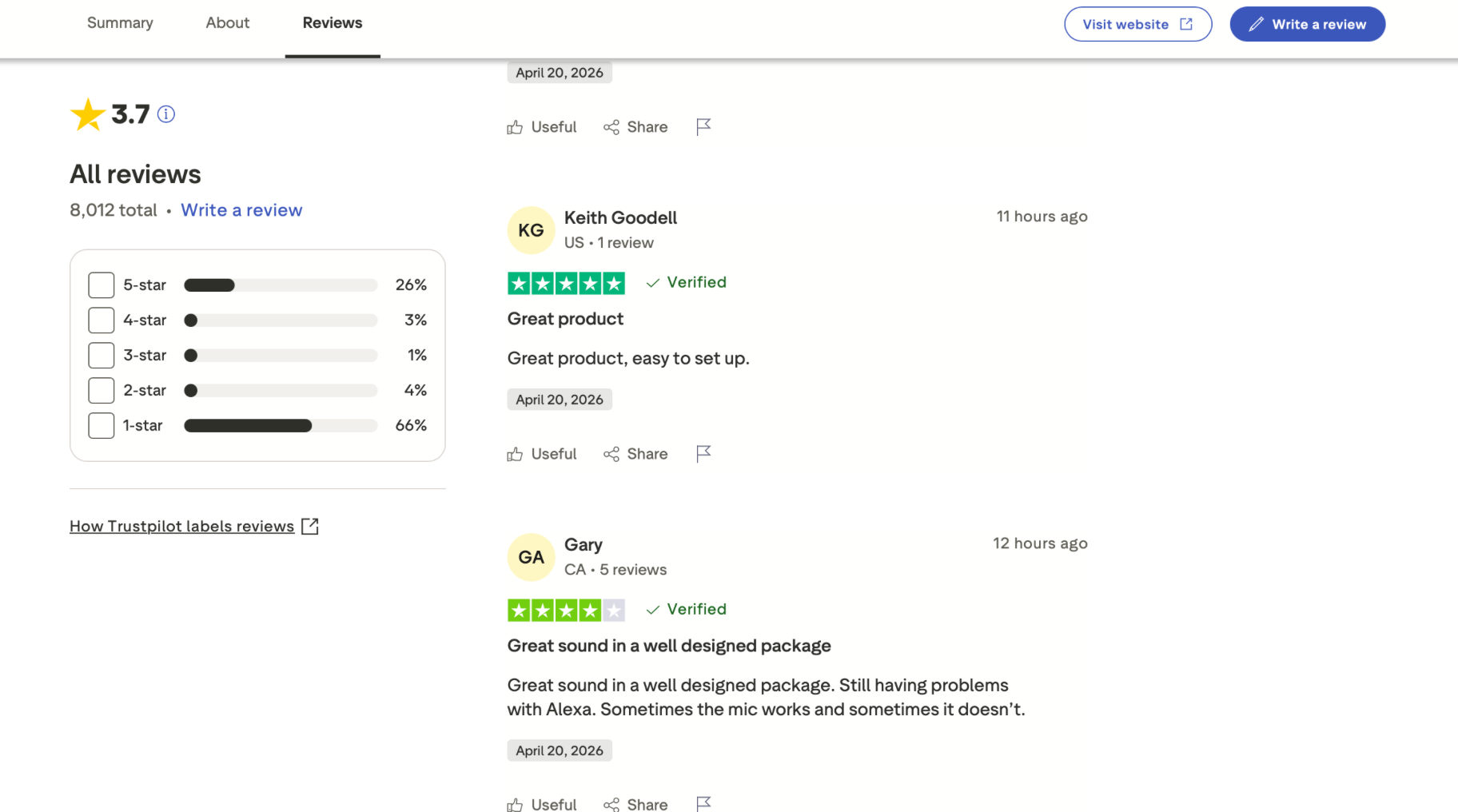
Reviews
Pros
Great for complex products
Clear information hierarchy
Strong user guidance
Cons
Longer buying journey
Heavier content structure
Summary
Sonos demonstrates how Sanity can support content-rich eCommerce experiences effectively.
Figma Store
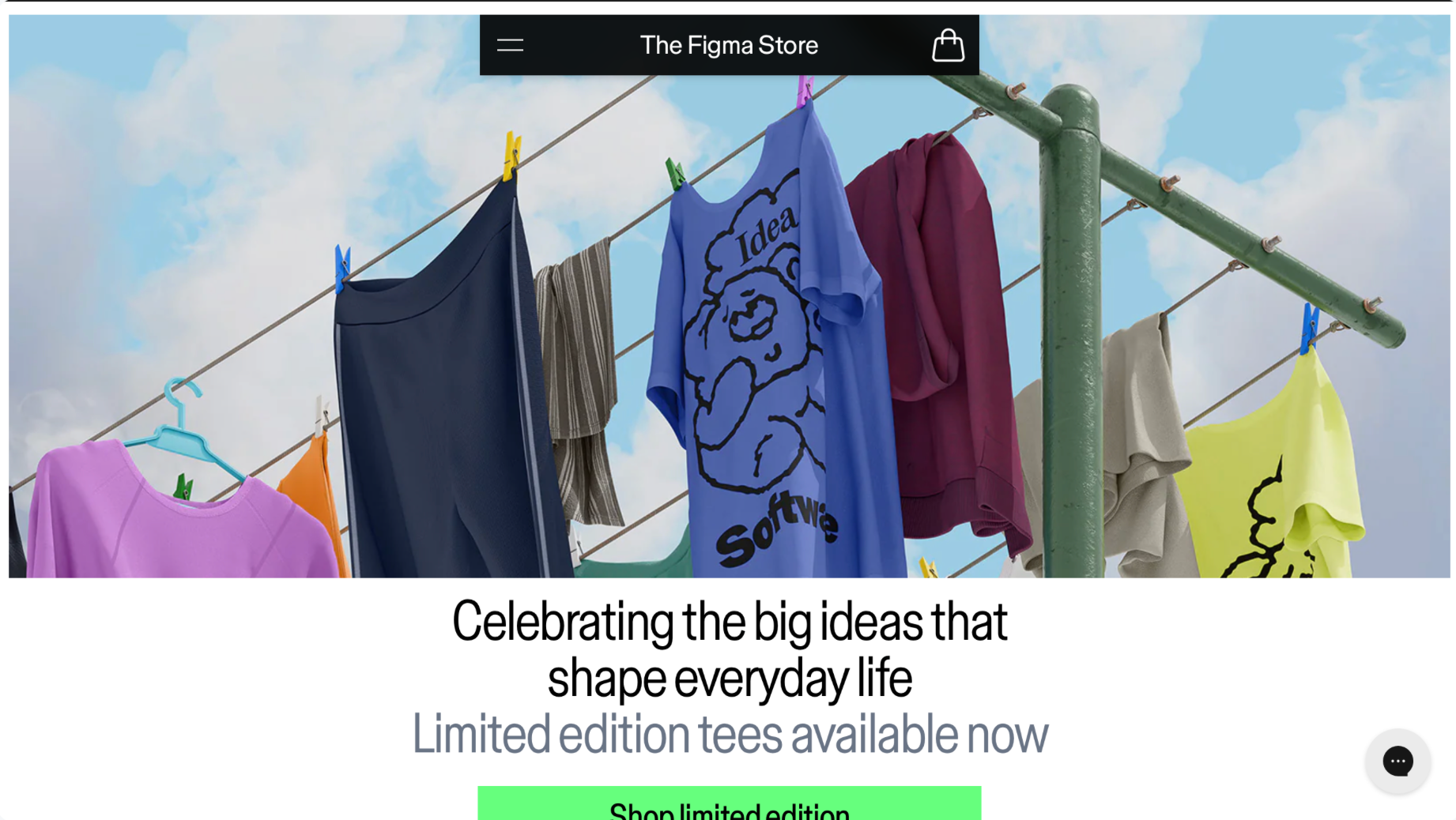
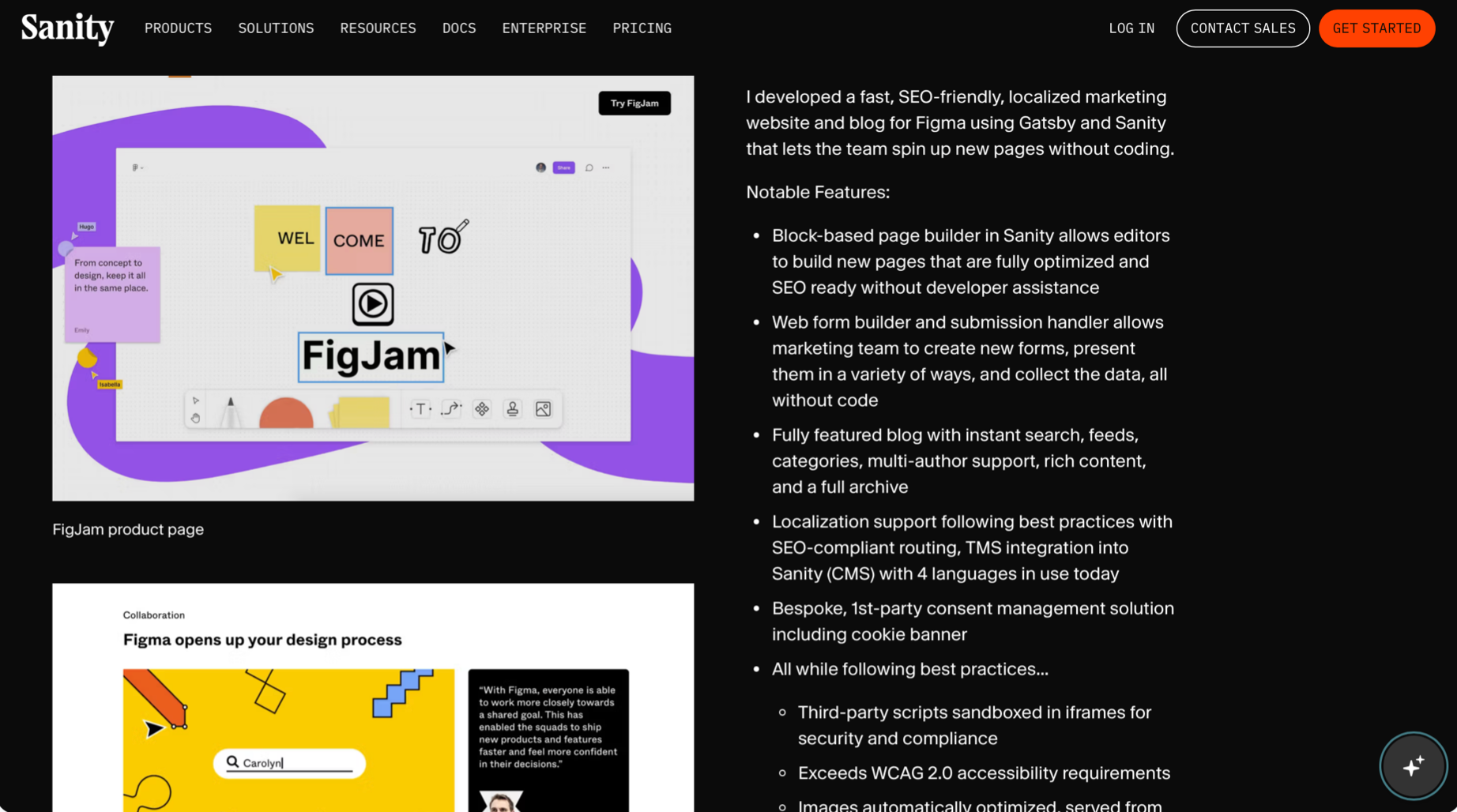
The Figma Store reflects a clean and design-first approach, aligning perfectly with the brand.
Key features
Clean and modern UI
Strong brand consistency
Simple product pages
Reviews
Pros
Visually appealing design
Easy navigation
Fast loading experience
Cons
Limited advanced features
Small product catalog
Summary
Figma Store highlights how branding and simplicity can define a great eCommerce experience.
Aether Apparel
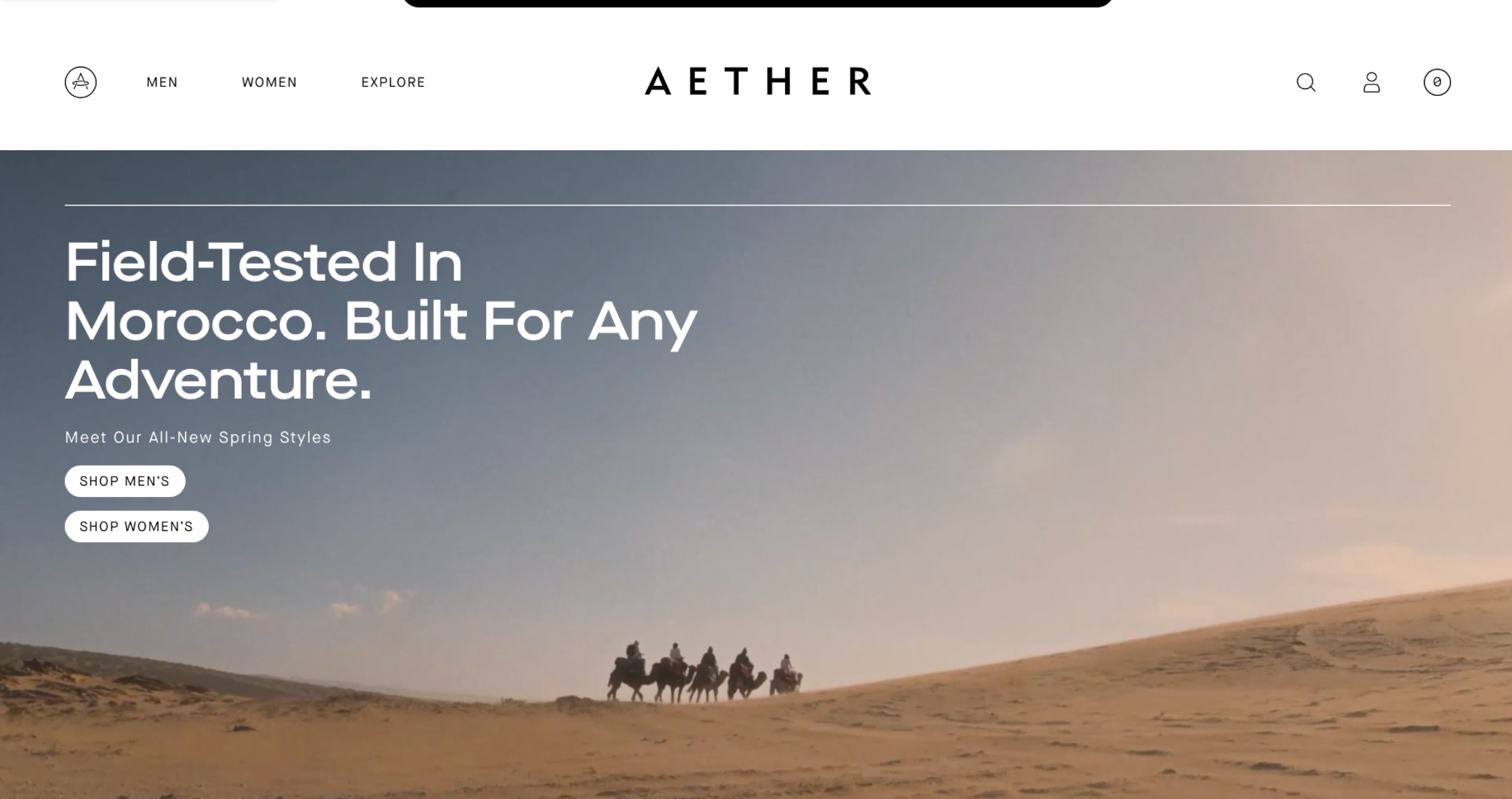
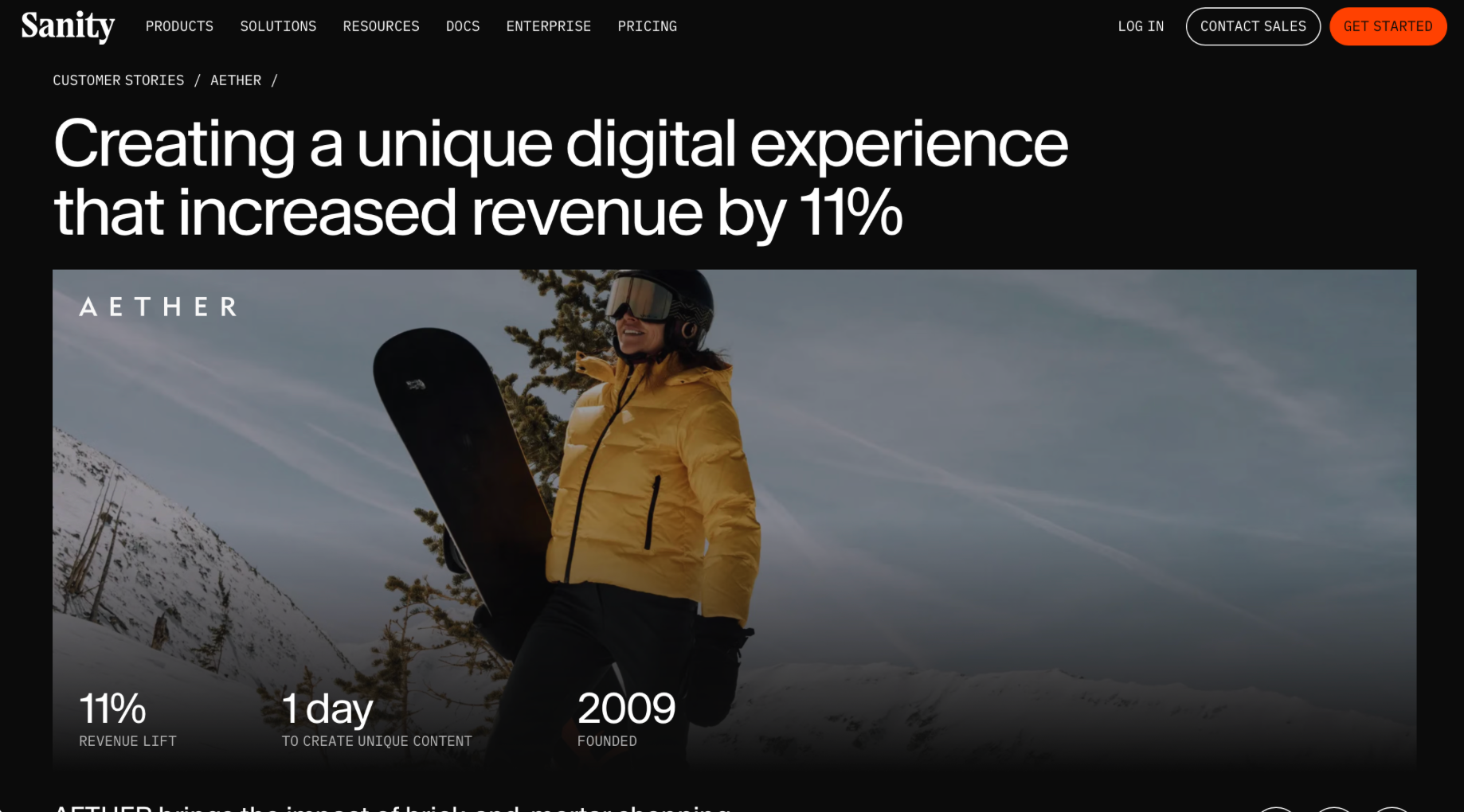
Aether combines storytelling and lifestyle visuals with product discovery.
Key features
Lifestyle-driven content
High-quality visuals
Smooth navigation
Reviews
Pros
Strong visual storytelling
Premium feel
Engaging browsing experience
Cons
Heavy media can slow loading
Less focus on quick conversions
Summary
Aether shows how Sanity can create immersive, premium brand experiences.
Puma
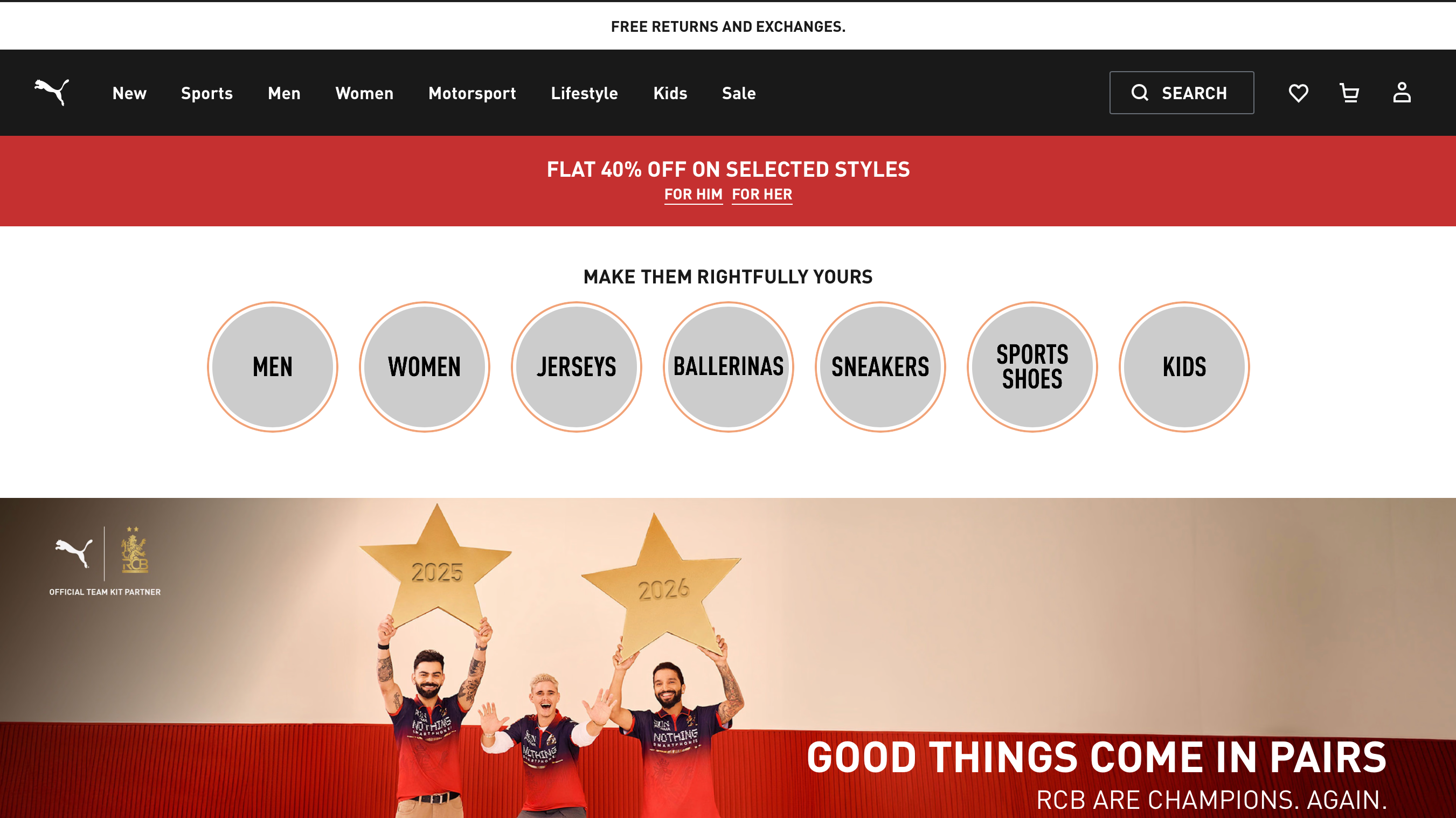
PUMA rebuilt its global content infrastructure around Sanity, creating one single home for all content that can be used in every market. The storefront is built with Next.js and Sanity.
Key features
Centralized multi-market content Headless React frontend Scalable architecture
Pros
One global content source Strong performance at scale Flexible for many regions
Cons
Complex enterprise setup Requires strong engineering support
Summary
PUMA proves Sanity can run content operations for a global enterprise retailer.
Tecovas
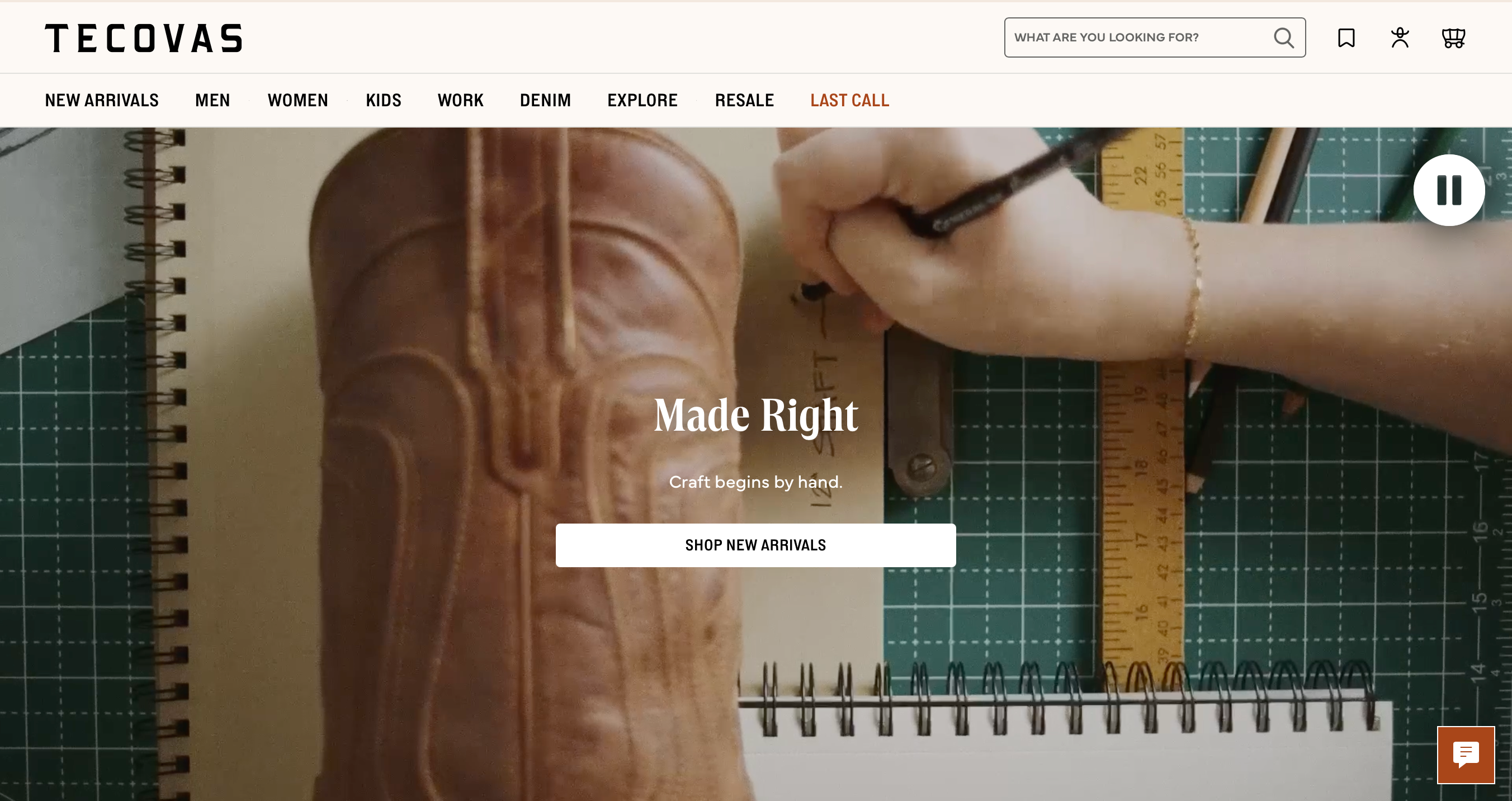
Tecovas replatformed onto a stack powered by Sanity and Shopify Hydrogen. Merchandisers now own the storefront experience, while developers ship far faster.
Key features
Schema-as-code content modeling Shopify Connect integration Merchandiser autonomy
Pros
Very fast product launches Strong developer workflow Flexible content structure
Cons
Requires headless expertise Heavier initial build
Summary
Tecovas is a textbook case of Sanity and Shopify composable commerce done right.
Nordstrom
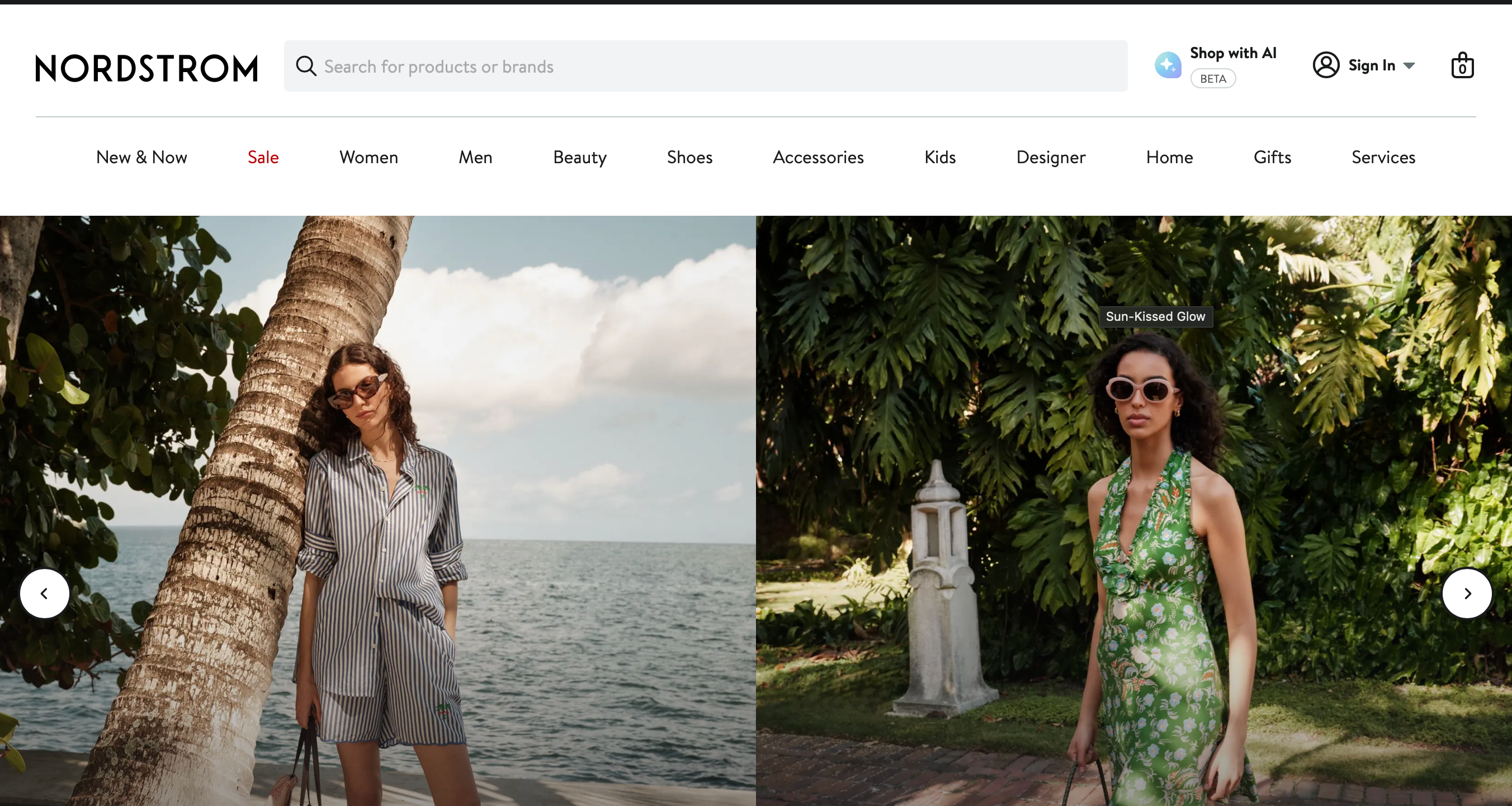
Nordstrom uses Sanity to coordinate large-scale retail content operations, including scheduling product launches ahead of time.
Key features
Scheduled product launches Large catalog management Operational control
Pros
Strong launch planning Handles huge catalogs Reliable content workflows
Cons
Enterprise complexity Heavy operational structure
Summary
Nordstrom demonstrates Sanity's strength for enterprise-scale catalog and launch workflows.
Mejuri
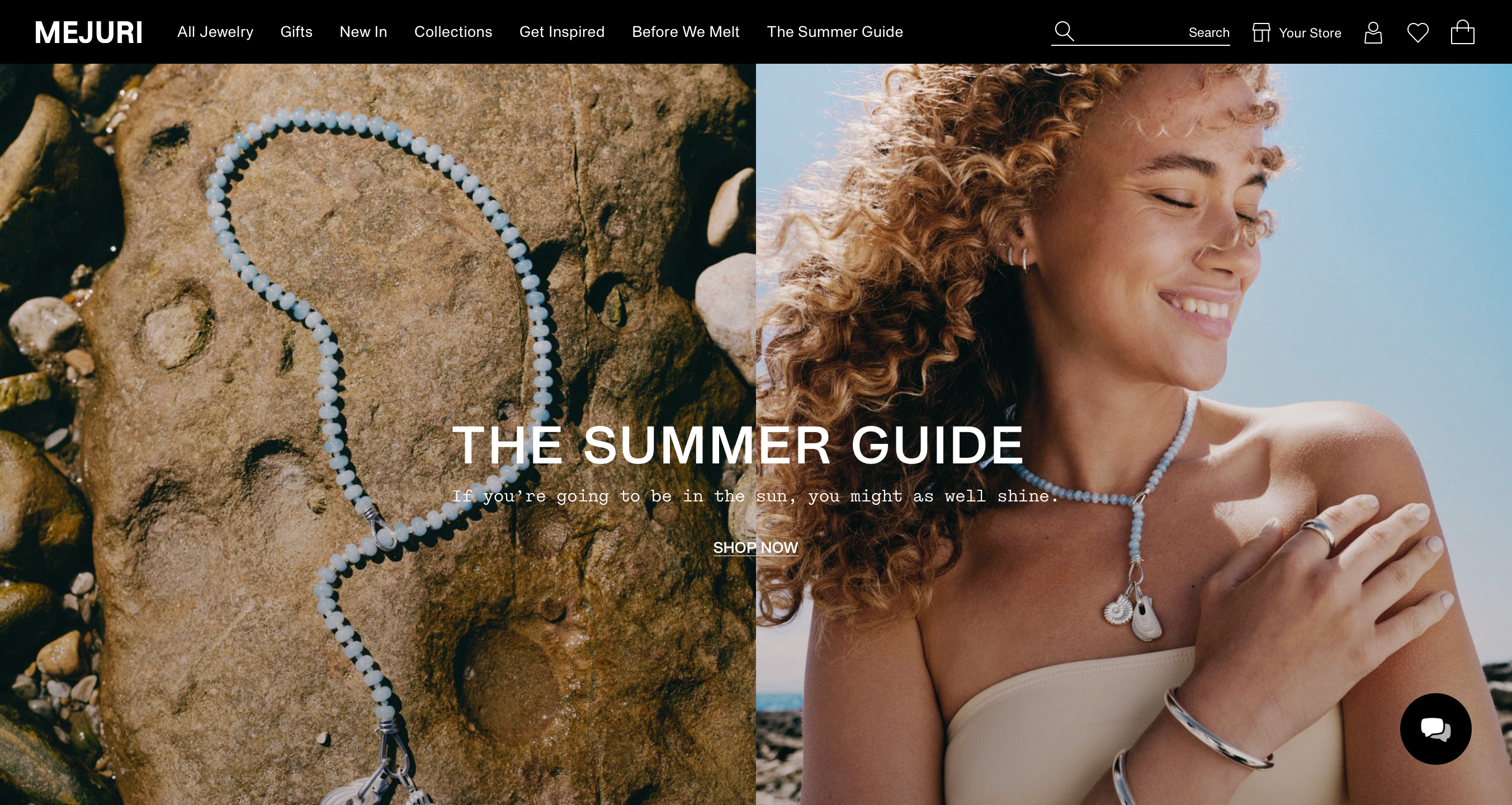
The jewelry brand migrated to Sanity and Shopify Hydrogen to support global expansion, giving content teams the power to build unique pages without relying on engineering every time.
Key features
Flexible content engine Multi-market localization Live preview
Pros
Fast content updates Strong global support Easy team collaboration
Cons
Required full migration Needs ongoing content strategy
Summary
Mejuri shows how Sanity supports fast, global, merchandiser-led commerce.
Nour Hammour
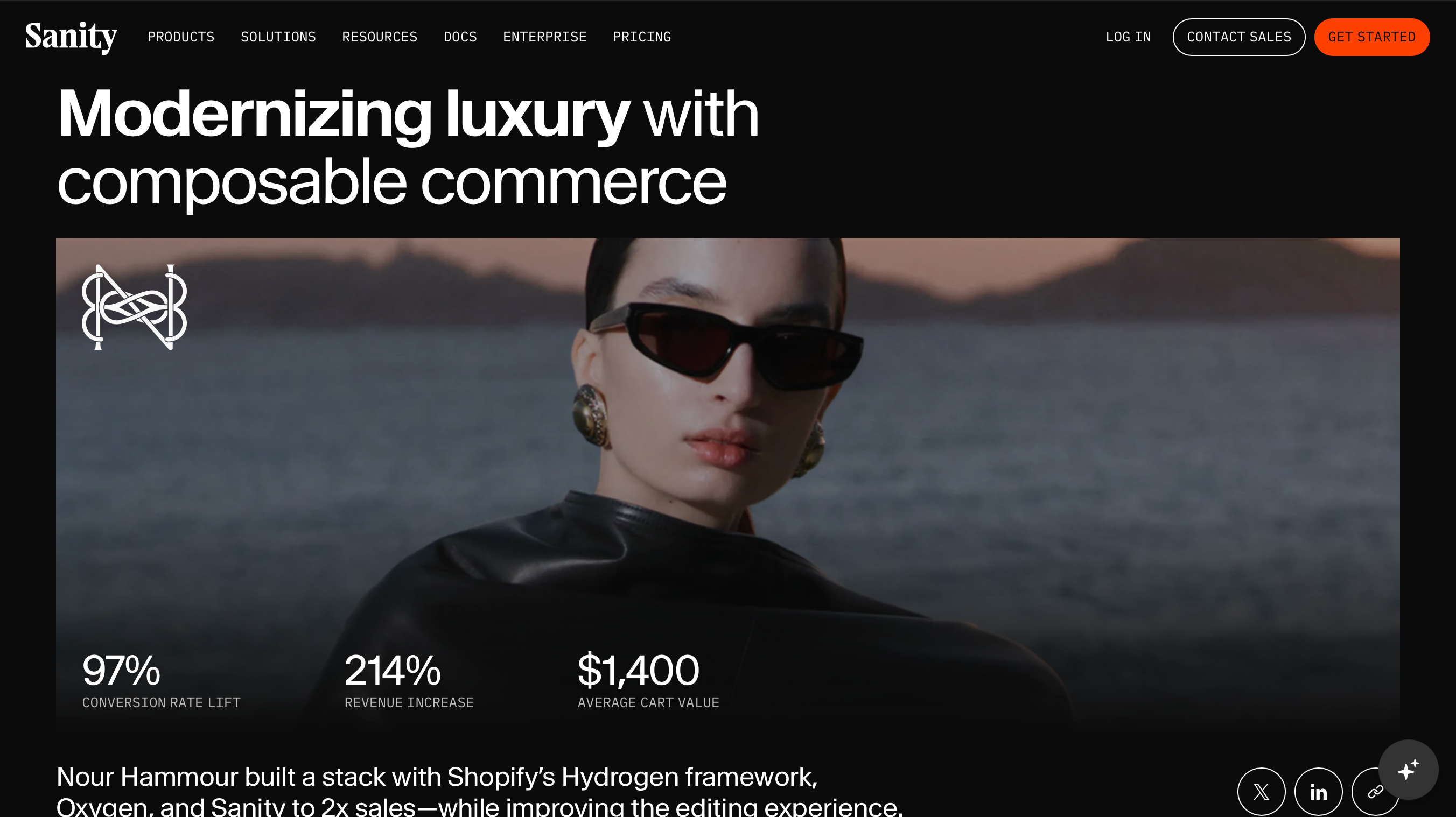
The luxury fashion house modernized onto a composable stack with Sanity, with guidance and guardrails built into Sanity Studio to make the editorial workflow intuitive.
Key features
Luxury storytelling Intuitive editorial workflow Strong conversion gains
Pros
Premium brand feel Easy content editing Measurable revenue impact
Cons
Smaller catalog focus Premium positioning only
Summary
Nour Hammour highlights how Sanity blends premium brand storytelling with measurable revenue impact.
Trends in Sanity CMS eCommerce (2026)
Modern eCommerce brands are increasingly moving toward:
Headless commerce architecture API-first development Faster storefront performance Composable commerce systems Content-driven shopping experiences Better SEO and scalability
Sanity is increasingly paired with AI-driven experiences too, including shopping assistants, personalized recommendations, and voice commerce, using its API-first backend to give AI agents governed access to live catalog data.
Conclusion
Sanity CMS is redefining how modern eCommerce websites are built.
The best websites today are not just functional, they are fast, flexible, and deeply connected to brand storytelling. From global enterprises like Nike and PUMA to DTC leaders like Tecovas and Mejuri, the common thread is composable architecture that lets content teams move fast without waiting on engineering.
Great eCommerce is no longer just about products, it's about experience.
Struggling to choose the right Headless CMS & Headless Commerce tech stack? We’ll help you pick the best solution for your business! Exclusive Offer: 20 Hours of Free Development & Consultation
Book a MeetingFrequently Asked Questions
Sanity offers flexibility, real-time content updates, and structured data management, making it ideal for building custom, high-performance eCommerce experiences.
Brands that prioritize storytelling, customization, and omnichannel content delivery—especially DTC and enterprise brands—benefit the most.
Yes. As seen with brands like Nike, Sanity can handle complex, large-scale implementations when paired with a strong backend.