

Words that inspire, ideas that spark,
stories that stay
Best Alternatives to PrestaShop (2026)
V.Srinidhi Reddy
Thursday, April 23rd, 20266 min read
Table of content
Best Alternatives to PrestaShop (2026)
Introduction
PrestaShop has long been a popular open-source ecommerce platform, especially among small to mid-sized businesses that want flexibility and control. However, as ecommerce evolves in 2026, many businesses are exploring alternatives that offer better scalability, easier management, or more advanced features.
While PrestaShop provides strong customization, it often requires technical expertise and ongoing maintenance. Businesses looking to scale quickly or reduce development overhead are increasingly moving toward SaaS or modern headless solutions. This shift is driven by the need for speed, automation, and omnichannel capabilities.
According to recent comparisons, platforms like Shopify, WooCommerce, and BigCommerce are among the most commonly chosen alternatives due to their scalability and ease of use . In this guide, we explore the best PrestaShop alternatives in 2026 based on use case, flexibility, and growth potential.
TL;DR
|
Platform |
Best For |
Key Highlight |
|
Shopify |
All-in-one ecommerce |
Easy setup + scalability |
|
WooCommerce |
WordPress users |
Full customization |
|
BigCommerce |
Scaling brands |
Built-in enterprise features |
|
Magento (Adobe Commerce) |
Enterprise |
Advanced customization |
|
Shopware / Headless (Saleor, Medusa) |
Modern commerce |
API-first flexibility |
1. Shopify
Overview
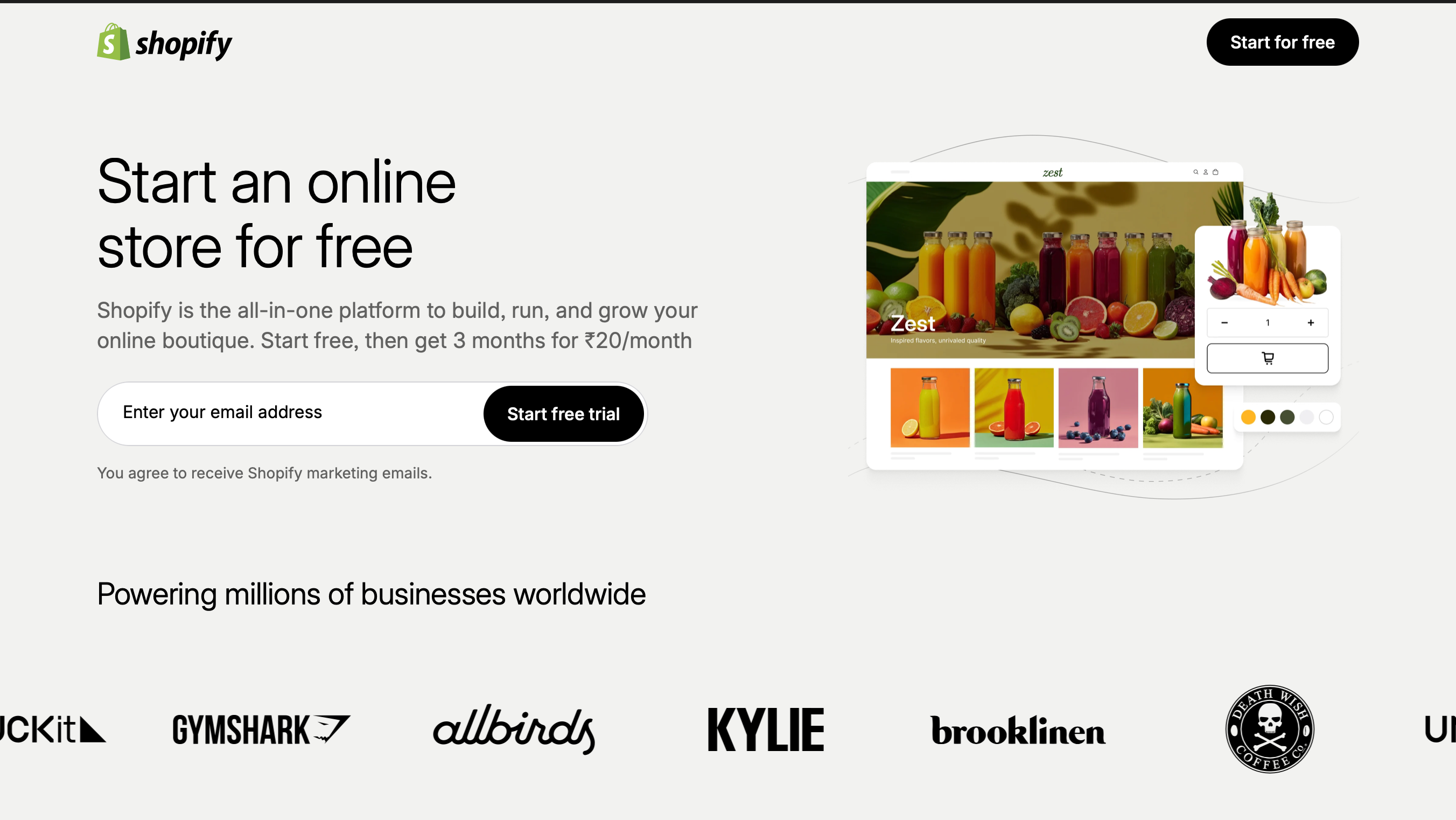
Shopify is one of the most popular ecommerce platforms globally and a leading alternative to PrestaShop. It is a fully hosted SaaS solution, meaning businesses do not need to manage servers or technical infrastructure. This makes it significantly easier to set up and maintain.
The platform offers built-in tools for payments, inventory, marketing, and analytics. It also has a large app ecosystem, allowing businesses to extend functionality without heavy development. Shopify is particularly strong for scaling brands and omnichannel selling.
Reviews
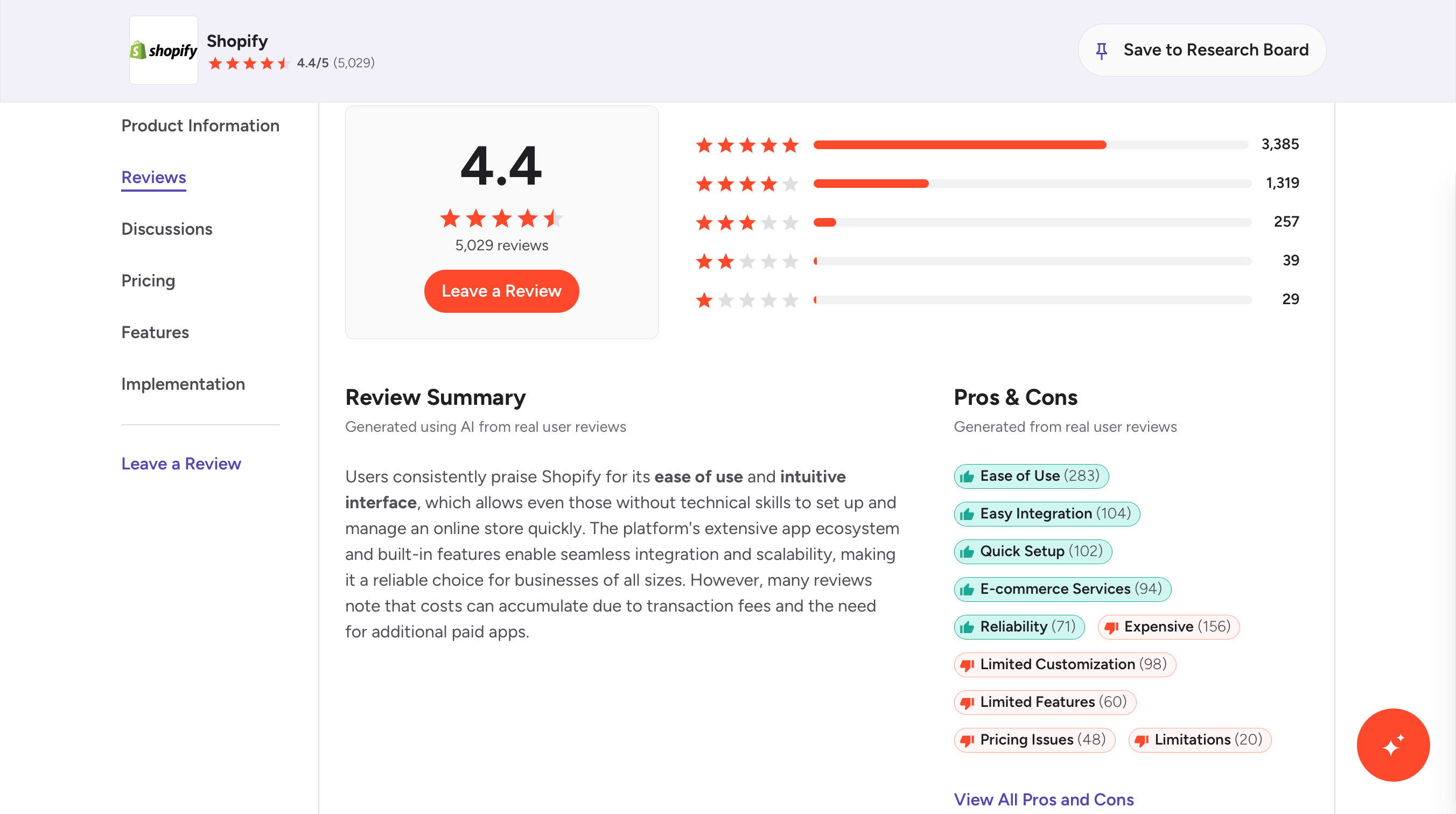
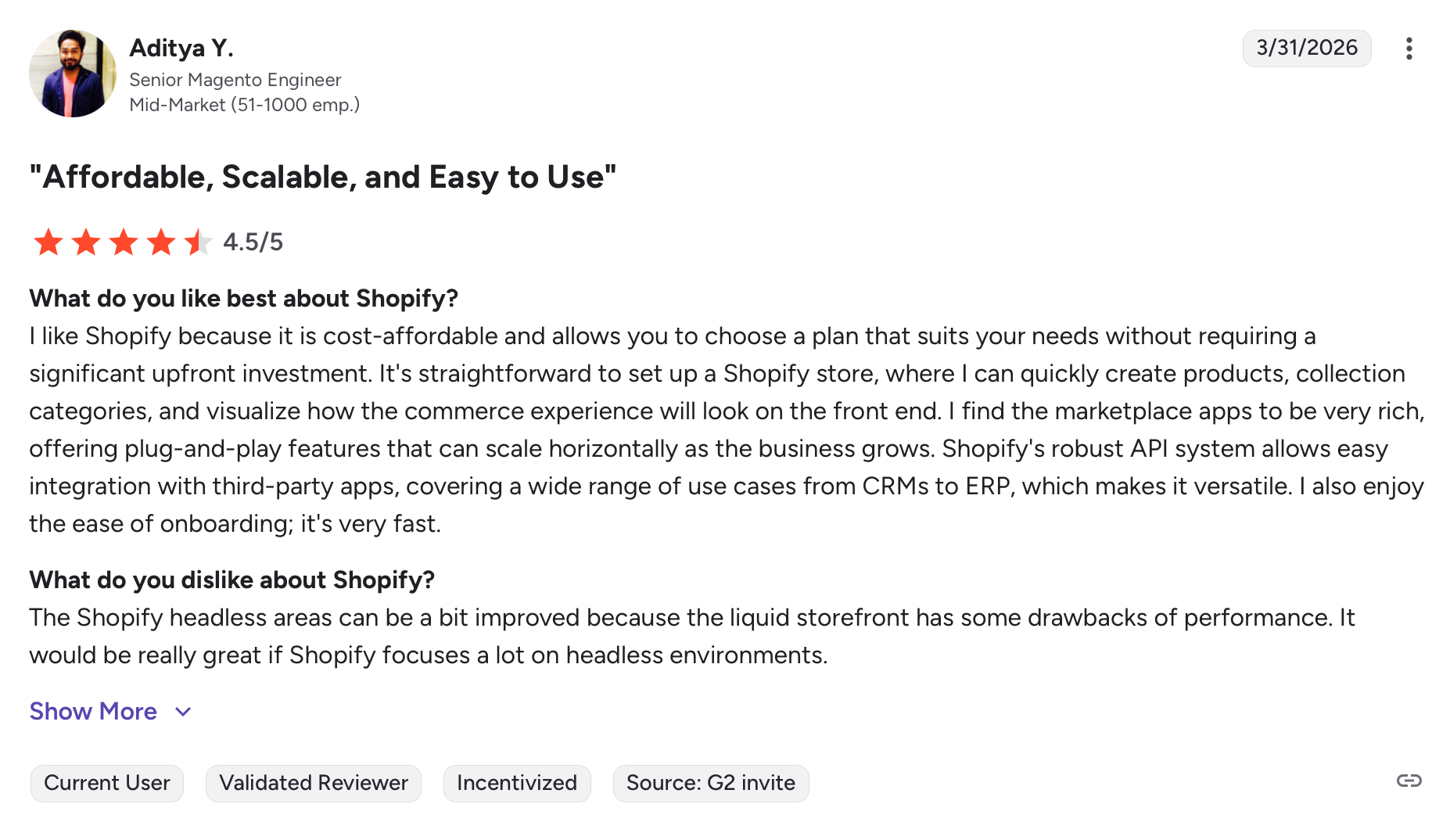
Shopify is widely praised for its ease of use and scalability. Many businesses choose it because it allows them to launch quickly without technical expertise. It is often recommended as the best overall ecommerce platform.
However, some users mention transaction fees and reliance on apps. Despite this, it remains one of the top choices for ecommerce growth.
Pros
Easy to use and manage
Highly scalable
Large app ecosystem
Cons
Monthly costs and transaction fees
Limited backend customization
Summary
Shopify is the best alternative to PrestaShop for most businesses. It offers simplicity, scalability, and strong features. Overall, it is ideal for brands that want to grow بسرعة without technical complexity.
2. WooCommerce
Overview
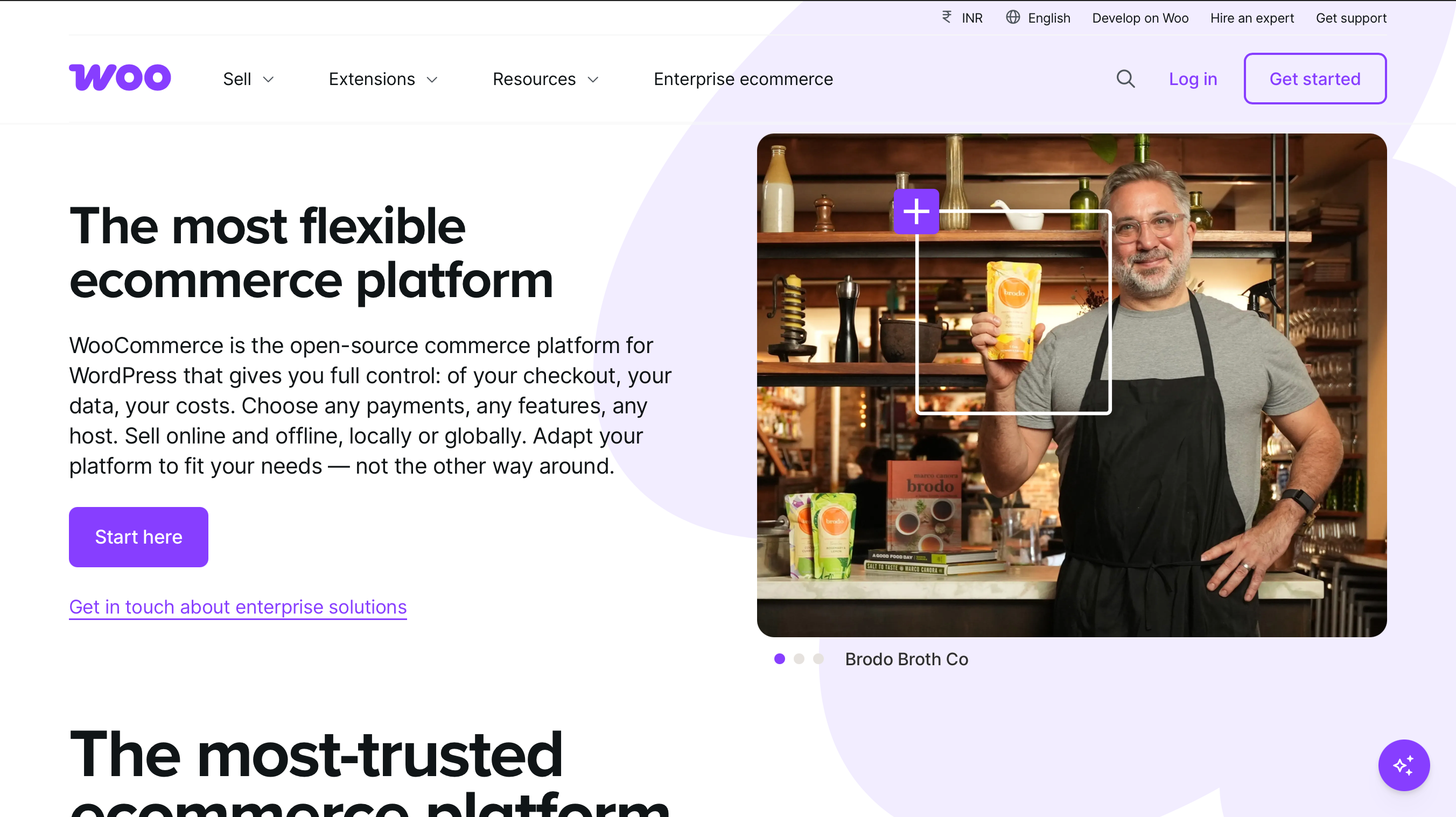
WooCommerce is an open-source ecommerce plugin for WordPress. It provides similar flexibility to PrestaShop but with a much larger ecosystem. Businesses can fully customize their store using themes, plugins, and custom code.
The platform is ideal for content-driven ecommerce, especially for SEO-focused businesses. It allows complete control over design, functionality, and hosting.
Reviews
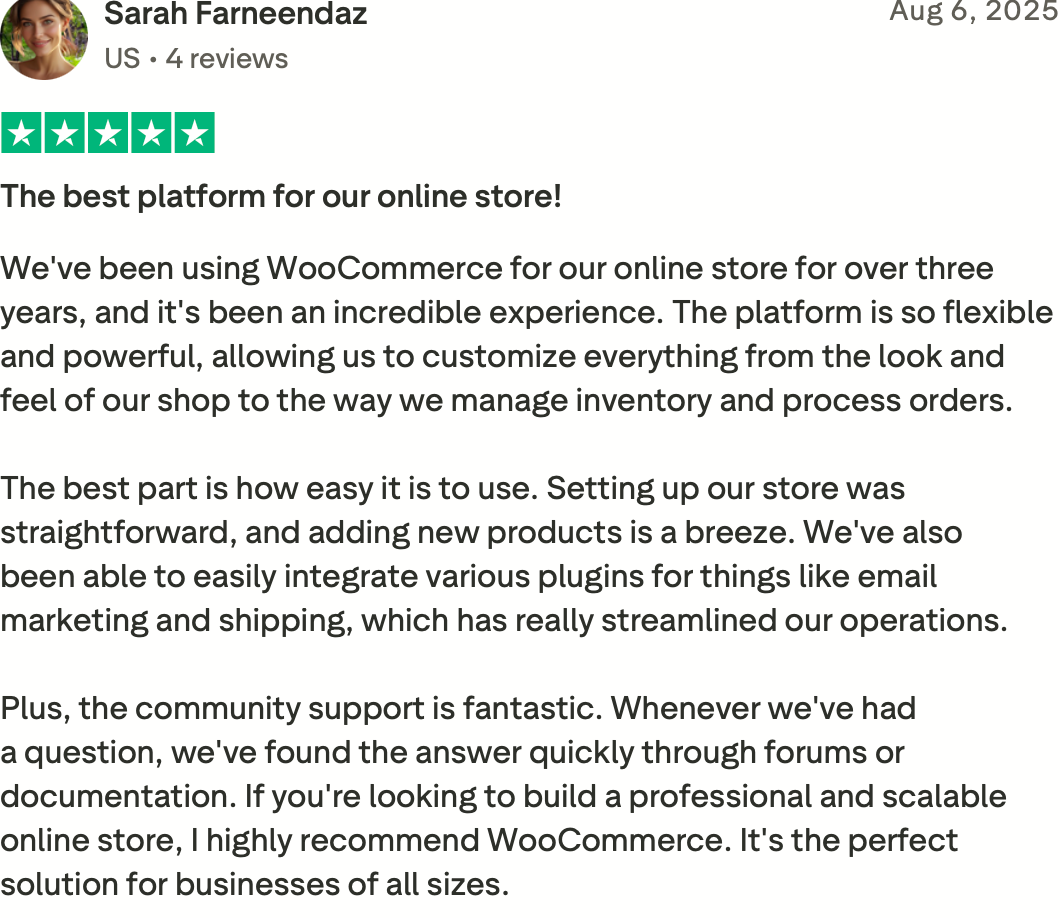
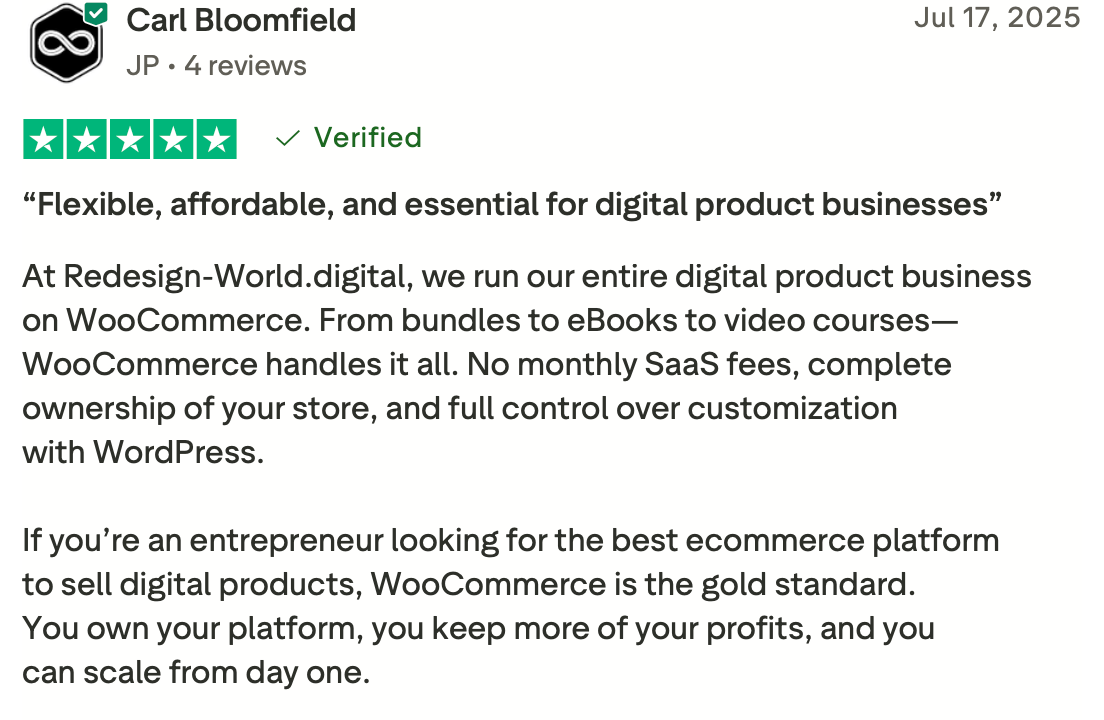
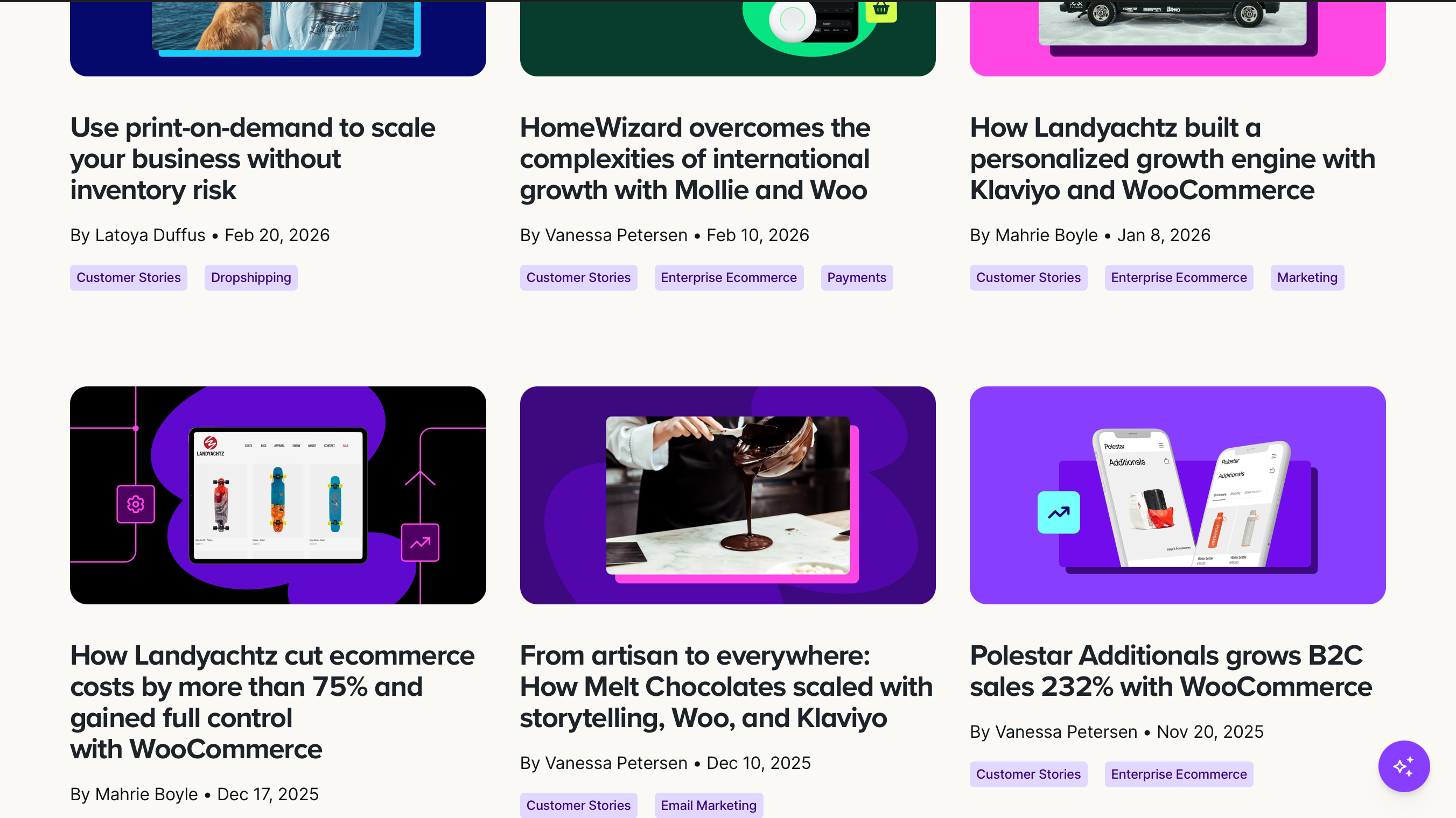
WooCommerce is highly rated for its flexibility and cost-effectiveness. Many users appreciate that it is free to install and highly customizable. It is one of the most widely used ecommerce solutions globally.
However, it requires more technical management compared to SaaS platforms. Maintenance and hosting are the user’s responsibility.
Pros
Full customization
Strong SEO capabilities
Large plugin ecosystem
Cons
Requires hosting and maintenance
Can become complex at scale
Summary
WooCommerce is the best alternative for users who want control and flexibility. It is ideal for developers and content-driven businesses. Overall, it is a powerful open-source option.
3. BigCommerce
Overview
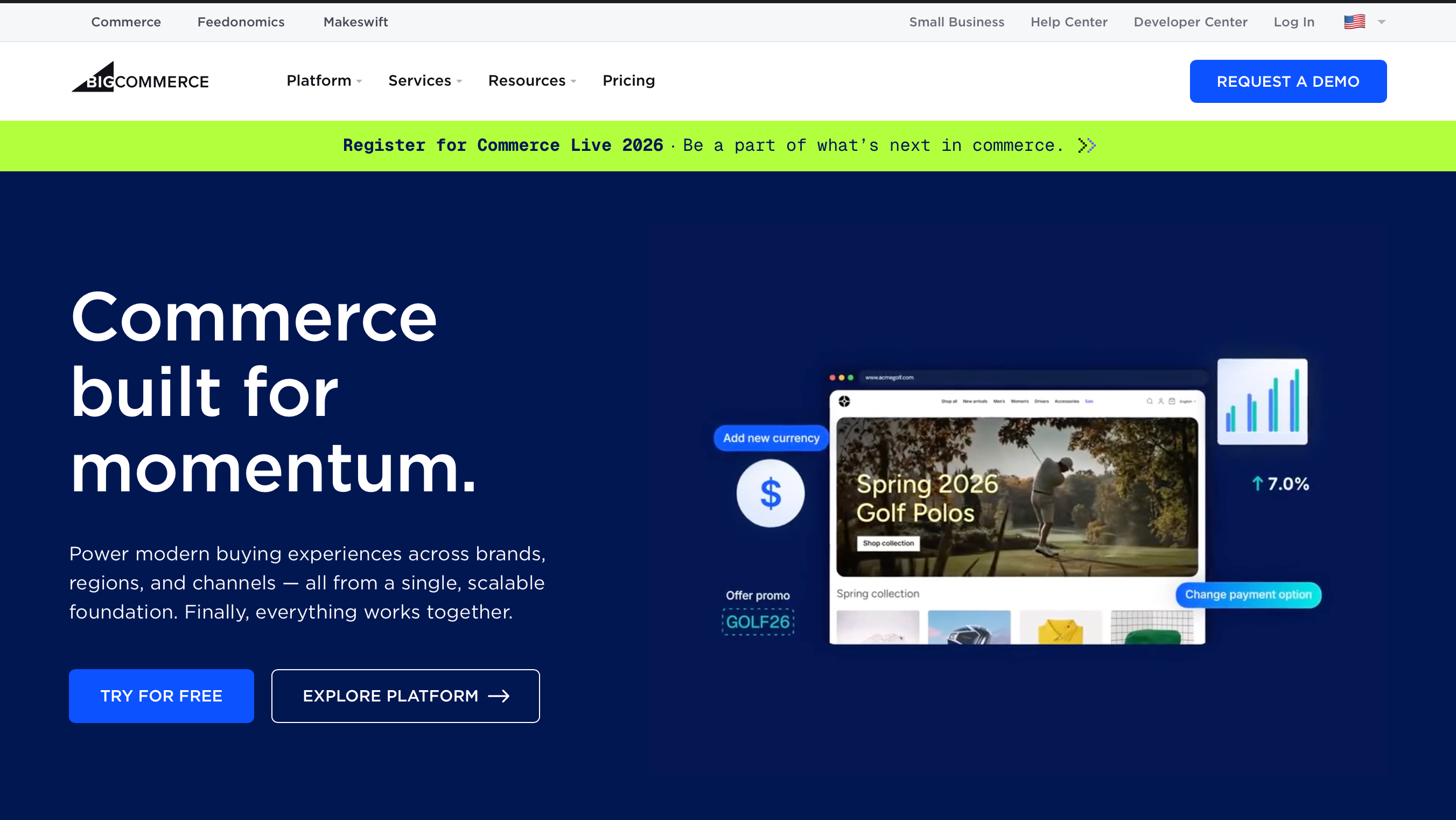
BigCommerce is a SaaS ecommerce platform designed for scaling businesses. It offers many built-in features, reducing the need for third-party apps. This makes it a strong alternative to PrestaShop for growing brands.
The platform supports multi-storefront, B2B features, and advanced integrations. It is particularly useful for businesses with large catalogs and complex requirements.
Reviews
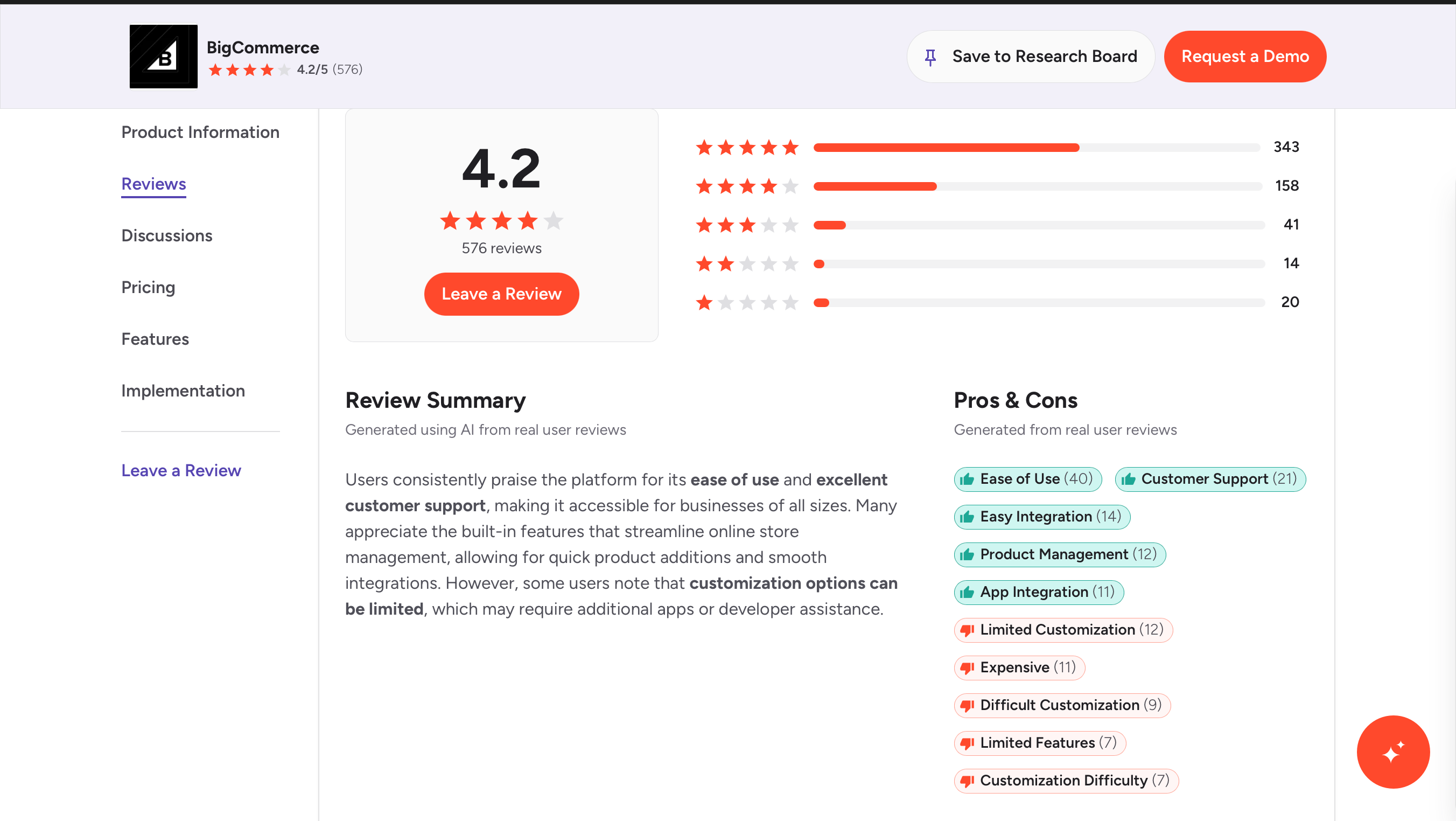
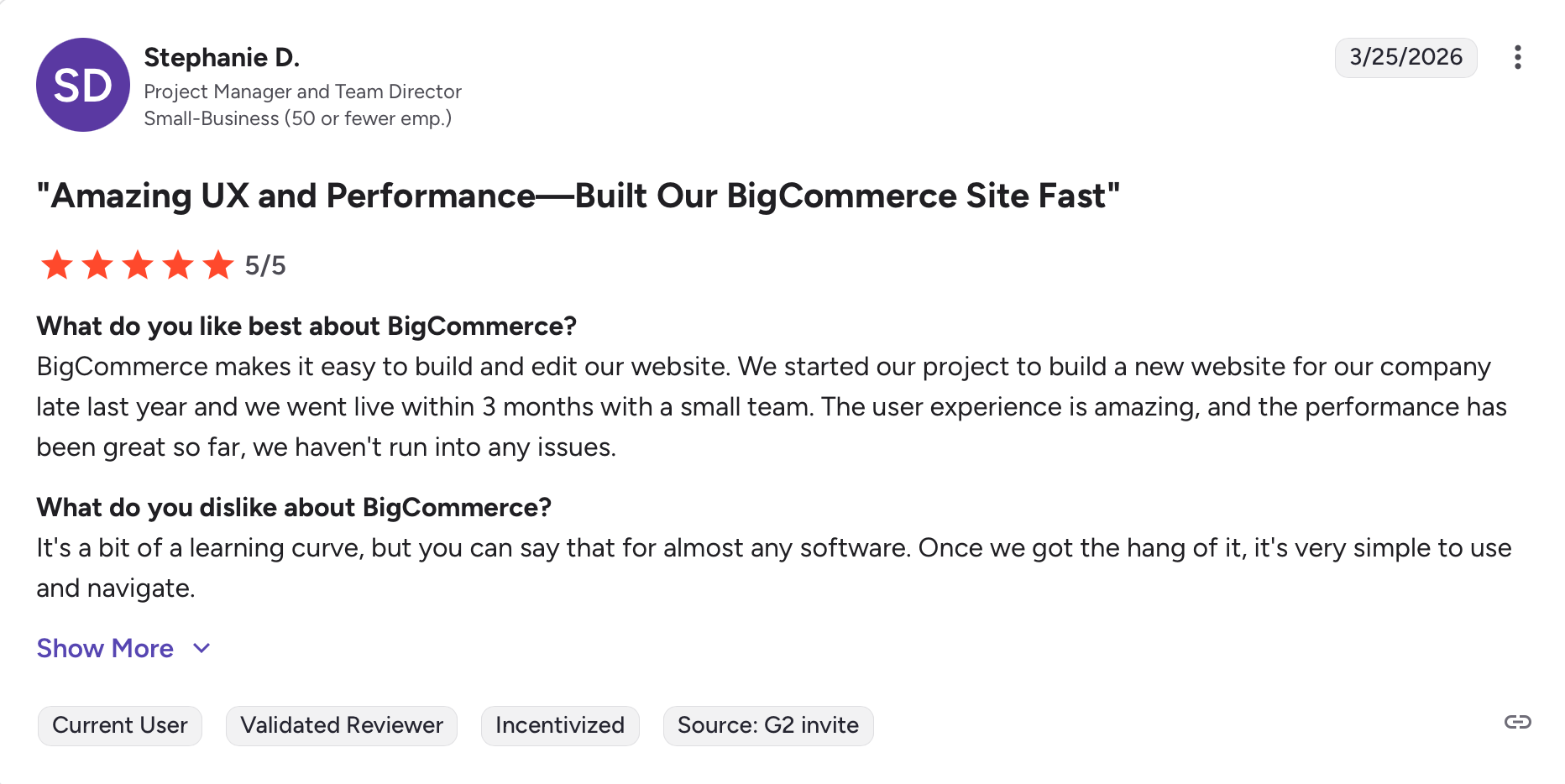
BigCommerce is known for its scalability and built-in functionality. Many businesses choose it because it reduces reliance on external apps. It is often recommended for mid-sized to enterprise brands.
However, it has a steeper learning curve compared to simpler platforms. Despite this, it is a strong choice for growth.
Pros
Strong built-in features
Scalable for large businesses
Multi-storefront support
Cons
Learning curve
Less design flexibility
Summary
BigCommerce is ideal for scaling ecommerce businesses. It provides powerful features without heavy customization. Overall, it is a strong alternative for growth-focused brands.
4. Adobe Commerce
Overview
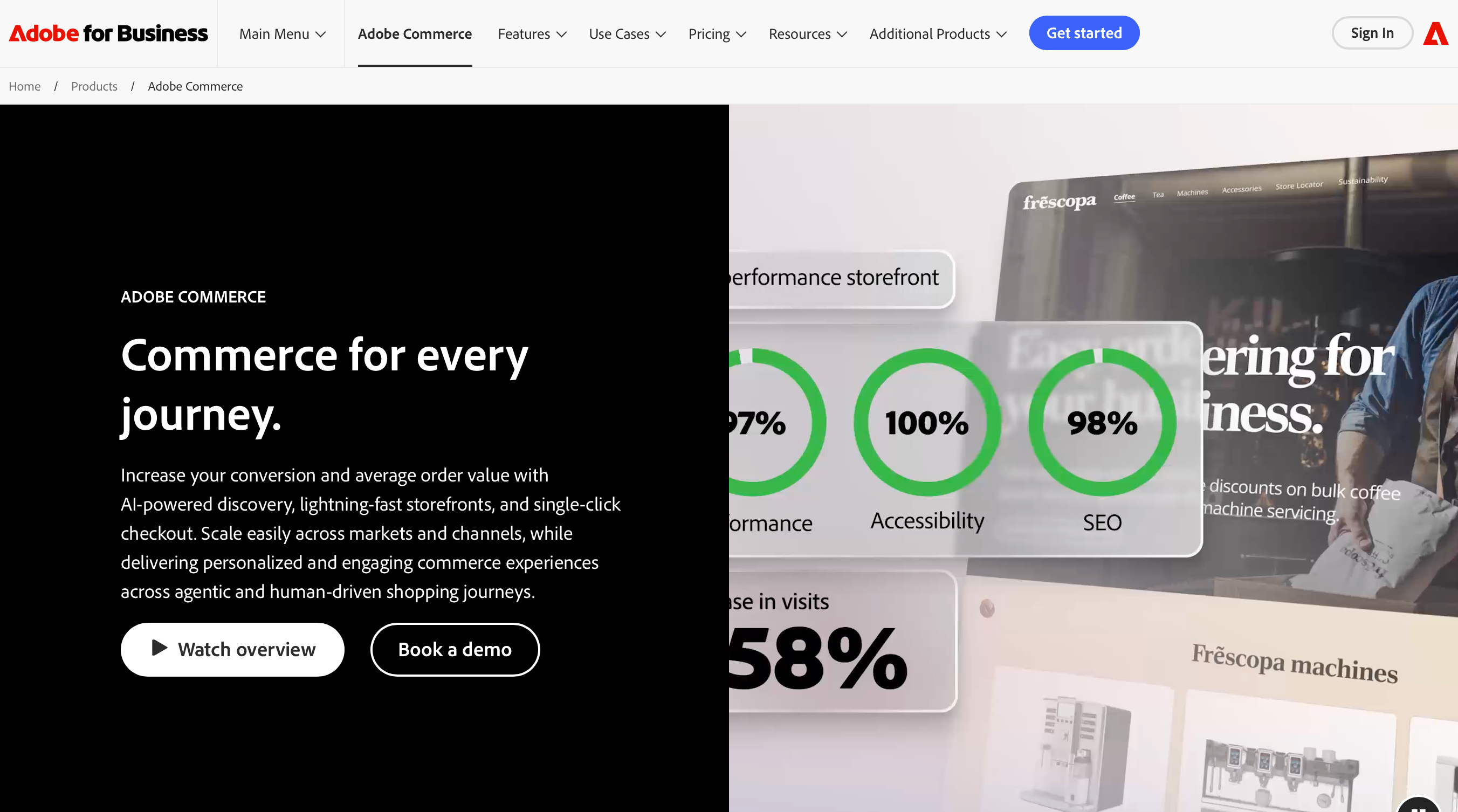
Adobe Commerce (formerly Magento) is an enterprise-level ecommerce platform known for its flexibility and customization. It is similar to PrestaShop but designed for larger and more complex businesses.
The platform supports advanced features such as multi-store management, B2B commerce, and deep integrations. It is highly customizable but requires significant development resources.
Reviews
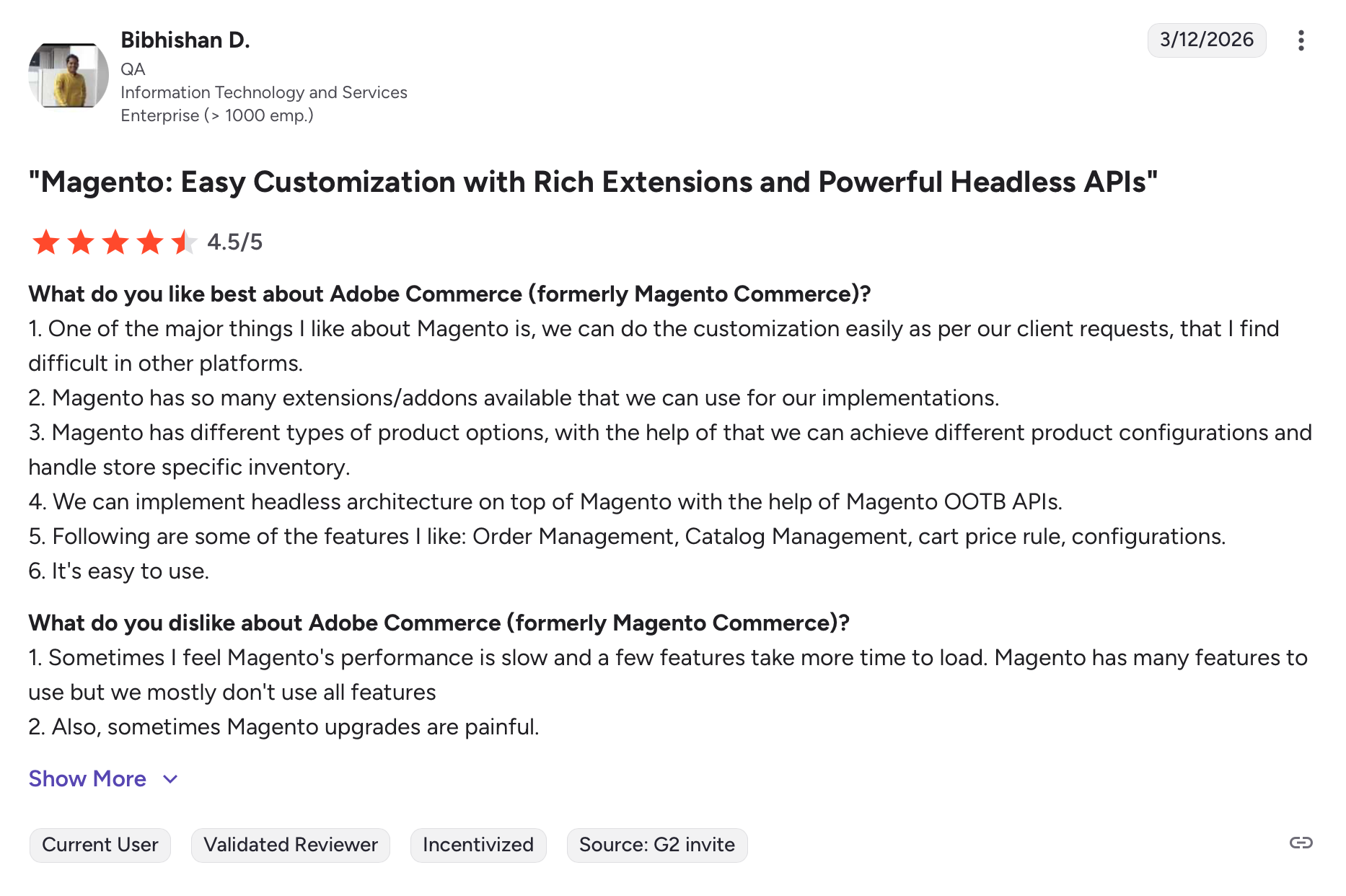
Adobe Commerce is praised for its flexibility and enterprise capabilities. Large businesses use it to build complex ecommerce systems. It is often considered one of the most powerful platforms available.
However, it is expensive and requires technical expertise. Smaller businesses may find it overwhelming.
Pros
Highly customizable
Enterprise-level features
Scalable
Cons
Expensive
Requires development resources
Summary
Adobe Commerce is best for enterprise businesses. It offers unmatched flexibility and power. Overall, it is ideal for large-scale ecommerce operations.
5. Headless & Modern Alternatives (Shopware, Saleor, Medusa)
Overview
Modern ecommerce is shifting toward headless commerce solutions like Shopware, Saleor, and Medusa. These platforms separate the frontend and backend, allowing businesses to build highly customized experiences.
They are API-first and designed for flexibility and performance. This makes them ideal for brands with unique requirements or advanced tech stacks.
Reviews
Headless platforms are gaining popularity among developers and enterprise teams. They offer unmatched flexibility and scalability. Many businesses are migrating from traditional platforms like PrestaShop to headless solutions.
However, they require strong technical expertise and development resources.
Pros
Highly flexible
Future-proof architecture
Best for custom experiences
Cons
Complex setup
Requires developers
Summary
Headless platforms are the future of ecommerce. They are ideal for businesses that need full control and scalability. Overall, they are best suited for advanced teams.
Key Differences from PrestaShop
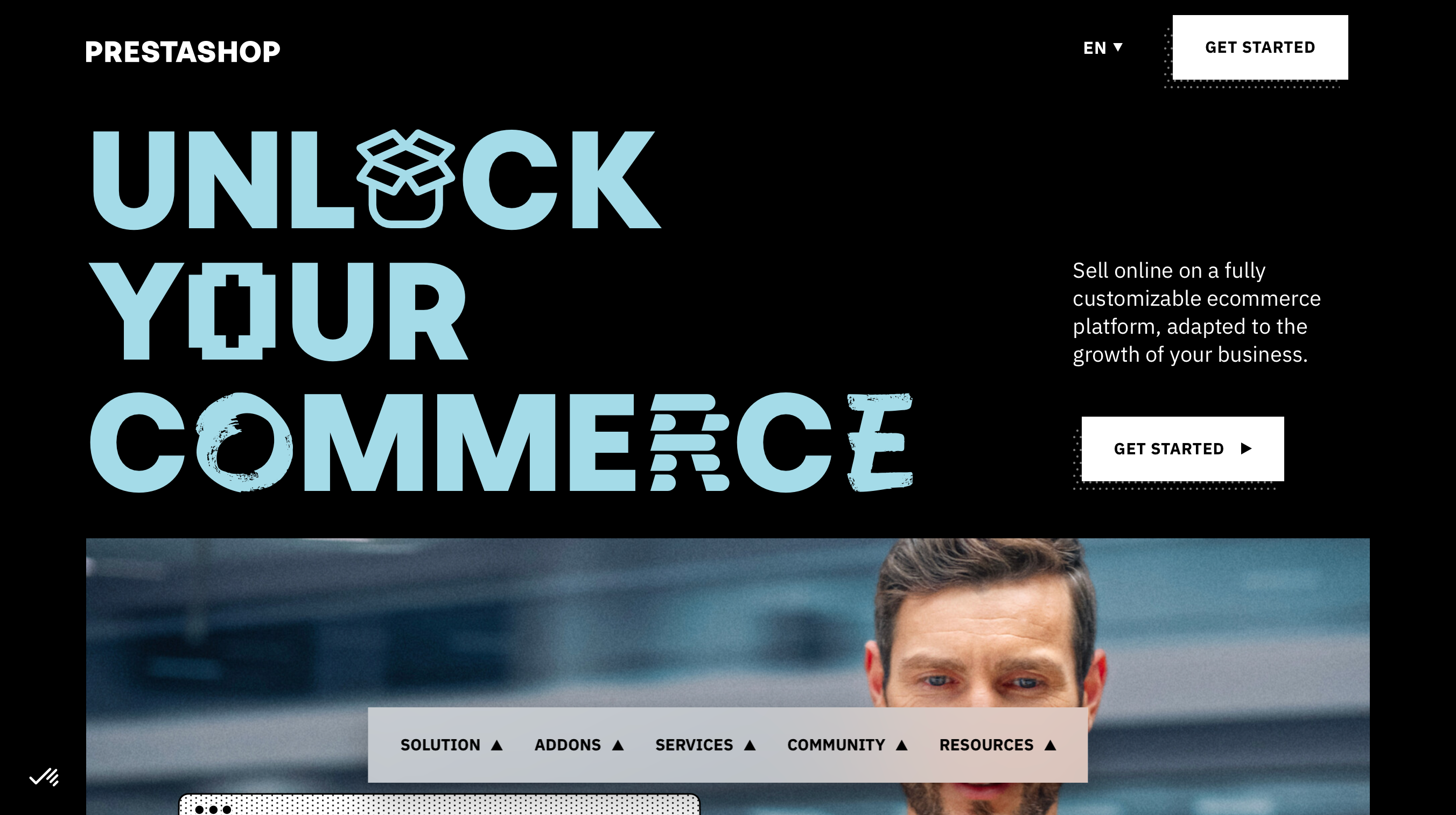
PrestaShop is an open-source platform that offers flexibility but requires technical management. Alternatives differ mainly in ease of use, scalability, and architecture.
SaaS platforms like Shopify and BigCommerce simplify operations and reduce maintenance. Open-source platforms like WooCommerce provide flexibility similar to PrestaShop. Headless solutions offer the most customization but require development expertise.
Choosing the right alternative depends on your technical resources and growth goals.
How to Choose the Right Alternative
Choosing the right platform depends on your business size and technical capability. If you want simplicity, go with Shopify. If you want control, WooCommerce is a strong choice.
For scaling businesses, BigCommerce provides built-in features and flexibility. For enterprise needs, Adobe Commerce is more suitable. For future-ready architecture, headless solutions are ideal.
You should also consider cost, scalability, and ease of use. These factors will determine long-term success.
Conclusion
PrestaShop remains a solid platform, but many businesses are moving to alternatives that offer better scalability and ease of use. The ecommerce landscape in 2026 is dominated by platforms that prioritize speed, automation, and flexibility.
Shopify leads for ease of use, WooCommerce for flexibility, and BigCommerce for scalability. Adobe Commerce and headless solutions serve enterprise and advanced use cases.
Ultimately, the best alternative depends on your business goals and technical resources. Choosing the right platform can significantly impact your growth and performance.
Struggling to choose the right Headless CMS & Headless Commerce tech stack? We’ll help you pick the best solution for your business! Exclusive Offer: 20 Hours of Free Development & Consultation
Book a MeetingFrequently Asked Questions
Shopify is the best overall alternative due to its ease of use and scalability.
WooCommerce offers more flexibility and a larger ecosystem, but requires more management.
Shopify is the easiest platform for beginners.
Yes, WooCommerce and OpenCart are free open-source alternatives.