

Words that inspire, ideas that spark,
stories that stay
Best Alternatives to WordPress (2026)
V.Srinidhi Reddy
Sunday, April 19th, 20267 min read
Table of content
Best Alternatives to WordPress (2026 Guide)
Introduction
For years, WordPress has dominated the web, powering a huge portion of websites globally. Its flexibility, plugin ecosystem, and open-source nature made it the default choice for blogs, business sites, and even eCommerce.
But in 2026, things have changed.
Modern developers and businesses are moving toward headless CMS, no-code builders, and composable architectures. WordPress, while still powerful, often feels bloated, plugin-dependent, and harder to scale for modern applications.
Many teams today look for alternatives when they want:
-
Better performance
-
Cleaner developer experience
-
Less maintenance
-
More modern architecture
So if you’re planning to move away from WordPress, here are the best alternatives depending on your use case.
TL;DR
WordPress is still powerful and flexible, but many teams are moving away from it in 2026 because it feels bloated, heavily plugin-dependent, and harder to maintain for modern applications. Developers now prefer headless CMS, composable systems, and no-code platforms for better performance and scalability.
Best Alternatives
- Webflow → Best for visual design freedom and low maintenance
- Strapi → Best balance of flexibility and ease of use
- Sanity → Best for structured content and collaboration
- Ghost CMS → Best for blogs, newsletters, and publishing
- Shopify → Best for scaling eCommerce stores
- Contentful → Best for enterprise composable architecture
WordPress vs Alternatives (Quick Perspective)
|
Platform |
Best For |
Flexibility |
Ease of Use |
Maintenance |
|
WordPress |
General websites |
Very High |
Medium |
High |
|
Webflow |
Design sites |
Medium |
Easy |
Low |
|
Strapi |
Headless apps |
High |
Medium |
Medium |
|
Sanity |
Content platforms |
High |
Easy |
Low |
|
Ghost |
Publishing |
Medium |
Very Easy |
Low |
|
Shopify |
eCommerce |
High |
Easy |
Low |
|
Contentful |
Enterprise |
Very High |
Medium |
Low |
1. Webflow
Founders
Webflow was founded by Vlad Magdalin, Sergie Magdalin, and Bryant Chou.

Overview & Review
Webflow offers significantly more control over design, animations, and interactions, making it feel closer to actual frontend development rather than a simple website builder.
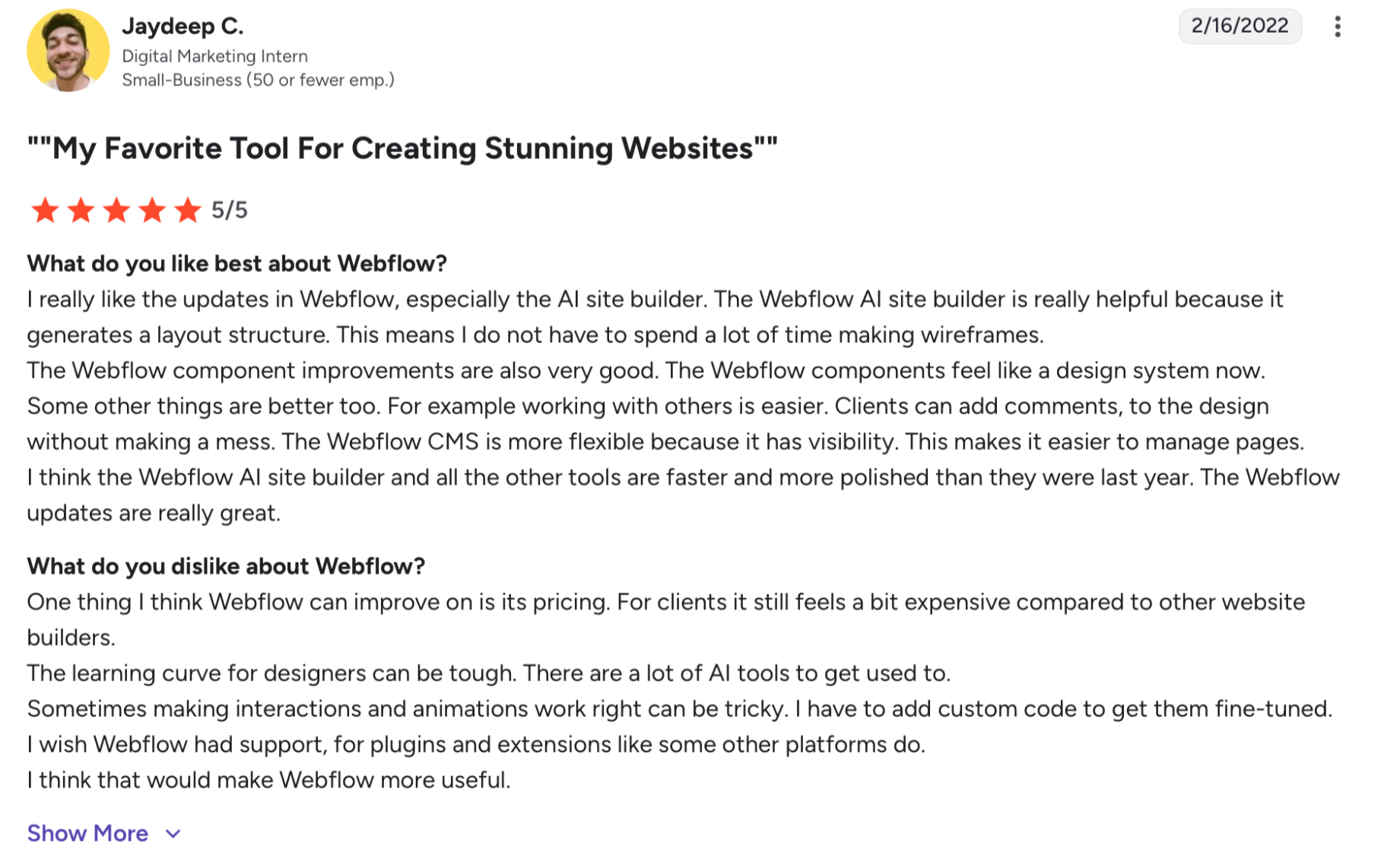
Webflow generates cleaner code and allows deeper customization, which is why designers and developers love it. However, it does require a learning curve, especially if you're coming from a no-code background.
Reddit Insight
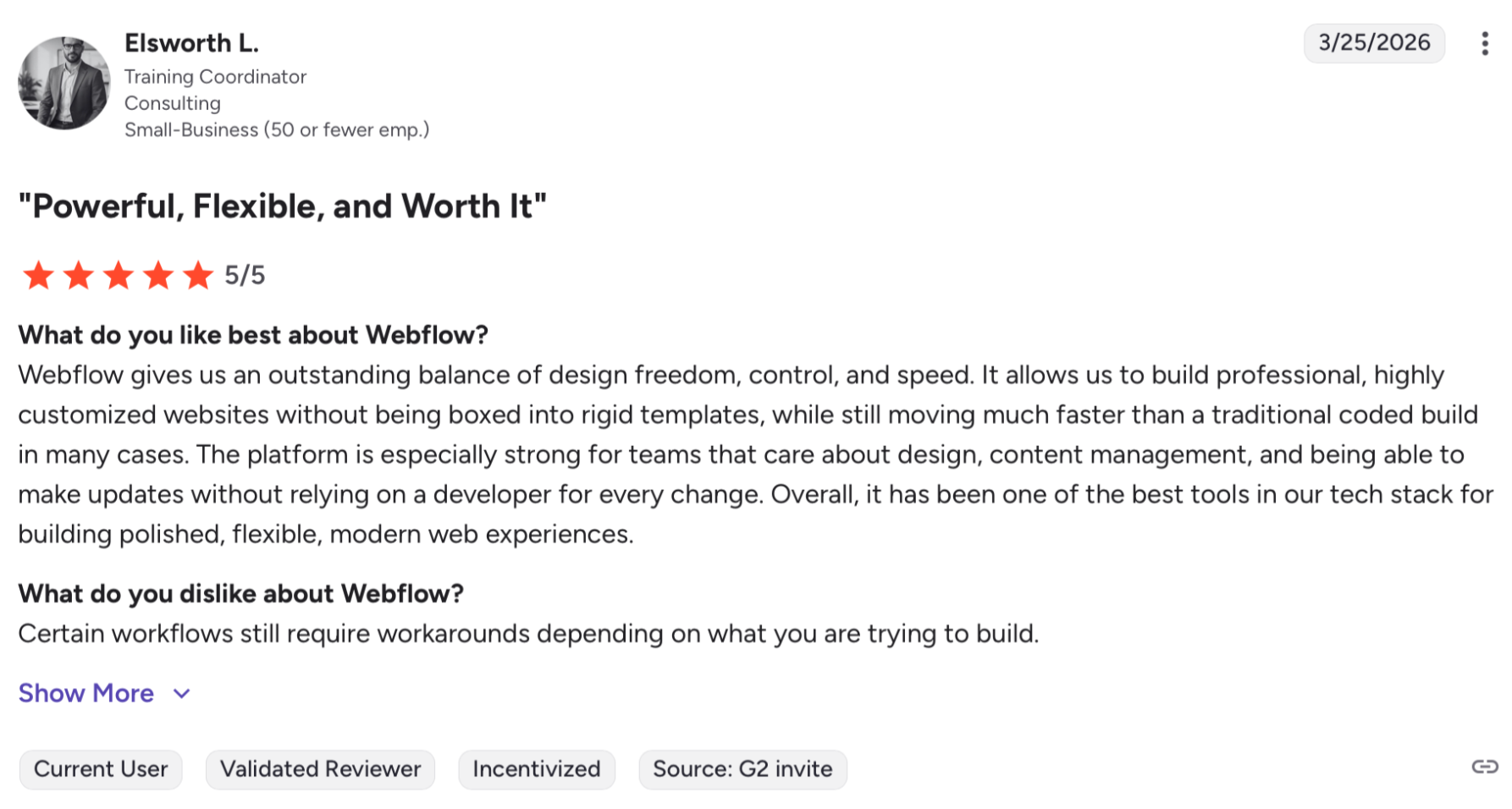
Many developers recommend Webflow when Wix feels limiting, especially for performance and customization.
Final Take
Webflow is ideal for users who want creative freedom and professional-grade design control.
2. Strapi
Founders
Strapi was created by Strapi, with contributions from a global open-source community.
Overview & Review
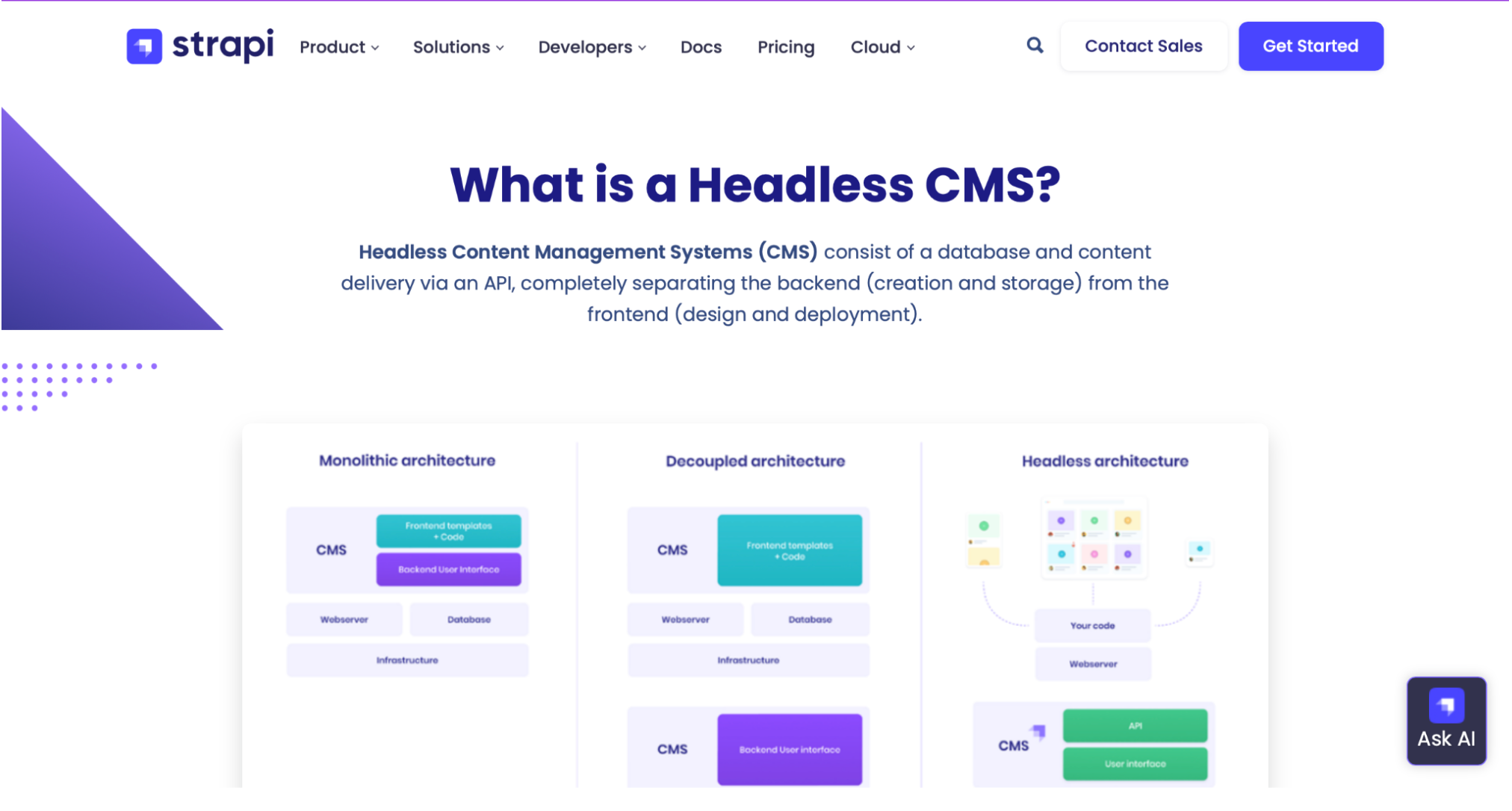
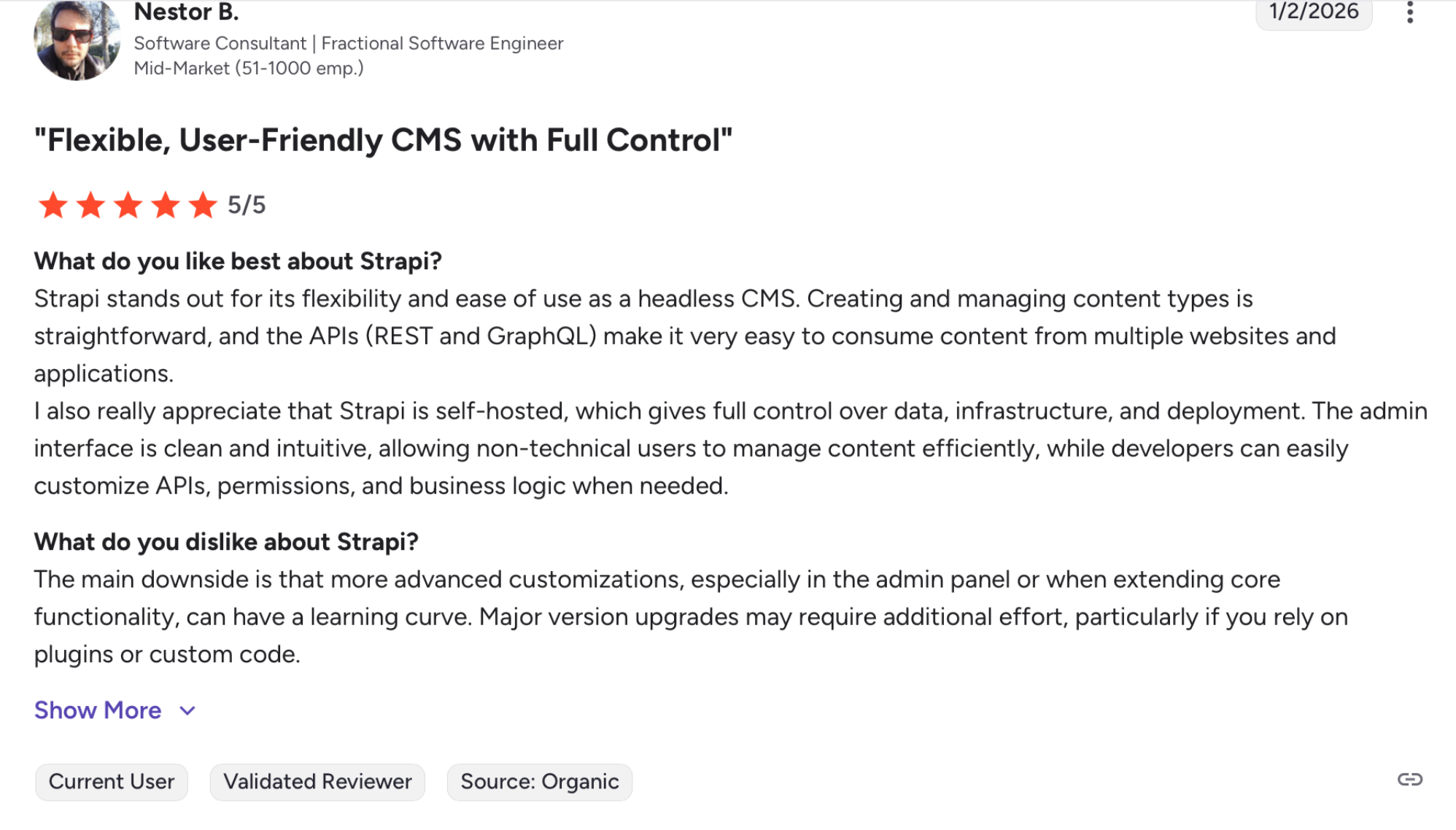
Strapi is one of the most popular open-source headless CMS platforms, known for its balance between ease of use and flexibility. It offers a visual admin panel for managing content while still allowing deep customization through code.
Unlike Payload (code-first) or Directus (database-first), Strapi follows a hybrid approach, making it accessible for beginners while still powerful enough for advanced use cases.Its biggest advantage is its ecosystem—Strapi has a large plugin marketplace and strong community support, which significantly speeds up development.
Key Strengths
-
User-friendly admin dashboard
-
Large plugin ecosystem
-
REST and GraphQL support
-
Strong community and documentation
-
Flexible customization options
Why It Stands Out
Strapi is often the default choice for teams entering headless CMS because it reduces complexity without sacrificing flexibility.
Summary
Best for teams that want a balanced, beginner-friendly CMS with strong community support and scalability.
3. Sanity
Founders
Sanity was founded by Magnus Hillestad and Even Westvang, with a strong focus on developer-first content workflows.
Overview & Review
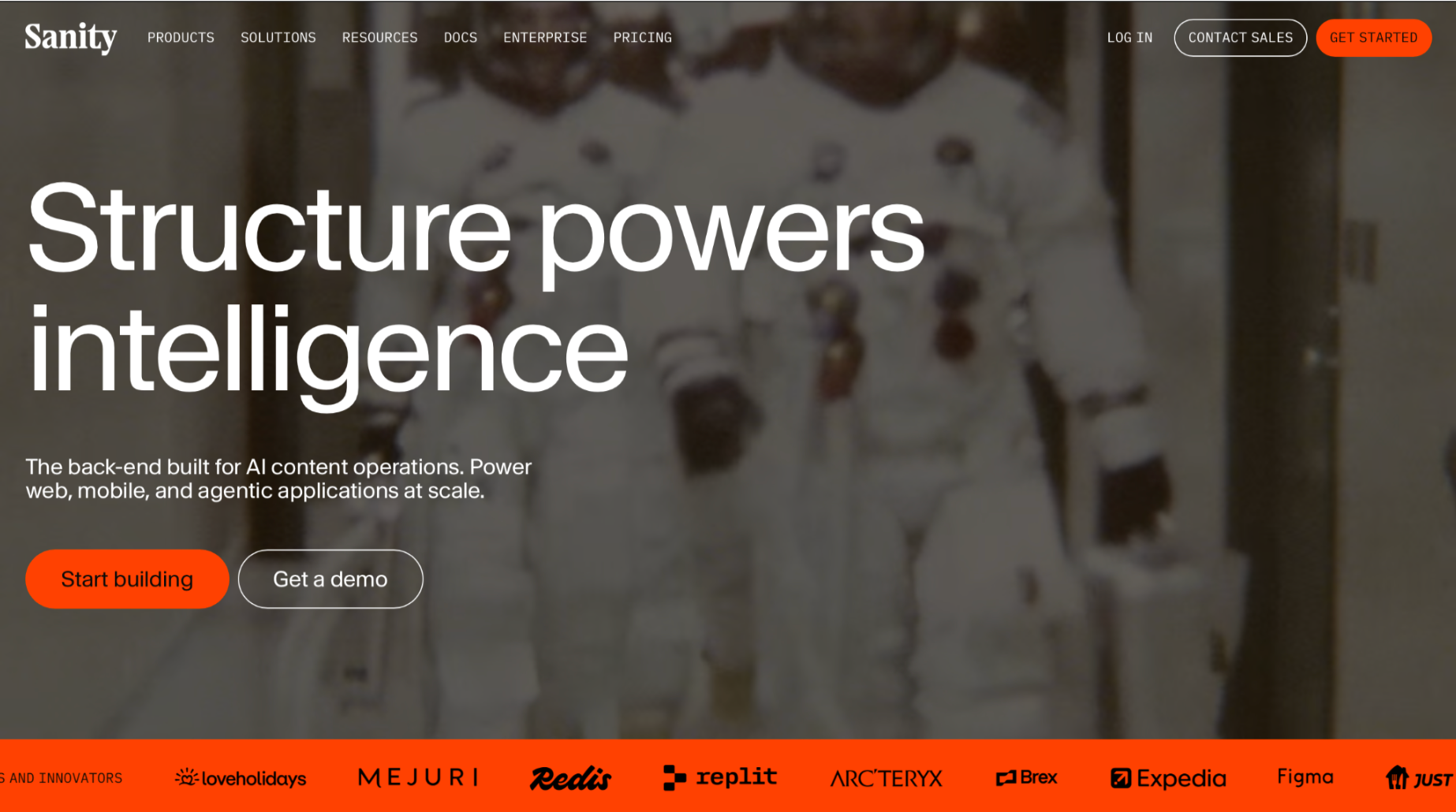
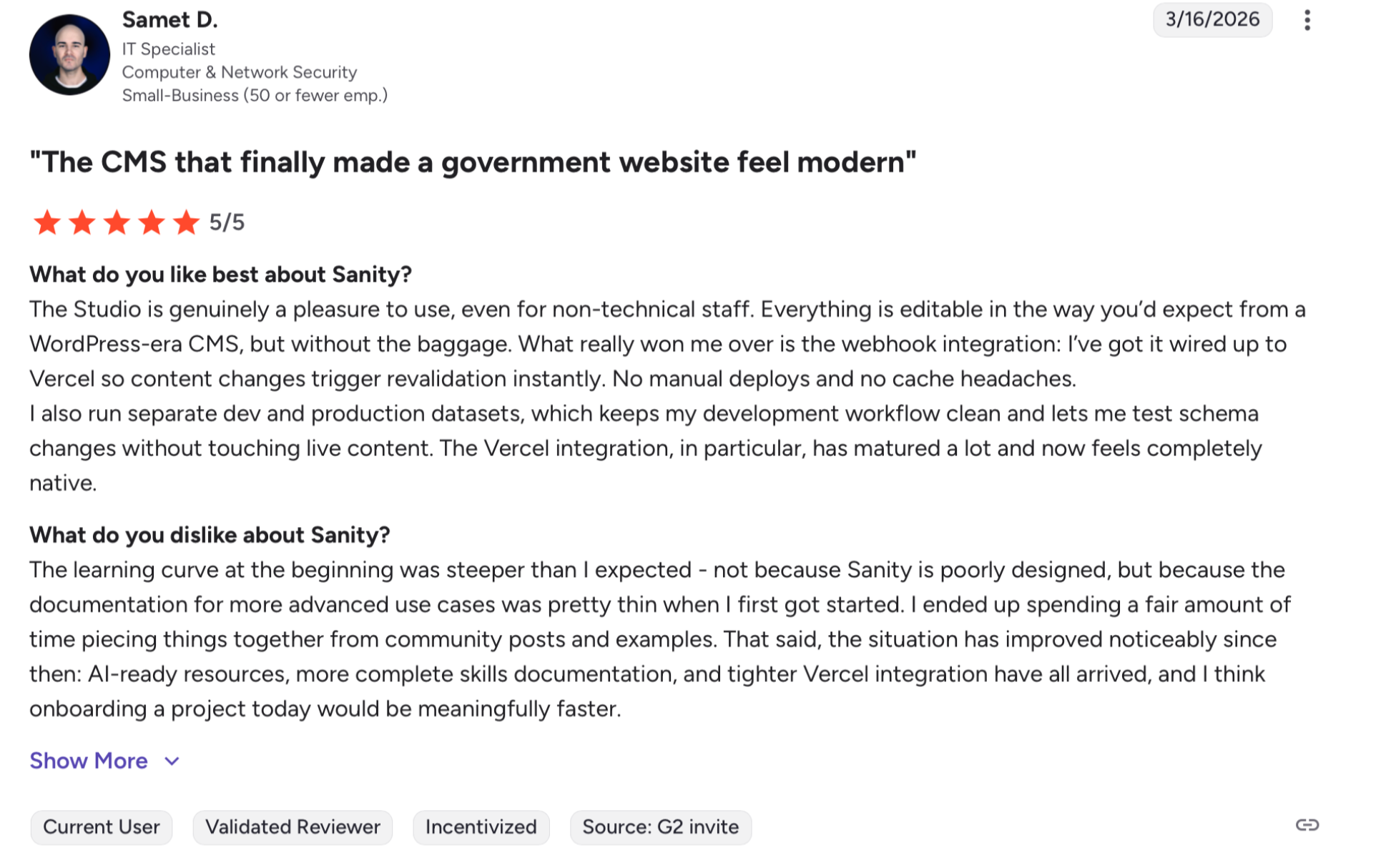
Sanity is widely considered one of the best headless CMS platforms for modern frameworks, especially Next.js. Its biggest strength lies in its flexible schema system and real-time collaboration features, which make it feel more like a live content database than a traditional CMS.
For Next.js and Astro projects, Sanity integrates extremely well thanks to its support for real-time updates, preview mode, and API-driven content delivery. Developers can define exactly how content is structured, which is critical when building dynamic applications.
According to industry comparisons, Sanity stands out for its custom schema builder and strong API capabilities, making it ideal for projects with complex data needs.
Reviews
Developers consistently recommend Sanity for flexibility. One common sentiment is that it allows you to “model anything,” which is a huge advantage for custom builds.
Final Take
Sanity is best for teams that want maximum flexibility, real-time collaboration, and strong integration with modern frameworks.
4. Ghost
Founder
Ghost was founded by John O’Nolan.
Overview & Review
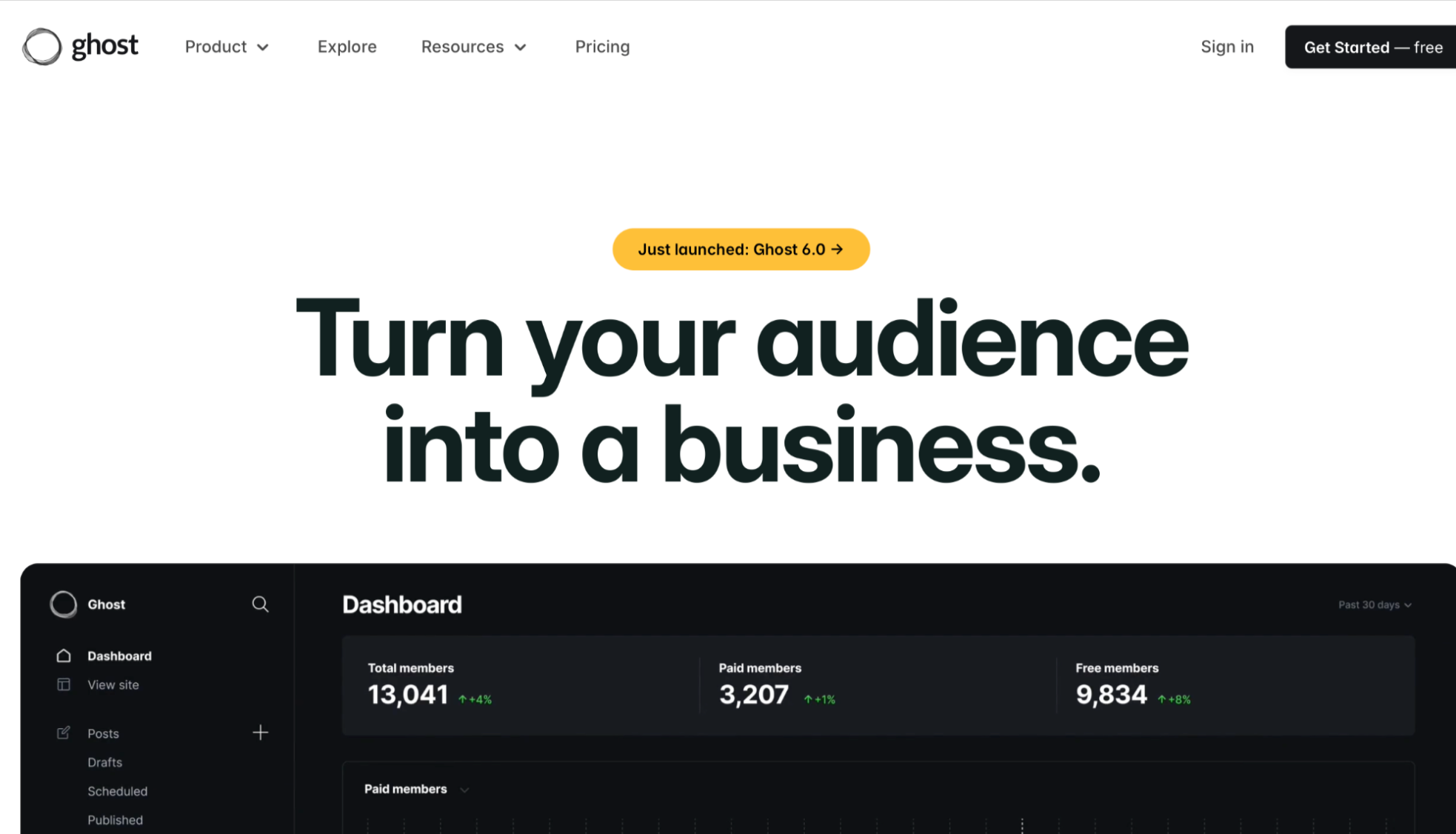
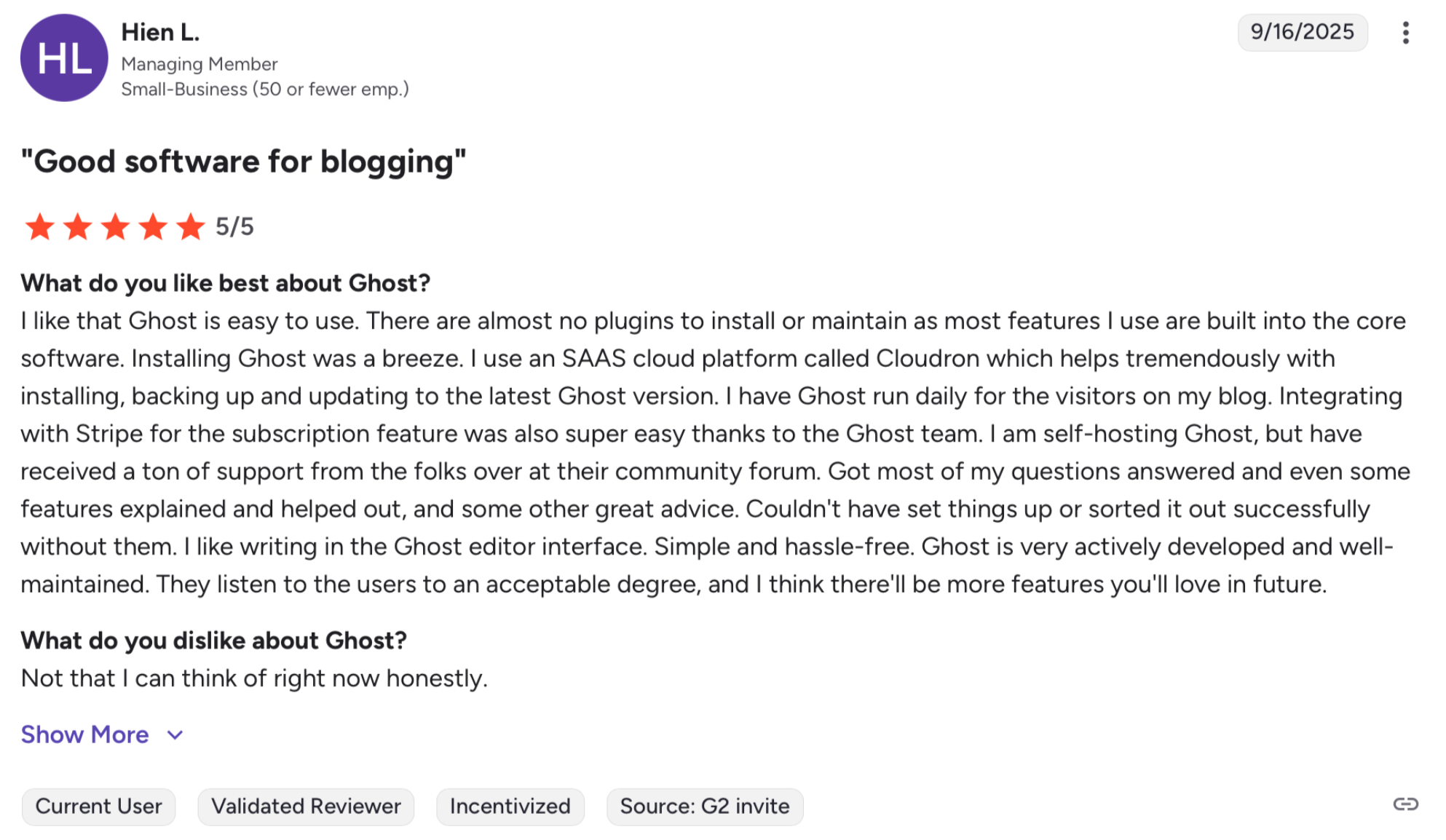
Ghost is a content-first, API-driven CMS designed primarily for publishing. Unlike other headless CMS platforms focused on flexibility, Ghost focuses on delivering a best-in-class writing and editorial experience.
It’s widely used for blogs, newsletters, and media platforms, with built-in features like memberships, subscriptions, and SEO optimization.
While it doesn’t offer the same level of backend customization as Strapi or Payload, it excels in simplicity and performance for content-heavy use cases.
Key Strengths
-
Excellent writing and editorial experience
-
Built-in SEO and publishing tools
-
Memberships and subscription support
-
Clean and fast API
-
Optimized for content platforms
Why It Stands Out
Ghost is not trying to be everything—it’s designed to be the best publishing platform, and it delivers exceptionally well in that niche.
Summary
Best for blogs, media platforms, and content-driven websites that prioritize publishing experience over backend complexity.
5. Shopify
Founders
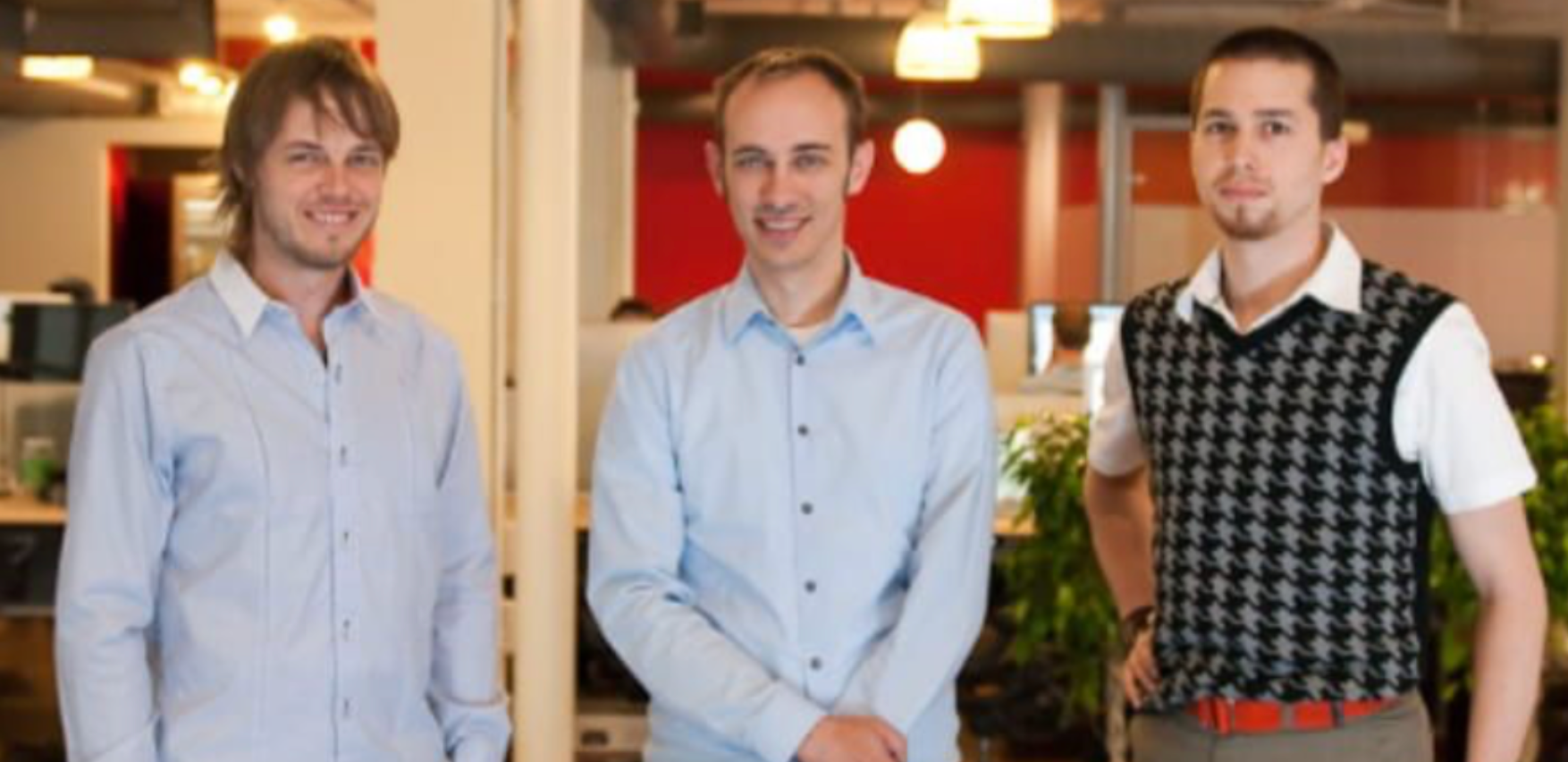
Shopify was founded by Tobias Lütke, Daniel Weinand, and Scott Lake.
Overview & Review
If your primary goal is eCommerce, Shopify is a far better option than Wix. While Wix does offer online store features, Shopify is built entirely around selling, making it significantly more powerful for inventory management, payments, and scaling.
Businesses that start on Wix often migrate to Shopify once they begin growing, mainly because Shopify handles complex commerce workflows much more efficiently.
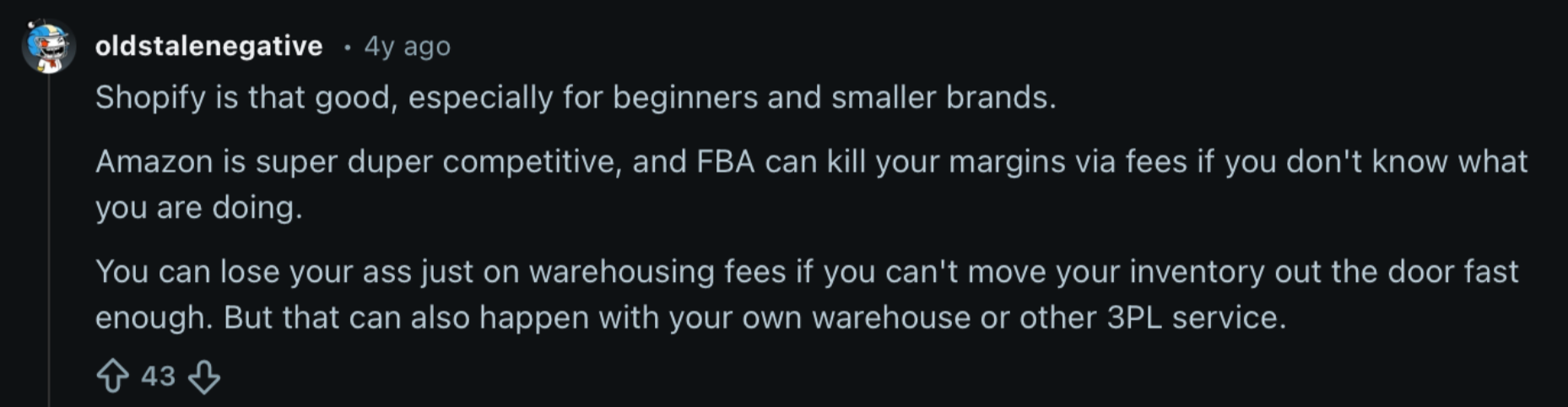
Reddit Insight
Shopify is consistently recommended for serious eCommerce businesses over Wix.
Final Take
Shopify is the best choice if your focus is building and scaling an online store.
6. Contentful
Founders
Contentful was founded by Sascha Konietzke and Paolo Negri, with the goal of creating a fully API-driven content infrastructure for modern digital products.

Overview & Review
Contentful is widely considered one of the most mature headless CMS platforms available today. Unlike Umbraco, which still carries elements of a traditional CMS, Contentful is built entirely around APIs, making it extremely powerful for omnichannel content delivery.
From a practical standpoint, teams that switch from Umbraco to Contentful often do so because they need a system that can scale across multiple platforms without being tightly coupled to a frontend. Contentful excels in enterprise environments where content needs to be reused across websites, mobile apps, and internal tools.
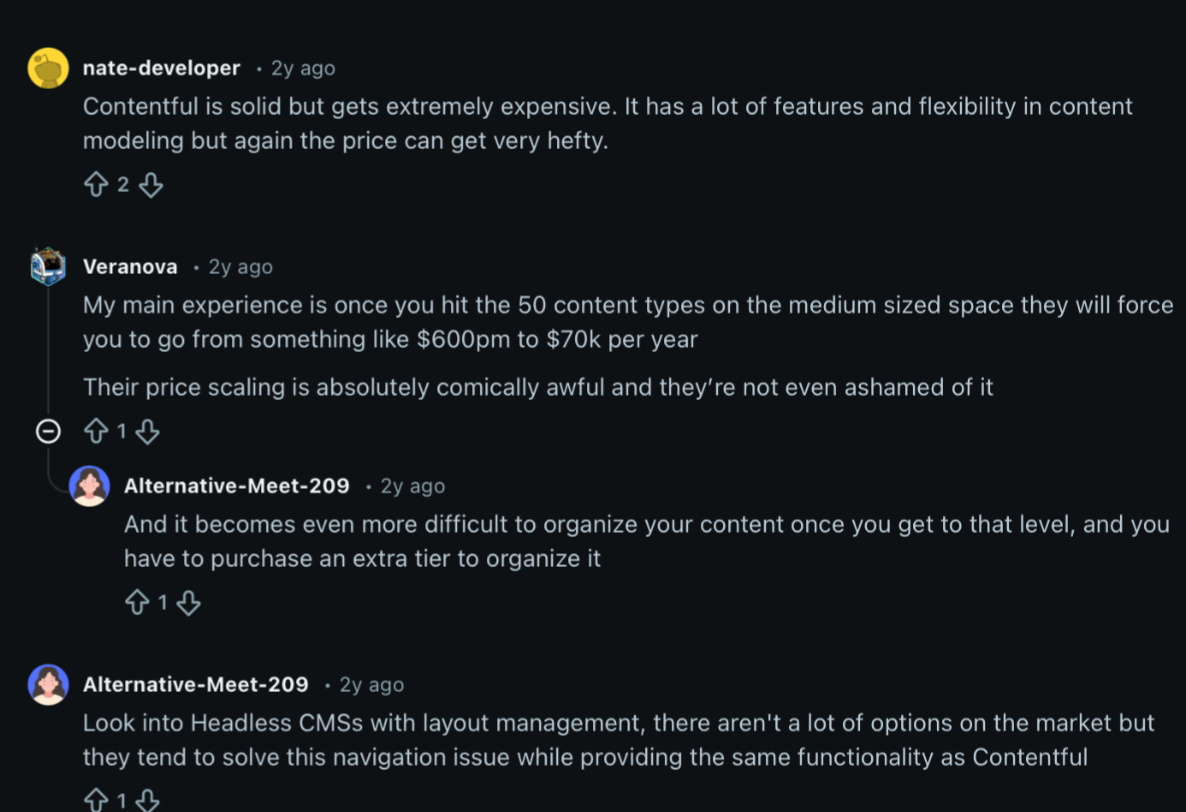
That said, the platform comes with a noticeable trade-off—pricing. Many users point out that while the capabilities are excellent, costs can rise quickly as your usage scales.
Reddit Insight
Across developer discussions, Contentful is often praised for its robustness but criticized for cost. A common sentiment is that it’s “incredibly powerful, but you need budget to unlock its full potential.”
Final Take
Contentful is best suited for companies that are serious about composable architecture and long-term scalability, especially at an enterprise level.
What Developers Say
Across developer communities:
-
WordPress is still powerful but often feels outdated for modern stacks
-
Plugin dependency is a major issue
-
Many teams are moving toward headless CMS or no-code builders
One common takeaway:
“WordPress can do everything… but that’s also the problem.”
Final Verdict
WordPress is still relevant—but it’s no longer the default choice in 2026.
If you’re choosing an alternative, it depends on your goals:
-
Want design simplicity → Webflow
-
Want modern architecture → Strapi / Sanity
-
Want publishing → Ghost
-
Want eCommerce → Shopify
-
Want enterprise scalability → Contentful
The bigger shift is clear:
The future is moving toward headless, composable, and no-code ecosystems rather than traditional CMS platforms.
Struggling to choose the right Headless CMS & Headless Commerce tech stack? We’ll help you pick the best solution for your business! Exclusive Offer: 20 Hours of Free Development & Consultation
Book a MeetingFrequently Asked Questions
Top alternatives include Webflow, Strapi, Sanity, Ghost, Shopify, and Contentful. Each platform serves different needs such as design, headless architecture, publishing, eCommerce, and enterprise scalability.
Users often switch due to performance issues, heavy reliance on plugins, high maintenance, and difficulty scaling for modern applications.
Webflow and Shopify are great for beginners due to their ease of use and low maintenance, while platforms like Strapi and Sanity are better suited for developers.