Best Way To Improve Online Luggage Stores' Conversion Rate
Introduction
This article is for online store owners and eCommerce teams who want to create a high-performing luggage website that not only looks great but truly converts visitors into buyers. We’ll explore ten key strategies that focus on design, content, speed, personalization, and customer experience. You’ll learn how to build your store on a strong digital foundation, manage content effectively, and create a smooth shopping journey from start to finish. Each idea is built to help you improve sales, build trust, and achieve long-term growth turning your website into a powerful revenue engine.
1. Foundation with a Custom Storefront Using a Leading Framework
Think of your online luggage store as your brand’s front door. It should feel strong, welcoming, and built to last. A modern web framework gives you that foundation through fast loading, smooth navigation, and flexibility to grow over time. This technology is trusted by top ecommerce brands such as Nike, TikTok Shop, Shopify Hydrogen, and Uber Eats, all of which rely on it to deliver seamless customer experiences. Research shows that more than 14,000 ecommerce stores in the United States use this kind of setup, and globally it powers over 3 percent of leading websites, proving its strength, speed, and scalability.
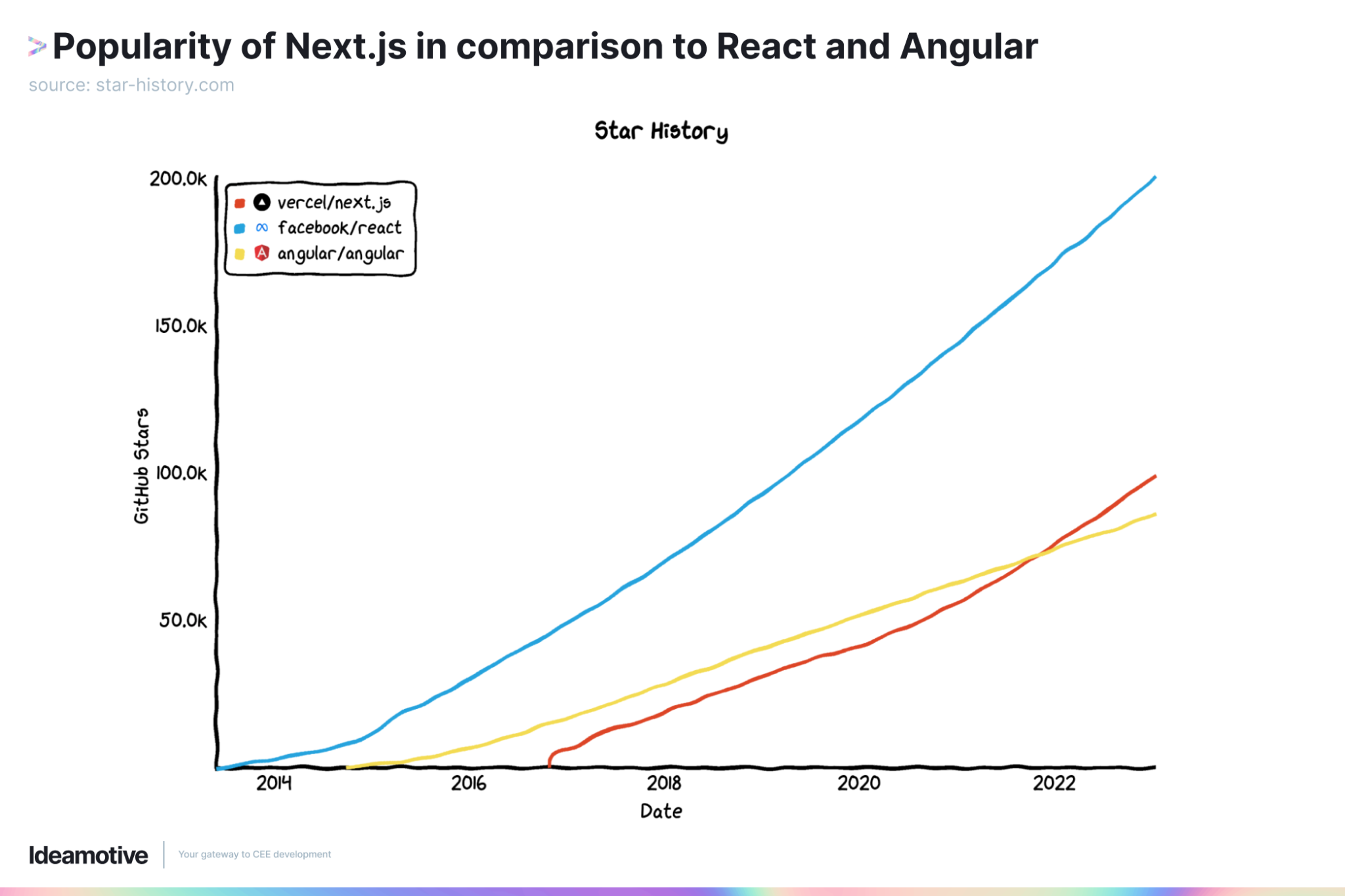
2. Content Management with a Headless CMS
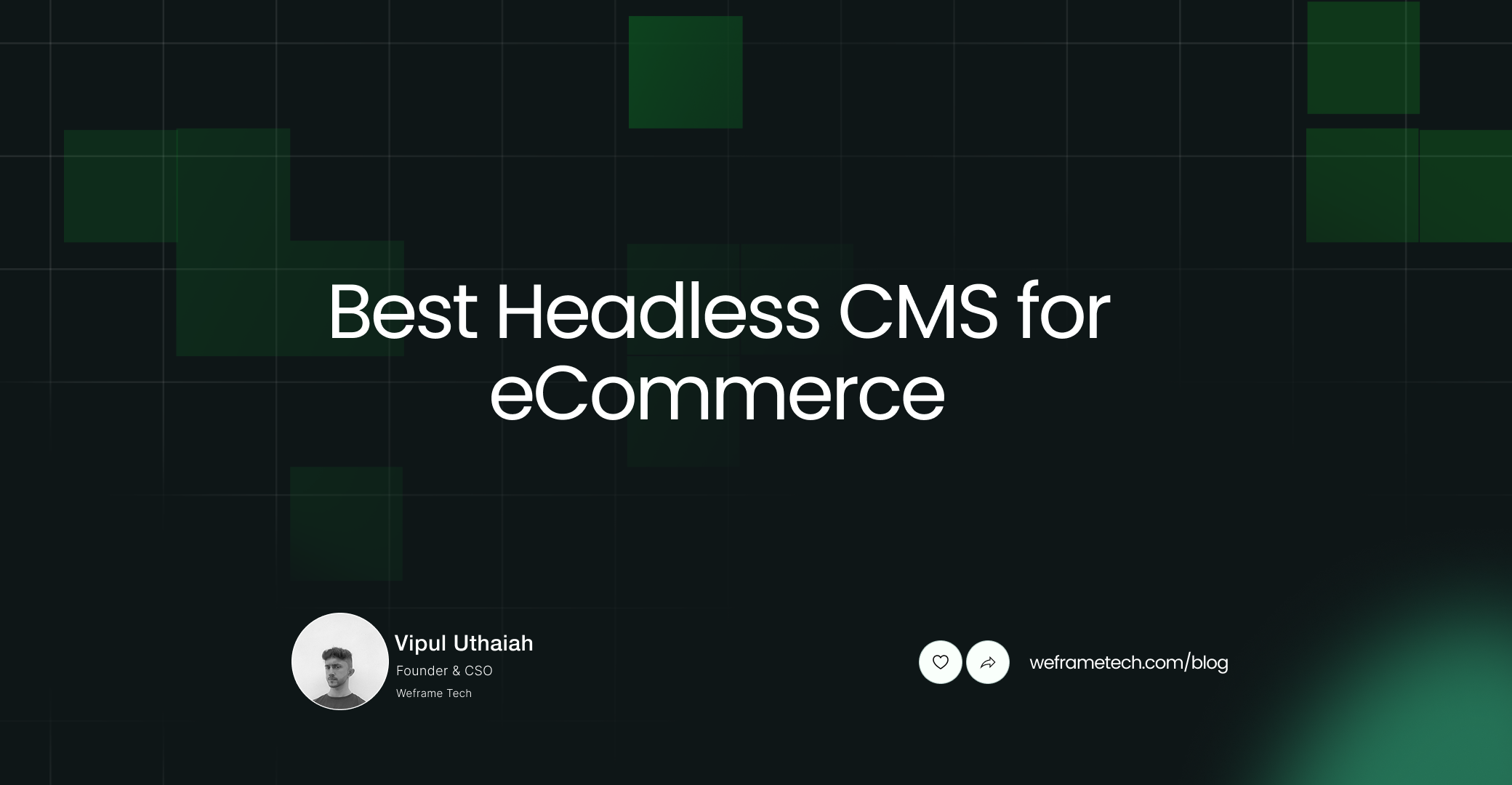
A powerful content system is like having a well-organized warehouse for your brand stories, product images, and updates. A headless CMS separates how your site looks from how your content is stored, making it easier for teams to edit without touching the code. Leading solutions such as Sanity CMS, Contentful, and Strapi are trusted by top companies like Nike, Spotify, and Conde Nast for their flexibility and real-time collaboration. This setup keeps your store fast, consistent, and easy to scale. When your content management is effortless, your brand can focus on creativity and customer connection instead of maintenance.
Discover how the right headless CMS can transform your eCommerce brand improving customer experience, driving higher conversions, enabling better storytelling, and powering a faster storefront. Explore our dedicated article to see how to implement it seamlessly into your current store.
Read
3. Design Like a System, Not a Sketch
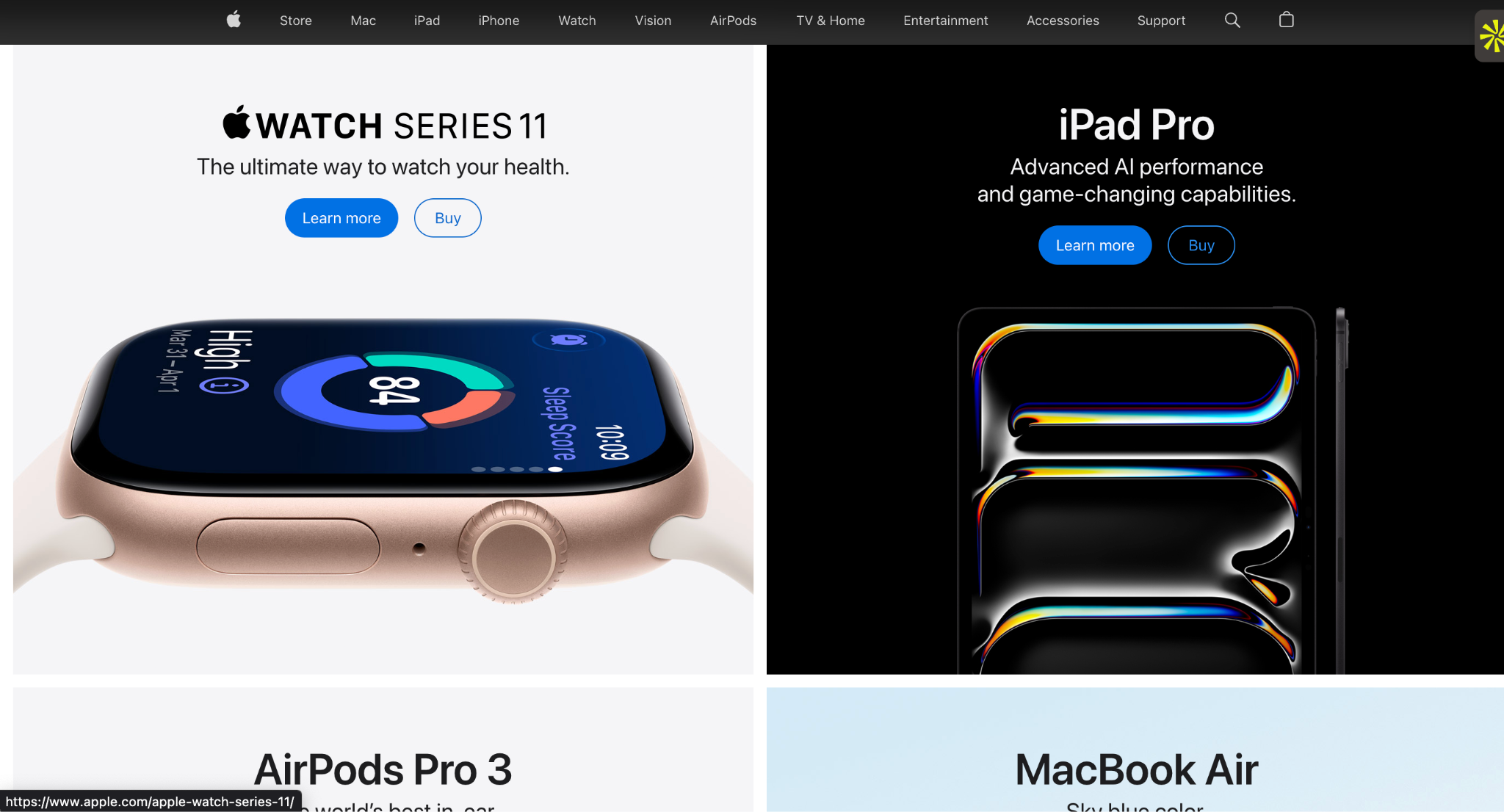
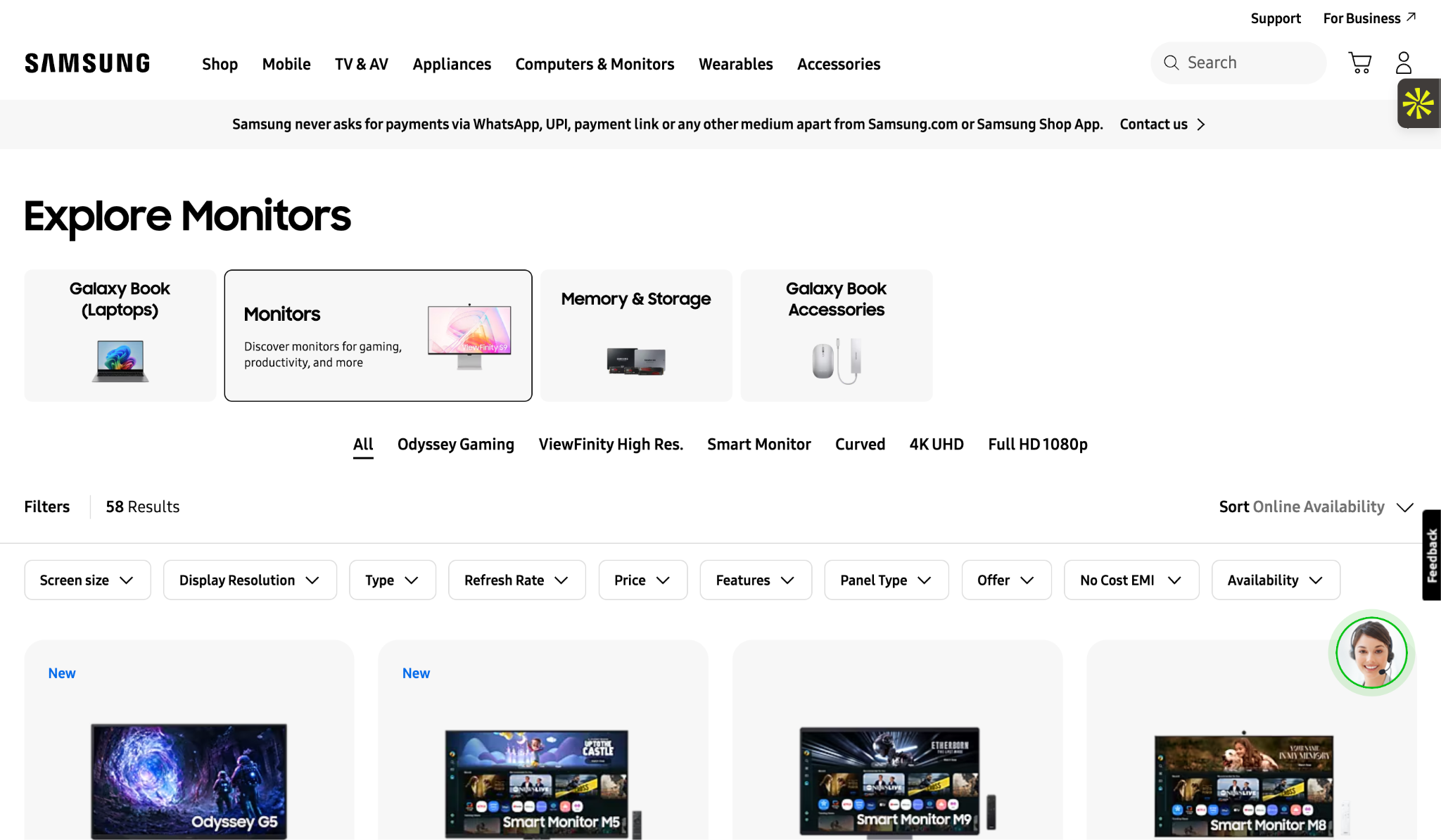
Every part of your store from the add-to-cart button to the product gallery should fit together like a set of matching luggage. A component-based design system helps you keep consistency while saving development time. Instead of rebuilding elements for every page, you reuse proven pieces that already work. Global brands such as Airbnb and NIke , Samsung rely on this method to keep their sites beautiful and fast. A clear design language also builds brand memory; customers recognize your visual style immediately. A consistent look makes your store feel professional, trustworthy, and easy to navigate from start to finish
4. Help Shoppers Choose the Right Fit
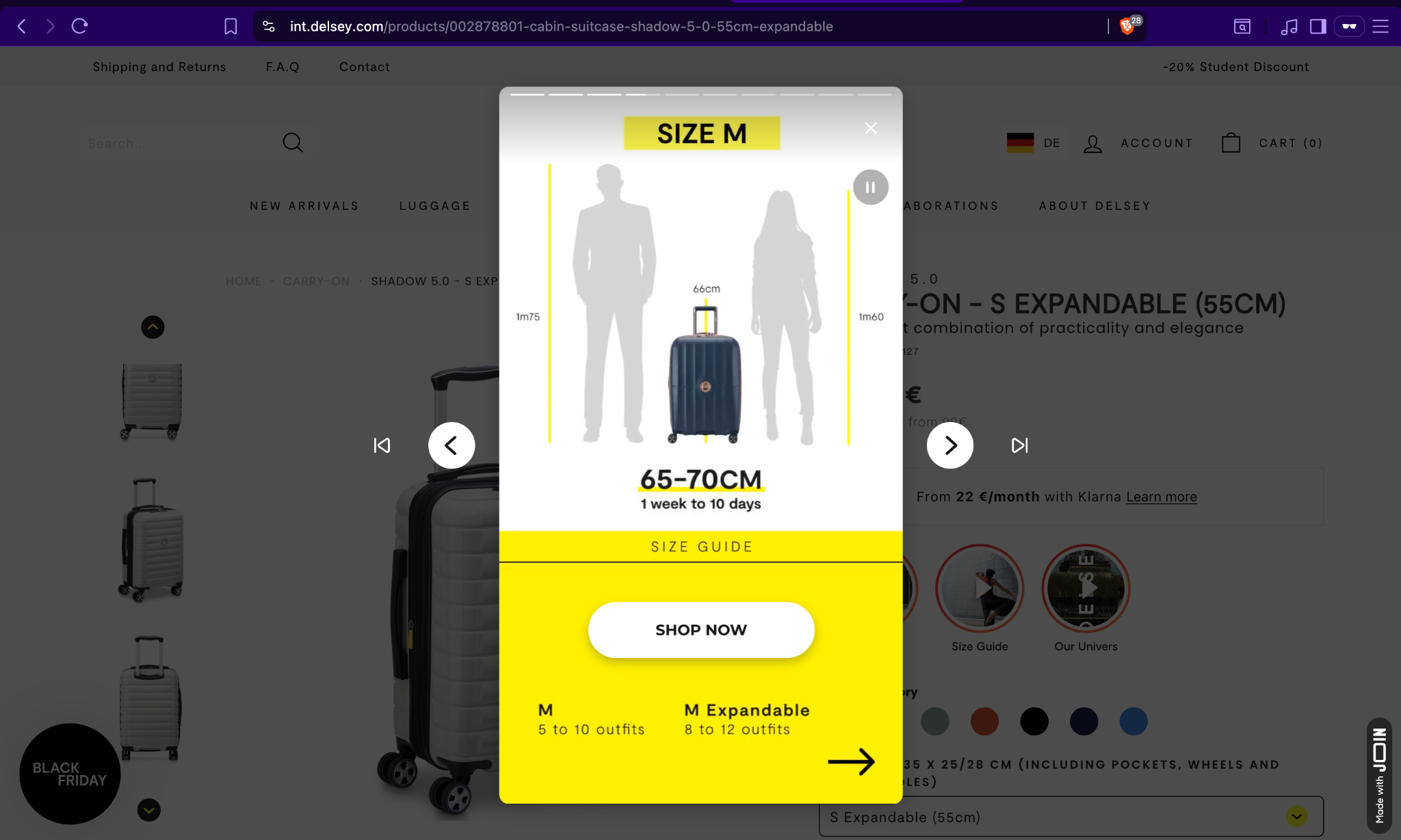
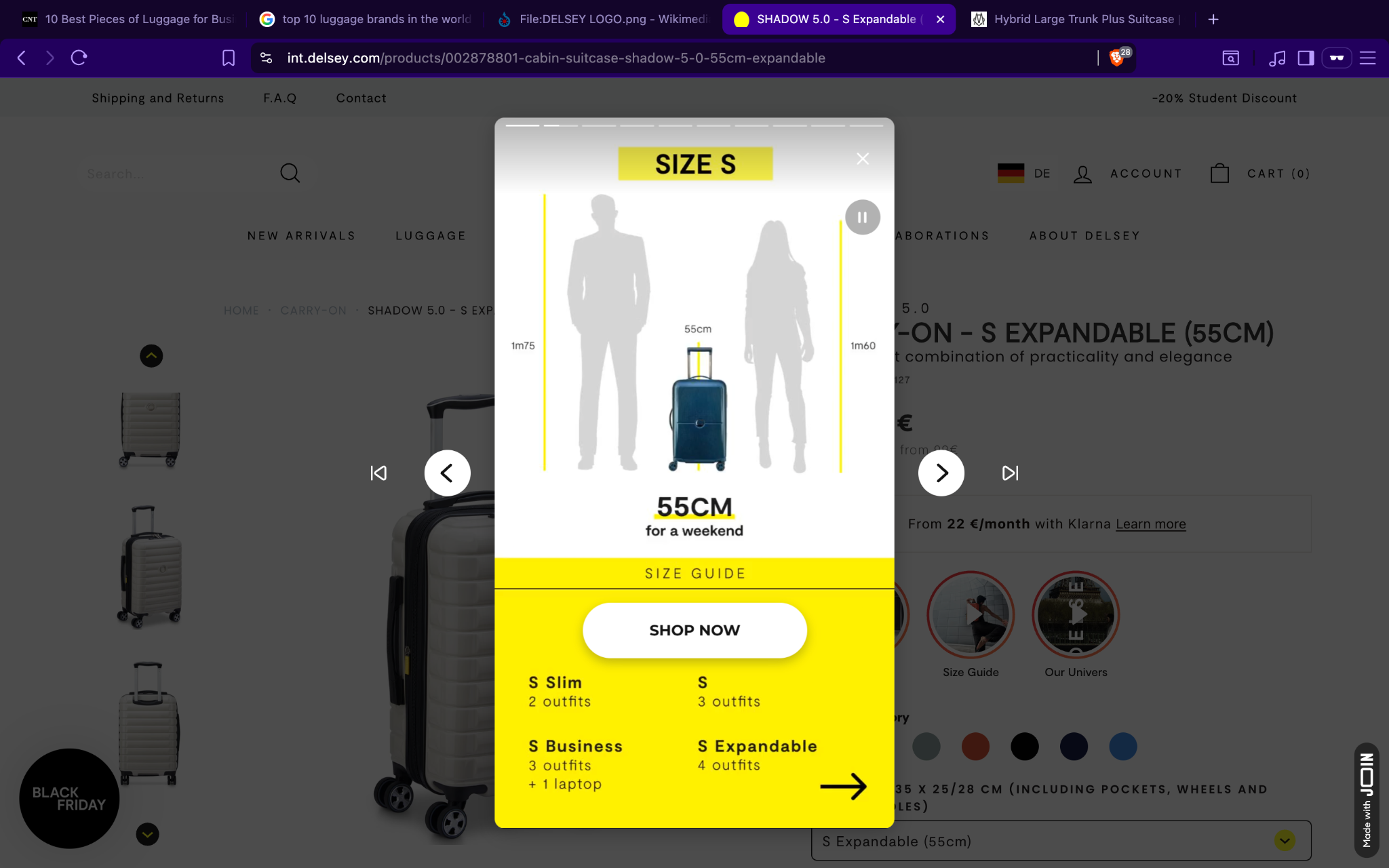
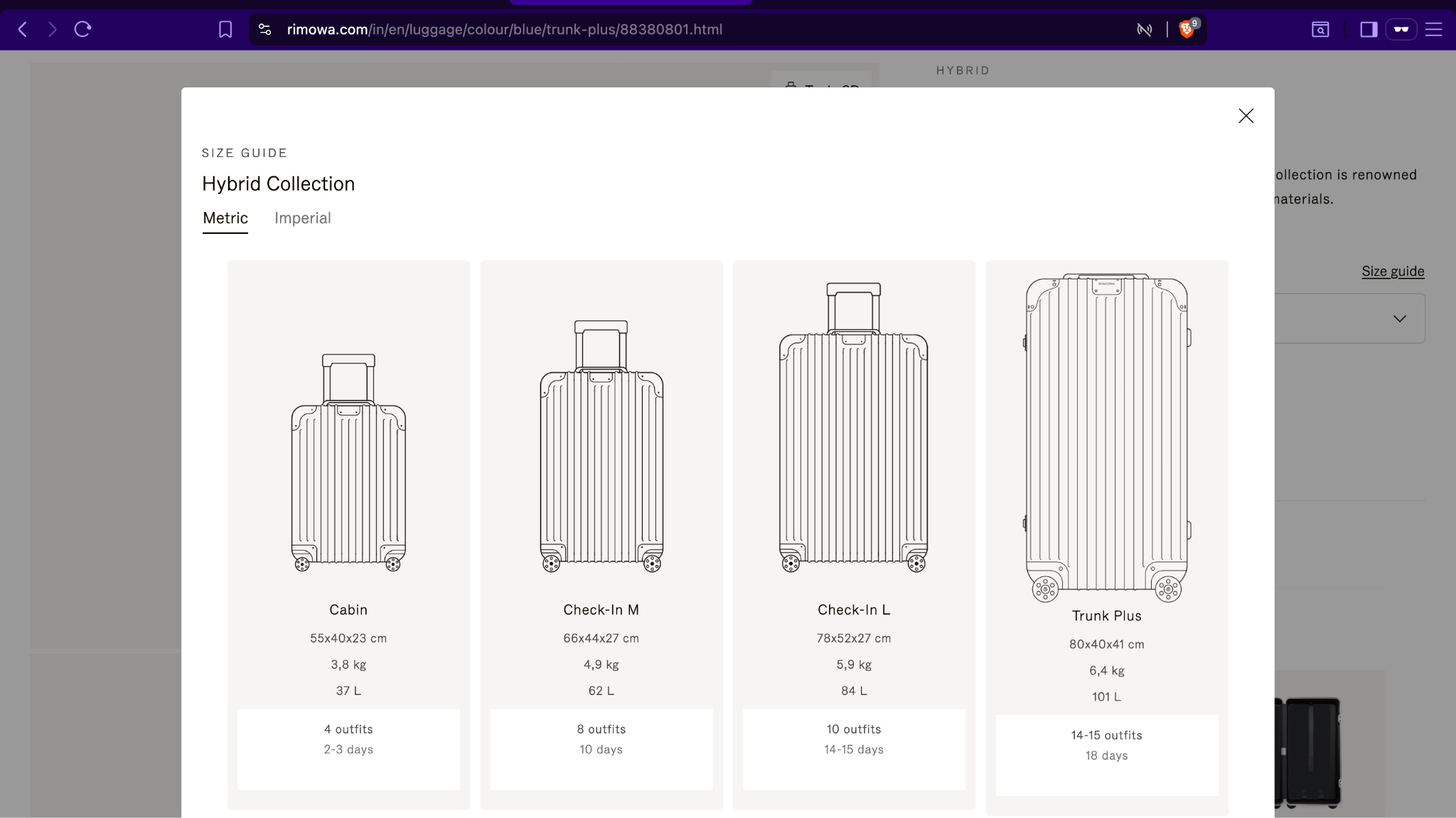
When people buy luggage online, they often wonder how big or small it really is. Showing clear visuals and size comparisons helps remove that doubt. Include line drawings that display height, width, and depth, and add photos of the product beside everyday objects like car trunks or airplane cabins. Use simple tags such as “packs for seven days” or “carry-on approved” to guide quick decisions. Calpak does this beautifully by displaying detailed sizing illustrations and short feature videos. The more accurately you help shoppers picture the fit, the faster they feel confident to complete their purchase.
5. Tell the Story Behind the Material
Travelers want luggage that lasts through many journeys, not just one vacation. This is where storytelling around material quality makes all the difference. Explain what makes your products strong, light, or scratch resistant. Use close-up visuals, short clips, or small stories about your manufacturing process. Mention details such as the number of durability tests or materials like recycled polycarbonate. Away, for instance, uses storytelling to highlight why their luggage stands out from competitors. When customers understand what makes a product premium, they see the higher price as fair value and are more willing to buy.
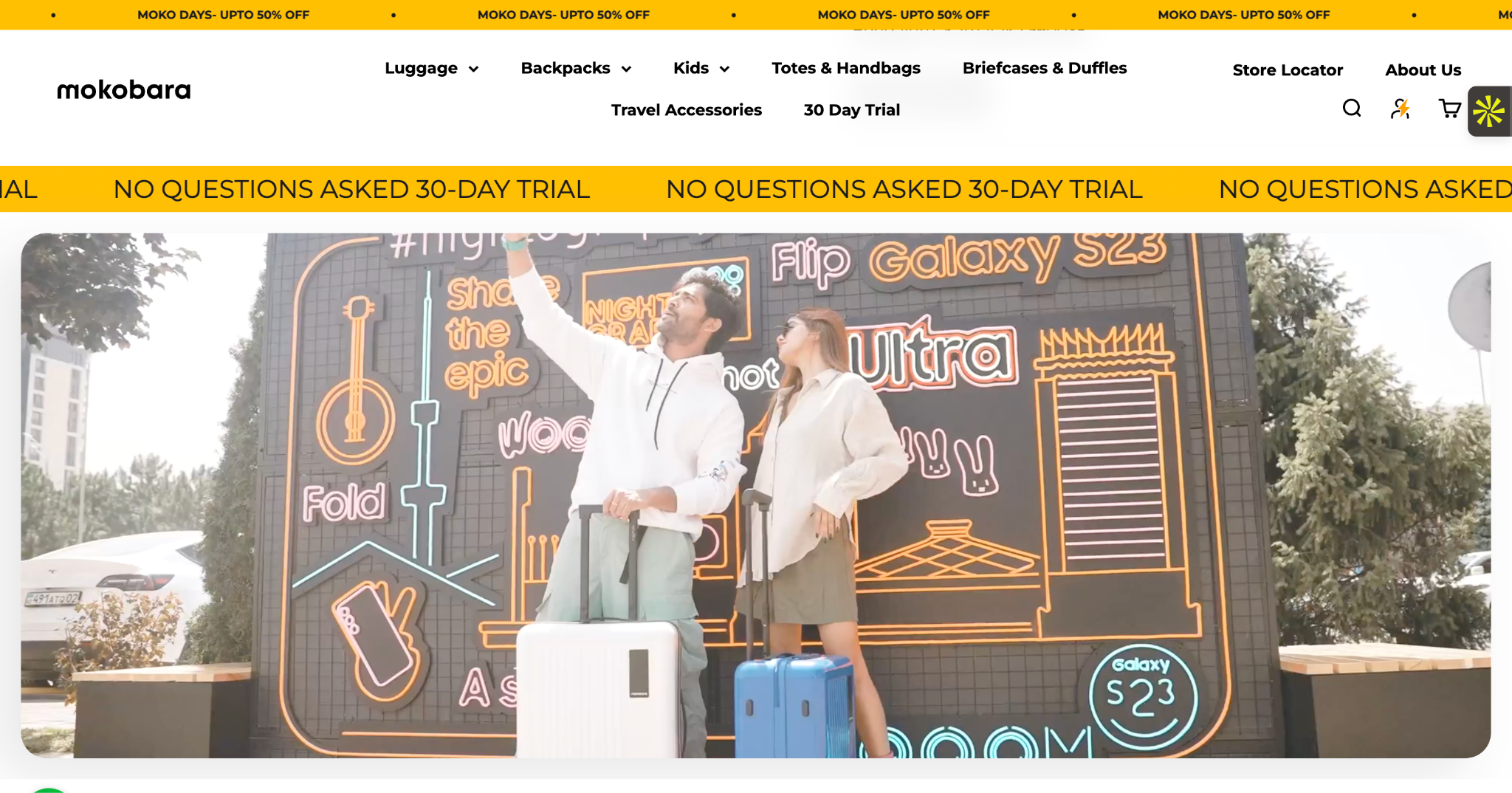
https://mokobara.com/products/the-transit-luggage-set-of-3
 6. Create Bundles That Make Sense
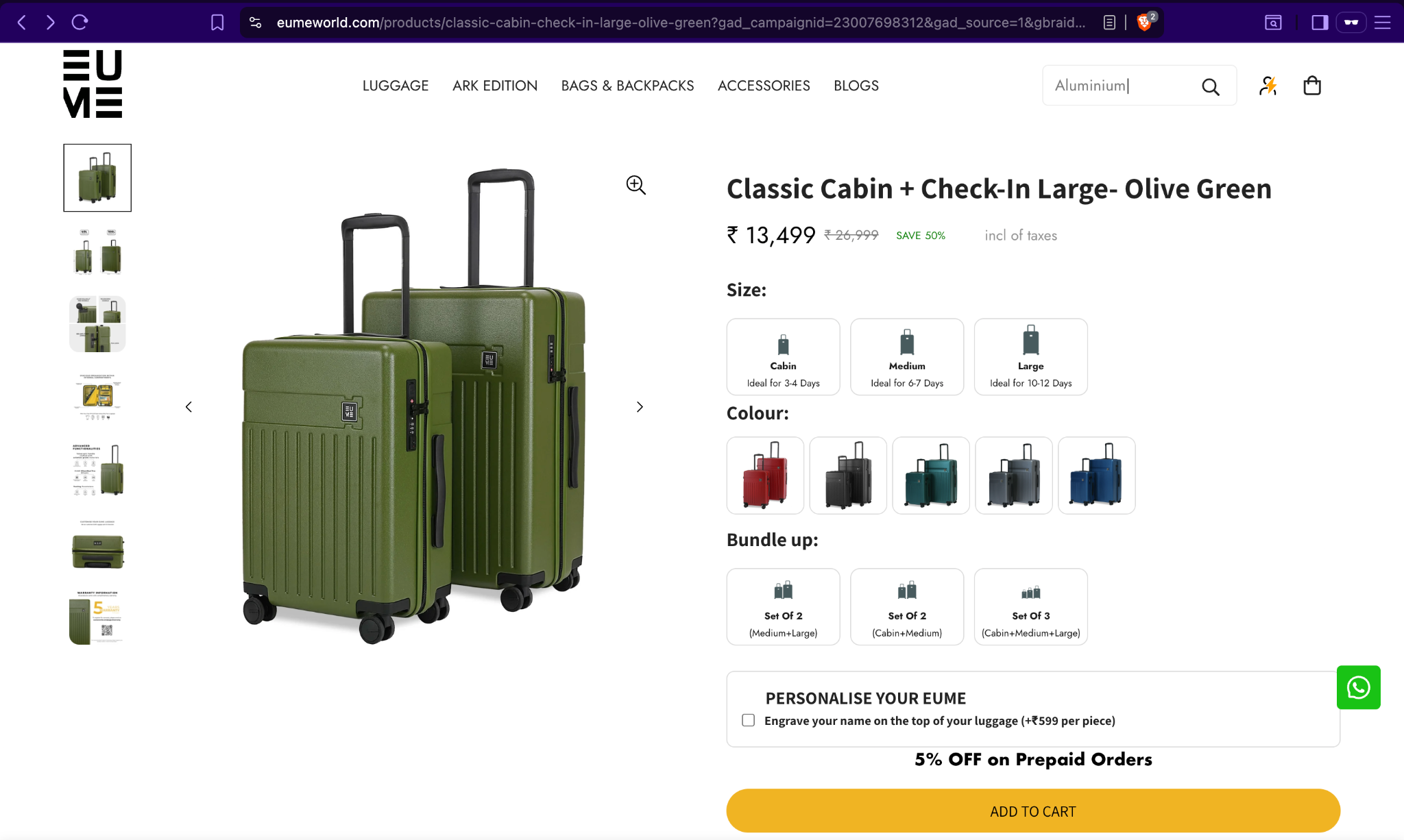
Frequent travelers often look for convenience, not just discounts. Smart bundling helps them find complete travel solutions while increasing your average order value. Offer ready-to-go sets for weekend flyers or long-distance travelers and include items that complement each other. Brands like July allow shoppers to mix and match styles and colors to create personalized sets, adding an incentive through dynamic pricing. Focus on utility rather than just savings so buyers see the practical benefit of each bundle. A well-thought-out bundle feels like a curated travel kit, making purchasing easier and more appealing for every type of traveler.
 7. Encourage Upgrades for Long-Term Value
Travelers often look for ways to improve their gear, so offering easy upgrades can increase both satisfaction and sales. Give shoppers the choice to add extended warranties, premium materials, or advanced features at checkout. You can also run trade-in programs that let customers exchange old luggage for newer models. Brands like Monos make upgrades simple by clearly showing the benefits and providing support through chat. When upgrades feel effortless and meaningful, shoppers perceive your store as caring and trustworthy. This strategy builds loyalty, increases order value, and keeps your customers returning for better versions over time.
8. Use Live Chat to Compare and Guide
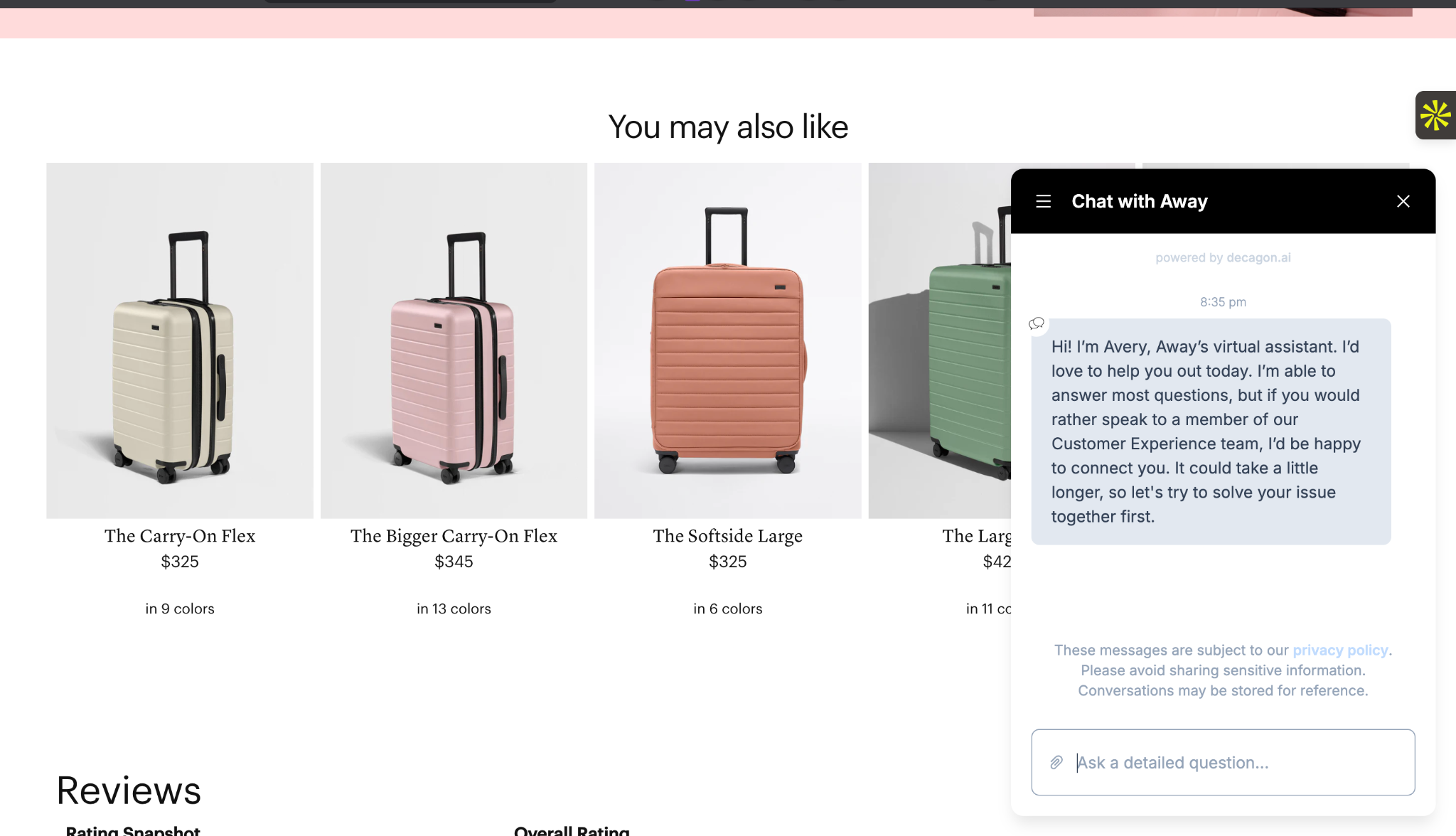
Buying luggage online involves choices between sizes, styles, and prices, which can sometimes overwhelm shoppers. Live chat can act like an in-store assistant that compares options and answers questions instantly. Equip your chat system with clear product details, visuals, and recommendations. Encourage shoppers to ask questions like “Which bag fits best for a 10-day trip?” so the conversation feels personal and helpful. The brand Roam uses this approach to great effect, helping customers decide quickly. When chat guidance feels human and informative, visitors gain confidence and are far more likely to complete a purchase.
9. Deliver Service Beyond the Sale
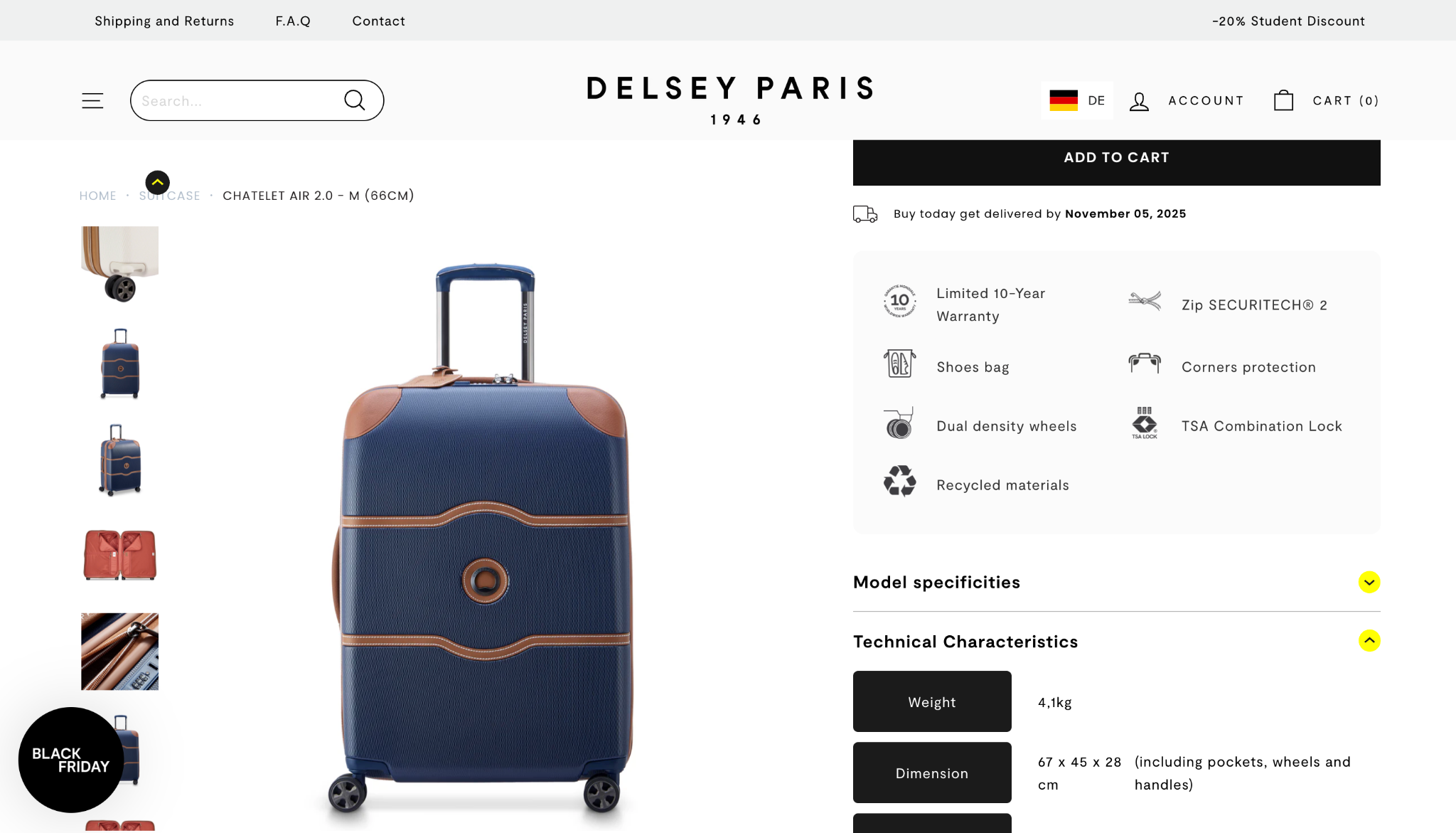
The customer experience should not stop after payment. Travelers often feel anxious about delivery or repairs, so good post-purchase service creates lasting trust. Provide real-time tracking updates and short reassurance messages such as “Your order is being quality checked.” Add an easy-to-access help center and a clear progress bar showing every delivery stage. Brands like Delsey use this system to give buyers confidence even after checkout. When customers know your brand will support them if issues arise, they not only return for future purchases but also recommend your store to others.
10. Create Buyer Guides That Solve Real Problems
A great buyer guide does more than describe products; it helps shoppers solve travel challenges. Offer simple, useful advice such as how to pack efficiently or how to choose luggage for different trip lengths. Include visuals, packing tips, and stories from real customers who use your products. TUMI, for example, publishes airline carry-on charts and travel recommendations that position the brand as a trusted advisor. When your content helps customers make better choices, it builds credibility and reduces hesitation. Buyers start seeing your store as a travel partner rather than just another place to shop.
Looking to boost conversions, upgrade to Shopify Plus, or add a headless CMS to your current Shopify store? Read our detailed article to understand the full cost and benefits
Read here
11. Create Seasonal Collections That Inspire Gifting
Luggage often makes a thoughtful gift, and seasonal collections can turn that idea into real sales. Design pages that showcase curated gift sets for occasions like holidays, graduations, or business trips. Highlight products that are ready to ship and easy to personalize with initials or color choices. Show clear delivery timelines to help last-minute shoppers make quick decisions. Brands such as Level8 use this method to create excitement during peak gifting seasons. When your store presents luggage as a perfect, ready-to-give product, it attracts both regular buyers and new visitors looking for meaningful presents.
 12. Suggest Add-Ons That Enhance the Experience
Upselling and cross-selling work best when they add real value, not clutter. Recommend items that naturally pair with the shopper’s choice, like packing cubes, TSA locks, or travel organizers. Present them as part of a single package with a clear price difference instead of separate products. Solgaard uses this strategy effectively by showing compatible add-ons right on the product page. When suggestions are practical and timed well, shoppers see them as helpful tips, not sales pressure. This approach increases the total order value while improving the buyer’s overall travel experience with your brand.
13. Announce New Launches Through Storytelling
When you release new products, make them feel like events, not updates. Create blog articles or landing pages that share the inspiration, design process, and materials behind each launch. Add 360-degree product views, behind-the-scenes videos, and early user photos to make the story come alive. Antler, for example, uses a “What’s New” section to feature launches and highlight design choices. Including strong calls to action, such as “Shop the Collection,” helps turn curiosity into conversions. A well-told launch story not only informs but also builds anticipation and pride among returning customers.
14. Turn the Homepage into a Product Showcase
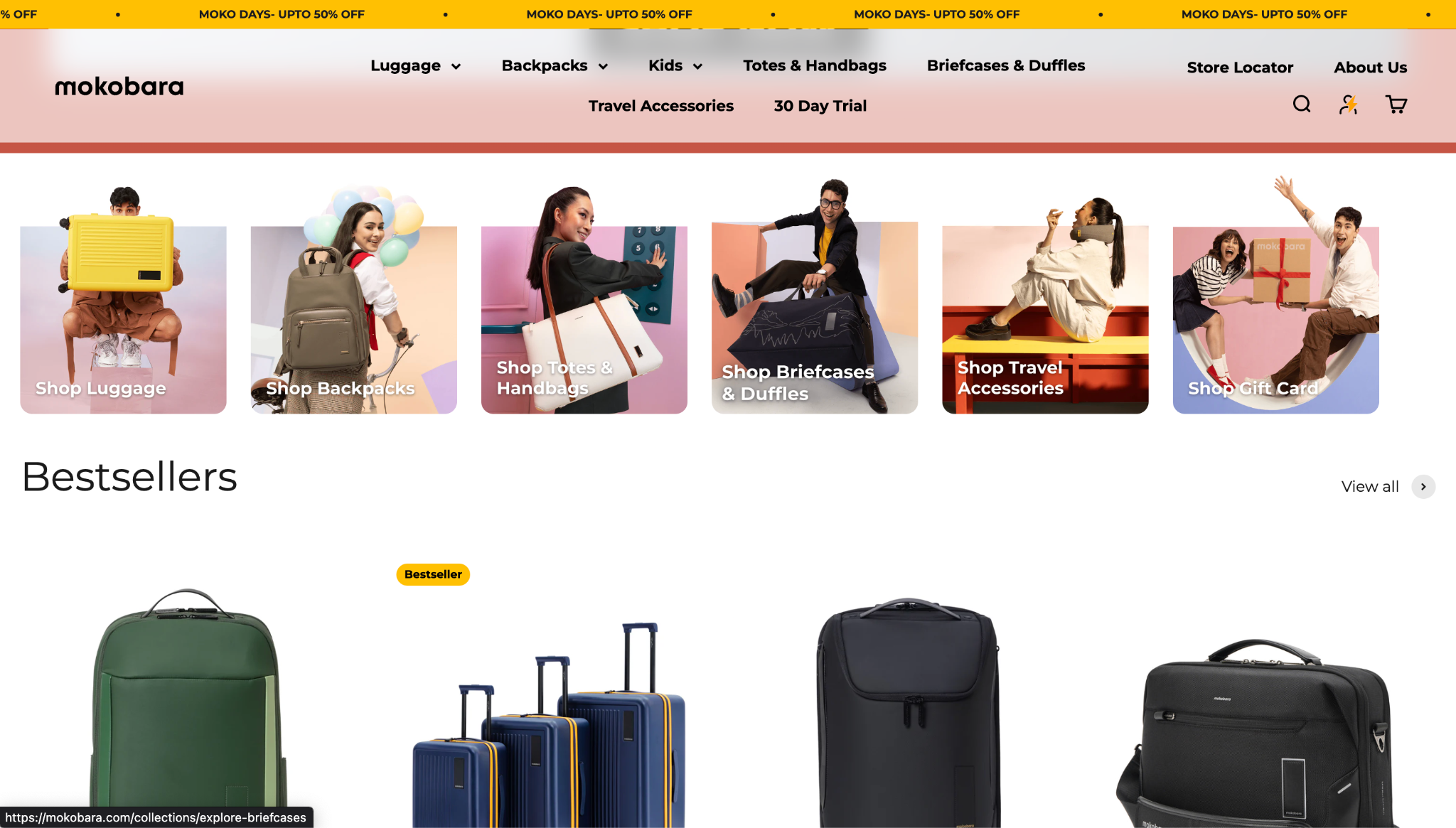
Your homepage should instantly tell visitors what your brand stands for. Focus on one or two standout products that represent your quality and design. Use bold imagery, short videos, and simple text to highlight key features like durability, warranty, or travel compatibility. Brands like Halfday use looping visuals and clean layouts to keep attention focused on their hero products. Add reviews or social proof to reinforce trust. When your homepage acts like a gallery instead of a catalog, it guides shoppers naturally toward your best-selling items and encourages faster purchase decisions.

