

Words that inspire, ideas that spark,
stories that stay
Best Page Builder Apps for Shopify (2026)
V.Srinidhi Reddy
Monday, April 20th, 20266 min read
Table of content
Best Page Builder Apps for Shopify (2026)
Introduction
Shopify has made launching an online store easier than ever.
But when it comes to building high-converting pages, the default theme editor often feels limiting.
Modern eCommerce is no longer about just having a store — it’s about creating optimized, conversion-driven experiences.
That’s where page builder apps come in.
These tools allow merchants to design landing pages, product pages, and homepages without coding, while still maintaining flexibility and performance.
In 2026, page builders are no longer optional — they are a core part of scaling a Shopify store.
QUICK LIST
PageFly, GemPages, Shogun, EComposer, LayoutHub, Zipify Pages, Shopify page builders, conversion-focused ecommerce tools, drag-and-drop Shopify builders, Shopify Plus optimization tools, landing page builders, funnel-building apps, A/B testing tools, CRO-focused ecommerce apps, no-code Shopify design tools, mobile-responsive page builders, DTC ecommerce tools, high-converting Shopify apps, ecommerce UX optimization platforms, revenue-focused Shopify solutions
TL;DR
- Best overall Shopify page builder → PageFly
- Best for funnels & conversions → GemPages
- Best enterprise solution → Shogun
- Best for beginners → EComposer
- Best for quick templates → LayoutHub
- Best for sales funnels & ROI → Zipify Pages
- Best balance of flexibility & ease → PageFly
- Biggest ecommerce trend in 2026 → Conversion-focused and optimized landing pages
Quick Comparison
|
App |
Best For |
Ease of Use |
Flexibility |
Performance |
|
PageFly |
Landing pages |
Very High |
High |
High |
|
GemPages |
Funnels |
High |
High |
Medium–High |
|
Shogun |
Enterprise |
Medium |
Very High |
High |
|
EComposer |
Beginners |
Very High |
Medium |
High |
|
LayoutHub |
Templates |
Very High |
Low |
Medium |
|
Zipify Pages |
Sales funnels |
High |
Medium |
High |
1. PageFly
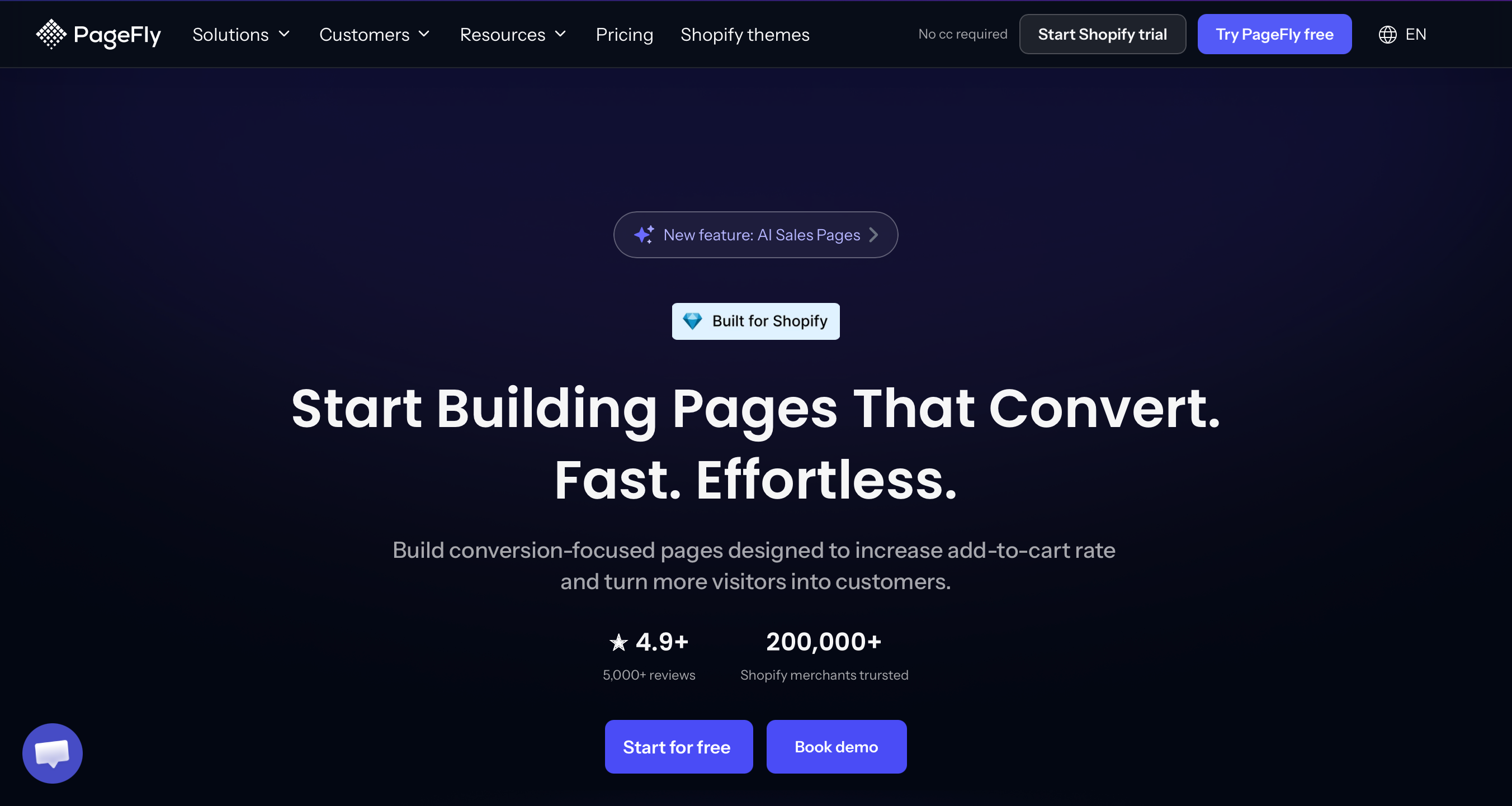
PageFly is one of the most widely used page builder apps on Shopify, designed to help merchants create high-converting pages without coding.
It is especially popular among small to mid-sized brands that want flexibility without hiring developers. PageFly offers a drag-and-drop editor, a large template library, and strong integrations, making it a well-rounded solution for building landing pages, product pages, and homepages.
Over time, PageFly has positioned itself as a go-to tool for merchants who want control over design while maintaining ease of use.
Developer & Integration Ecosystem
PageFly integrates seamlessly with Shopify apps, marketing tools, and analytics platforms. While not open source, it offers a strong ecosystem for merchants.
Core Features
-
Drag-and-drop builder
-
Mobile responsive design
-
Template library
-
Third-party integrations
-
SEO optimization
Clients
Used by DTC brands, dropshipping stores, and growing Shopify businesses worldwide.
Review
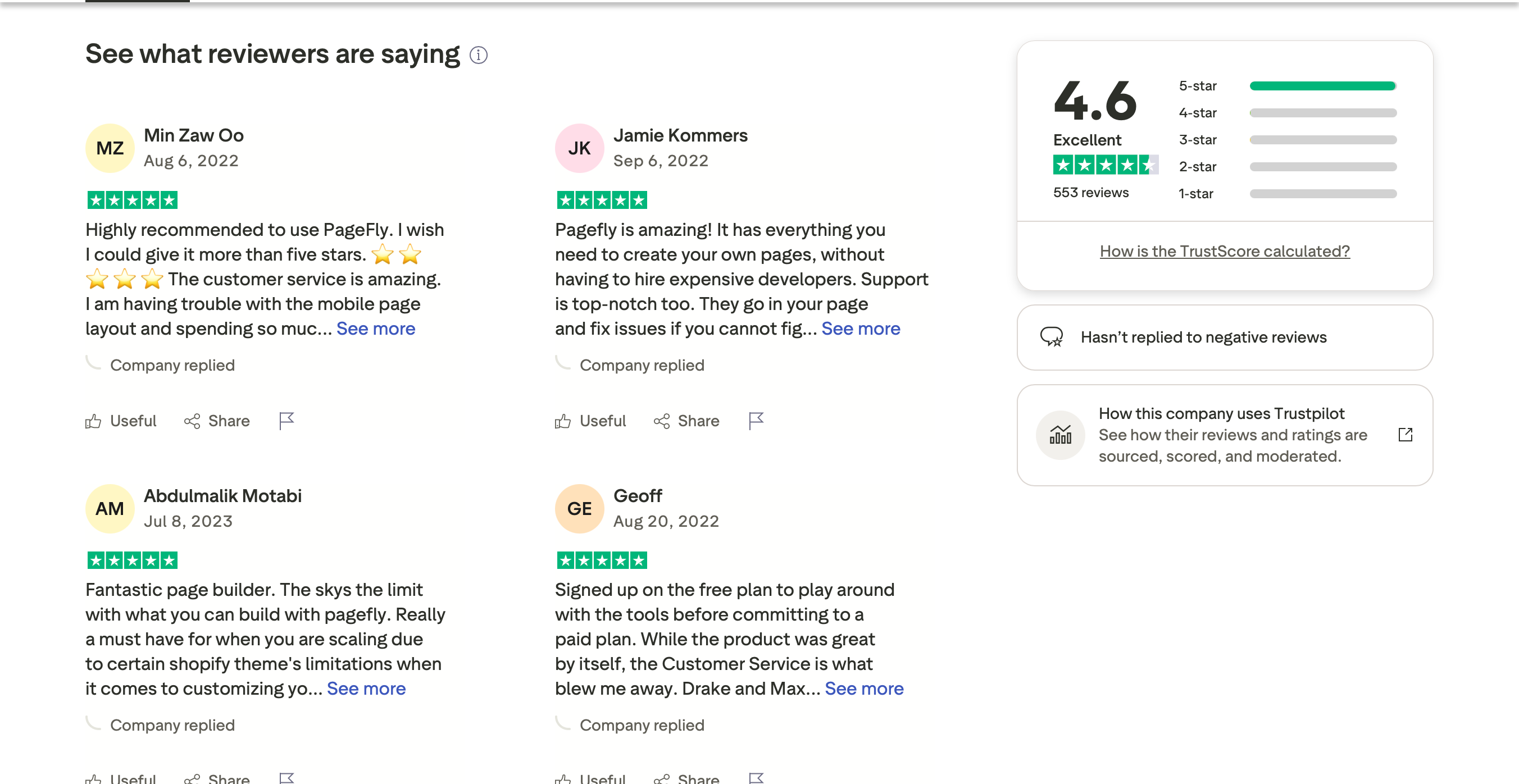
PageFly users tend to focus a lot on flexibility and value. Many say it’s a “must-have” when Shopify themes start feeling limiting, especially as stores begin to scale.
A common theme is how it removes the need for developers. Users often mention that they can build pages themselves without spending extra money, which makes a big difference for growing businesses.
Support is another big highlight. Words like “amazing” and “top-notch” come up frequently, especially when users run into issues and get quick help.
That said, a few users mention challenges with mobile layouts or spending extra time tweaking designs but even then, they still strongly recommend the tool.
Pros
-
Beginner-friendly
-
Flexible customization
-
Strong integrations
-
Free plan available
Cons
-
Can slow down with heavy designs
-
Limited enterprise-level features
Summary
PageFly is best suited for merchants looking for a balance between flexibility and ease of use.
2. GemPages
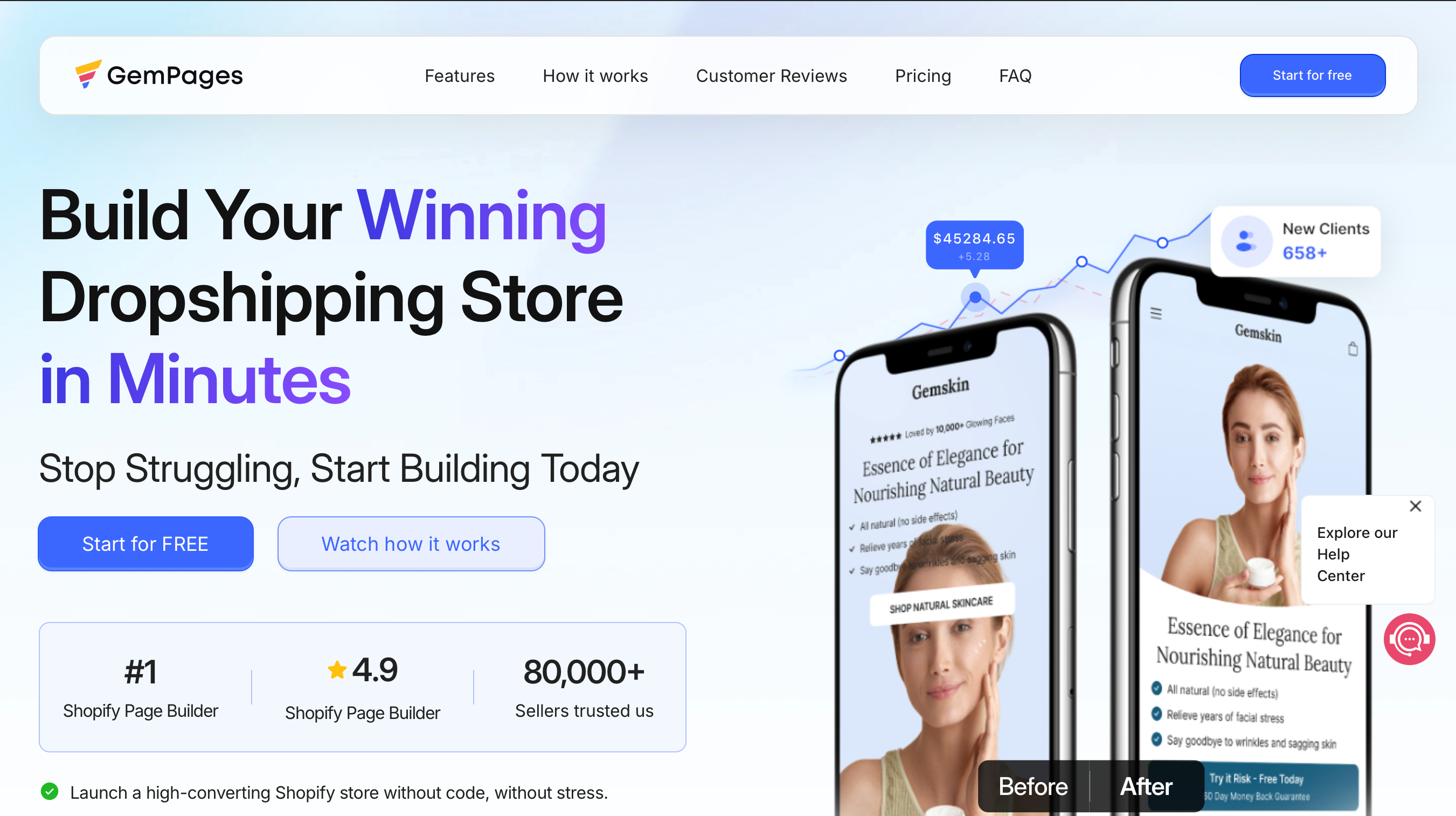
GemPages is a conversion-focused page builder built for brands that rely on marketing campaigns and paid traffic.It stands out for its funnel-building capabilities, allowing merchants to create pages specifically designed to drive conversions rather than just aesthetics.
GemPages has become a preferred choice for DTC brands and marketers who prioritize performance and ROI.
Developer & Integration Ecosystem
GemPages integrates with marketing tools, analytics platforms, and Shopify apps to support campaign-driven workflows.
Core Features
-
Funnel builder
-
Conversion-focused templates
-
A/B testing support
-
Marketing integrations
Clients
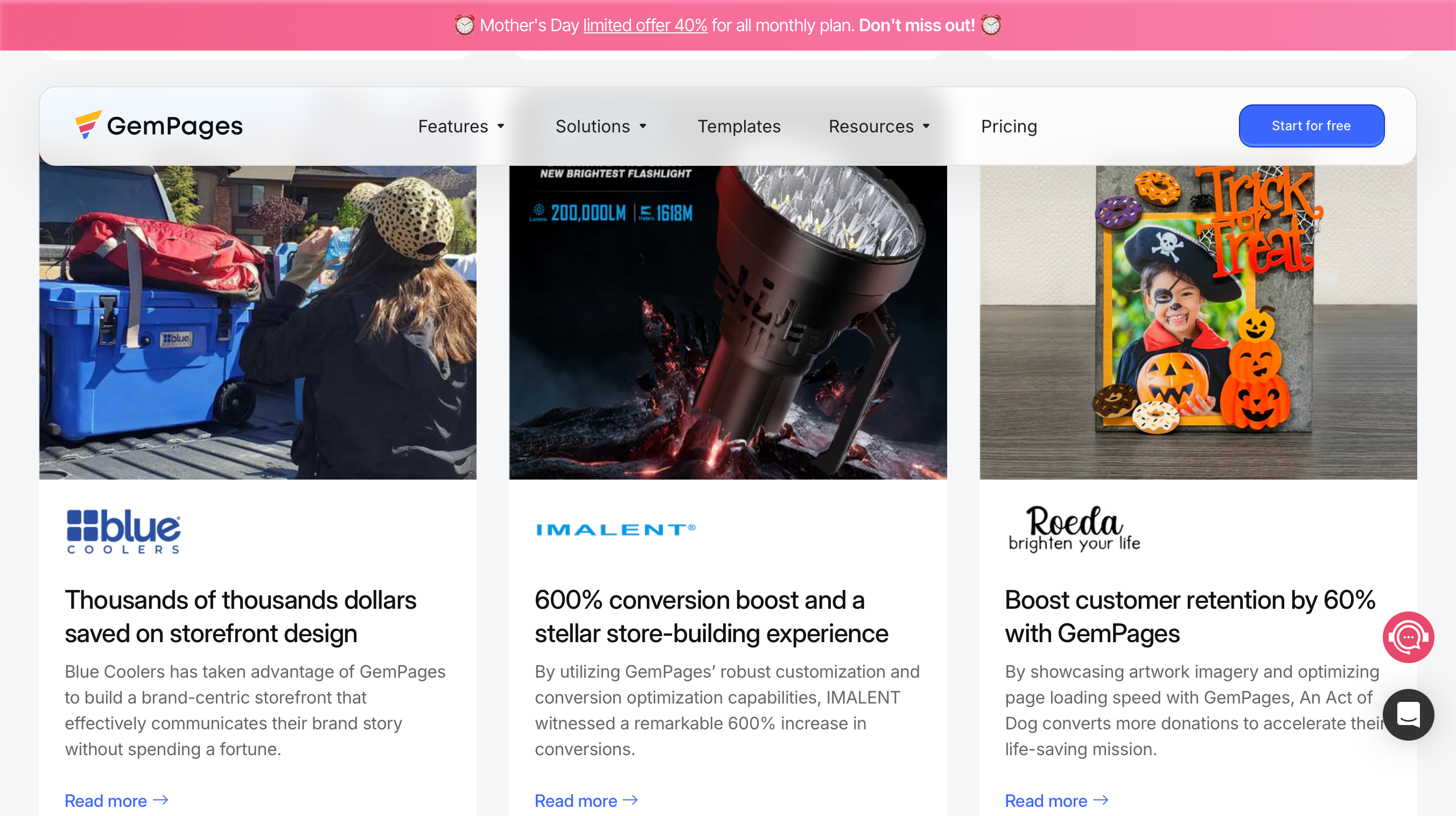
Used by performance marketers, DTC brands, and scaling Shopify stores.
Review
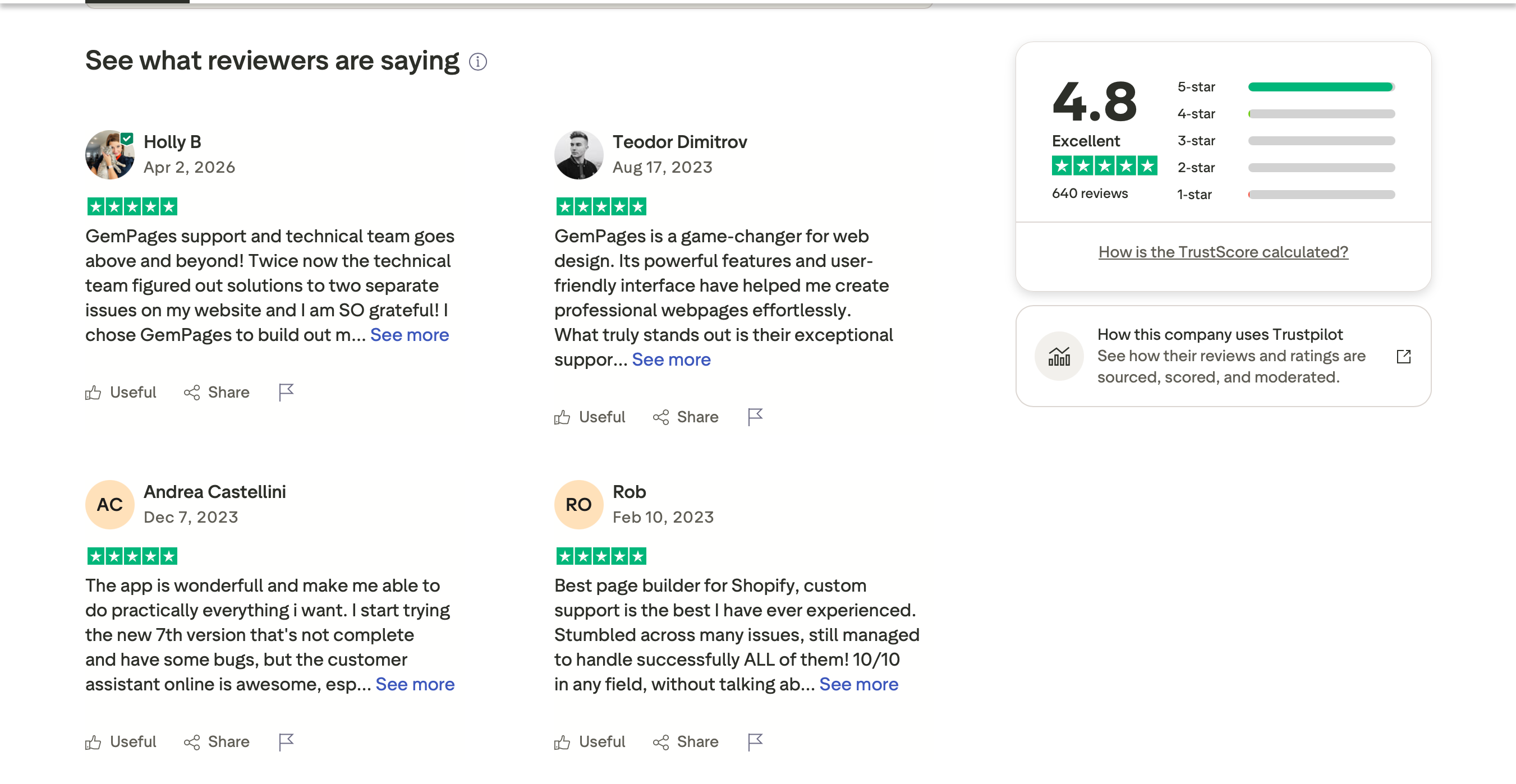
GemPages users often talk about it like it’s a lifesaver for their store. Many reviews highlight how the support and technical team “go above and beyond,” especially when dealing with complex issues.
People love how easy it is to create professional-looking pages. Some even call it a “game-changer for web design”, pointing out the balance between powerful features and a user-friendly interface.
There are a few mentions of minor bugs or incomplete updates, but interestingly, most users quickly follow that up by praising the support team for resolving things fast. Overall, the sentiment is very positive—especially around reliability and support.
Pros
-
Strong conversion tools
-
Ideal for campaigns
-
Good integrations
Cons
-
Learning curve
-
Slightly complex UI
Summary
GemPages is ideal for brands focused on growth and conversion optimization.
3. Shogun
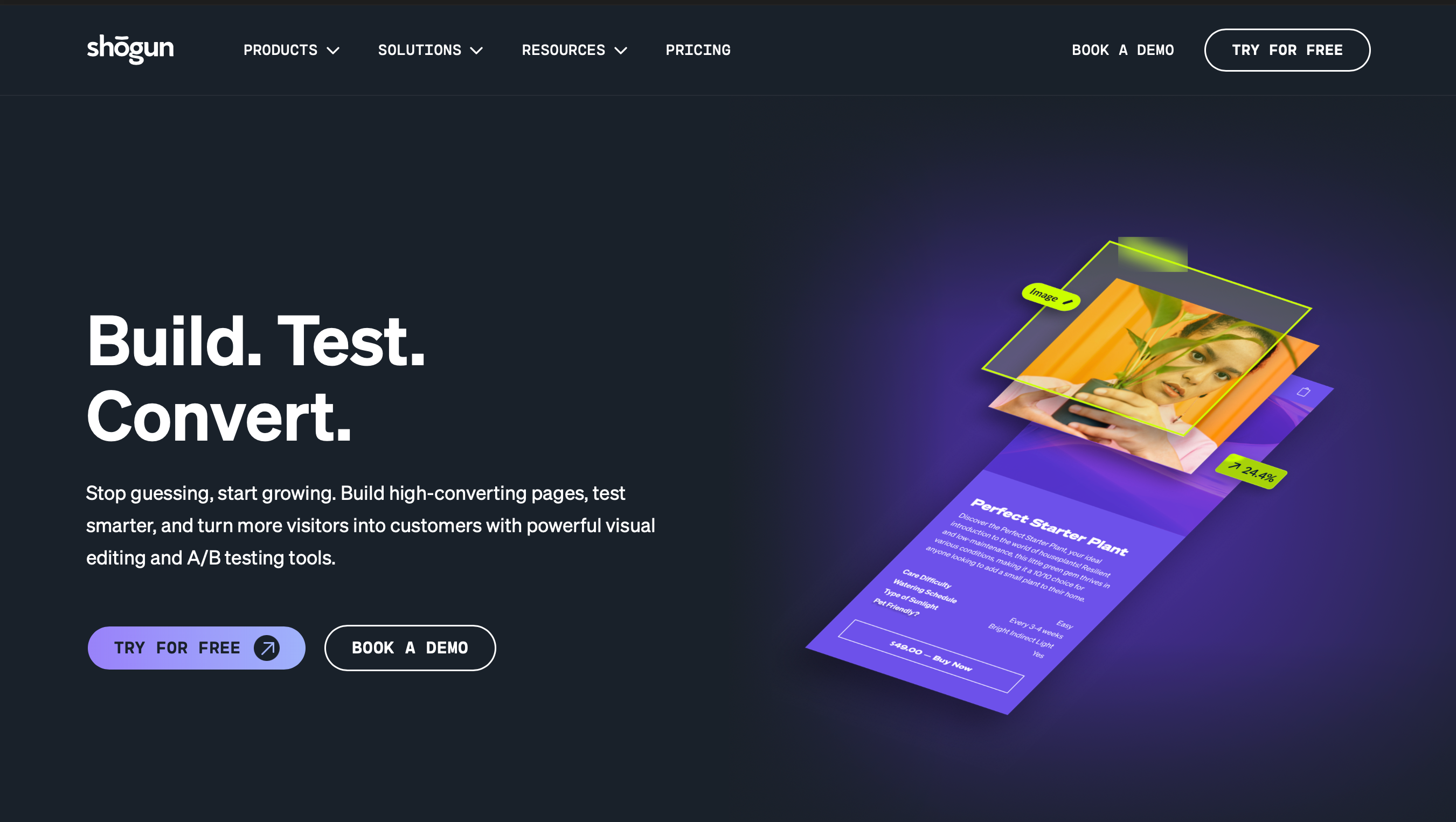
Shogun is a premium page builder designed for enterprise and Shopify Plus brands.
It offers advanced customization, personalization, and A/B testing capabilities, making it a powerful solution for scaling businesses.
Shogun is built for teams that prioritize experimentation and performance optimization.
Developer & Integration Ecosystem
Supports headless commerce, enterprise integrations, and advanced workflows.
Core Features
-
Advanced visual editor
-
A/B testing
-
Personalization
-
Headless support
Clients
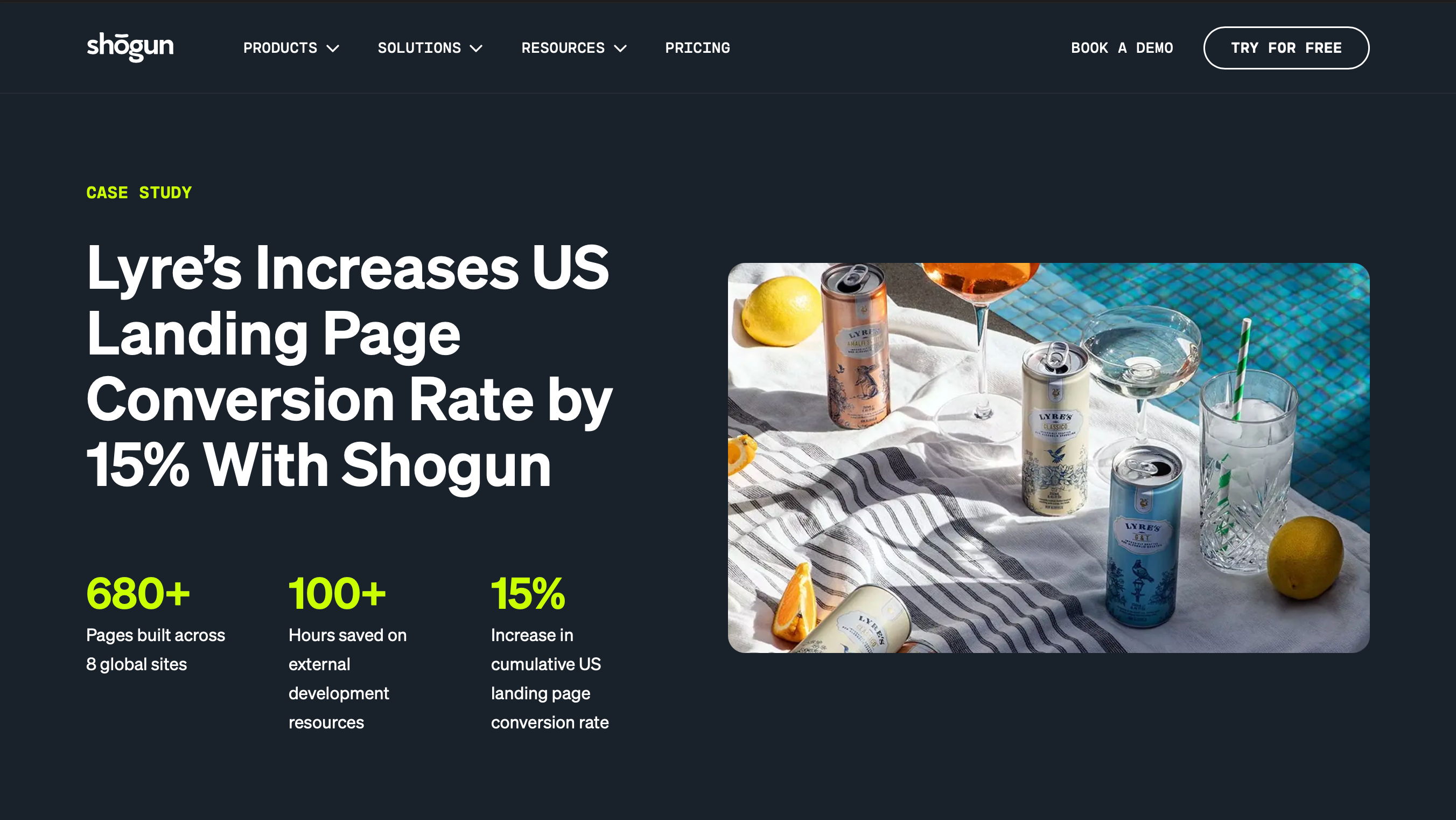
Used by Shopify Plus and enterprise-level brands.
Review
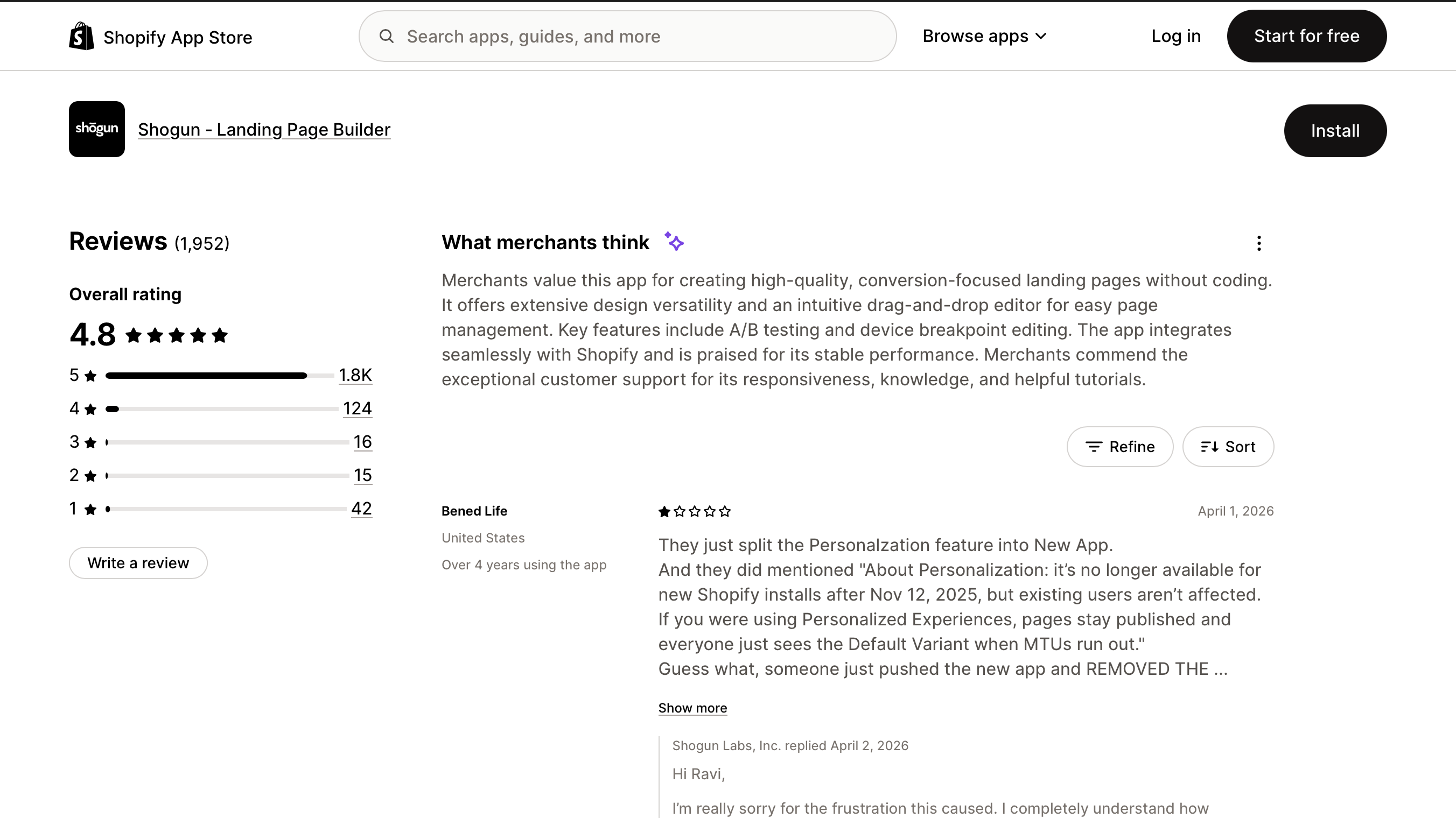
Shogun users typically highlight its power and advanced capabilities. Many appreciate the design flexibility and features like A/B testing and device-specific editing, especially for creating high-converting pages.
The interface is often described as intuitive, even though it offers more advanced functionality compared to simpler builders.However, some users do point out frustrations—particularly around recent changes or removed features. These comments feel more critical compared to other tools, especially when expectations aren’t met.
Still, many users continue to value Shogun for its performance, flexibility, and ability to handle more complex use cases.
Pros
-
Enterprise-grade features
-
Strong performance
-
Advanced testing
Cons
-
High cost
-
Requires expertise
Summary
Shogun is best for large businesses needing advanced customization.
4. EComposer
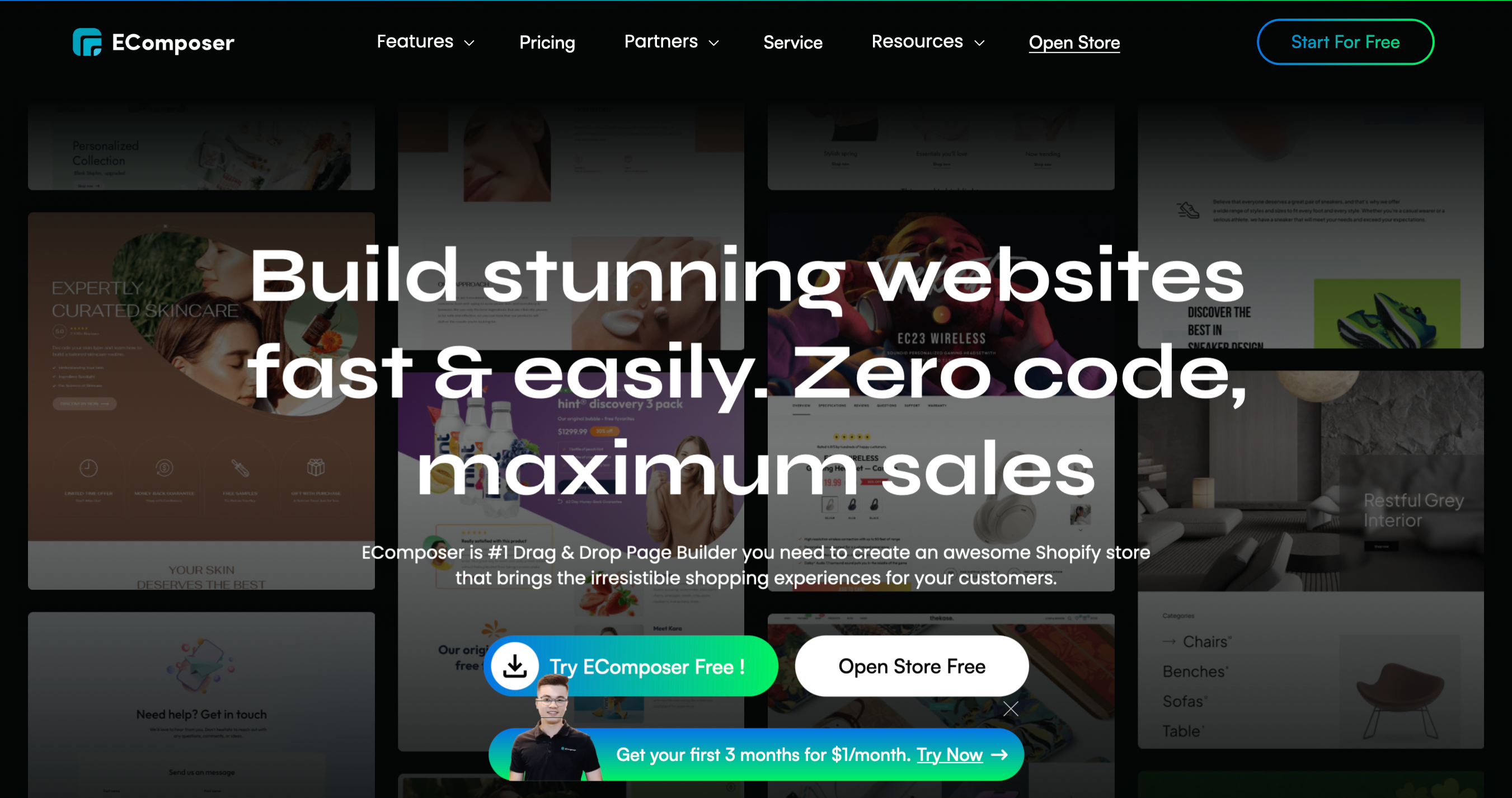
EComposer is a fast-growing page builder known for its simplicity and speed.
It is designed for beginners and small businesses that want to create pages quickly without complexity.
Developer & Integration Ecosystem
Integrates with Shopify apps and basic tools for simple workflows.
Core Features
-
Live drag-and-drop editor
-
Pre-built sections
-
Fast performance
Clients
Used by startups, beginners, and small Shopify stores.
Review
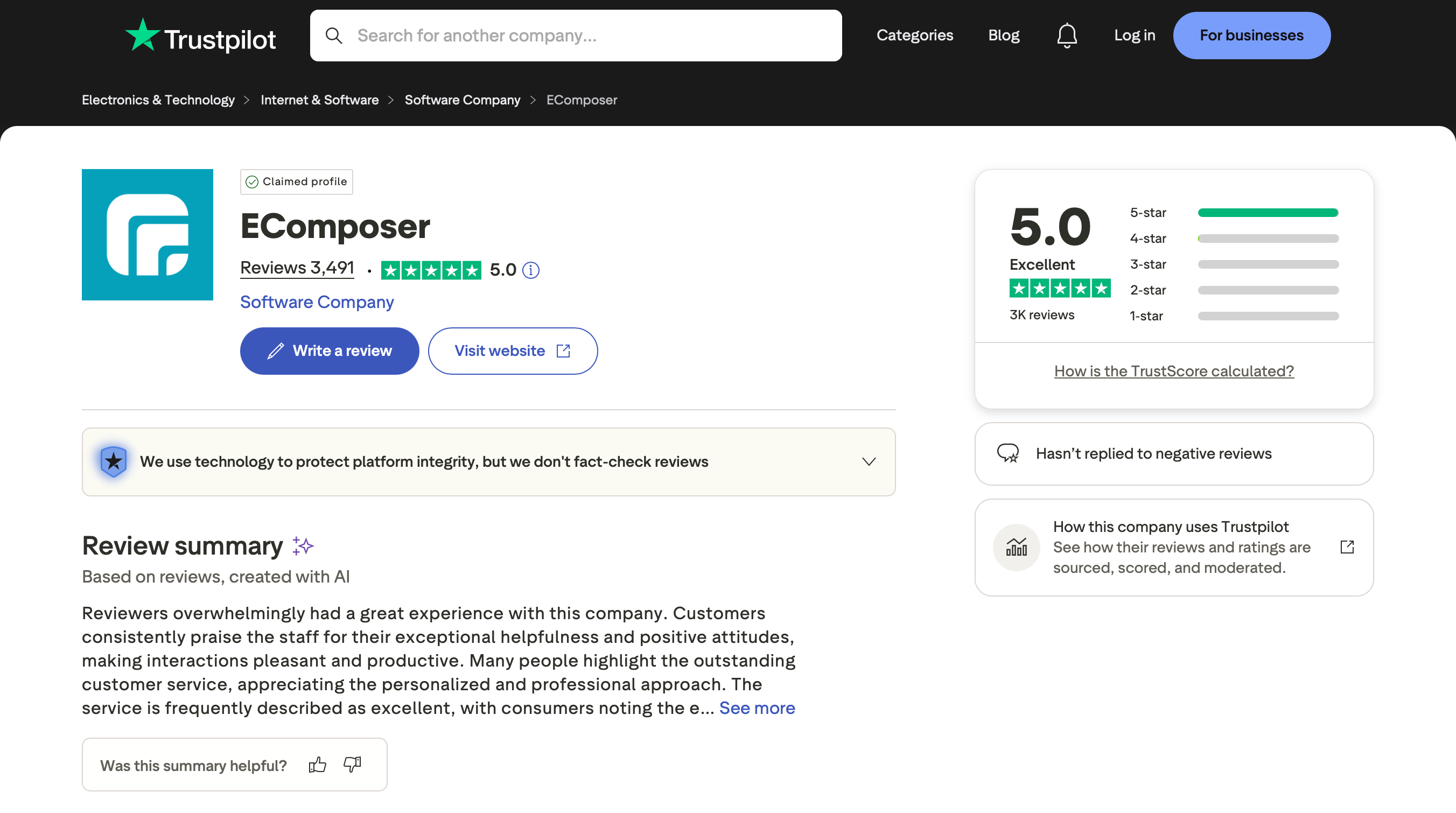
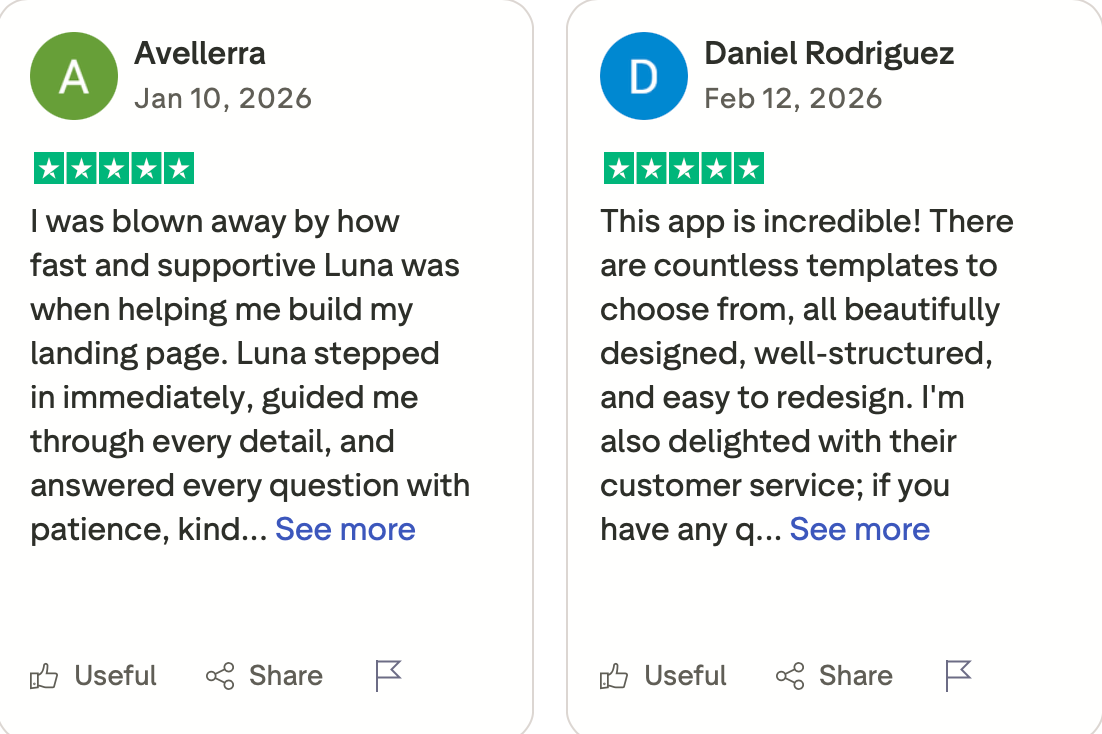
Users consistently sound genuinely impressed when talking about EComposer. A lot of them mention how fast and supportive the team is—one user shared how they were “blown away” by how quickly support stepped in, guiding them through every detail while building a landing page.There’s also a lot of excitement around the templates and design flexibility. People often say things like “there are countless beautifully designed templates” and highlight how easy it is to customize everything without stress. The overall tone from users is clear: it’s not just powerful, it’s also incredibly beginner-friendly.
What really stands out though is the support. Users repeatedly describe it as patient, responsive, and genuinely helpful not just answering questions, but actively solving problems.
Pros
-
Very easy to use
-
Fast setup
-
Affordable
Cons
-
Limited advanced features
-
Less flexibility
Summary
EComposer is ideal for beginners and quick execution.
5. LayoutHub
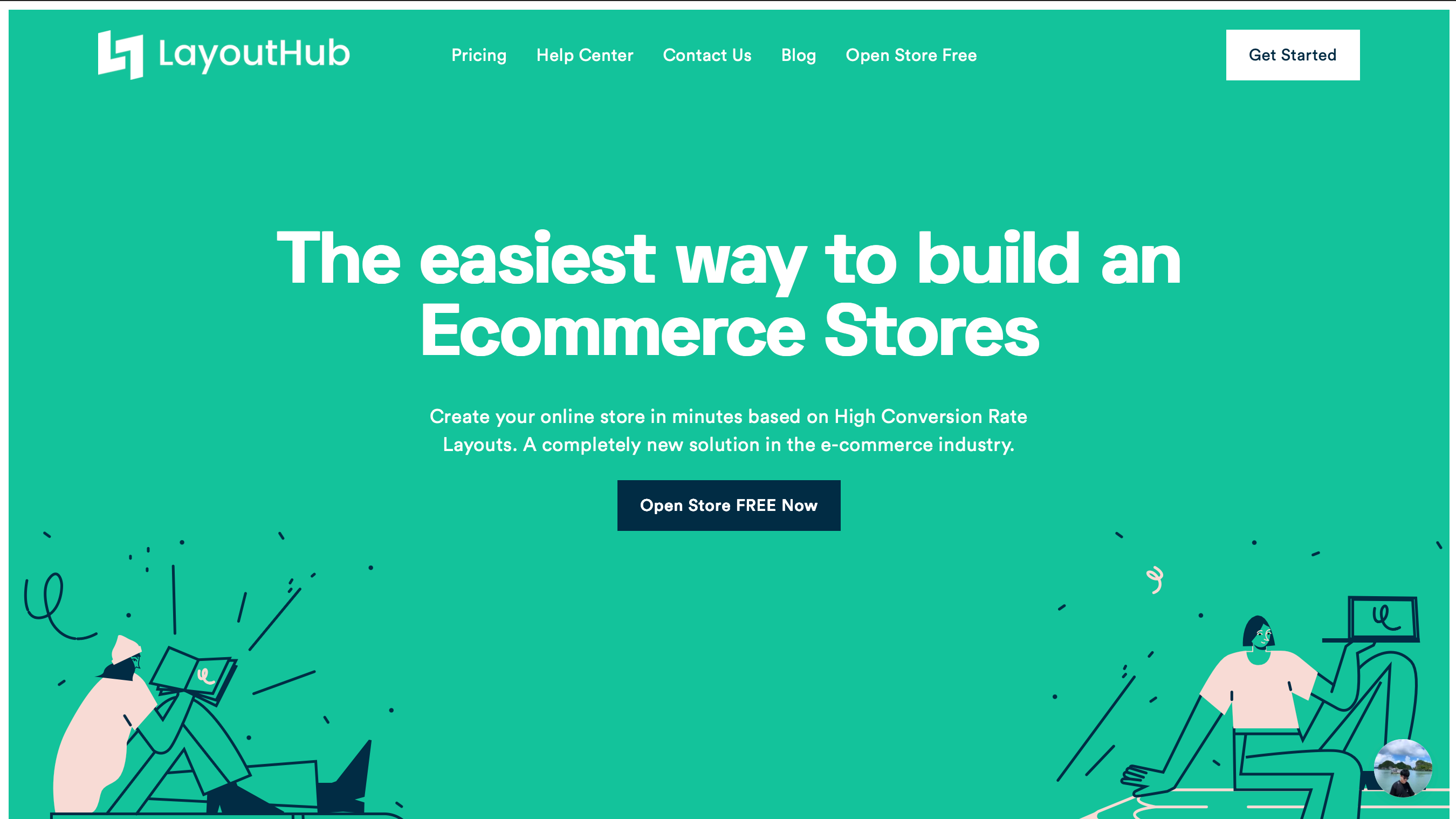
LayoutHub focuses on simplicity using ready-made layouts.
It enables merchants to quickly create pages using pre-designed templates, reducing the need for custom design work.
Developer & Integration Ecosystem
Works within Shopify ecosystem with standard integrations.
Core Features
-
Ready-made layouts
-
Block-based editor
-
Quick customization
Clients
Used by small businesses and merchants needing fast results.
Review
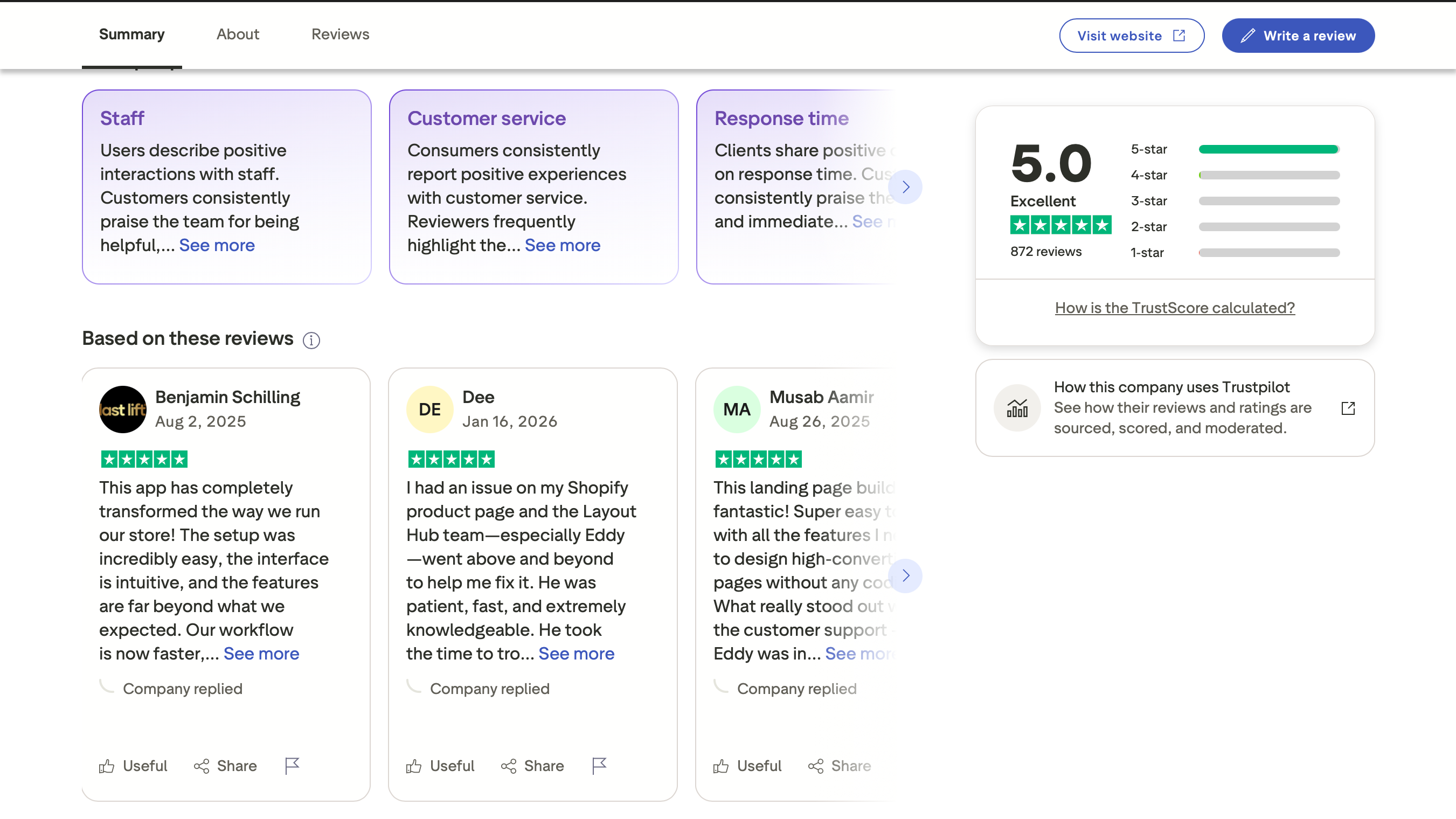
Users love how simple and beginner-friendly LayoutHub is. Many say you can “build pages in minutes” using ready-made layouts without needing design skills or coding. It’s especially popular among new Shopify store owners who want something quick and structured.
Support is described as helpful and responsive, but some users mention it can feel a bit limited if you need advanced customization.
Overall, users see LayoutHub as an easy, no-stress page builder for fast results.
Pros
-
Fast setup
-
Easy to use
-
Time-saving
Cons
-
Limited flexibility
-
Not suitable for advanced designs
Summary
LayoutHub is best for quick and simple page creation.
6. Zipify Pages
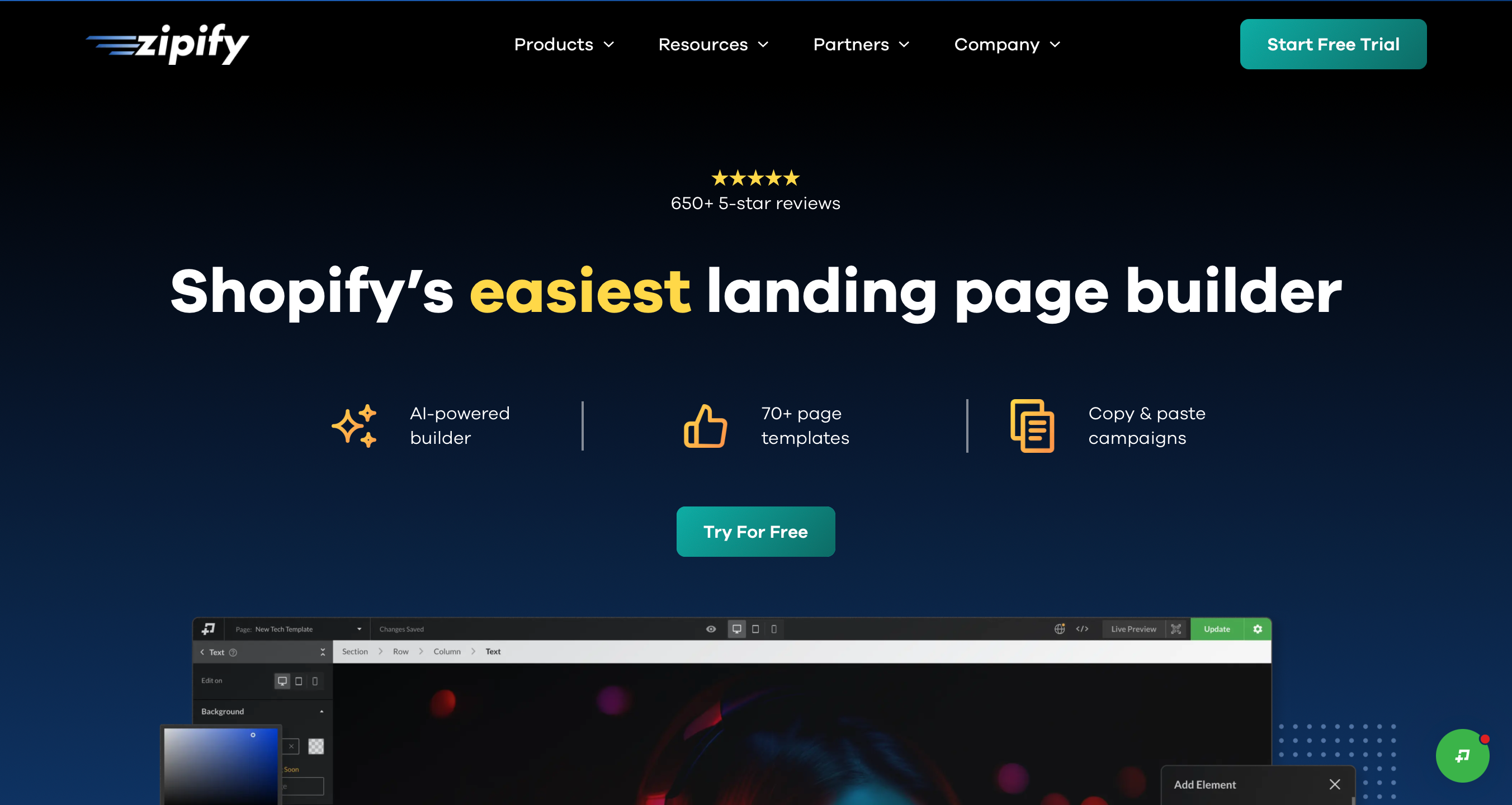
Zipify Pages is a conversion-focused builder designed for sales funnels and revenue optimization.
Created by experienced marketers, it is built around proven templates that drive results.
Developer & Integration Ecosystem
Integrates with Shopify and marketing tools for funnel optimization.
Core Features
-
Proven funnel templates
-
Split testing
-
Sales optimization
Clients
Used by DTC brands and scaling ecommerce businesses.
Review

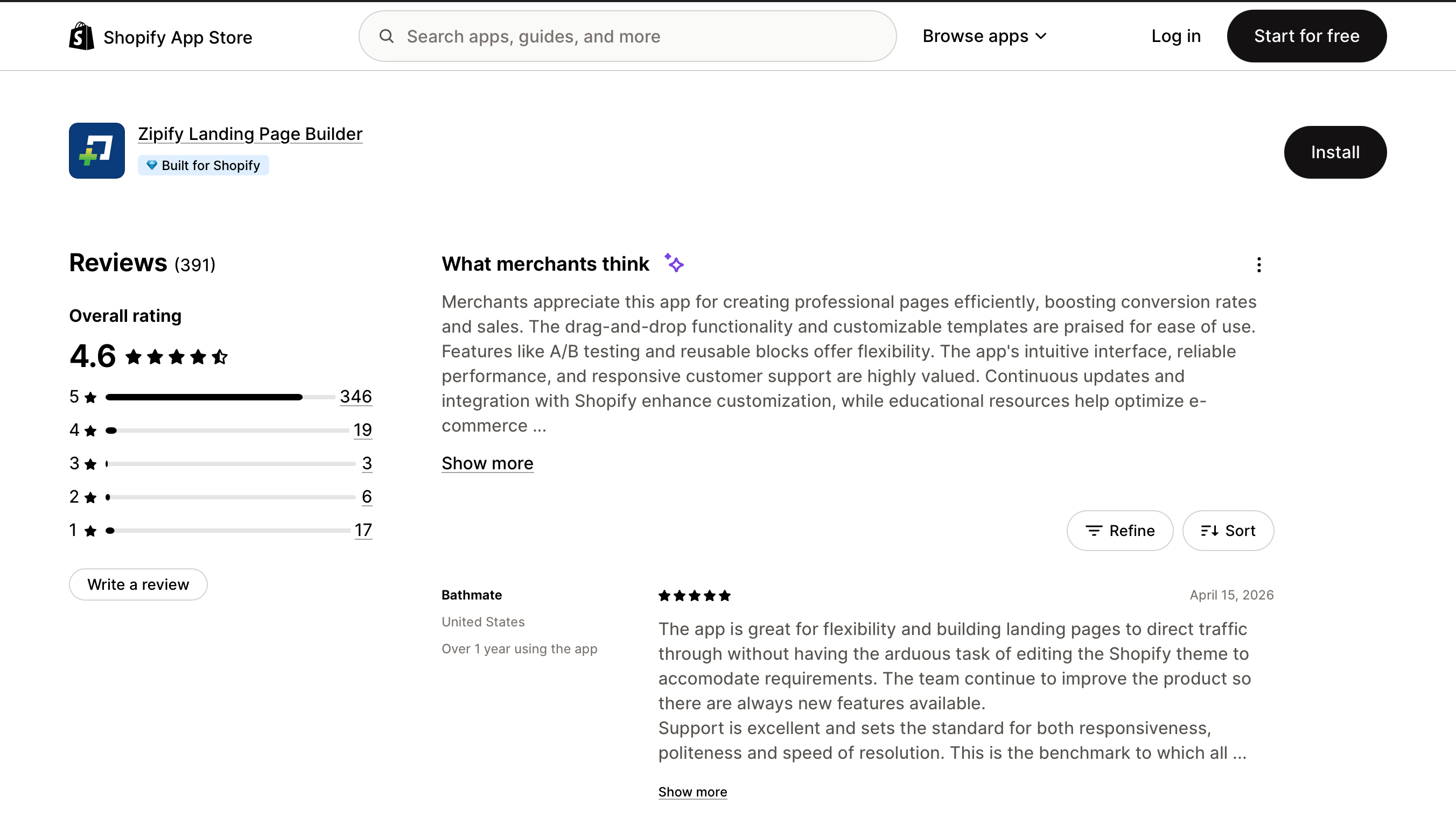
Zipify users usually talk about efficiency and results. A lot of them highlight how easy it is to build landing pages without touching Shopify themes, which saves a ton of time.You’ll often see comments about flexibility—things like reusable blocks, A/B testing, and how the builder makes it simple to optimize pages for conversions.
Support also gets strong praise here. Users describe it as responsive and reliable, especially when it comes to resolving issues quickly. Overall, the tone is practical—people like Zipify because it works and helps drive results.
Pros
-
High conversion focus
-
Proven strategies
-
Strong ROI
Cons
-
Limited design control
-
Paid plans only
Summary
Zipify Pages is best for revenue-driven brands.
Final Summary
Shopify page builders have become essential tools in modern eCommerce.
Each app serves a different purpose:
-
PageFly → Balance of flexibility and ease
-
GemPages → Conversion and funnels
-
Shogun → Enterprise optimization
-
EComposer → Simplicity and speed
-
LayoutHub → Quick execution
-
Zipify → Revenue-focused funnels
The key shift in 2026 is clear:
Brands are no longer relying on one store design — they are building multiple optimized pages for different campaigns and audiences.
Final Takeaway:
The best Shopify stores today don’t just look good — they are constantly tested, optimized, and improved.
And page builders are at the center of that growth strategy.
Struggling to choose the right Headless CMS & Headless Commerce tech stack? We’ll help you pick the best solution for your business! Exclusive Offer: 20 Hours of Free Development & Consultation
Book a MeetingFrequently Asked Questions
PageFly is the most balanced option, while GemPages and Zipify are best for conversions.
Yes, most modern builders support SEO optimization features.
Only if pages are overloaded with elements — optimized usage maintains performance.