

Words that inspire, ideas that spark,
stories that stay
Best Inventory Management Apps for Shopify and Shopify Plus in USA (2026)
V.Srinidhi Reddy
Sunday, March 22nd, 20267 min read
Table of content
Best Inventory Management Apps for Shopify and Shopify Plus in USA 2026
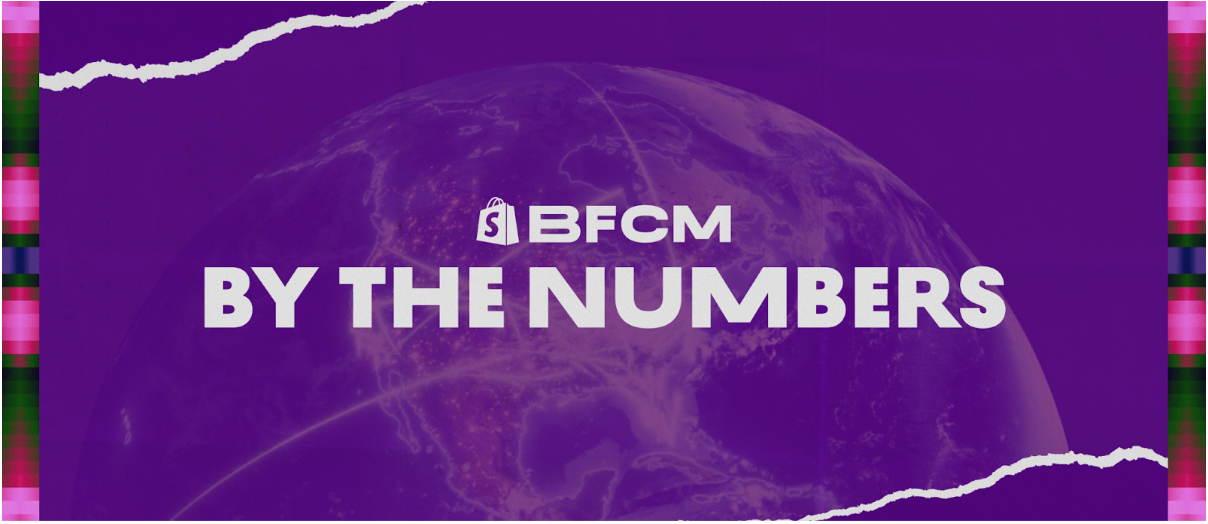
If you are running a Shopify store in the USA, you already know this: inventory doesn’t move… it explodes.
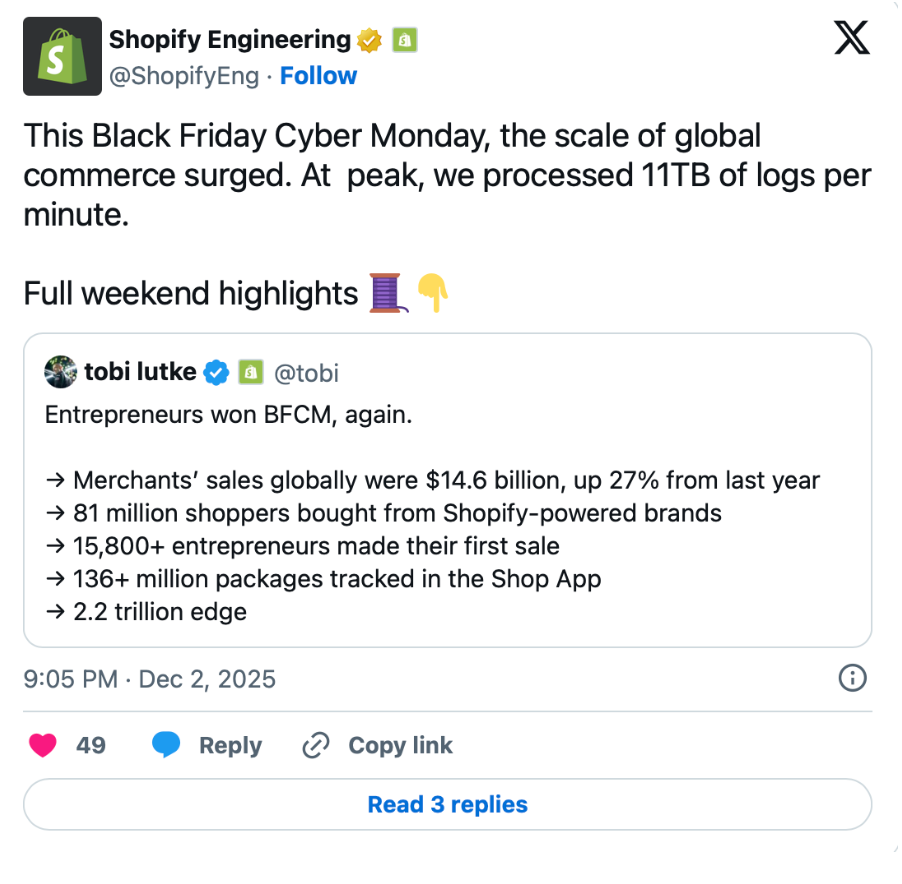
Black Friday, Cyber Monday, flash drops, influencer spikes — one minute your stock is sitting, the next minute it’s gone across multiple warehouses, marketplaces, and retail channels.$
And the real problem?
It’s not selling out.
It’s not knowing what’s about to sell out next.
That’s where most Shopify brands hit their first serious operational wall.
Because at scale, inventory isn’t just stock.
It’s forecasting, purchasing, fulfillment, and cash flow — all tied together.
What Most Inventory Blogs Don’t Tell You
Most “best inventory apps” lists talk about features.
But operators care about:
-
“Will this prevent stockouts during ads scaling?”
-
“Can this handle multi-warehouse without breaking?”
-
“Will my ops team actually use this daily?”
Best Inventory Management Apps for Shopify and Shopify Plus in USA 2026: Comparison
|
App |
Starting Price |
Best For |
Strength |
Weakness |
|
Prediko |
$49/month |
Forecast-driven Shopify brands |
Strong AI forecasting and purchase planning |
Limited warehouse execution features |
|
Sumtracker |
$49/month |
Multi-channel sellers |
Real-time sync across marketplaces and bundles |
Forecasting depth is moderate |
|
Katana |
~$299/month |
Manufacturing and BOM workflows |
Production plus inventory visibility |
Higher pricing for smaller stores |
|
SKULabs |
~$299/month |
High-volume fulfillment operations |
Strong warehouse and barcode workflows |
Setup can be operationally heavy |
|
Inventory Planner |
Custom pricing |
Forecast and purchasing teams |
Deep analytics and demand planning |
Requires other tools for execution |
|
Stock Sync |
Free / Paid tiers |
Supplier-feed based catalogs |
Automated multi-source inventory syncing |
Limited advanced forecasting tools |
Top Inventory Management Apps for Shopify and Shopify Plus in USA 2026
1. Prediko
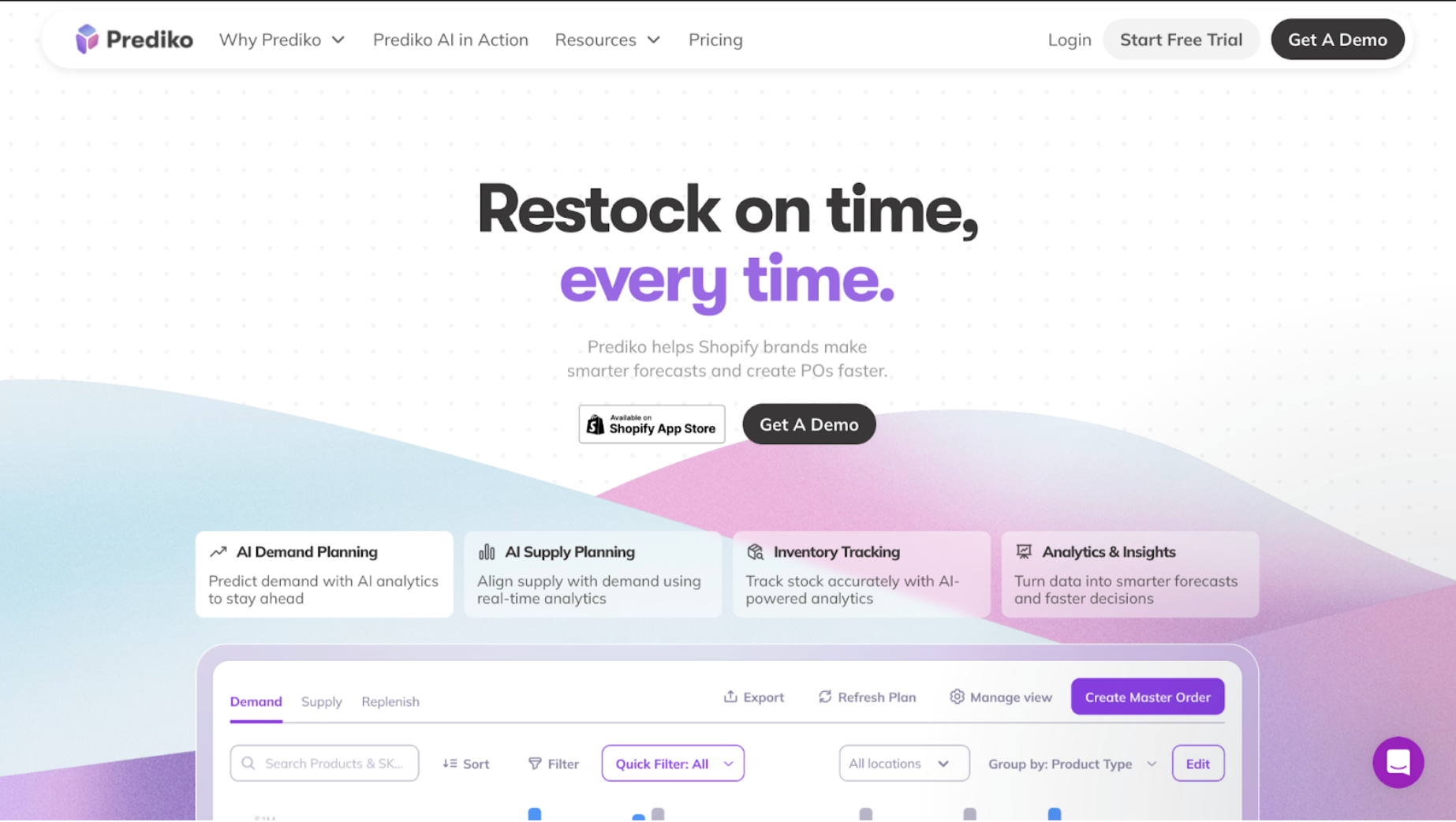
Prediko Inventory Management Shopify App makes inventory feel like a smart teammate that plans ahead for you. Instead of guessing what to reorder next, it uses AI to predict demand, alerts you when stock needs attention, and helps you create purchase orders in seconds. It also supports multi-location stock balance and detailed reporting.
Why fast-growing DTC brands are picking tools like Prediko
A lot of newer inventory tools like Prediko are built with a forecast-first mindset, not just stock tracking.
Meaning:
They don’t just tell you what you have
They tell you what you’ll run out of
This shift is happening because:
-
paid ads are unpredictable
-
demand spikes faster than supply chains
-
brands need planning, not just tracking
Key Features
-
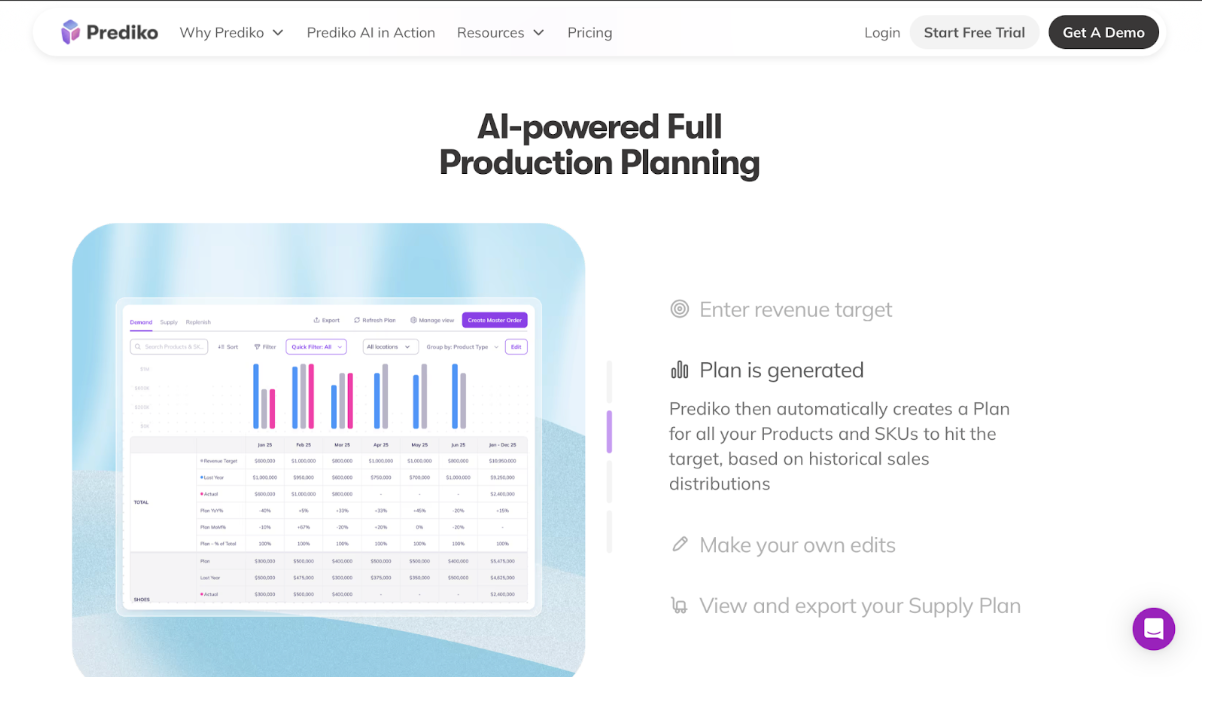
AI demand forecasting for SKUs and seasons
-
Smart stock replenishment alerts and dynamic reorder tables
-
Purchase order creation and bulk editing synced with your warehouse
-
Raw material tracking and bill of materials (BOM) support
-
Advanced inventory and sales reports with filters and templates
Pricing
-
Starter – $49 /month – Full core features and unlimited users & alerts)
-
Scale-up – $119 /month – For stores with higher revenue tiers
-
Growth – $199 /month – For stores scaling up to $2M+ revenue
-
Enterprise – custom pricing – For large brands with dedicated support
-
All plans have a 14-day free trial.
A Quick Thought
This is a great choice if you want smart, forecast-first inventory and fast purchase order workflows without juggling spreadsheets.
Review
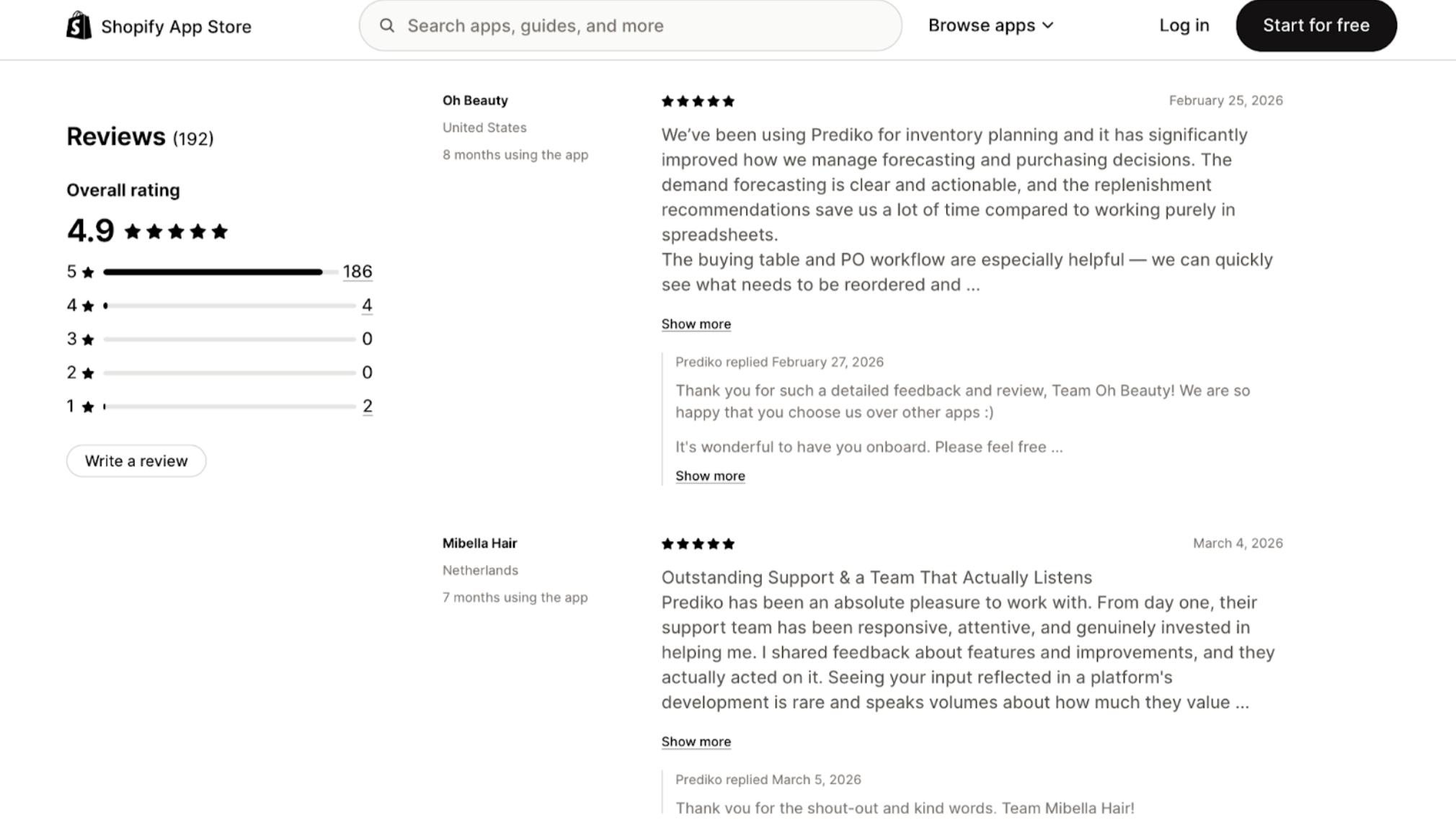
Prediko receives excellent feedback for its accurate demand forecasting and time-saving inventory planning capabilities. Users highlight how it simplifies purchasing decisions with clear, actionable insights and efficient PO workflows. The platform is especially valued for replacing manual spreadsheet work with a more streamlined system. Additionally, the support team is praised for being responsive, attentive, and actively incorporating user feedback into product improvements, creating a highly positive overall experience.
Summary
Prediko is a Shopify-focused inventory planning and forecasting tool designed for modern D2C brands. It helps businesses predict demand, manage stock levels, and automate purchase decisions using real-time data insights. With a clean, intuitive interface and strong Shopify integration, it simplifies complex inventory workflows. It is best suited for scaling brands looking to move toward smarter, data-driven inventory planning.
2. Sumtracker
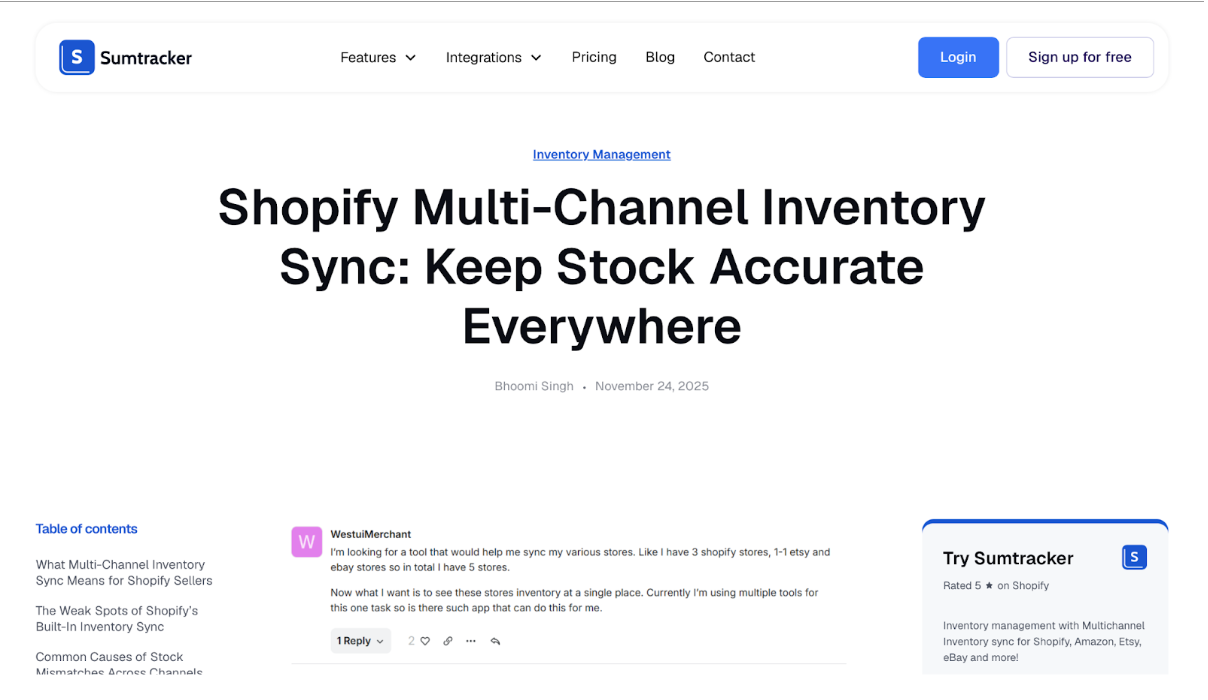
Sumtracker app for Shopify turns inventory into a single source of truth across Shopify and marketplaces like Amazon, eBay, Etsy, and Walmart. You get real-time stock sync, alerts, bundle management, and purchase order tools all from one dashboard.
Key Features
-
Real-time inventory sync across Shopify, marketplaces, and multiple stores
-
Automatic bundle and kit inventory updates
-
Purchase order creation and tracking
-
Multi-location stock control and transfers
-
Low stock alerts, COGS reports, forecasting, and analytics
Pricing
-
$49 /month – Up to ~200 orders/month, 5 store connections
-
$99 /month – Up to ~1000 orders/month and API access
-
Enterprise – Custom pricing for > 10k orders and advanced needs
-
All paid plans include a 14-day free trial.
Review
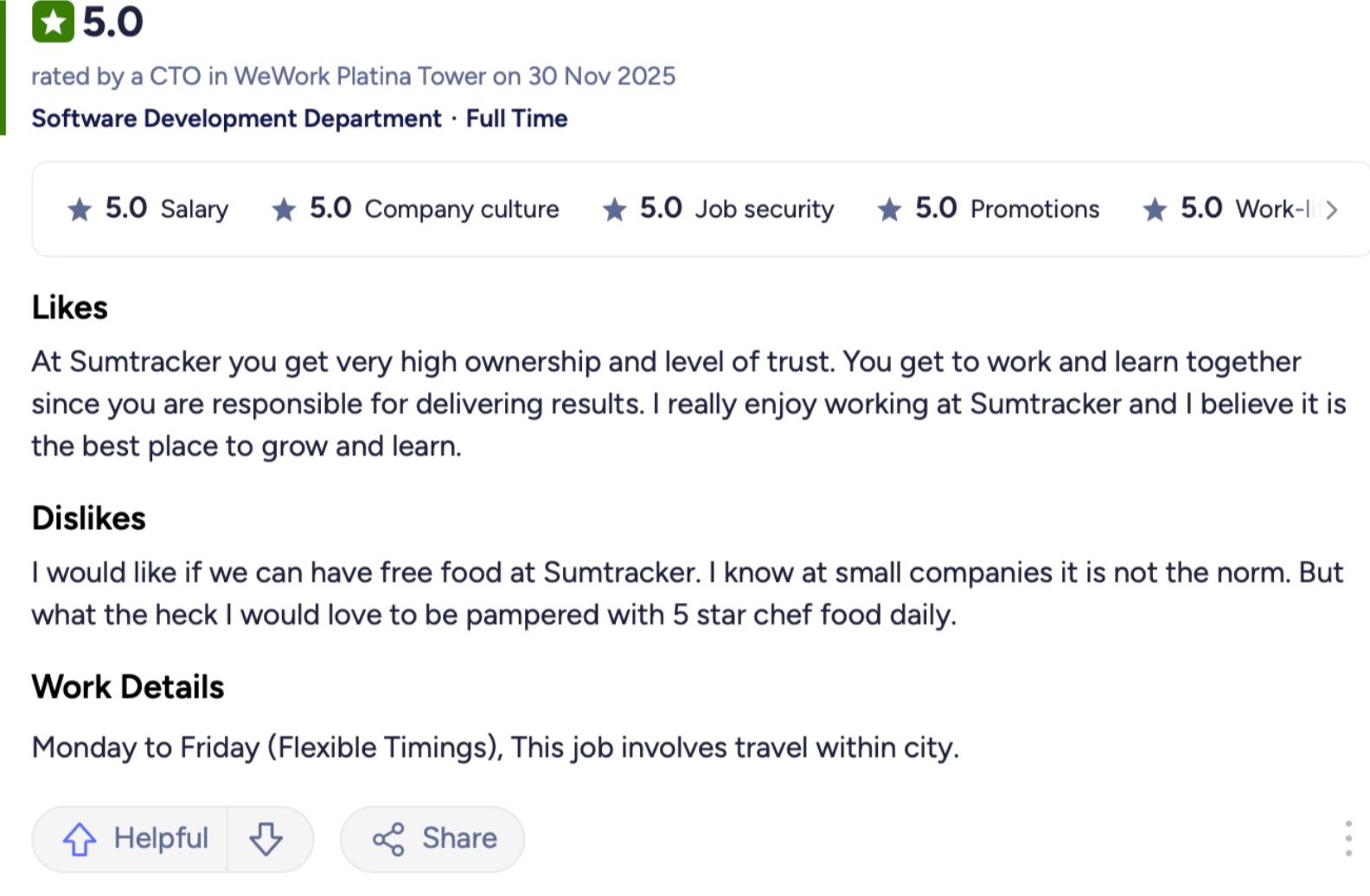
Employees highlight a strong culture of ownership, trust, and learning at Sumtracker. The environment encourages responsibility and growth, making it a great place to build skills while delivering real results. Team collaboration and hands-on experience are frequently appreciated. A minor downside mentioned is the lack of additional perks like meals, though overall satisfaction remains very high.
A Quick Thought
If you sell across Shopify and marketplaces or have bundles, this app keeps stock counts accurate everywhere you sell.
Real-world use case
This is commonly used by brands that:
-
sell on Shopify + Amazon + Etsy
-
deal with bundle SKUs
-
face overselling issues
One missed sync = cancelled orders = bad CX
That’s where tools like Sumtracker become less of a “nice-to-have” and more of a damage-control system.
Summary
Sumtracker is widely adopted by fast-growing D2C Shopify brands operating across multiple sales channels. It is especially popular among emerging brands managing Amazon, Flipkart, and Shopify together.
3. Katana
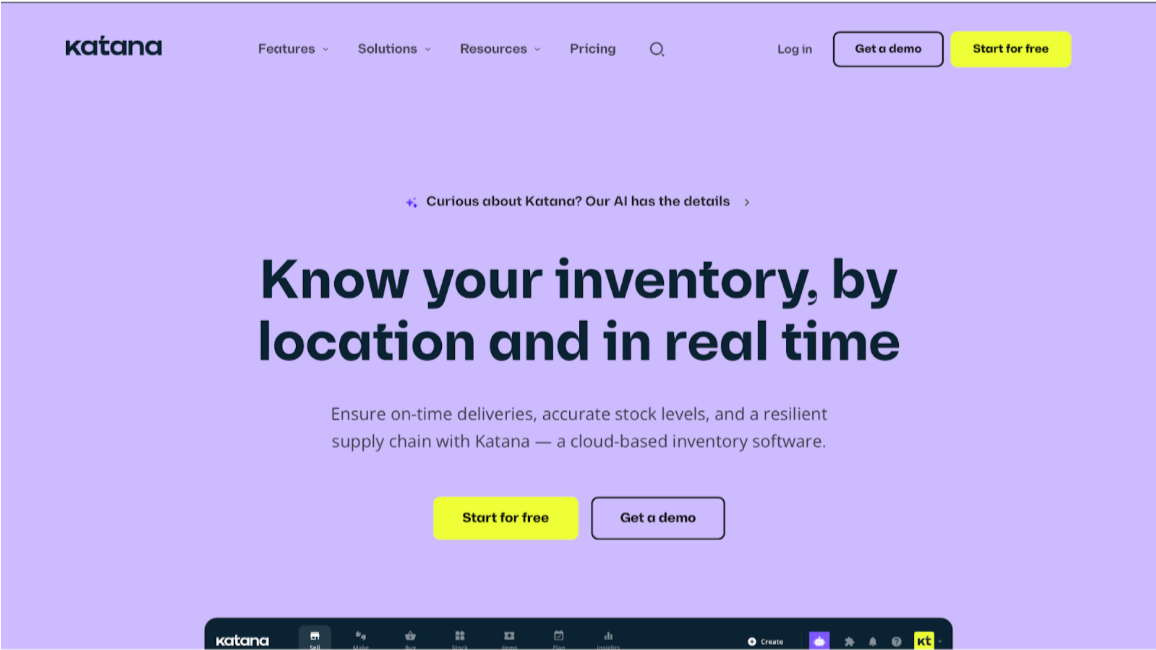
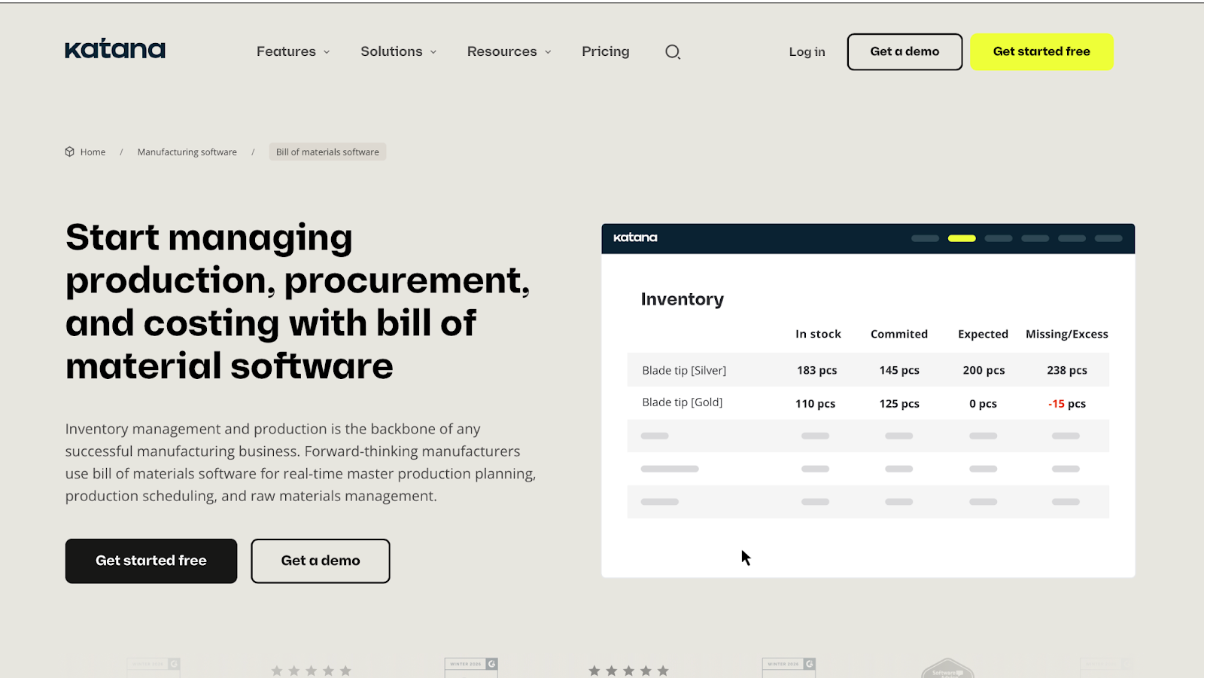
Katana MRP Manufacturing & Inventory is built for brands that track inventory and production together. It centralizes stock across locations, connects Shopify orders with manufacturing workflows, and gives you real-time visibility across your operations.
Why Katana stands out in this category
Katana isn’t just an “inventory app” — it sits closer to an MRP (Manufacturing Resource Planning) system.
Which means:
It’s built for brands that make products, not just sell them.
This is why it’s popular among:
-
DTC brands with in-house production
-
brands managing raw materials + finished goods
Key Features
-
Centralized multi-location inventory visibility
-
Purchase order creation and reorder points
-
Production planning, scheduling, and resource allocation
-
Sync Shopify sales and inventory in real time
-
Integration with accounting tools like QuickBooks and Xero
Pricing
-
Free Plan – Try with limited SKUs and locations
-
Core Plan – from $299 /month – Base inventory and order management
-
Add-ons (traceability, warehouse tools, forecasting) based on your operations
Review
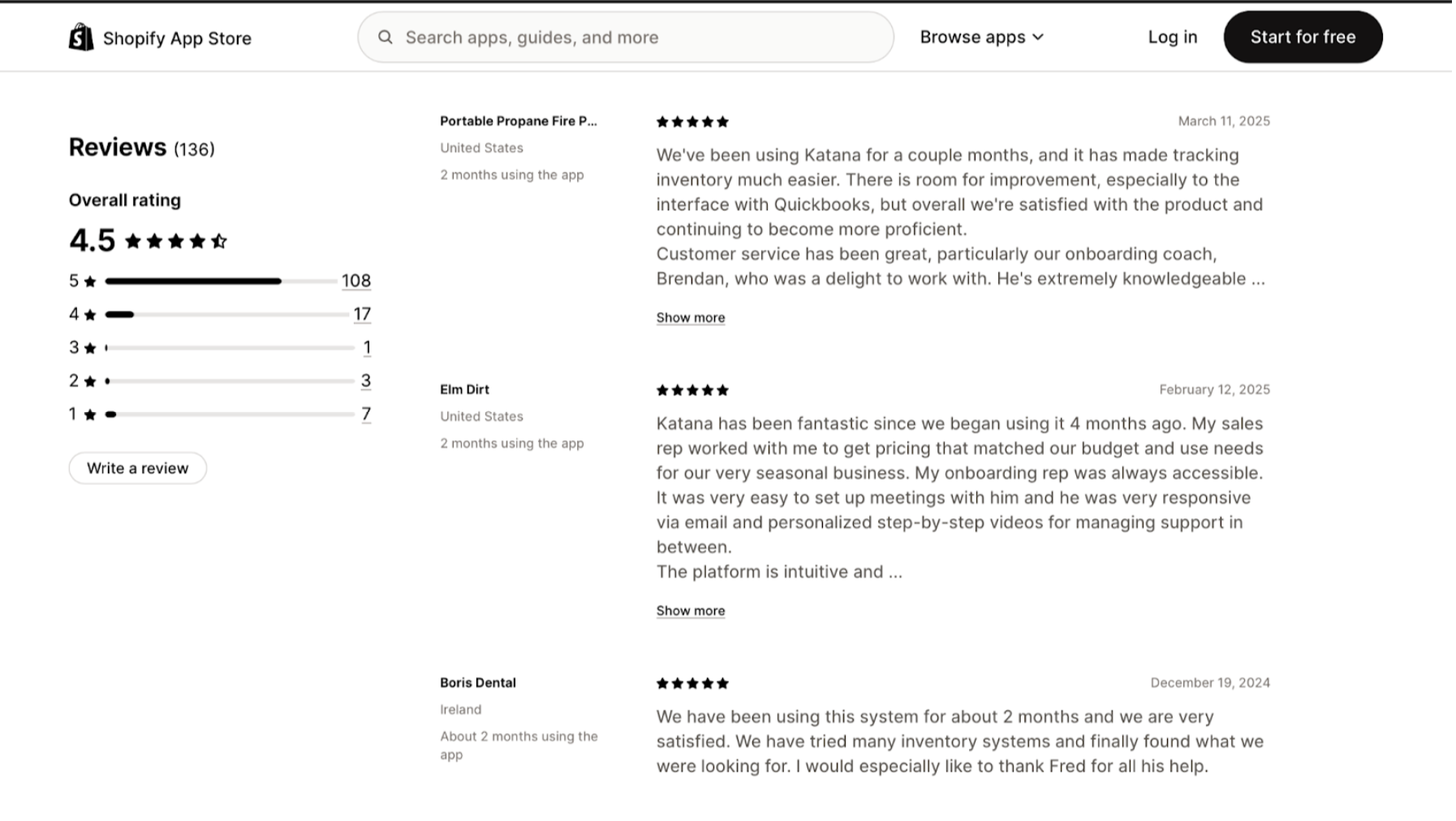
Users find Katana highly effective in simplifying inventory tracking and improving operational efficiency. The platform is appreciated for its ease of use, helpful onboarding support, and responsive customer service. Many reviewers highlight how quickly they were able to get started and see value. While overall satisfaction is high, some note minor areas for improvement in integrations and interface experience.
A Quick Thought
This is ideal if your Shopify store has production workflows or you need manufacturing-grade inventory control alongside stock management.
Summary
Katana is used by modern manufacturing and product-based businesses worldwide. It is particularly popular among scaling brands in FMCG, cosmetics, and small-scale production.
4. SKULabs
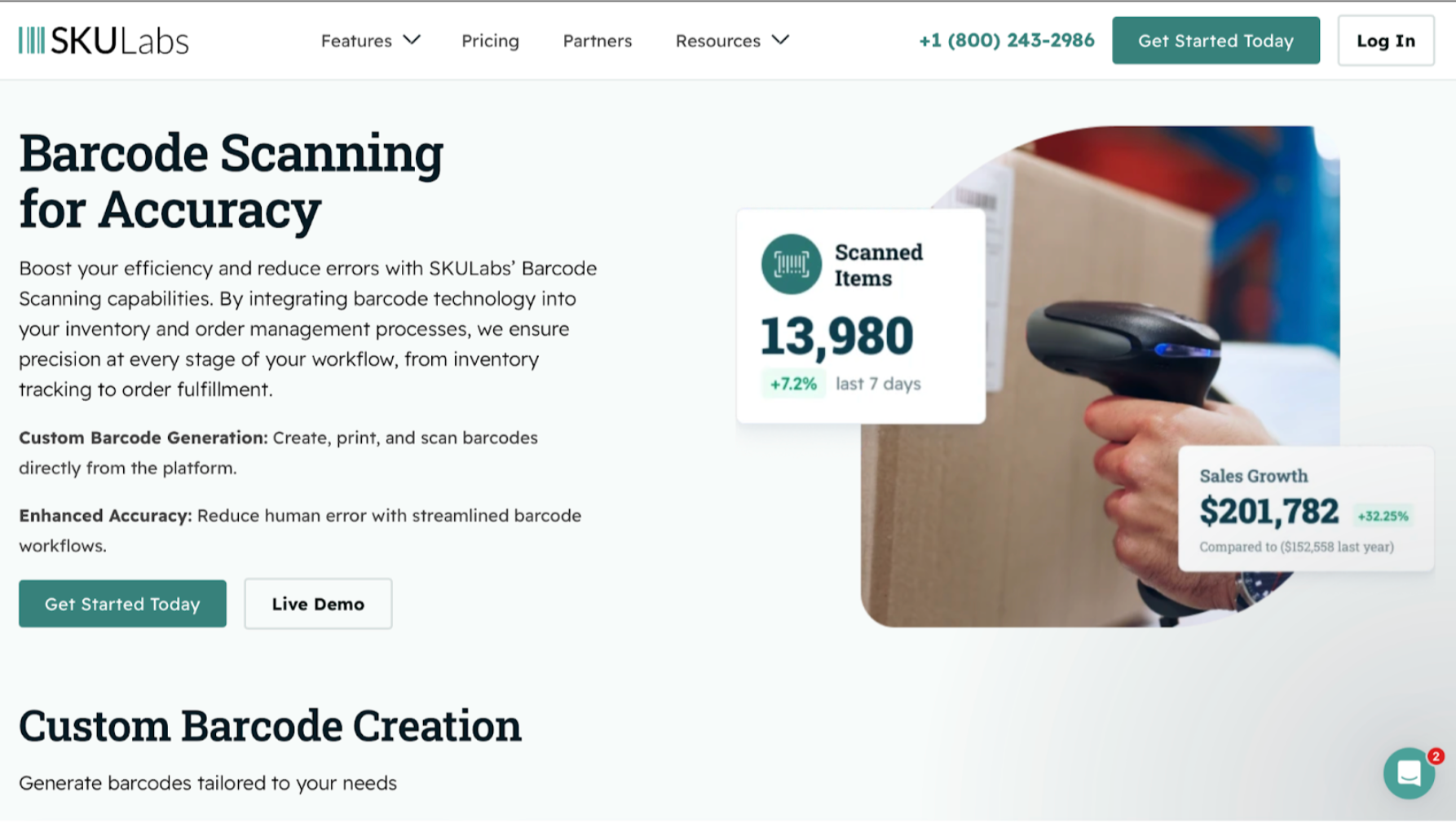
SKULabs is an all-in-one inventory and fulfillment system that unifies your multi-channel stock, warehouses, and order workflows in one dashboard. It keeps inventory accurate, automates pick-pack-ship operations, syncs real-time stock across channels, and integrates shipping without switching platforms.
Key Features
-
Real-time inventory sync across sales channels and warehouses
-
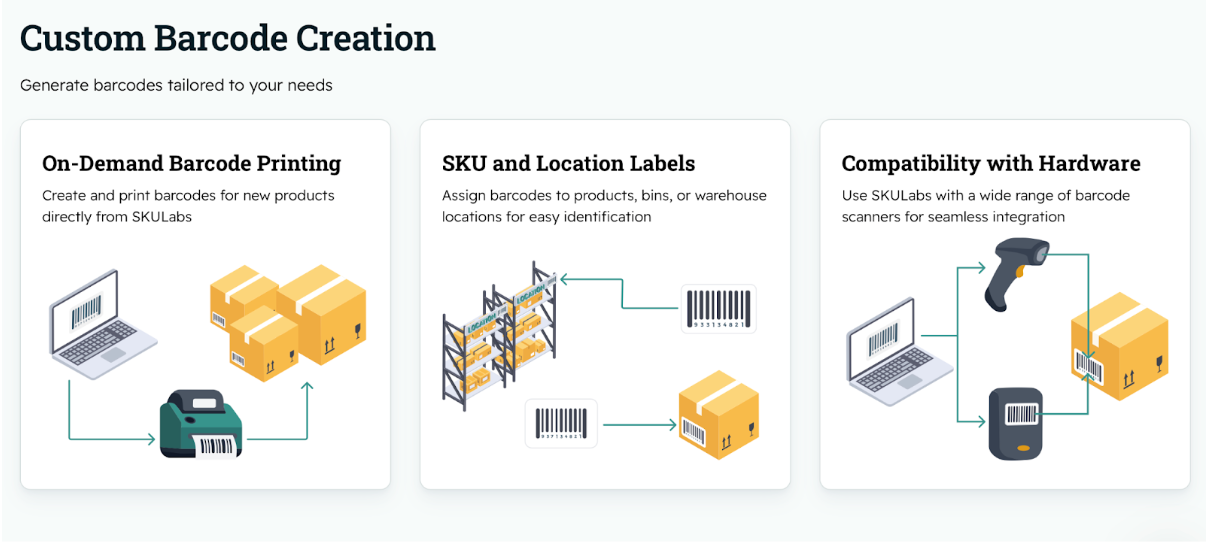
Barcode-based picking, packing, and order workflows
-
Automated purchase orders and stock transfers
-
Multi-warehouse control and visibility
-
Shipping label generation and carrier rate comparison
Pricing
-
Starter: ~$299/mo
-
Basic: ~$499/mo
-
Growth: ~$799/mo
-
Pro: ~$999/mo and higher tiers available
Quick Thought
If you need inventory plus warehouse fulfillment and shipping automation all in one, SKULabs delivers a powerful unified workflow.
Review
SKULabs receives highly positive feedback, with users highlighting its ease of setup and strong customer support. Many reviewers mention that even starting a warehouse management system from scratch feels effortless with the platform. The customer service and technical support teams are frequently praised for being responsive and helpful. Businesses also note significant efficiency improvements, with some reporting reduced workload and streamlined fulfillment operations, making it a reliable long-term solution.
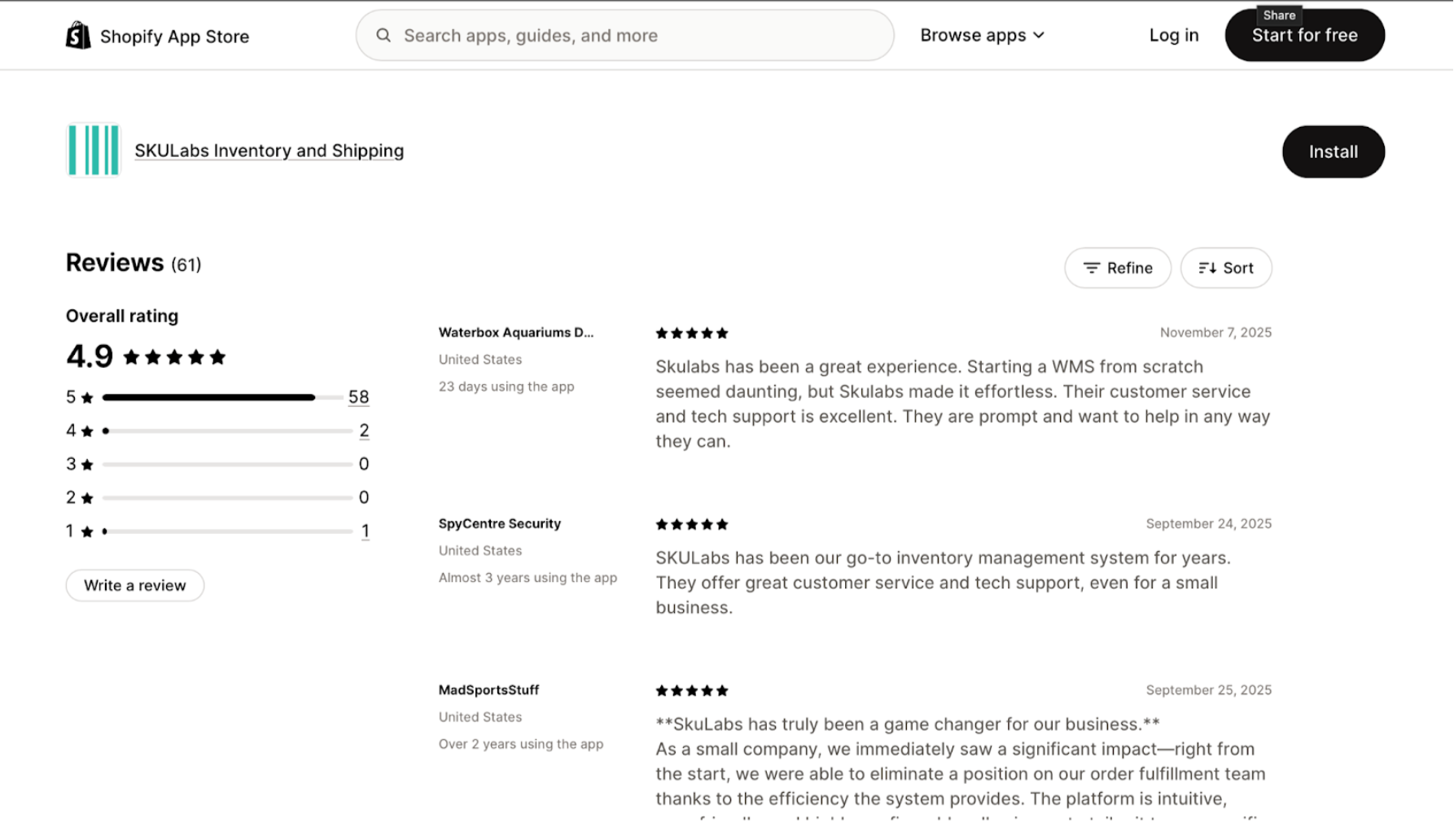
Summary
SKULabs is an all-in-one inventory, order, and warehouse management platform built for multi-channel eCommerce businesses. It centralizes inventory, orders, and shipping into a single system, helping reduce errors and streamline fulfillment operations. With features like real-time inventory syncing, barcode scanning, and batch picking, it improves efficiency and prevents overselling across channels. It is best suited for scaling brands managing multiple warehouses, high order volumes, and complex fulfillment workflows.
5. Inventory Planner
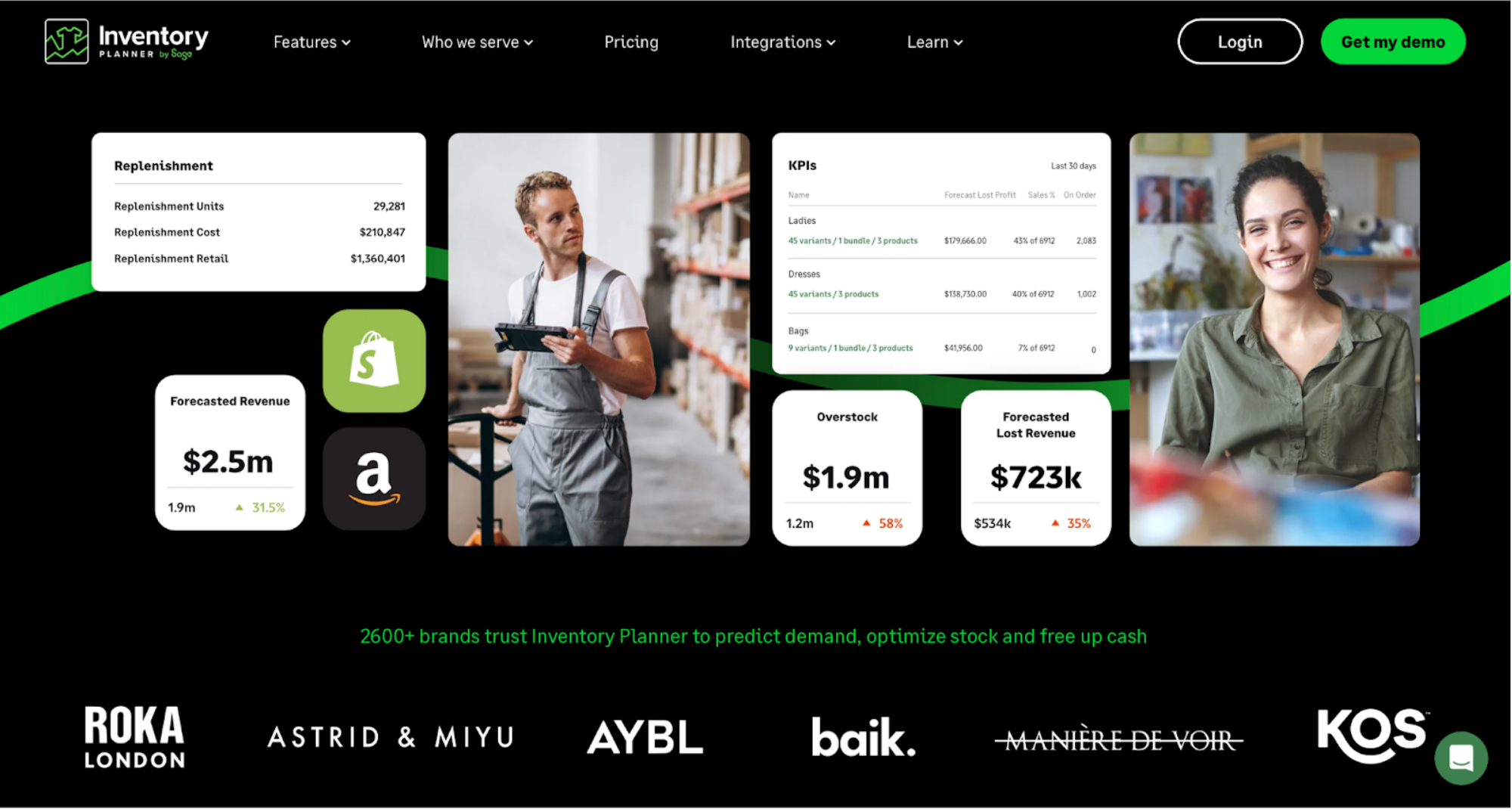
Inventory Planner is a specialized demand forecasting and planning tool that helps Shopify merchants predict future sales, optimize stock levels, and automate replenishment. It’s focused on planning, reporting, and purchasing intelligence so brands keep stock balanced , avoiding both stock-outs and overstock while freeing up cash flow.
Key Features
-
Accurate sales demand forecasting and trends insights
-
Automated purchase order suggestions and replenishment reminders
-
Multi-location inventory planning and reporting
-
Deep analytics and SKU-level visuals
-
Integrates with Shopify & major marketplaces
Pricing
-
Free to install with customized pricing based on business size and needs (quote required)
Quick Thought
If forecasting and smart purchasing decisions matter most for your brand, Inventory Planner gives you the data power to stay ahead.
Insider insight
A lot of brands don’t fail because of bad sales…
They fail because:
-
they overstock slow SKUs
-
run out of bestsellers
-
lock cash in dead inventory
Inventory Planner is used more by:
finance + ops teams
than founders
Review
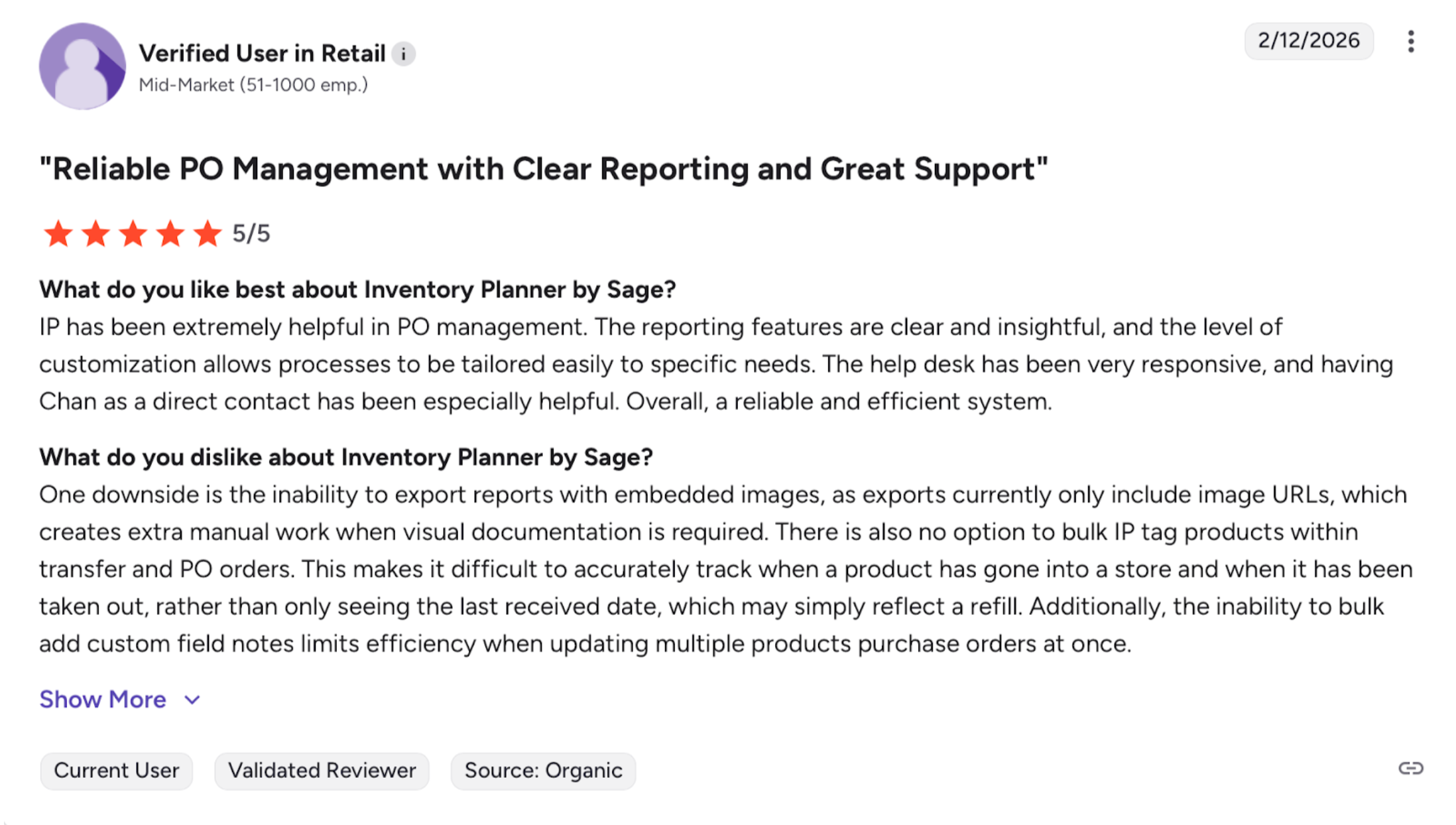
Users describe Inventory Planner as a reliable tool for managing purchase orders and gaining clear, insightful reporting. The platform’s customization and responsive support team are frequently praised. It helps streamline workflows and improve efficiency in inventory planning. However, some limitations around report exports and bulk actions can create additional manual work.
Summary
Inventory Planner is used by scaling brands focused on demand forecasting and inventory optimization. It is trusted by businesses moving toward data-driven inventory and smarter purchase planning.
6. Stock Sync
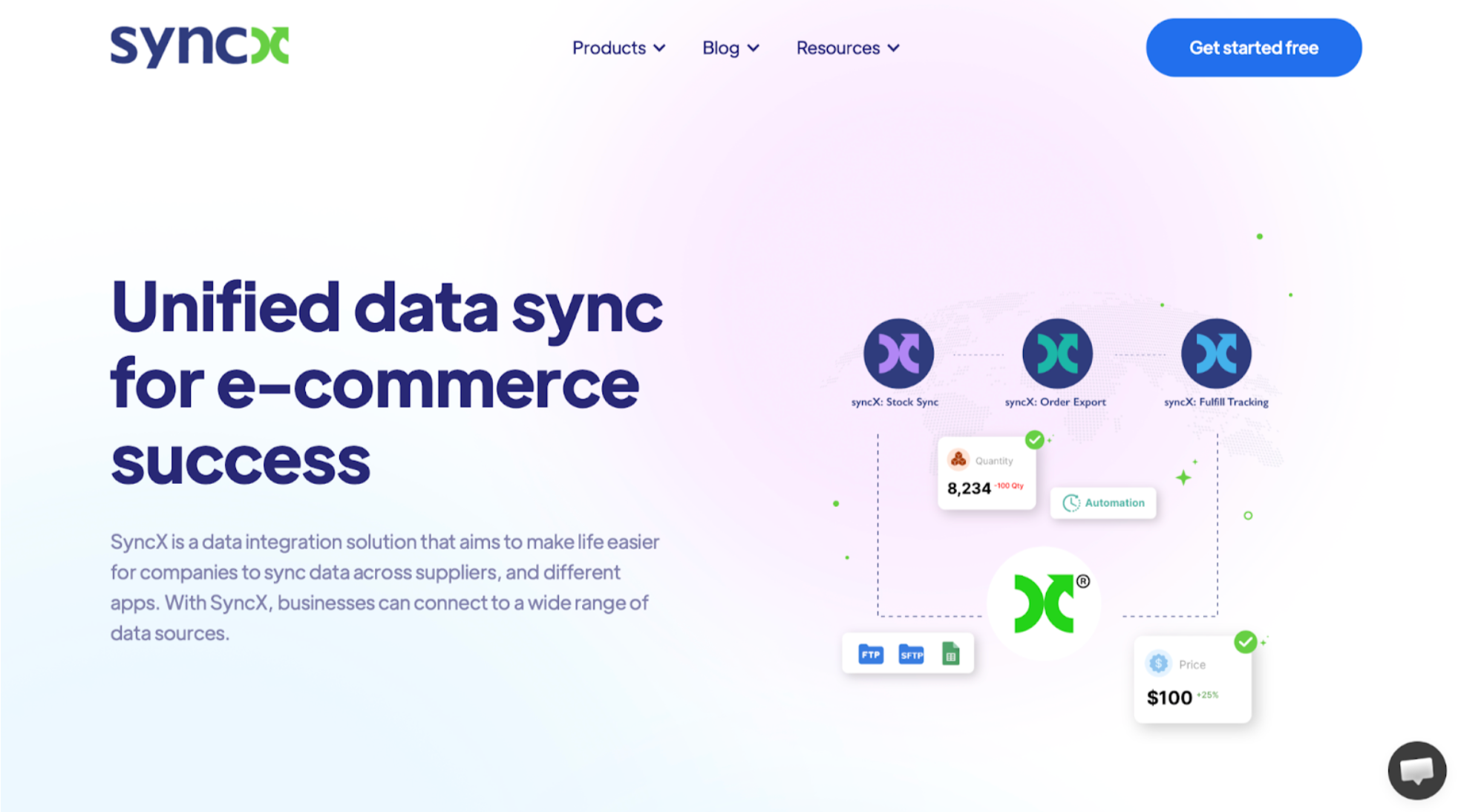
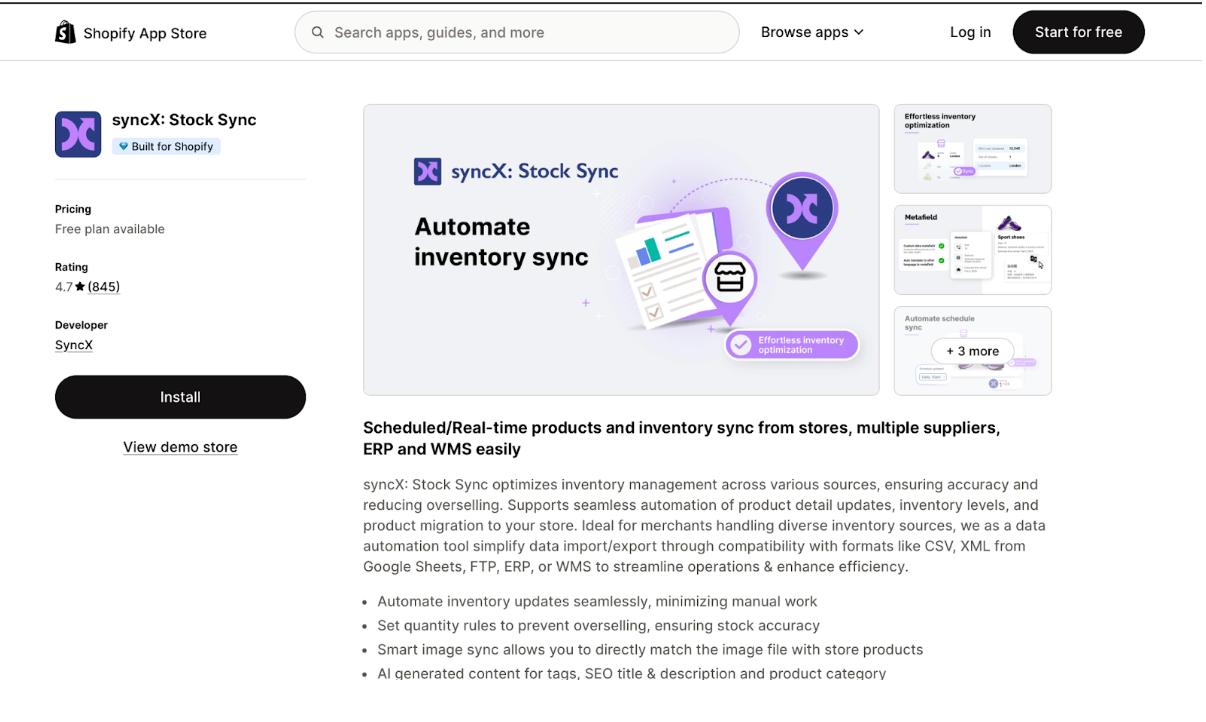
Stock Sync is a flexible automation app that keeps Shopify inventory accurate by syncing stock from multiple sources like suppliers, spreadsheets, ERP feeds, and file formats into your store. It reduces manual updates, prevents overselling, and keeps multi-channel inventory aligned without needing technical skills.
Key Features
-
Automated inventory updates from suppliers and external feeds
-
Bulk product and stock updates without manual work
-
Support for CSV, XML, Google Sheets, FTP & API feeds
-
Custom sync rules and detailed logs
-
Works across sales channels and Shopify stores
Pricing
-
Free plan available with basic syncing
-
Paid plans unlock higher sync frequency and larger SKU limits (14-day free trial)
Quick Thought
If your inventory comes from multiple feeds or suppliers and manual updates are slowing you down, Stock Sync automates stock accuracy for you.
Review
Stock Sync users appreciate its ability to sync inventory from multiple supplier sources with different formats. It is seen as a powerful tool for handling complex data feeds like spreadsheets, Google Drive, and FTP. Flexibility in mapping and automation is a major strength for businesses with large catalogs. Some users mention that initial setup can be tricky, but performance is excellent once configured.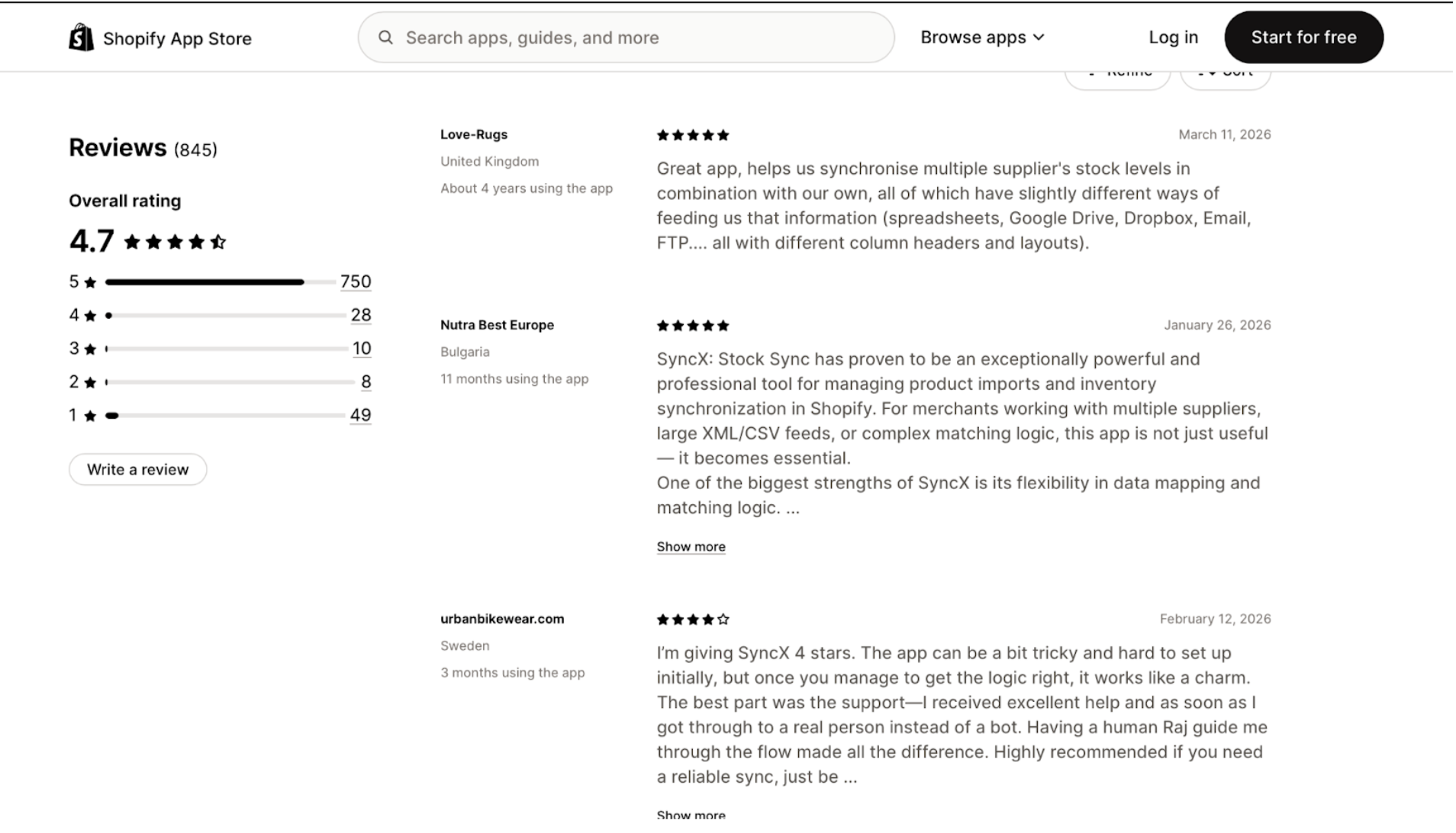
Summary
Stock Sync is trusted by merchants managing supplier-based catalogs and dropshipping operations. It is widely used by Shopify store owners handling complex inventory feeds and multiple data sources.
So… Which One Is Actually Best for You?
-
For AI forecasting and smart reorder planning: Prediko gives clear demand visibility and fast purchase workflows for scaling Shopify brands.
-
For multi-channel inventory control: Sumtracker keeps stock aligned across Shopify, Amazon, and marketplaces with strong operational clarity.
-
For production and manufacturing workflows: Katana connects raw materials, production scheduling, and finished goods inventory in one system.
-
For warehouse-heavy fulfillment operations: SKULabs delivers barcode workflows, picking automation, and multi-location execution for high-volume brands.
Conclusion
Inventory in the USA moves fast because customers expect speed, accuracy, and real-time availability across every channel. When your Shopify or Shopify Plus store grows, inventory quietly becomes the system that keeps everything connected, from forecasting and purchasing to fulfillment and delivery.
The tools you choose today shape how smoothly your operations scale tomorrow. Some apps help you plan smarter, some help you sync faster, and some help you execute with precision across warehouses.
Take a moment to look at how your brand operates right now and where you want it to go next. When inventory flows with clarity, growth follows naturally across every campaign, every season, and every customer order.
Struggling to choose the right Headless CMS & Headless Commerce tech stack? We’ll help you pick the best solution for your business! Exclusive Offer: 20 Hours of Free Development & Consultation
Book a MeetingFrequently Asked Questions
There isn’t a single “best” app — it depends on your biggest bottleneck.
-
For forecasting → Prediko
-
For multi-channel sync → Sumtracker
-
For manufacturing → Katana
-
For warehouse operations → SKULabs
The best app is the one that fixes what’s currently breaking in your operations.
If you’re doing more than 20–30 orders/day, then yes.
Manual tracking (aka spreadsheets + vibes) starts breaking very quickly when:
-
you sell across multiple channels
-
manage multiple warehouses
-
or scale ads
Inventory errors = lost revenue + bad customer experience.
Inventory tracking tells you what you have right now.
Inventory forecasting tells you what you’ll run out of next.
Most basic apps track.
Advanced tools (like Prediko, Inventory Planner) help you plan.
Indirectly, yes — and often significantly.
They help you:
-
avoid stockouts of bestsellers
-
prevent overstocking slow-moving products
-
plan purchases based on demand
Which means better cash flow, higher availability, and more consistent sales.