

Words that inspire, ideas that spark,
stories that stay
5 Best Advanced Data Analytics Platforms for Shopify (2026)
V.Srinidhi Reddy
Wednesday, April 22nd, 20267 min read
Table of content
5 Best Advanced Data Analytics Platforms for Shopify (2026)
Introduction
Shopify’s built-in analytics are useful for tracking basic metrics like sales and traffic, but they often fall short when it comes to deep behavioral insights. As your store grows, understanding user journeys, retention, and conversion bottlenecks becomes essential. This is where advanced analytics platforms play a critical role.
Modern analytics tools go beyond page views and revenue tracking. They provide insights into how users interact with your store, where they drop off, and what drives conversions. These platforms help businesses optimize marketing strategies and improve customer experience. (Shopify)
Similar to structured SaaS breakdowns in your reference , this guide explores five of the best advanced analytics platforms for Shopify. Each tool is analyzed based on features, usability, and ideal use cases.
TL;DR
|
Platform |
Best For |
Key Highlight |
|
Mixpanel |
Product analytics |
Event-based tracking and funnels |
|
Amplitude |
Behavioral analytics |
Deep retention and cohort analysis |
|
Google Analytics 4 |
Traffic + attribution |
Free and widely integrated |
|
Hotjar |
UX analytics |
Heatmaps and session recordings |
|
Adobe Analytics |
Enterprise analytics |
Advanced segmentation and AI insights |
1. Mixpanel
Founders
Suhail Doshi, Tim Trefren

Overview
Mixpanel is a product analytics platform that focuses on tracking user actions instead of just page views. It uses event-based tracking to monitor behaviors such as clicks, purchases, and feature usage. This makes it highly effective for Shopify stores looking to understand customer journeys.
The platform provides real-time dashboards and powerful funnel analysis tools. Shopify merchants can track conversion paths and identify drop-off points easily. It also integrates with multiple data sources for a unified view.
Reviews
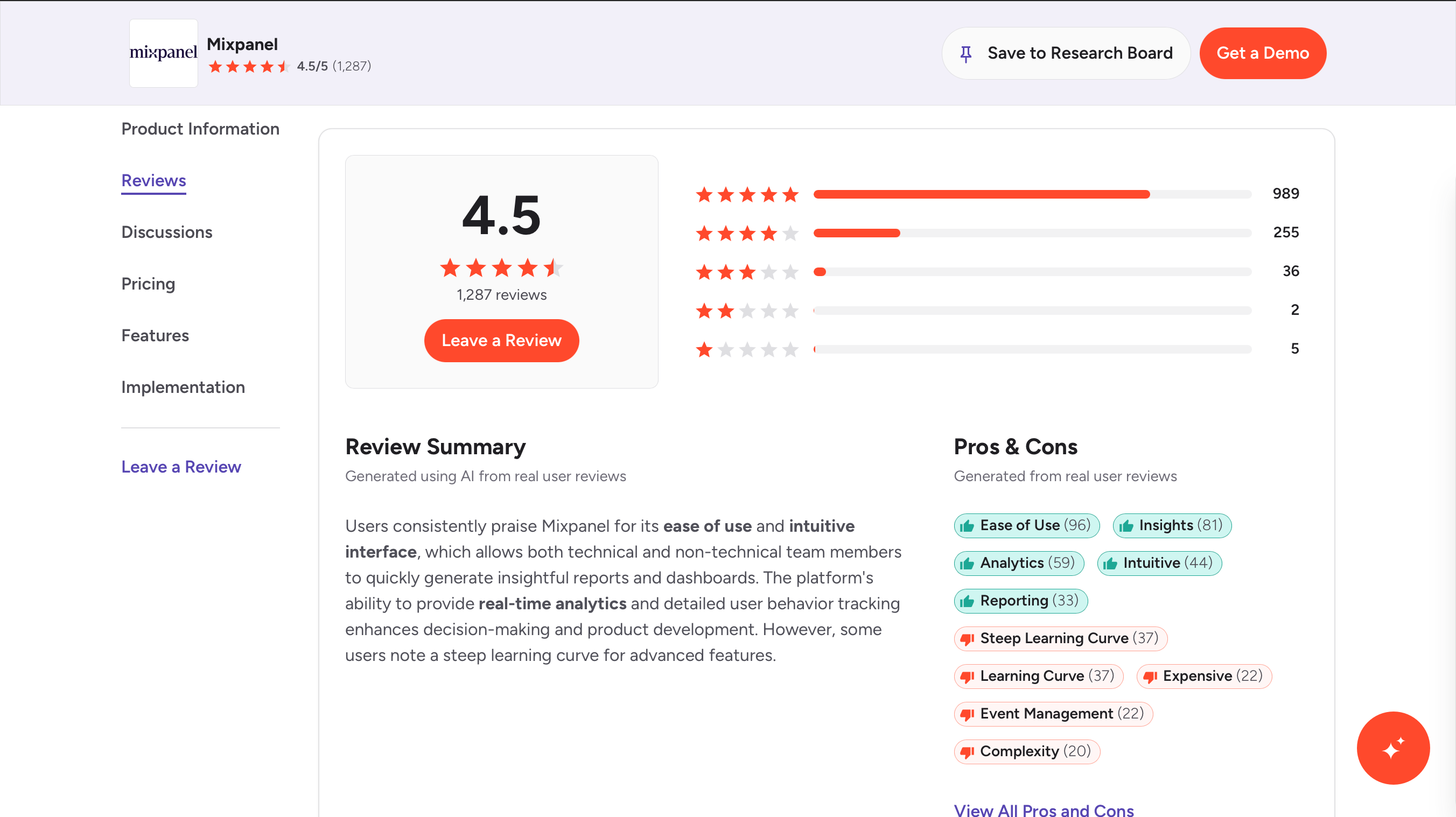
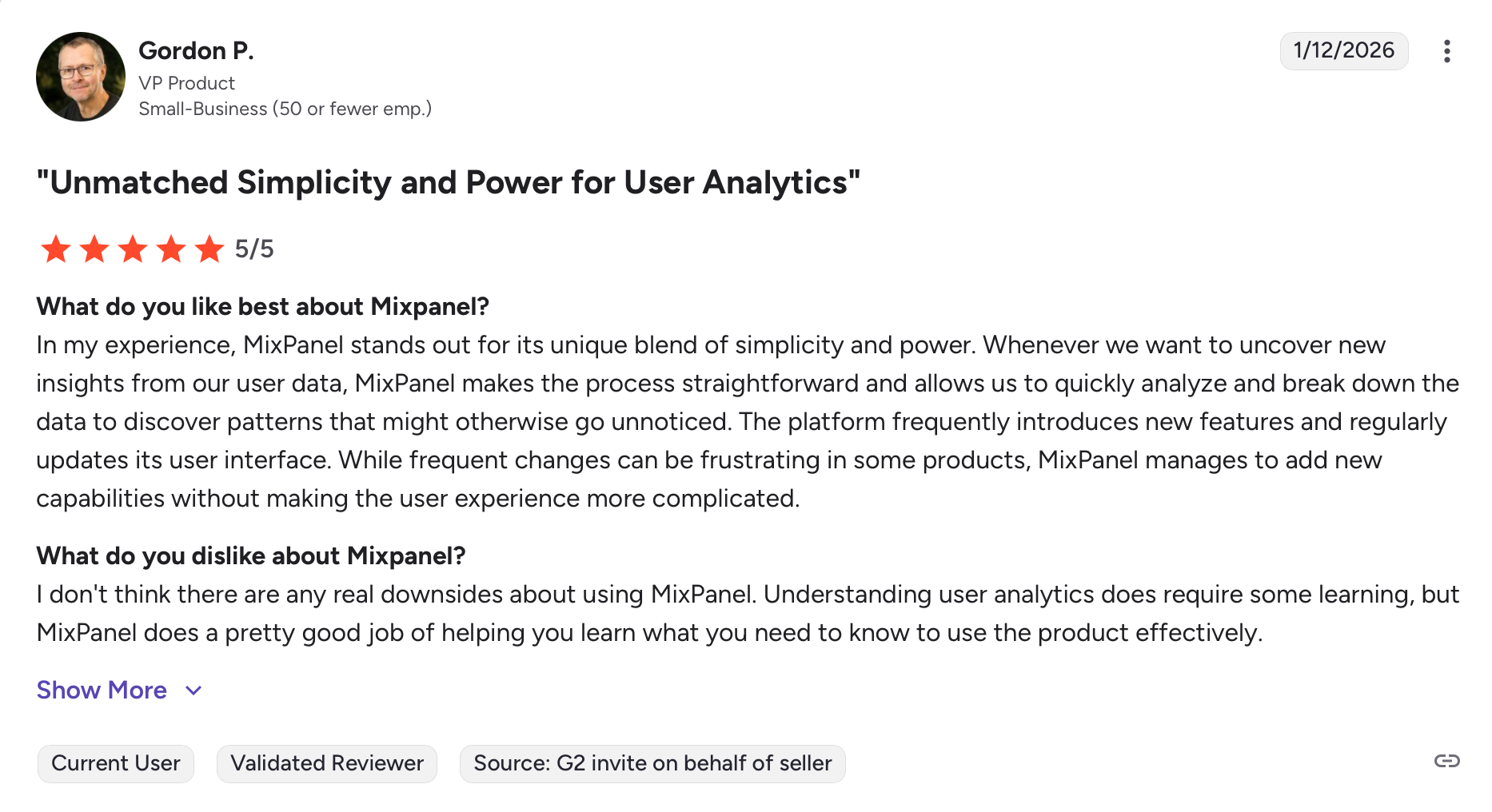
Mixpanel is widely praised for its intuitive interface and ease of use. Many users highlight how quickly they can start tracking meaningful data without heavy technical setup. Its visualization tools simplify complex analytics.Some users note that pricing can increase significantly as data volume grows. However, it remains a popular choice for startups and mid-sized businesses. Overall, it is known for accessibility and speed.
Clients
Uber
Airbnb
Spotify
Pros
Strong event-based tracking
Easy-to-use dashboards
Quick implementation
Cons
Can become expensive at scale
Limited advanced modeling
Summary
Mixpanel is ideal for Shopify brands that want fast insights into user behavior. It excels in funnel tracking and conversion optimization. Overall, it is best for teams prioritizing usability and speed.
2. Amplitude
Founders
Spenser Skates, Curtis Liu

Overview
Amplitude is a behavioral analytics platform designed for deep user analysis. It focuses on understanding how users interact with your store over time. This includes retention, engagement, and lifecycle tracking.
The platform offers advanced features like cohort analysis and predictive insights. It is built for scalability, making it suitable for large Shopify stores. Businesses can analyze millions of user interactions efficiently.
Reviews
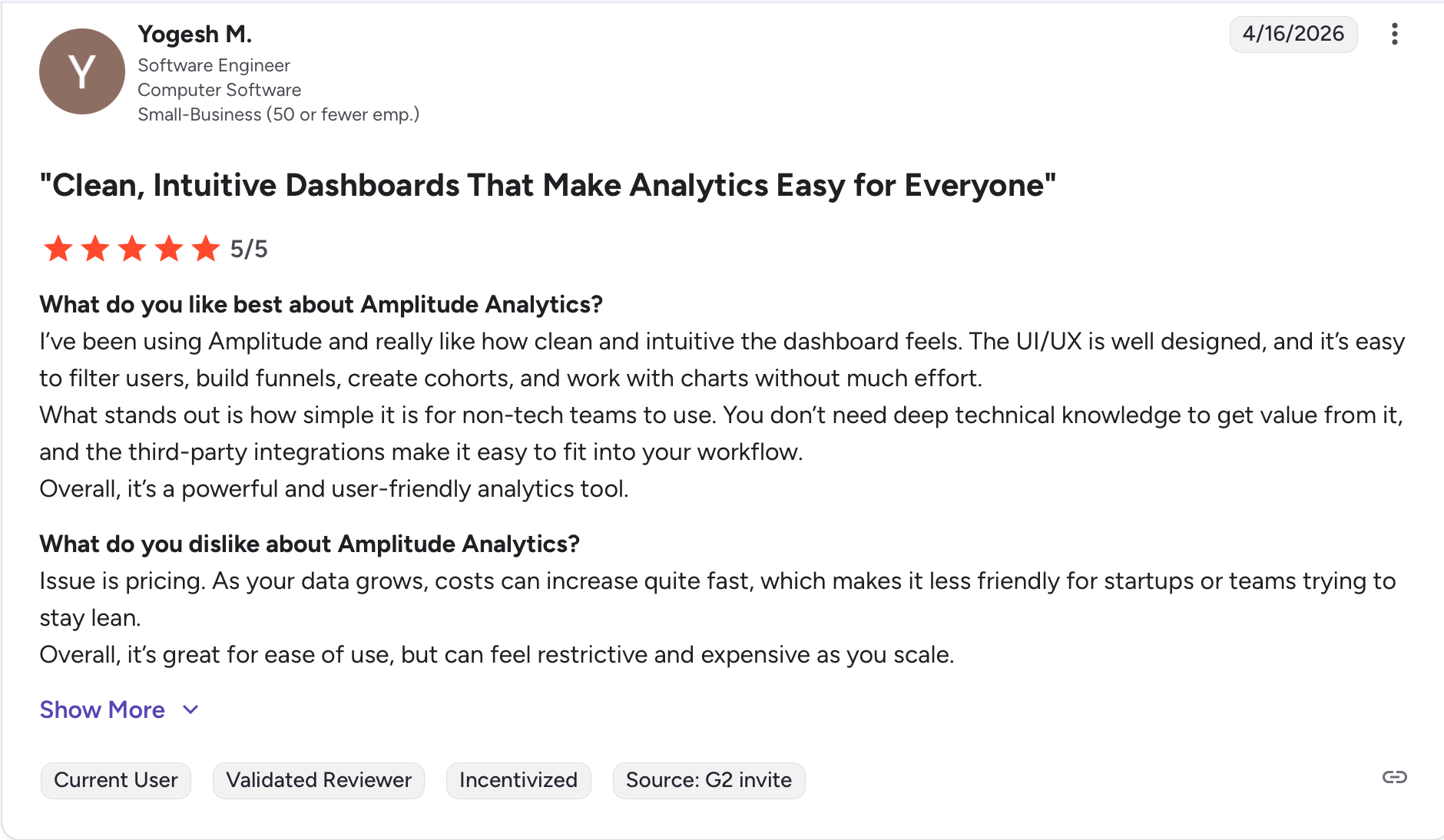
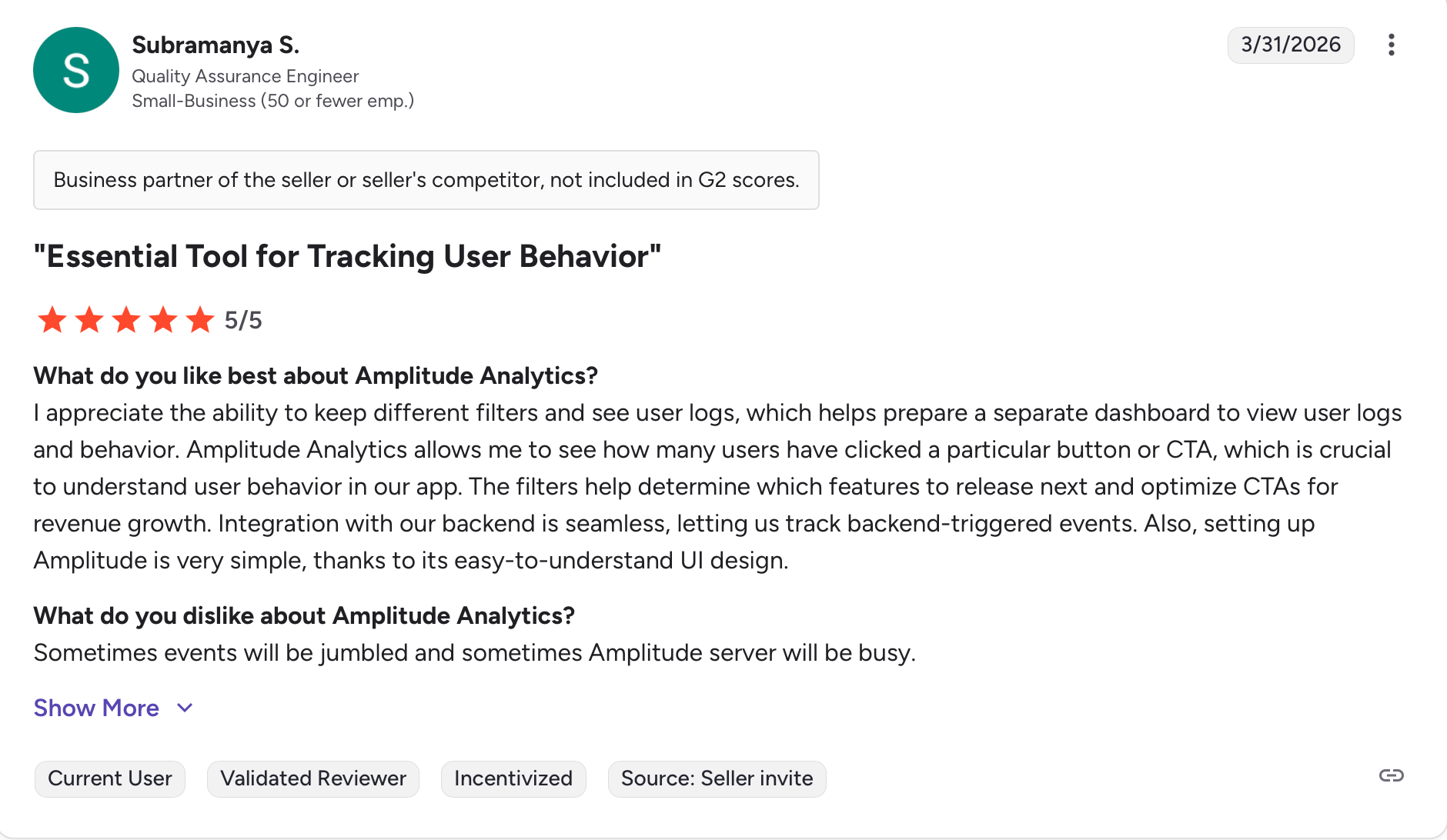
Amplitude is highly rated for its depth and flexibility. Users appreciate its ability to uncover long-term behavioral patterns. It is often preferred by data-driven teams.However, the learning curve is steeper compared to simpler tools. Setup may require technical expertise. Despite this, it is considered one of the most powerful analytics platforms.
Clients
Zoom
Adidas
Twitter
Pros
Advanced retention analysis
Powerful segmentation
Highly scalable
Cons
Complex setup
Steeper learning curve
Summary
Amplitude is best for Shopify brands that need deep behavioral insights. It is ideal for long-term analytics and data-driven decision-making. Overall, it suits scaling and enterprise-level businesses.
3. Google Analytics 4
Overview
Google Analytics 4 (GA4) is a widely used analytics platform that tracks website traffic and user behavior. It provides insights into traffic sources, conversions, and engagement. Shopify stores often use it as a baseline analytics tool.
GA4 supports event-based tracking and integrates seamlessly with other Google products. It offers predictive insights and cross-platform tracking. This makes it useful for both beginners and advanced users.
Reviews

GA4 is appreciated for being free and highly accessible. Many users rely on it as their primary analytics tool. It provides a comprehensive overview of website performance.
However, some users find the interface complex and less intuitive than older versions. Despite this, it remains a standard tool for most businesses. It is widely trusted and adopted.
Clients
Global usage across industries
Pros
Free to use
Strong integration ecosystem
Comprehensive tracking
Cons
Complex interface
Limited deep product analytics
Summary
GA4 is a foundational analytics tool for Shopify stores. It provides essential insights into traffic and conversions. Overall, it works best when combined with more advanced tools.
4. Hotjar
Overview
Hotjar focuses on user experience analytics rather than traditional data tracking. It provides heatmaps, session recordings, and user feedback tools. This helps Shopify merchants understand how users interact visually with their store.
The platform is easy to set up and requires minimal technical knowledge. It complements other analytics tools by adding qualitative insights. This makes it valuable for UX optimization.
Reviews
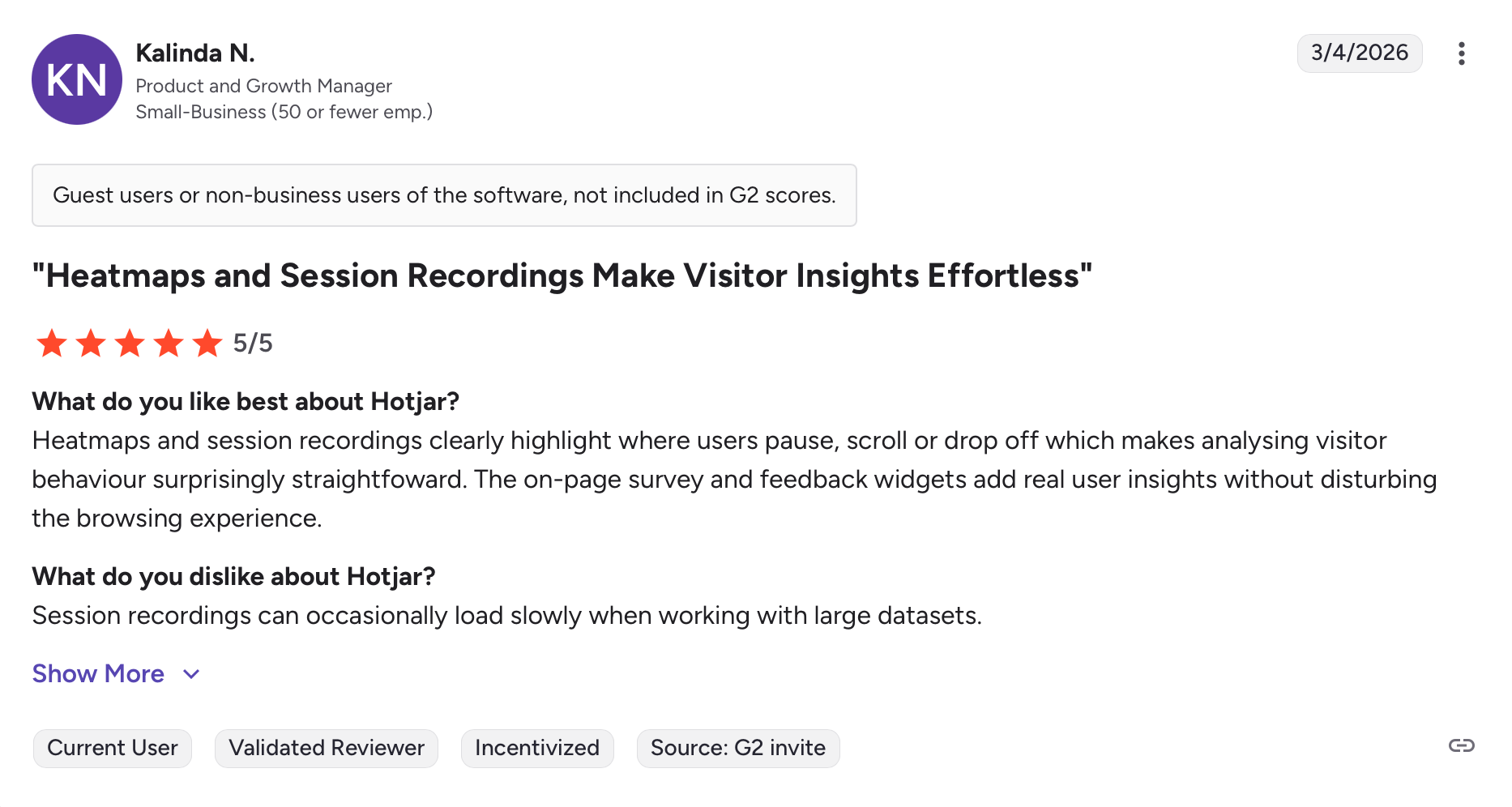
Hotjar is widely praised for its visual insights and simplicity. Users find it helpful for identifying usability issues. The heatmaps and session recordings are particularly popular.
However, it does not provide deep quantitative analytics like Mixpanel or Amplitude. It is best used alongside other tools. Overall, it is strong in UX analysis.
Clients
Shopify stores
Startups
Ecommerce brands
Pros
Heatmaps and session recordings
Easy to use
Strong UX insights
Cons
Limited quantitative data
Not a full analytics solution
Summary
Hotjar is ideal for improving user experience and identifying friction points. It adds visual insights that traditional tools miss. Overall, it works best as a complementary analytics tool.
5. Adobe Analytics
Overview
Adobe Analytics is an enterprise-grade analytics platform designed for large-scale businesses. It offers advanced segmentation, predictive analytics, and real-time data processing. Shopify Plus brands often use it for deep insights.
The platform integrates with Adobe Experience Cloud for a unified data ecosystem. It supports complex data models and customization. This makes it highly powerful but also complex.
Reviews
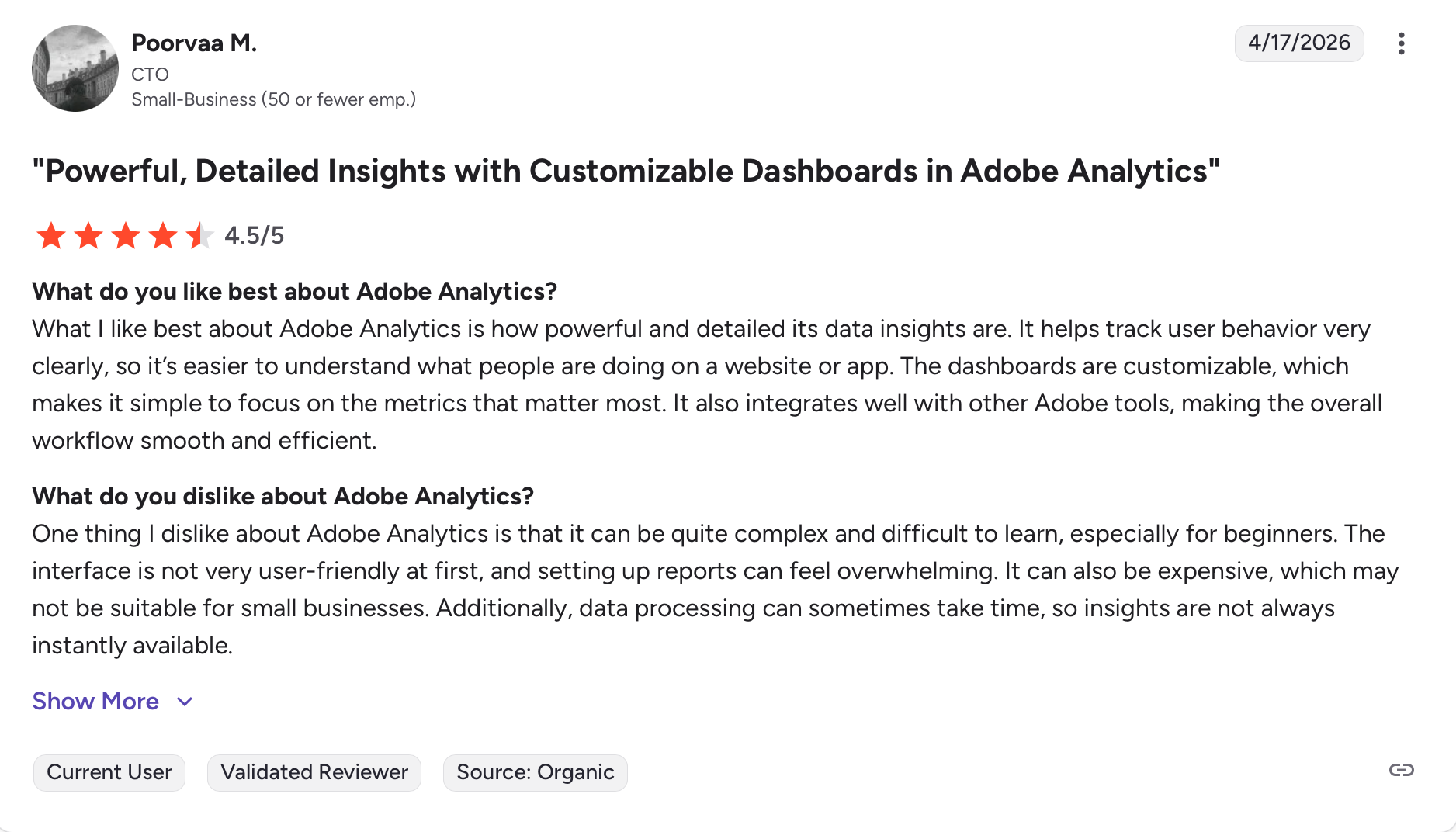
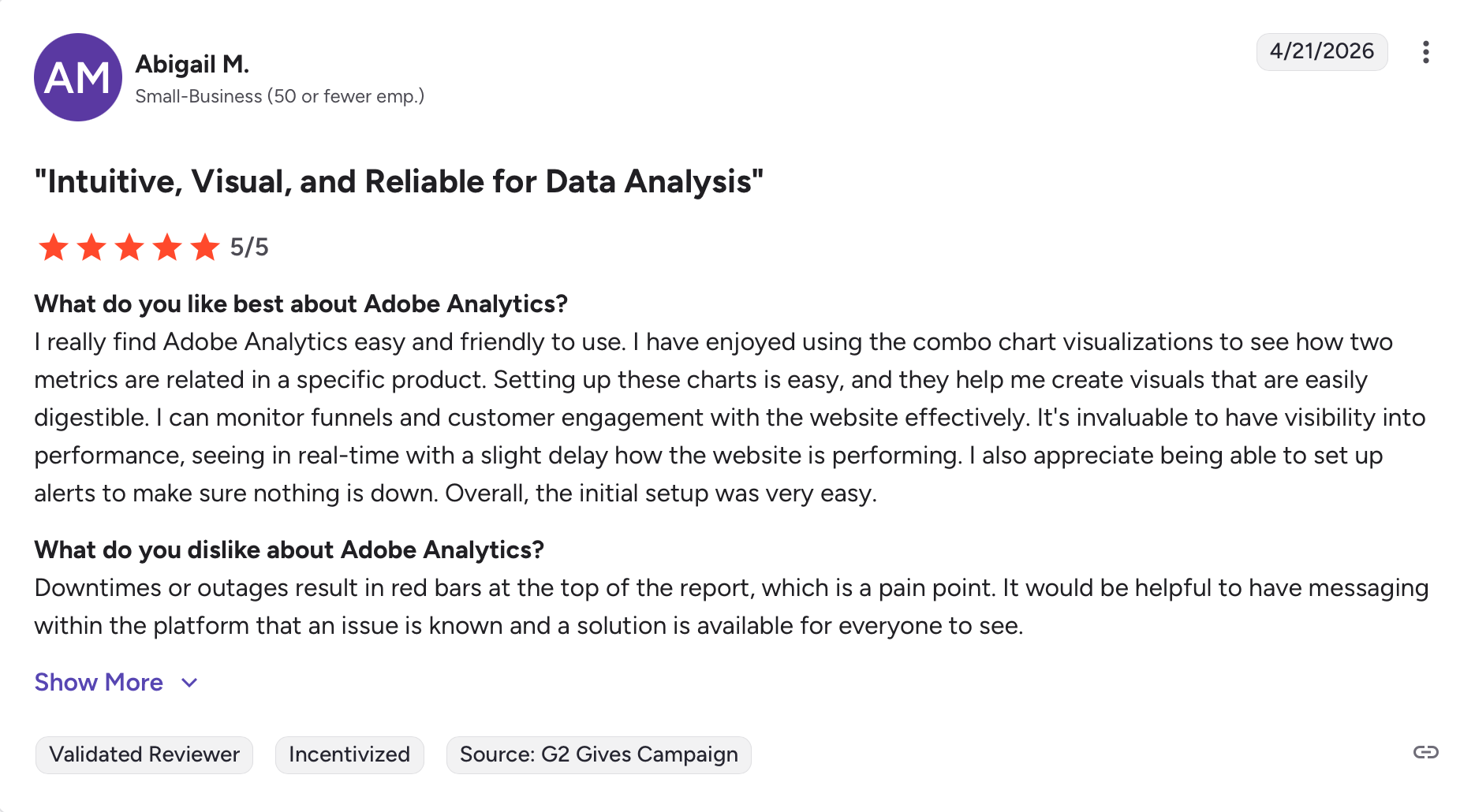
Adobe Analytics is known for its depth and enterprise capabilities. Large organizations appreciate its advanced features and scalability. It provides highly detailed insights.
However, it requires significant setup and investment. Smaller businesses may find it overwhelming. Overall, it is best suited for enterprise use.
Clients
Large enterprises
Global ecommerce brands
Pros
Advanced analytics capabilities
Highly customizable
Enterprise scalability
Cons
Expensive
Complex implementation
Summary
Adobe Analytics is best for enterprise Shopify businesses. It provides deep insights and advanced capabilities. Overall, it is ideal for large-scale operations with complex needs.
How to Choose the Right Analytics Tool for Shopify
Choosing the right analytics platform depends on your business size, goals, and technical resources. Smaller stores may prioritize ease of use, while larger businesses need scalability and advanced insights. Understanding your needs is essential.
If you want quick insights and ease of use, Mixpanel is a strong choice. For deep behavioral analysis, Amplitude is more suitable. For UX improvements, Hotjar adds valuable visual insights.
You should also consider integration capabilities, pricing, and scalability. The right tool should align with your growth stage. Making the right decision can significantly improve your store’s performance.
Conclusion
Advanced analytics tools are essential for Shopify businesses that want to scale effectively. They provide insights that go beyond basic metrics, helping teams understand customer behavior and optimize performance. This leads to better decision-making and higher conversions.
Mixpanel and Amplitude stand out for product and behavioral analytics. Google Analytics provides a strong foundation, while Hotjar enhances UX insights. Adobe Analytics offers enterprise-level capabilities.
As seen in structured comparisons like your reference , the best tool depends on your goals. Choosing the right platform can unlock significant growth opportunities.
Struggling to choose the right Headless CMS & Headless Commerce tech stack? We’ll help you pick the best solution for your business! Exclusive Offer: 20 Hours of Free Development & Consultation
Book a MeetingFrequently Asked Questions
The best tool depends on your needs. Mixpanel is great for funnels, Amplitude for behavior, and GA4 for general analytics.
Yes, many Shopify stores use multiple tools to cover different areas like UX, behavior, and traffic analysis.
It is a good starting point, but advanced tools provide deeper insights into user behavior.
Mixpanel and GA4 are more beginner-friendly compared to advanced platforms like Amplitude or Adobe Analytics.
Yes, they help identify bottlenecks, improve UX, and optimize conversions, leading to higher revenue.