

Words that inspire, ideas that spark,
stories that stay
Best Headless CMS for AWS & DigitalOcean (2026)
V.Srinidhi Reddy
Friday, April 17th, 20265 min read
Table of content
Best Headless CMS for AWS & DigitalOcean (2026 Guide)
Introduction
When choosing a headless CMS for platforms like AWS or DigitalOcean, the decision isn’t just about features—it’s about deployment flexibility, scalability, infrastructure control, and cost efficiency.
Unlike traditional CMS platforms, modern headless CMS solutions are often deployed as API services on cloud infrastructure, which means your choice should align with how well the CMS works with:
-
Containerization (Docker, Kubernetes)
-
Managed databases (RDS, DigitalOcean DB)
-
CDN + edge delivery
-
Auto-scaling environments
The key question is simple:
Can this CMS run efficiently on your own infrastructure without locking you into SaaS pricing?
Let’s break down the top options.
1. Directus
Founders
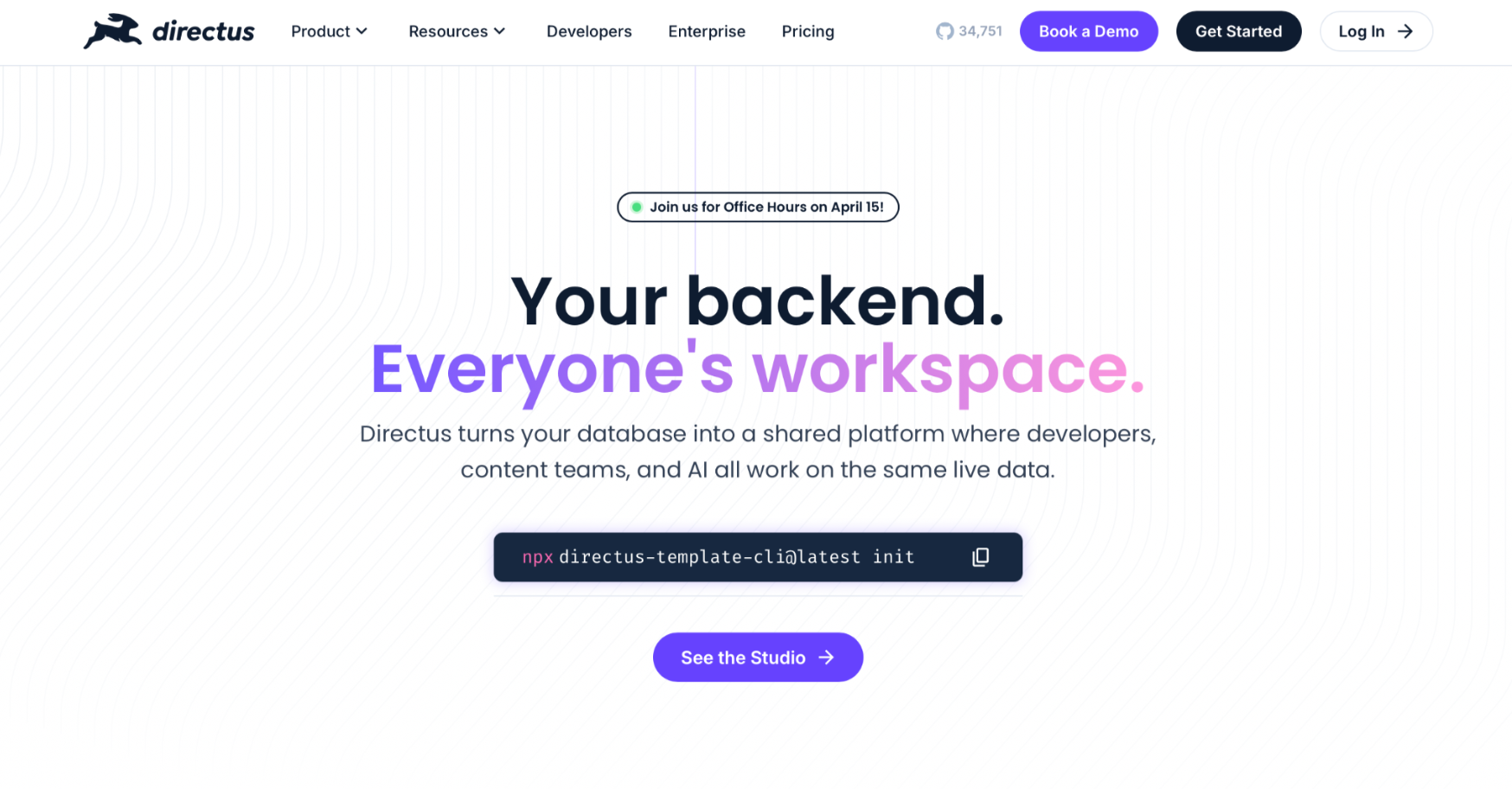
Directus was originally created by Ben Haynes, focusing on database-first content management.
Overview & Review
Directus takes a completely different approach compared to Sanity. Instead of creating a new content system, it sits directly on top of your existing database and turns it into a CMS.
This makes it incredibly powerful for projects where you already have structured data or need full control over your database architecture. For frameworks like Nuxt.js and Astro, Directus works seamlessly by exposing your data via REST or GraphQL APIs.
One of its biggest strengths is that it is non-opinionated about your database, meaning you can design your backend exactly the way you want.
Reddit Insight
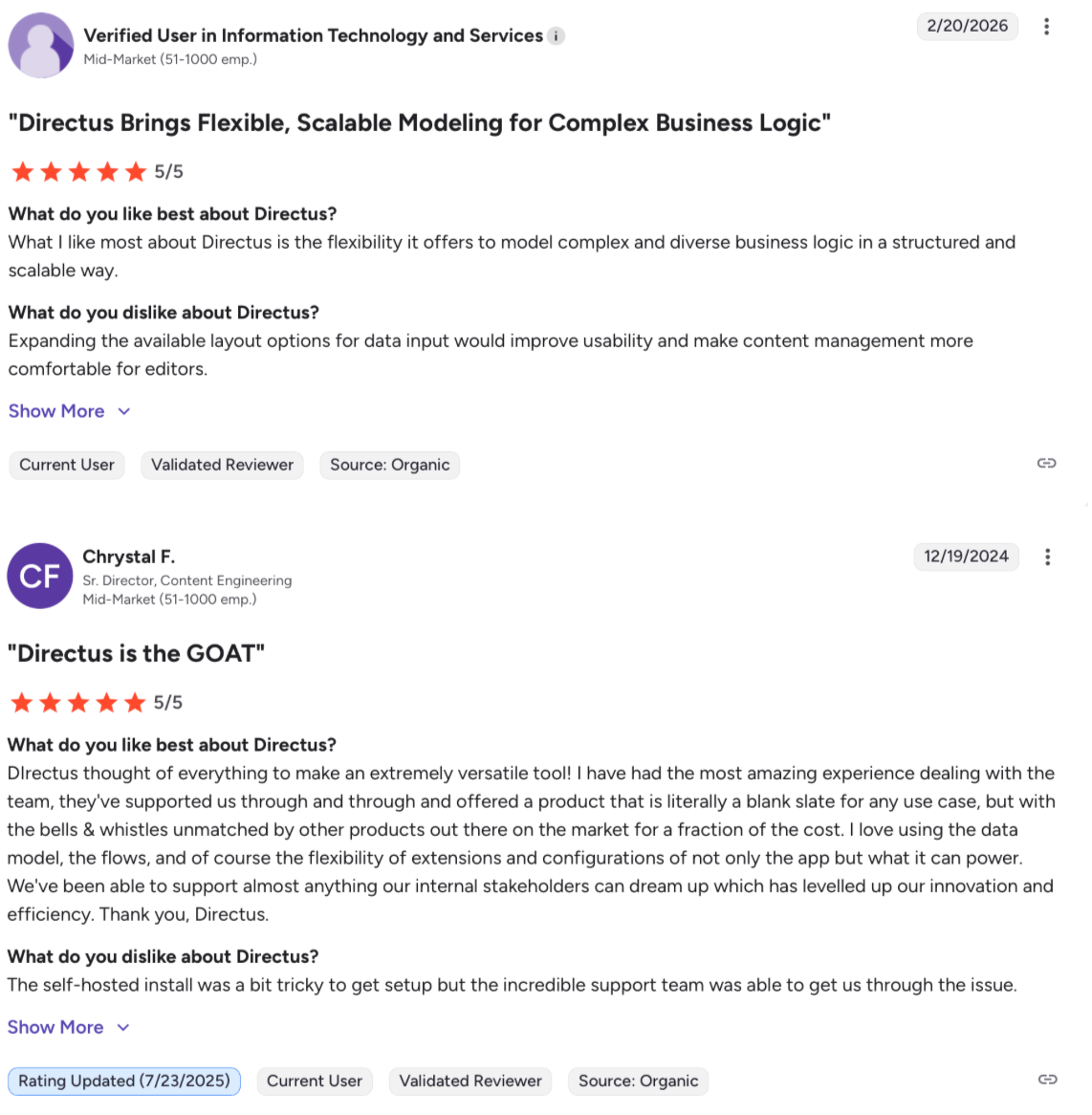
Developers often describe Directus as “perfect if you already have a database and want a CMS layer on top,” which highlights its unique positioning.
Final Take
Directus is ideal for teams that want database-level control and a highly customizable backend system.
2. Payload CMS
Founder
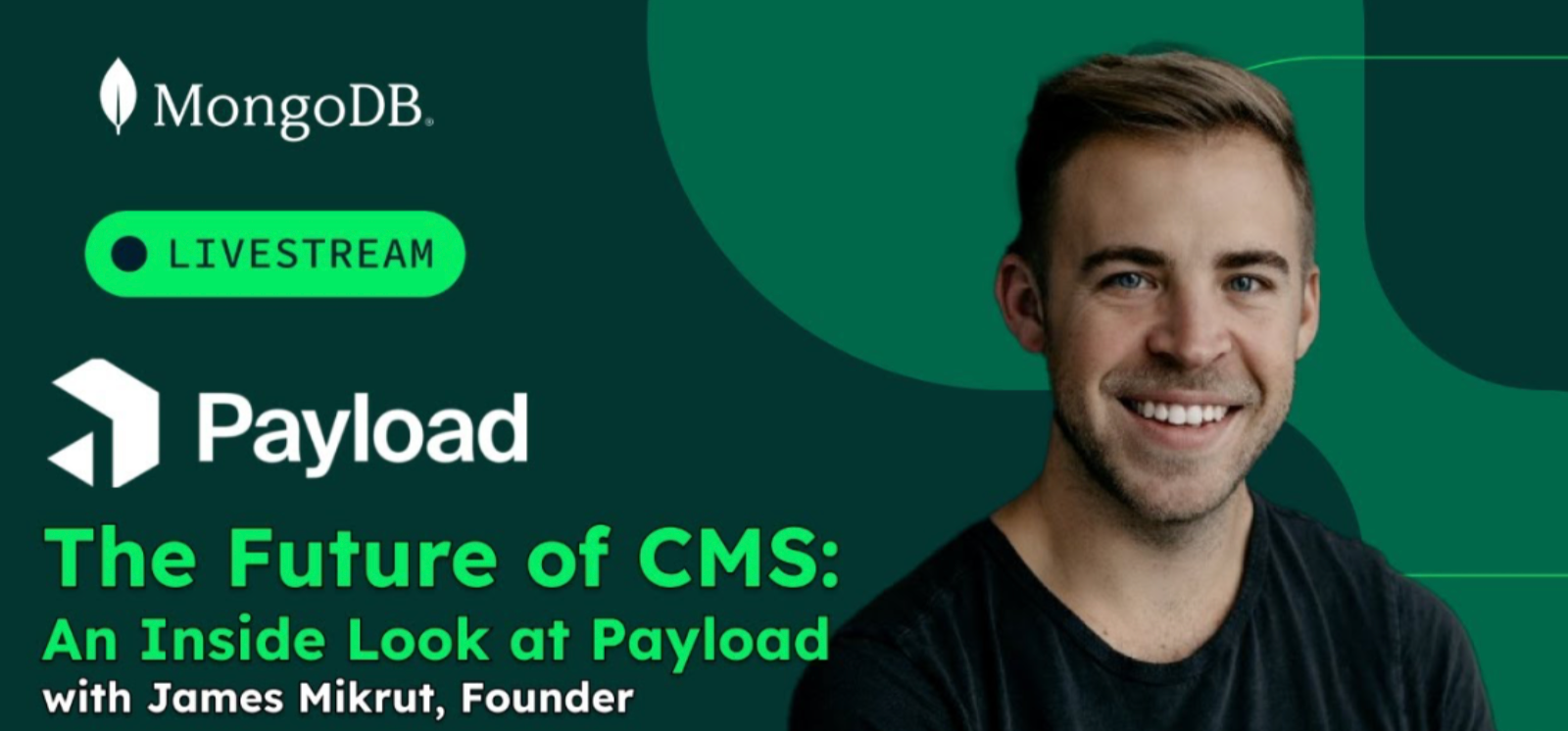
Payload CMS was created by James Mikrut, with a focus on modern developer workflows.
Overview & Review
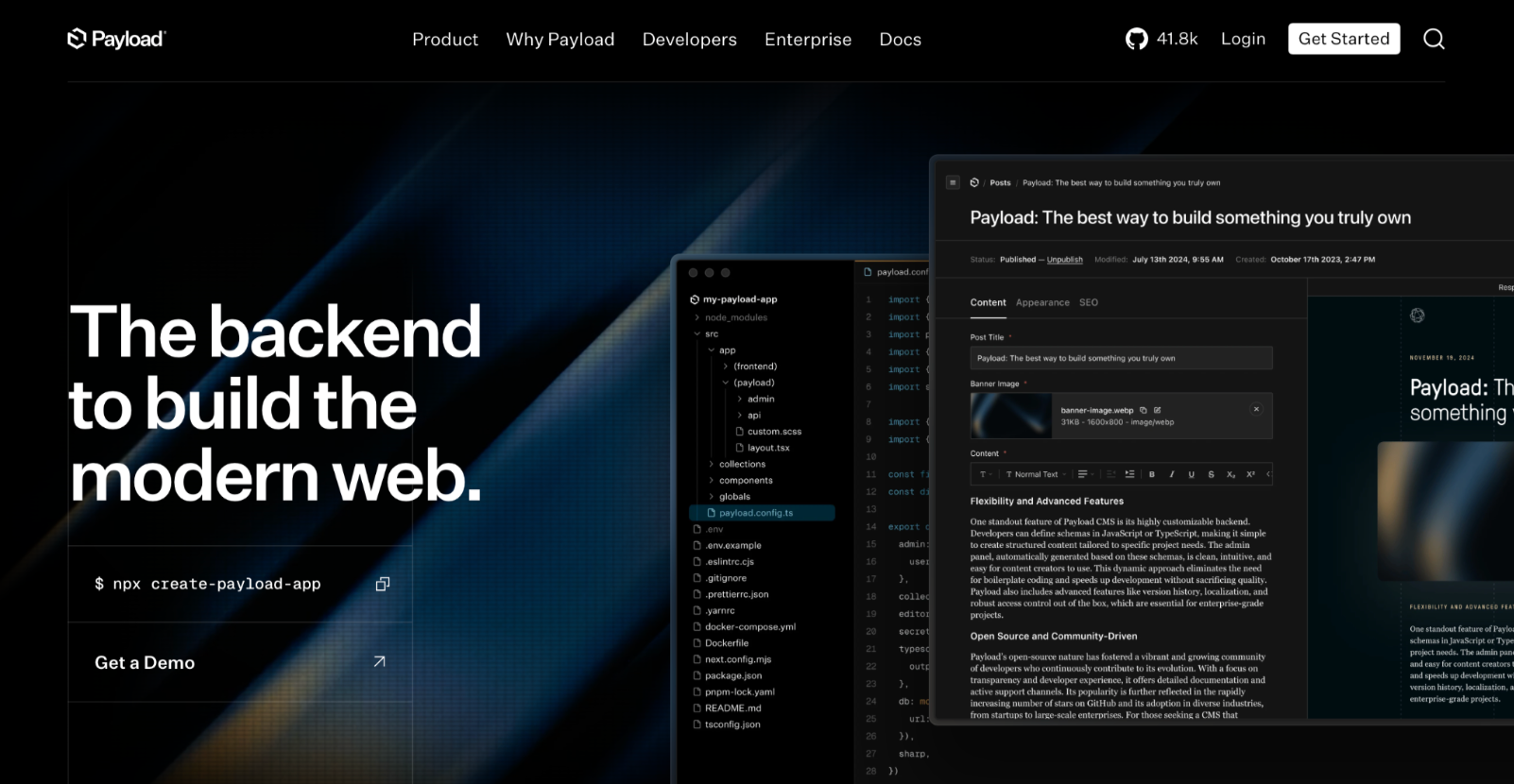
Payload CMS is rapidly becoming a favorite among developers, especially those working heavily with TypeScript. Unlike many CMS platforms, Payload is code-first, meaning your entire content model and backend logic live inside your codebase.
This makes it incredibly powerful for Next.js applications, where you want tight integration between frontend and backend. It also reduces the need for external tools since everything can be managed within a single environment.
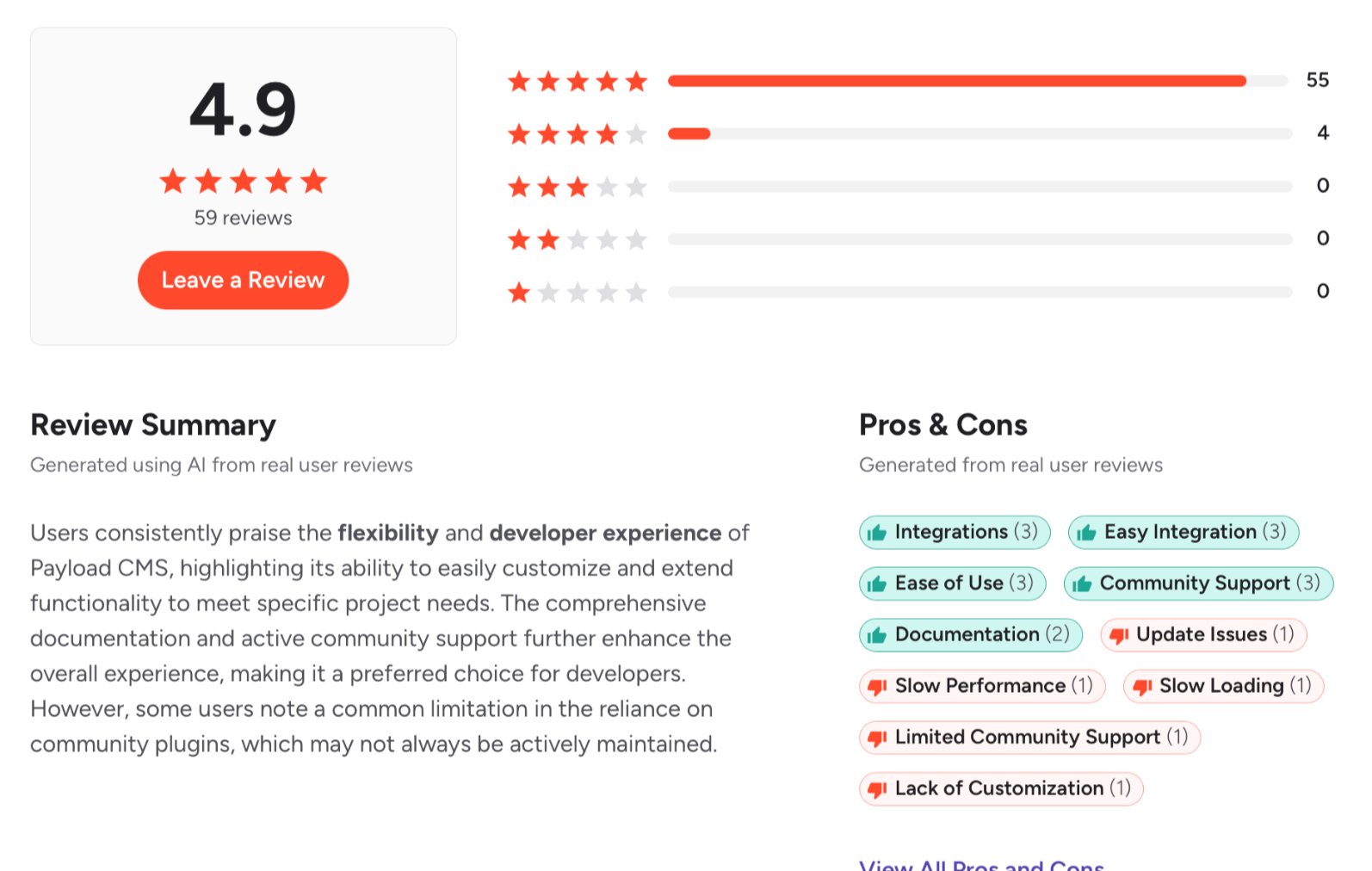
Recent comparisons highlight Payload as the best choice for TypeScript-heavy projects and developer experience, especially when building complex applications.
Reviews
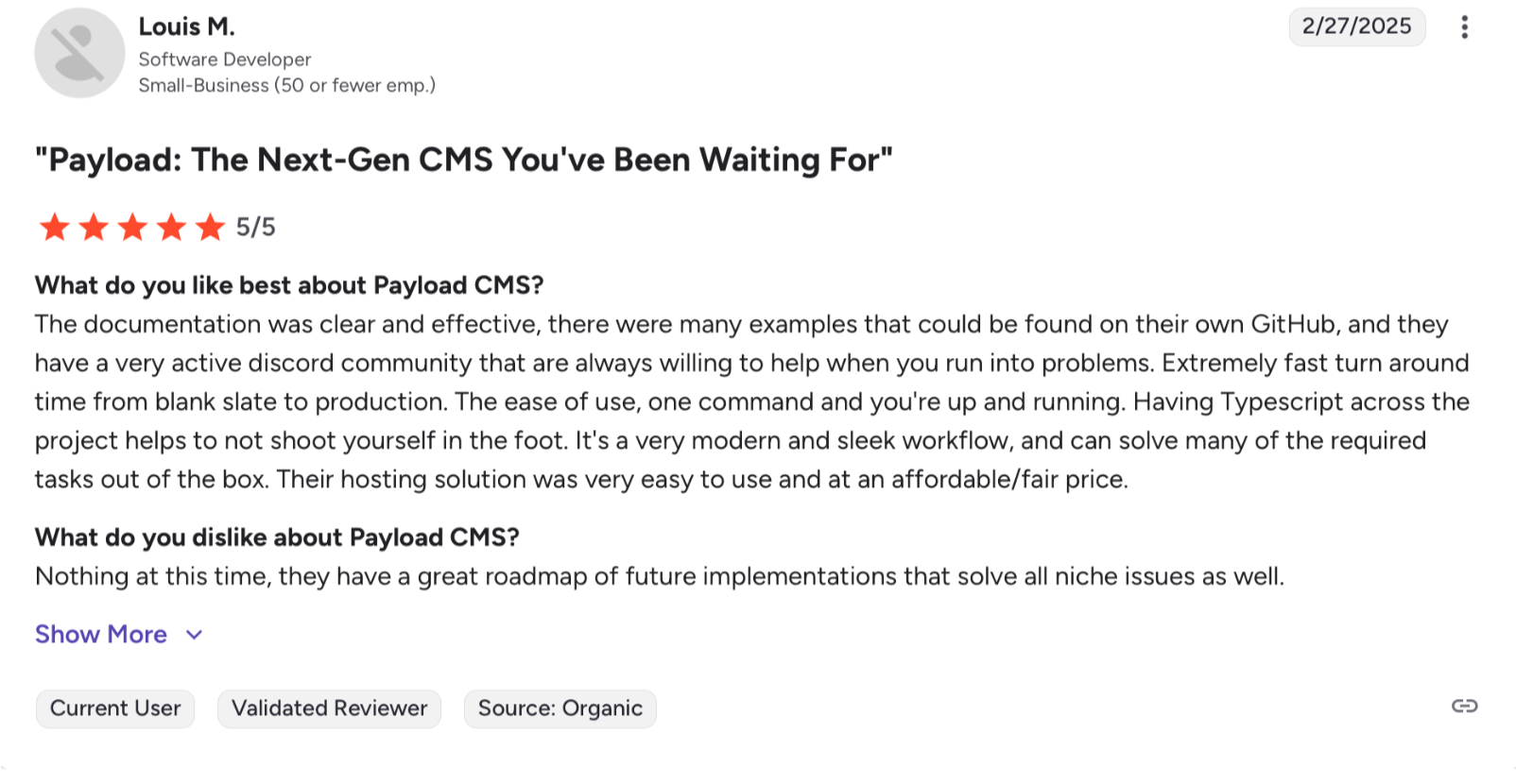
Developers often praise Payload for its “developer-first approach,” especially when compared to more UI-driven CMS platforms.
Final Take
Payload is best for teams that want full control, strong TypeScript support, and a code-first CMS architecture.
3.Sanity
Founders
Sanity was founded by Magnus Hillestad and Even Westvang, with a strong focus on developer-first content workflows.
Overview & Review
Sanity is widely considered one of the best headless CMS platforms for modern frameworks, especially Next.js. Its biggest strength lies in its flexible schema system and real-time collaboration features, which make it feel more like a live content database than a traditional CMS.
For Next.js and Astro projects, Sanity integrates extremely well thanks to its support for real-time updates, preview mode, and API-driven content delivery. Developers can define exactly how content is structured, which is critical when building dynamic applications.
According to industry comparisons, Sanity stands out for its custom schema builder and strong API capabilities, making it ideal for projects with complex data needs.
Reviews
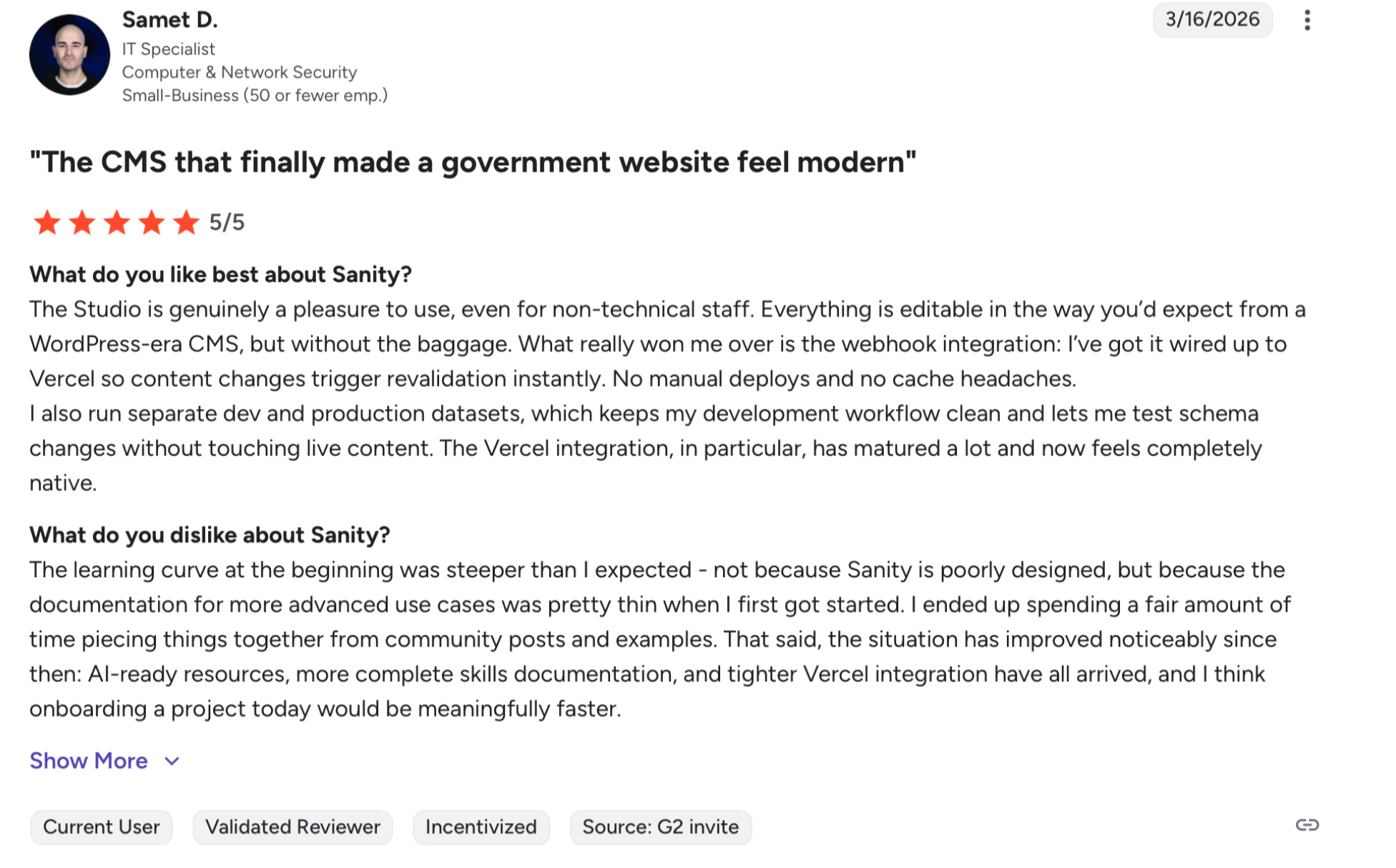
Developers consistently recommend Sanity for flexibility. One common sentiment is that it allows you to “model anything,” which is a huge advantage for custom builds.
Final Take
Sanity is best for teams that want maximum flexibility, real-time collaboration, and strong integration with modern frameworks.
What Developers Say
Across Reddit and developer communities:
-
Directus is praised for database flexibility and easy deployment
-
Payload is gaining traction for DevOps + TypeScript workflows
-
Sanity is loved for speed and UX, but criticized for vendor lock-in
One honest takeaway from discussions:
“If you want control → Directus/Payload. If you want ease → Sanity.”
Final Verdict
When choosing a headless CMS for AWS or DigitalOcean, the decision comes down to control vs convenience.
If your priority is full infrastructure ownership and scalability, Directus is one of the best options available. If you want a developer-first, code-driven backend that integrates deeply with modern stacks, Payload is the strongest choice.
But if you prefer speed, simplicity, and managed infrastructure, Sanity still holds a strong position.
The trend in 2026 is very clear:
Teams building on AWS and DigitalOcean are moving toward self-hosted, composable CMS architectures for better control, cost efficiency, and long-term scalability.
Struggling to choose the right Headless CMS & Headless Commerce tech stack? We’ll help you pick the best solution for your business! Exclusive Offer: 20 Hours of Free Development & Consultation
Book a MeetingFrequently Asked Questions
Directus, Payload, and Sanity are among the best options. Directus offers database-level control, Payload is ideal for code-first development, and Sanity provides a managed, easy-to-use solution.
Directus and Payload are the best choices for self-hosting on AWS or DigitalOcean because they offer full control over infrastructure, scalability, and deployment without SaaS lock-in.
Yes, but with limitations. Sanity is great for speed, real-time collaboration, and ease of use, but it is a SaaS platform, which means less control compared to self-hosted options like Directus or Payload.