

Words that inspire, ideas that spark,
stories that stay
Best Headless CMS 2026
Vipul Uthaiah
Monday, December 22nd, 20255 min read
Table of content
Best Headless CMS 2026: Features and Pricing
Wait Wait Waitt……before you start reading . I recommend that you read the background first (scroll to the end).
The intent of this article comes from our experience as a team whose core expertise is using headless CMSs, both for our own projects and for our clients, to achieve better speed, performance, and conversion rates and better SEO. The goal of this article is to share our personal opinions and real-world experience in listing the best headless CMS platforms for 2026, while also positioning ourselves as a team of experts. This helps people who are searching for “best” or “top” headless CMS solutions when they are in high buyer-intent mode.
As an agency that also focuses on better SEO and AI search through the right content and the right technology stack, our goal is to rank this blog post written and published by December 17, 2025, for the year 2026. If we are able to capture and rank for this search without using shady or black-hat methods, it will demonstrate our ability to market, position, and outrank CMS companies that are competing for the same keywords, including our own comparisons.
To be honest, I haven’t tested every CMS on this list myself. However, as a hyper-focused team that has worked with more than 10+ headless CMS platforms over the years, I can personally suggest what we believe is the best headless CMS for 2026. Like others who create these lists, my opinions are largely based on what I’ve learned from working day in and day out with headless technology. This is not a cookie-cutter article.
We will list the top seven best headless CMS platforms, focusing primarily on use cases such as eCommerce, SaaS landing pages, and custom projects where headless CMSs deliver superior flexibility and performance.
I want to start by listing the best and top platforms based not on technology alone but on my strategy. Every business should follow one core principle. Any platform you choose should work for you. Platforms should adapt to your business, not the other way around. Businesses should not be forced to adapt to platforms. In that context, every headless CMS promises better flexibility and customizability.
But but but…
There is always vendor lock-in, licensing headaches, complexity, and pricing concerns.
We will start with the best headless CMS where you can own your data and code. Nothing beats open source, where you have full access to the code, transparency, and the freedom to choose your customization however you want. Self-hosting possibilities are endless.
Open-Source Leadership
The world’s most advanced and widely adopted software solutions are open-source, proving that transparency, flexibility, and community-driven innovation drive technological progress.
Here are some examples of leading open-source projects that power global infrastructure:
-
Linux: Runs 96% of web servers, all top 500 supercomputers, and powers major tech companies like Google, Facebook, and Amazon.
-
Docker: The industry standard for containerization, enabling scalable application deployment.
-
Kubernetes: The leading container orchestration platform, used for managing cloud-native applications at scale.
-
PostgreSQL & MySQL: Open-source databases powering enterprise applications for companies like Apple, Netflix, and Spotify.
-
Apache Kafka: The backbone of real-time data streaming, used by LinkedIn, Uber, and Twitter.
-
Git: The world’s most widely used version control system, enabling collaboration on software development.
-
TensorFlow & PyTorch: Open-source AI and machine learning frameworks, adopted by Google, Tesla, and OpenAI.
Too lazy to read the whole article? Don’t worry. Our CEO has dedicated time to making YouTube videos on choosing the best headless CMS for eCommerce and SaaS, etc, and also comparing different headless CMS platforms.
Here is the YouTube channel link:
https://www.youtube.com/@BishenDP/videos
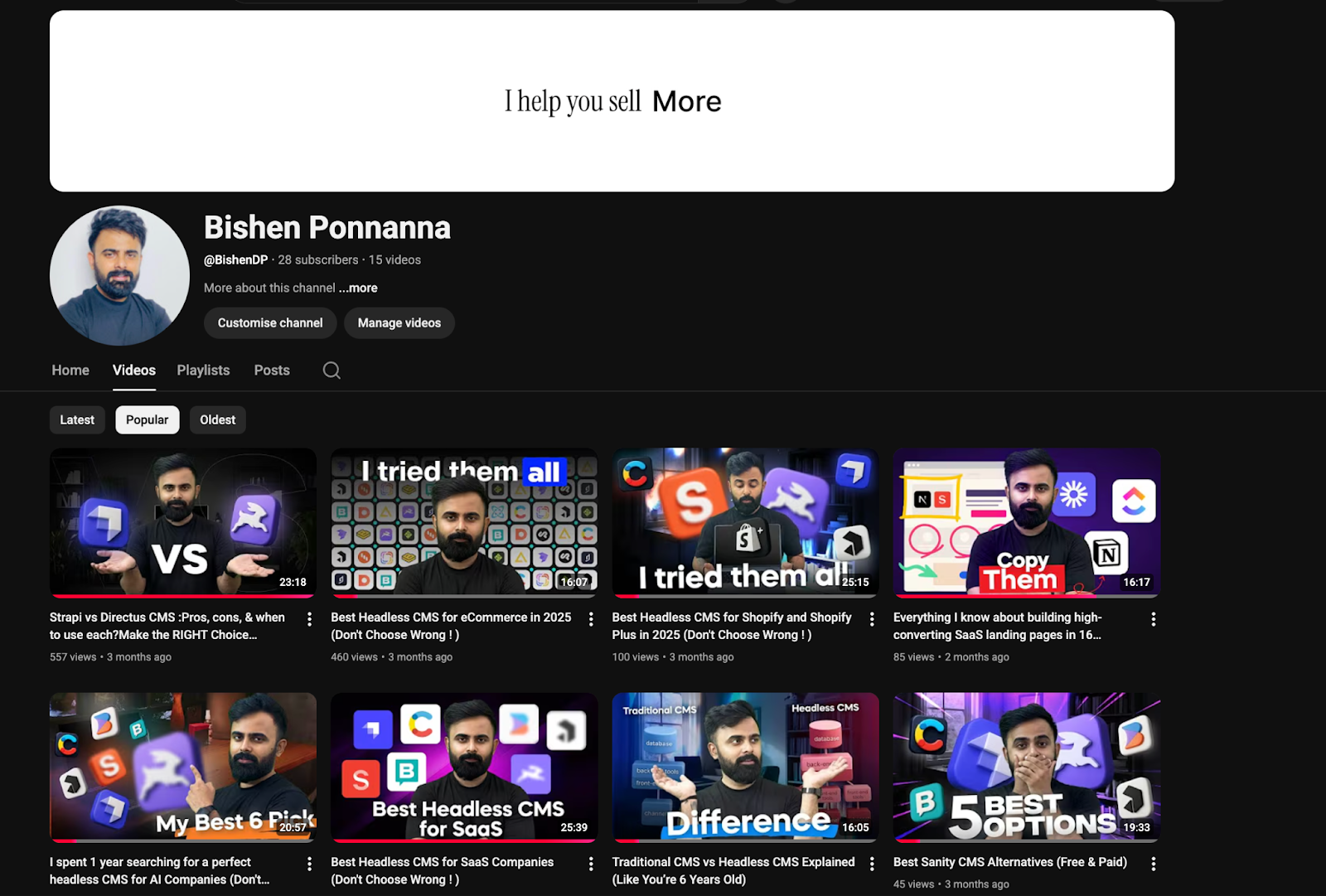
You don’t have to book a meeting or submit your email for someone else to choose the best CMS for you. Take control, consume the insights, and pick the CMS you think is best. 😉
Top 7 Best Headless CMS in 2026
Note: We are partners with many headless CMS platforms. That does not mean we are married to any single one. We will list the best headless CMSs based on the use cases they solve best. If I were to simply list seven CMSs and say these are the best, I would be bullshitting. Every headless CMS is the best at what it is designed to solve. In the end, we will share insights based on our experience.
Sanity
Sanity lets your team create content once and use it everywhere. Think of it like a smart content hub that updates in real-time across all your digital channels. Your content team gets a customizable workspace while your developers get powerful APIs to display that content wherever needed.
 Used By:
-
Puma
-
Tata Digital
-
Morning Brew
-
Aether
-
Figma
In simple words
For Sanity, we value the fact that most of the CMS is open source, allowing you to customize it however you want. However, it is important to note that the data layer requires using Sanity’s cloud. Technically, it is a hybrid of open source and SaaS. That said, Sanity CMS is excellent for companies looking to build landing pages, blogs, and also power eCommerce storefronts. Sanity is fully structured content first, AKA best for SEO, and now AI SEO.
Directus
Directus is an open-source system that works directly with your existing database rather than forcing you into predetermined structures. Developers get complete technical control over their data, while content teams enjoy a user-friendly visual interface. This balanced approach gives businesses both the security and flexibility they need, making it perfect for organizations that want to protect their data while remaining agile.
 Used By:
-
Ripley Entertainment
-
Copa Airlines
-
Walmart
-
T-Mobile
-
Adobe
In simple words
We love Directus. Why? Because it is not just a headless CMS. The way I see it, it is a backend as a service and much more than a CMS. You can pretty much build anything with it. It acts as a data layer.
If you want to build a simple blog or landing page, it is done. If you want to build a custom PIM using just Directus, it is easy. If you want to build a CRM, internal tools, dashboards, or a custom admin panel over the Directus API, it is also easy. Think of it as Node.js on steroids, but without writing 50 percent of the boilerplate code for CRUD, RBAC, and all the boring starting code. Directus already provides that and gives you a UI to build the modules you want.
Payload CMS
Payload is like having your own custom-built content system. It runs on your own servers, giving you complete control and ownership. It's especially good for developers who want to build unique experiences without being limited by pre-made templates. Also open source.
 Used By:
-
Microsoft
-
ASICS
-
Blue Origin
-
Hello Bello
-
Dribbble
In Simple words
Whatever I said about Directus also applies to Payload, but Payload is the big brother of Directus and even more customizable. It is in the top three list because it requires writing more code and is better suited for developers. The increased flexibility and customizability come at a cost. Only developers can build and configure it. Every small change needs to be coded and deployed, and application modules are not generated through a UI inside the CMS. Instead, you need to write code.
Strapi
Strapi gives you a complete content system that you control and host yourself. It's free to use and can be completely customized to fit your exact needs. It's popular with development teams who want full technical control without starting from scratch.
 Used By:
-
PostHog
-
Société Générale
-
Mug and Snug
-
Shelt.in
-
Toyota
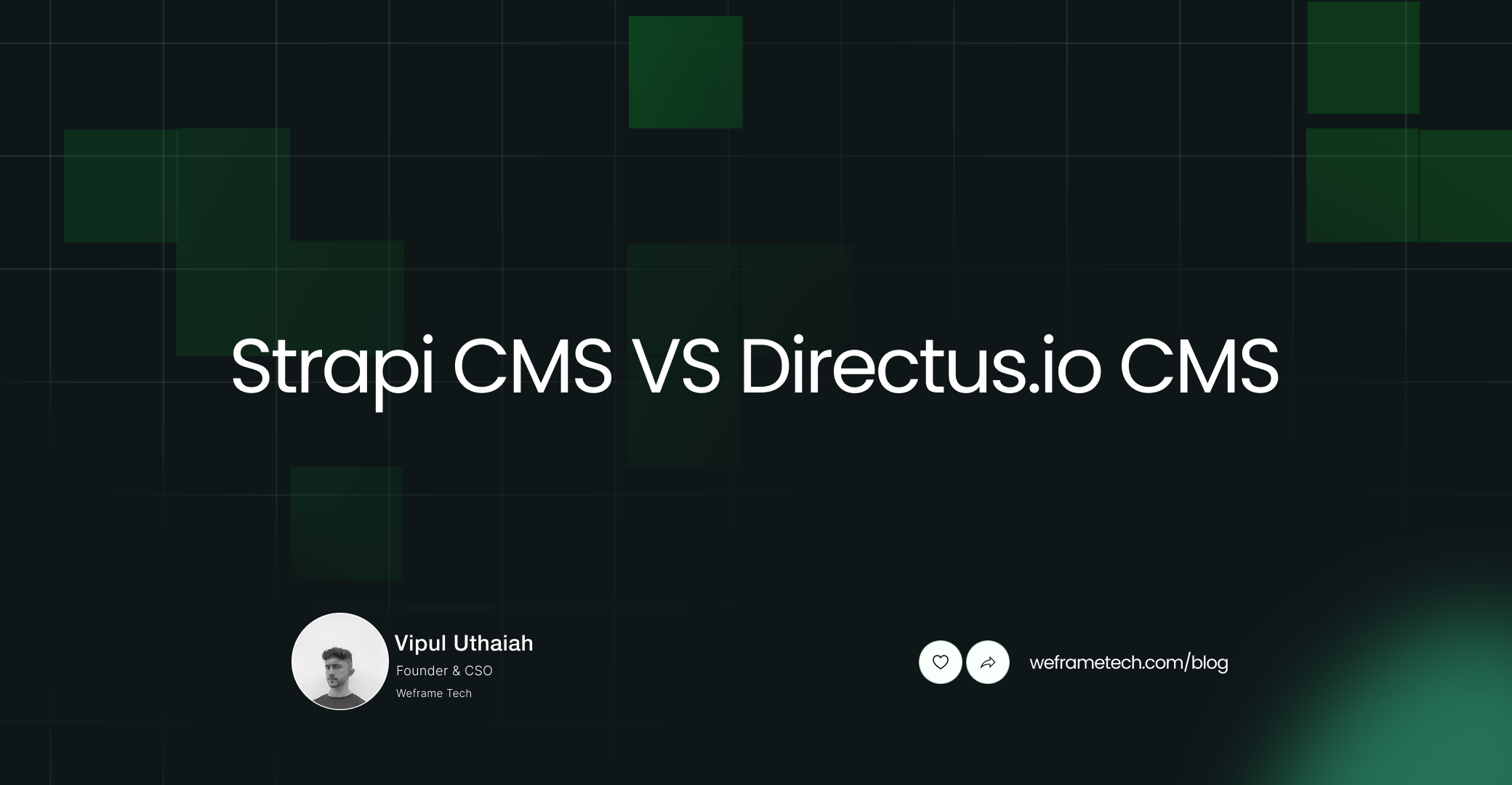
In simple words, it is the best open source headless CMS, but it has its own limitations compared to Payload CMS and Directus CMS.
Read this dedicated article for a detailed comparison.
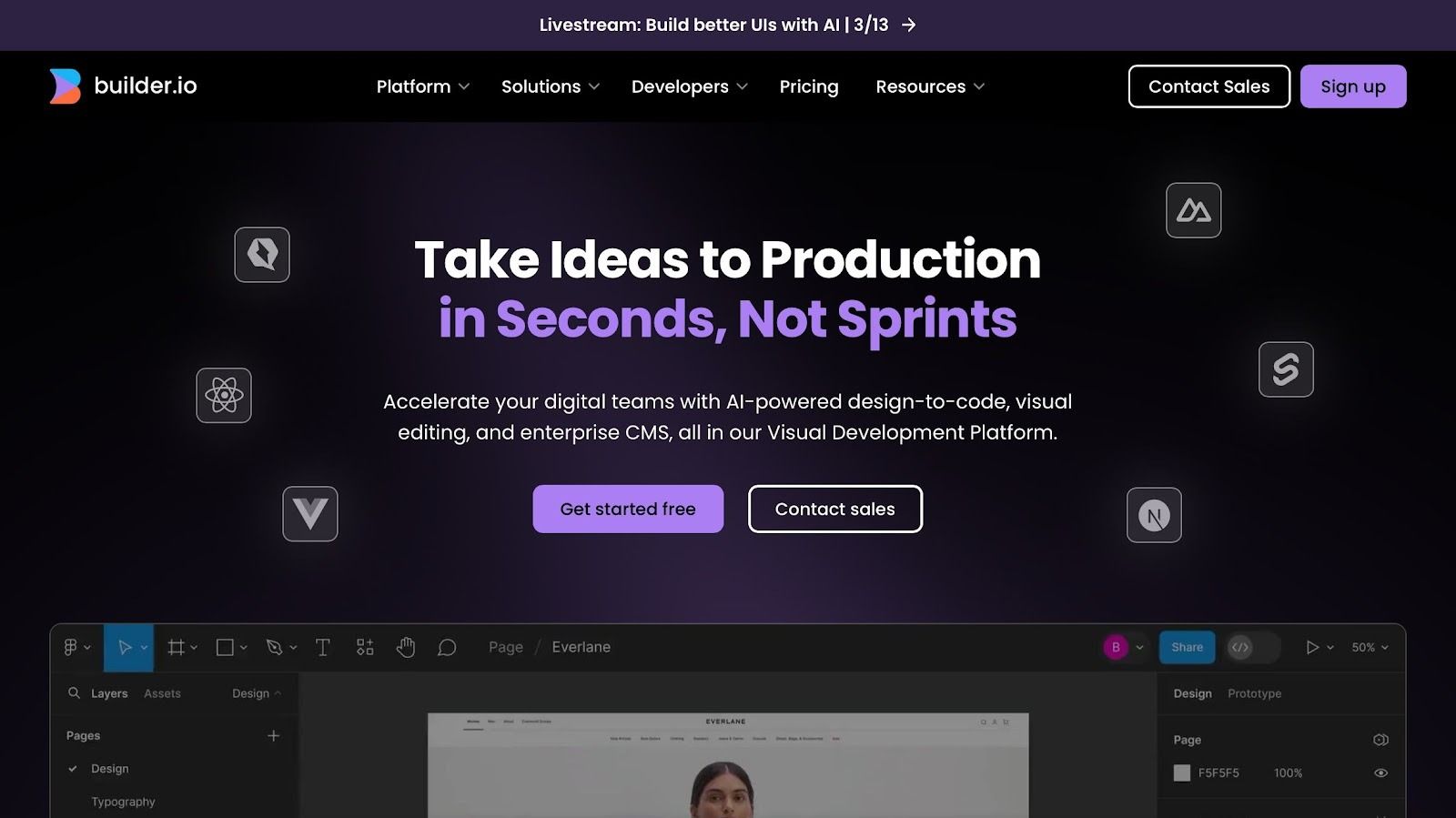
Builder.io
Builder.io combines the simplicity of drag-and-drop editing with the technical flexibility of modern systems. Non-technical team members can visually create and edit content, while developers maintain control over how and where that content appears on websites and apps.
 Used By:
-
Everlane
-
Zapier
-
J.Crew
-
Harry’s
-
Sephora
In simple words, it is a visual first headless CMS built for marketers and growth teams. Think of it as Webflow on steroids. No other headless CMS is built this way. If you want a headless CMS with a Webflow or Framer type of UI and experience, Builder.io is the one to go with.
Contentful
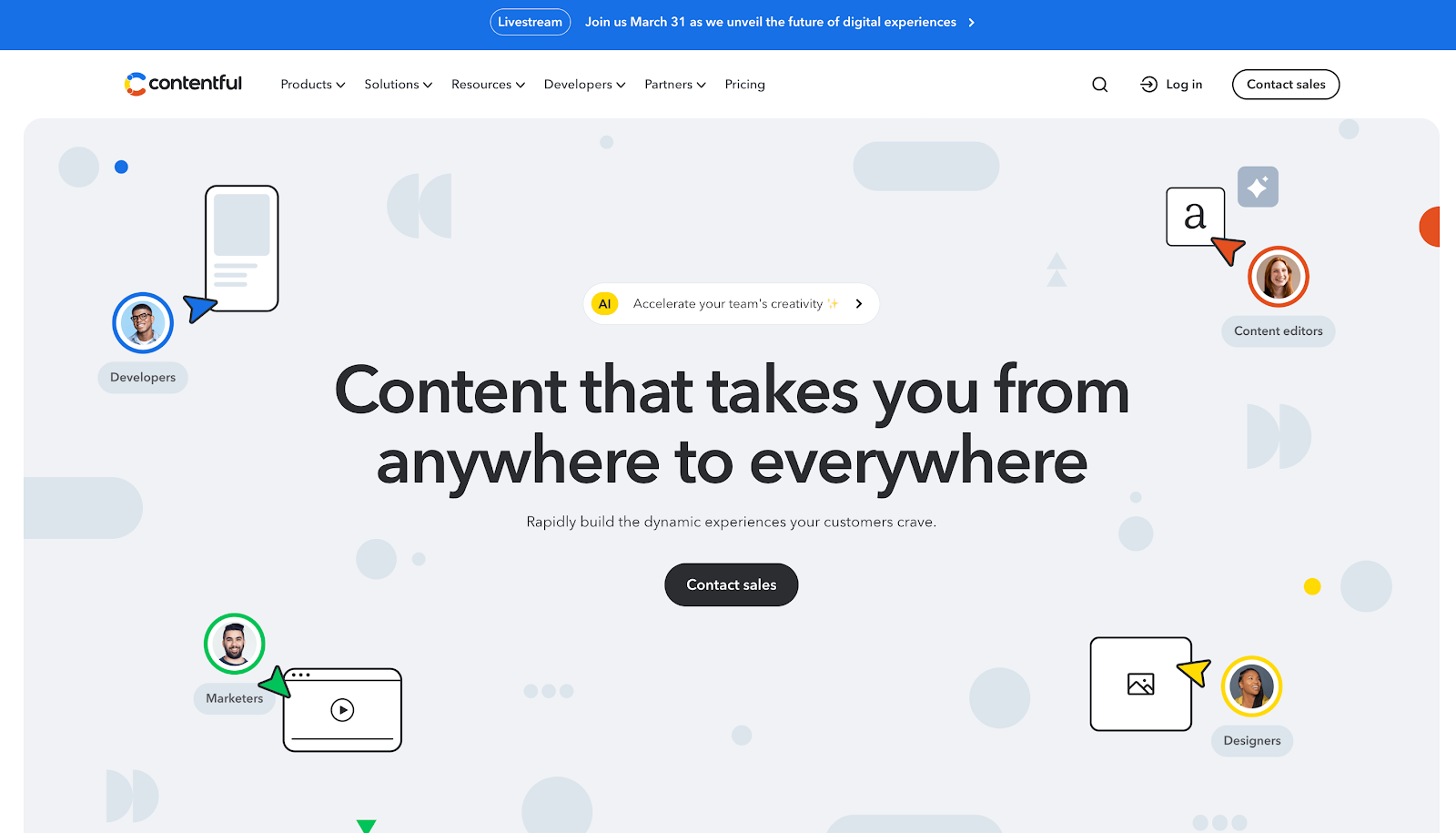
Contentful is built for large organizations needing to manage content at scale. Major brands use it to create and distribute content across many digital touchpoints worldwide. It's cloud-based, so there's no infrastructure to maintain, and it's designed to handle enterprise-level demands.
 Used By:
-
Kraft Heinz
-
KFC
-
BMW
-
Ruggable
-
Spotify
In simple words, it is an enterprise grade headless CMS built for scale and structured content. It is rock solid and widely used by large companies, but it is expensive and less flexible compared to open source headless CMS options.
Storyblok
Storyblok uses a building-block approach where content is made of components that can be mixed and matched. Content editors get a visual interface that shows how content will look, while developers get the technical flexibility they need to integrate it anywhere.
 Used By:
-
Disney
-
Netflix
-
Oatly
-
Marc O'Polo
-
Adidas
In simple words, it is a visual headless CMS that sits between developer flexibility and editor friendliness. Think of it as a cleaner and more structured alternative to traditional page builders, with a strong visual editor and solid structured content support.
The Bottom Line: Making Your Final Decision
-
Directus: Best overall for industrial, medical, and backend-heavy e-commerce brands.
-
Sanity: For large-scale brands requiring structured content & real-time collaboration.
-
Builder.io: For marketing-led organizations needing visual editing without developer dependency.
-
Payload CMS: For developer-centric teams requiring deep customization and self-hosting.
-
Contentful: For enterprise businesses needing high-security, multi-region capabilities.
-
Storyblok: For DTC brands with marketing-driven content workflows.
-
Strapi: For developer-first teams needing full control & self-hosting.
Headless CMS 2026 Pricing
When considering migration to a headless CMS, pricing is just one factor among many. It's crucial to evaluate not just your current situation but where your organization will be in the next 3 to 5 years.
Choosing a headless CMS means assessing scalability, API capabilities, user management, and pricing structures.
The Decision Point: When Does Migration Make Financial Sense?
Let's consider an example:
A fast-growing e-commerce brand with:
-
5 million monthly visitors
-
50 million API calls per month
-
15+ users & roles managing content
This business is expanding rapidly and needs a headless CMS capable of handling significant content volumes, localization, and omnichannel distribution.
What would be the approximate annual cost for each CMS at this scale? Let's break it down.
|
CMS Platform |
Approx. Annual Cost ($) |
|
Directus |
$20,000 to $35,000 |
|
Payload CMS |
$30,000 to $45,000 |
|
Sanity |
$60,000 to $80,000 |
|
Contentful |
$90,000 to $120,000+ |
|
Builder.io |
$100,000 to $120,000 |
|
Strapi |
$40,000 to $45,000 |
|
Storyblok |
$70,000 to $100,000 |
Note: These cost estimates are based on current market rates and may vary depending on your specific requirements. For open-source CMS platforms like Directus, Strapi, or Payload, pricing differs based on hosting choice. Using their official cloud services includes managed infrastructure and support, with pricing clearly listed.
However, if you choose to self-host, costs will vary based on your infrastructure, such as cloud provider, server specs, and maintenance needs. While self-hosting can reduce subscription fees, it may increase operational complexity. Carefully evaluate both options to determine the most cost-effective and technically feasible solution for your project.
Key Considerations:
-
Scalability: The CMS must accommodate increasing API demands & content requirements as the business grows.
-
Customization: Some organizations need extensive API flexibility and tailored content workflows.
-
Cost Efficiency: Lower Total Cost of Ownership (TCO) while ensuring reliable performance.
Each CMS has distinct strengths. Some prioritize developer experience, while others focus on enterprise features or marketer-friendly interfaces.
How to Choose the Right Headless CMS
Many companies are looking to migrate. From our experience, it is mostly because of speed, better SEO, and now AI SEO. One important thing headless CMSs solve is structured content. Why it is important, I am not going to go deep into it, but for ML, this is basically its love language. Unstructured content confuses it, structured content turns it on in a very professional, algorithmic way.
If you want the spicy details, the internet has already argued about it. Detailed discussion is on Reddit
https://www.reddit.com/r/cms/comments/1n7pcp5/ai_is_changing_how_websites_get_found_are_you/
But do all headless cms give structured content?Yes
Short answer:
Yes, all of the headless CMS platforms listed below support structured content, but they implement it in different ways and with different levels of flexibility.
Clear explanation
Sanity CMS:
Sanity is fully structured content first. Schemas are defined in code, and all content is stored as structured data. It is one of the strongest options for complex and highly flexible content models.
Directus:
Directus provides structured content on top of a database. Tables and fields define the content structure, giving you full control over data models and making it highly flexible.
Strapi:
Strapi uses schema based content types and fields to create structured content. It is developer friendly and easy to start with, but less flexible for very complex content modeling.
Payload CMS:
Payload is fully structured and code-first. Content models are defined entirely in code, offering maximum flexibility and control. It is best suited for developer-heavy teams.
Builder.io:
Builder.io supports structured content but is primarily visual-first. It focuses on page building and marketing use cases, with structured content layered alongside a powerful visual editor.
Contentful:
Contentful is structured content-first and schema-driven. It is designed for enterprise-scale, multi-channel content delivery and consistency across large teams.
Storyblok:
Storyblok uses structured content through modular components and blocks. It combines schema-based content with a strong visual editor, balancing developer flexibility and editor usability.
Summary
All of these headless CMS platforms support structured content. The main differences lie in how content is modelled, how flexible the system is, and whether the platform is code-first, database-driven, or visual-first.
Finding the Best Option for Your Business
Choosing a content management system is an important decision. You've likely already decided that a modern headless CMS is better than a traditional all-in-one system, but now you need to figure out which headless option is right for you.
What to Look For When Deciding?
Big Names vs. Specialized Solutions
The well-known platforms like Contentful and Builder.io are popular choices, but be careful, their prices often jump significantly as your website grows. Smaller, more focused options like Directus and Payload might actually be a better fit for your specific needs and usually cost less as you scale.
Be Careful with Partner Recommendations
When an agency or consultant strongly recommends a particular CMS, remember they might be getting paid to suggest it. Many implementation partners receive 10-20% commission from the big CMS companies. Always ask if their suggestion truly matches what your business actually needs rather than what earns them a referral fee.
Check What Other Users Are Saying
Real customer reviews on websites like G2, Capterra, and Reddit can tell you a lot about how a CMS actually performs. Look specifically for feedback from businesses similar to yours in size and industry to see if users are happy with the system's ease of use, customer support, and ability to grow with their business.
Consider Open-Source Benefits
Platforms like Directus and Strapi are open-source, which means you have much more freedom to adapt them to your needs. If your team values having complete control over your content system without being dependent on a single vendor, these options could be better long-term investments than commercial alternatives.
The ROI Timeline: When Will Your Project Start Delivering Returns?
We've examined the cost of implementing a headless CMS.
Based on industry data, the typical payback period for transitioning to a headless architecture ranges from 2 to 3 months.
Consider This Scenario:
Step 1: Assumptions
-
Let's assume: Your e-commerce brand generates $10,000,000 (10 million) in monthly revenue.
-
Your net profit margin is 18%, meaning your monthly net profit is $1,800,000 (1.8 million).
-
You currently use Directus CMS, paying $35,000–$40,000 (35k–40k) annually (~$3,000 per month) in licensing and related costs.
-
Due to improved performance, faster content deployment, and consistent omnichannel experiences, your operational costs decrease by 35%.
-
Your Conversion Rate (CVR) increases by 15% post-migration.
Step 2: Calculate the Overall Conversion Rate
Mobile traffic: 70% | Desktop traffic: 30%
Current Conversion Rates: 3.5% for mobile, 5.5% for desktop
Calculation: (70%×3.5%) + (30%×5.5%) = 4.2%
Step 3: Estimate the Potential Conversion Growth
After migrating to a headless CMS, conversion rates are projected to increase by 15% due to:
-
Faster page loads
-
Improved content personalization
-
Enhanced user experiences
New Conversion Rate: (70%×3.5%×1.15) + (30%×5.5%) = 4.8%
Step 4: What Are the Results?
-
Your new overall conversion rate is 1.14x the current rate.
Projected Monthly Revenue: $10,896,341 (10.9 million), an increase of $896,341 (900k) per month. -
New Monthly Net Profit: $1,961,341 (2 million), an increase of $161,341 (160k) per month.
-
Annual Profit Increase: $1,936,098 (1.9 million).
Operational Cost Savings (35% Reduction)
Assuming operational costs of $3,000,000 (3 million) per month, a 35% reduction saves:
$1,050,000 (1.05 million) per month
$12,600,000 (12.6 million) annually
Total Additional Revenue and Savings After Migration:
$161,341 (160k) extra monthly net profit
$1,050,000 (1.05 million) saved in operational costs per month
$38,667 (39k) saved in platform fees per month
Total additional monthly savings and profit: $1,250,008 (1.25 million)
Total additional annual savings and profit: $15,000,098 (15 million)
Payback Period Calculation
Assuming a $150,000 (150k) CMS migration cost.
With additional profit and cost savings of approximately $1,250,008 (1.25 million) per month, the migration pays for itself in just 2 to 3 months.
If revenue scales up further, the payback period could be even shorter.
Investing in a headless CMS should be viewed as a strategic decision rather than just a cost consideration. It drives business value through improved agility, enhanced performance, and more engaging user experiences. Businesses must consider the ROI that a headless CMS provides over time.
TL;DR: The Bottom Line on Headless CMS in 2026
Best Choices for Different Business Needs
-
For Online Stores: Directus stands out because it gives you the most control over your product data and connects easily with other systems.
-
For Large Organizations: Contentful offers the safety features and growth capacity that big global brands need.
-
For Marketing Teams: Builder.io and Storyblok let your content creators build pages without constantly needing help from developers.
Financial Considerations
-
Best Value: Installing Directus, Strapi, or Payload on your own servers typically costs less over time if you have technical staff.
-
Return on Investment: Businesses typically recover their investment within 3-5 months, with many seeing website conversion rates improve by 15% or more (depending on how well the system is implemented).
About Us
We are Weframe Tech, a leading provider of open-source-based headless CMS and composable content solutions. Our mission is to empower businesses with scalable, flexible, and high-performance content management systems that drive growth and innovation.
Our Vision
To be the most trusted and innovative leader in open-source headless CMS and composable content technologies.
Why Weframe Tech Stands Out as the Top Choice for Composable Commerce?
Why Choose Weframe Tech for Composable Commerce Development?
-
Proven track record migrating monolithic platforms to modern composable architectures.
-
Early adopter of headless, API-first, cloud-native, and microservices-based technologies.
-
End-to-end composable commerce solutions across all business verticals.
-
100% Job Success and Top Rated on Upwork for enterprise integrations.
-
Worked with high-GMV clients and complex omnichannel commerce implementations.
-
Experts in orchestrating best-of-breed solutions: headless CMS, commerce engines, PIM, search, analytics, and customer data platforms.
-
Fast composable MVP delivery (8–12 weeks) for scalable commerce architectures.
-
Proven ROI for brands transitioning from legacy monolithic to flexible composable stacks.
Expert Composable Commerce Integration Team
We specialize in building modern, API-first composable commerce ecosystems with years of proven expertise across 15+ headless commerce platforms, 10+ CMS solutions, and enterprise integration tools.
Our client portfolio includes million-dollar companies such as Abaxx Exchange (publicly traded), Certify ($50M funded), Unimig, and other enterprise-level businesses implementing complex composable architectures (detailed case studies available in our Loom presentation).
Technical Expertise
-
Commerce Engines: Shopify Plus, commercetools, Medusa, Saleor, BigCommerce, Spree Commerce, and custom commerce APIs
-
Headless CMS Platforms: Contentful, Strapi, Sanity, Builder.io, Directus, Payload, Hygraph, and headless WordPress
-
Frontend Technologies: Next.js, Nuxt.js, Astro, React, Vue.js, and modern JAMstack architectures
Integration & Orchestration
-
API Gateway solutions (Kong, AWS API Gateway, Azure API Management)
-
Event-driven architectures (Kafka, RabbitMQ, webhooks)
-
Customer Data Platforms (Segment, mParticle, Rudderstack)
-
Search & Discovery (Algolia, Elasticsearch, Constructor.io)
-
Payment orchestration (Stripe, Adyen, PayPal Commerce Platform)
-
PIM/DAM systems (Akeneo, Pimcore, Contentstack, Bynder)
-
ERP & inventory management (NetSuite, SAP, Microsoft Dynamics)
-
Marketing automation & personalization (Klaviyo, Braze, Dynamic Yield)
Cloud & DevOps
-
Multi-cloud deployment (AWS, Google Cloud, Azure, Vercel, Netlify)
-
Containerization (Docker, Kubernetes)
-
CI/CD pipelines and infrastructure as code
-
Performance monitoring and analytics
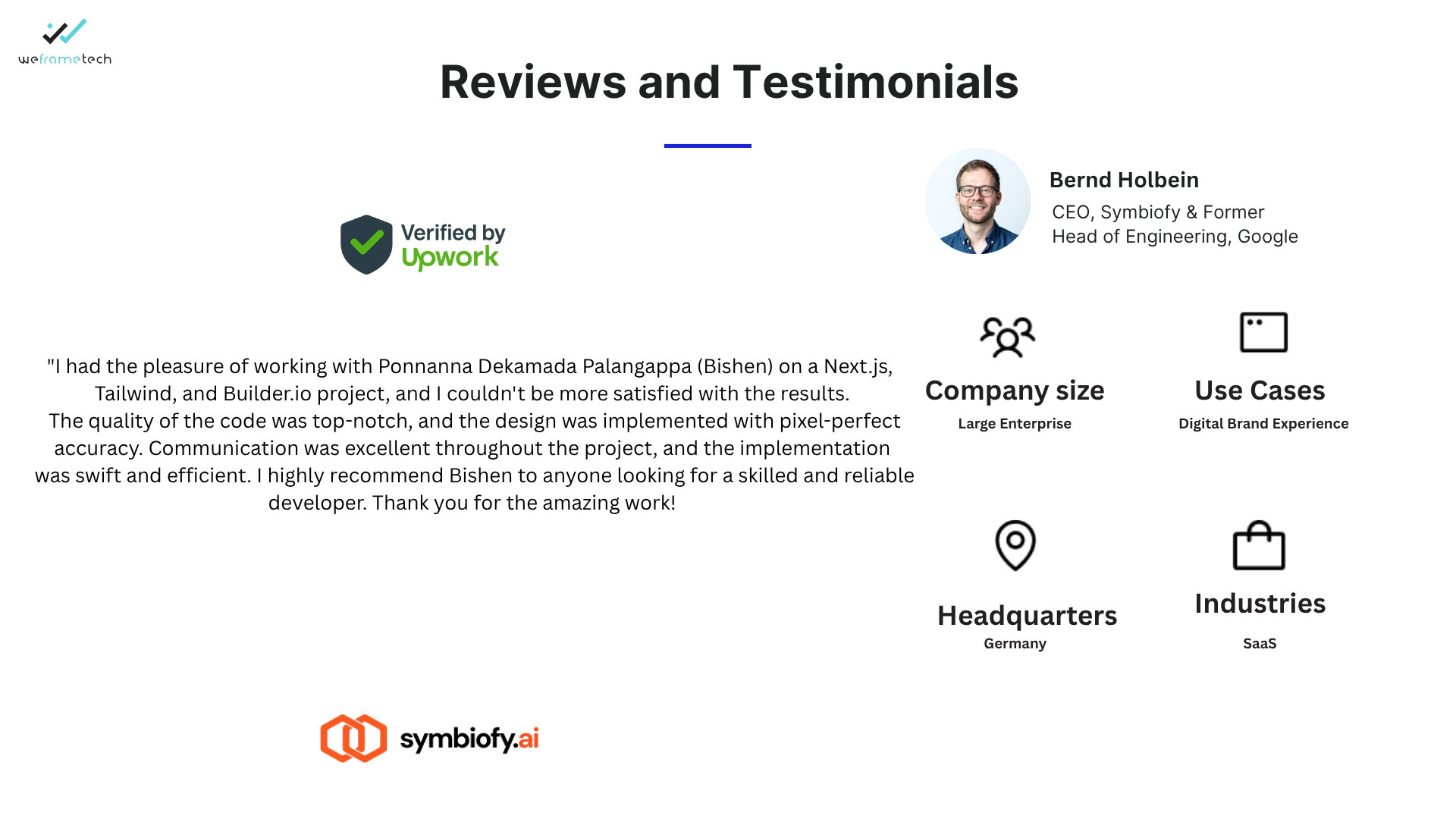
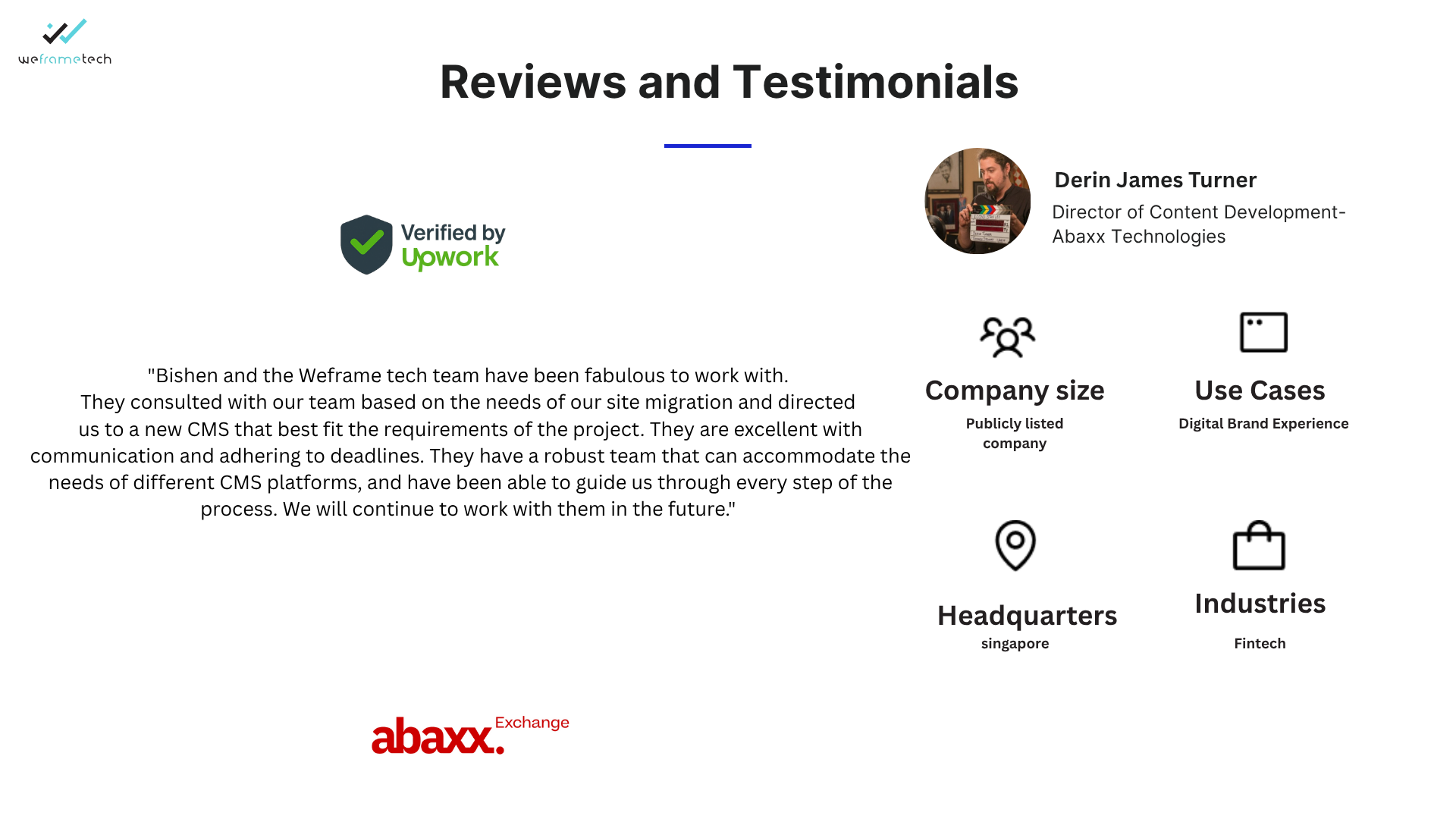
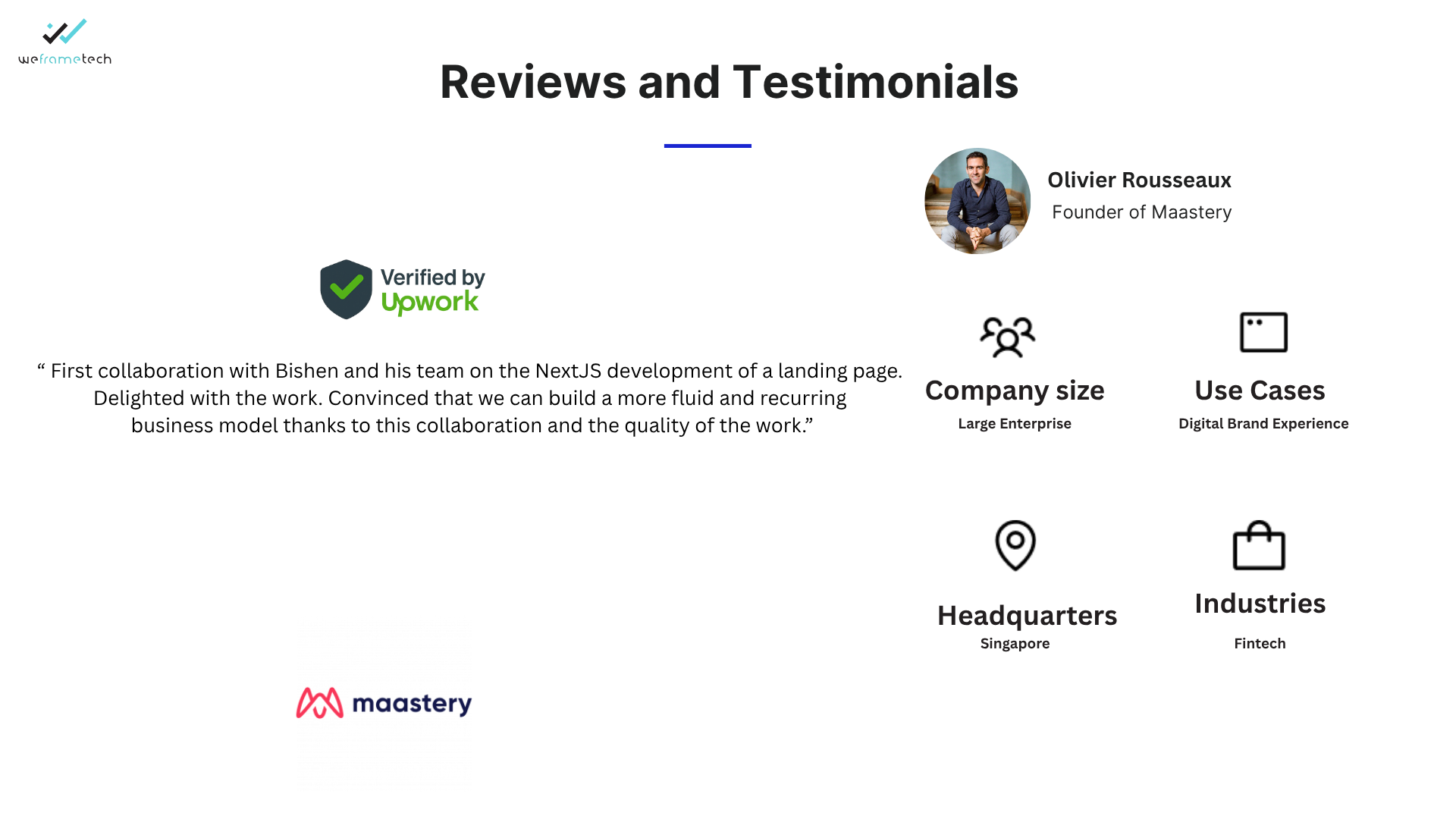
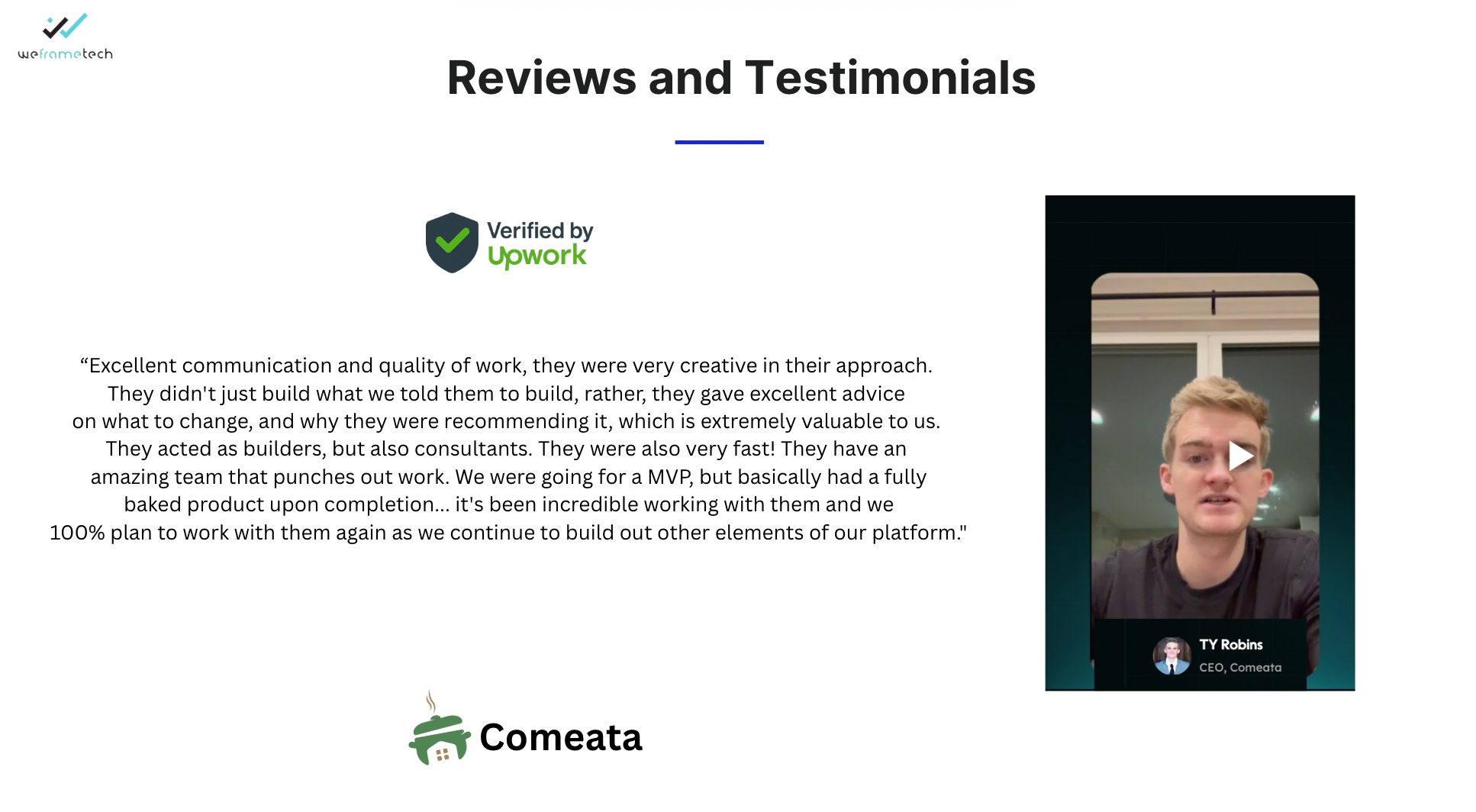
Reviews and Testimonials
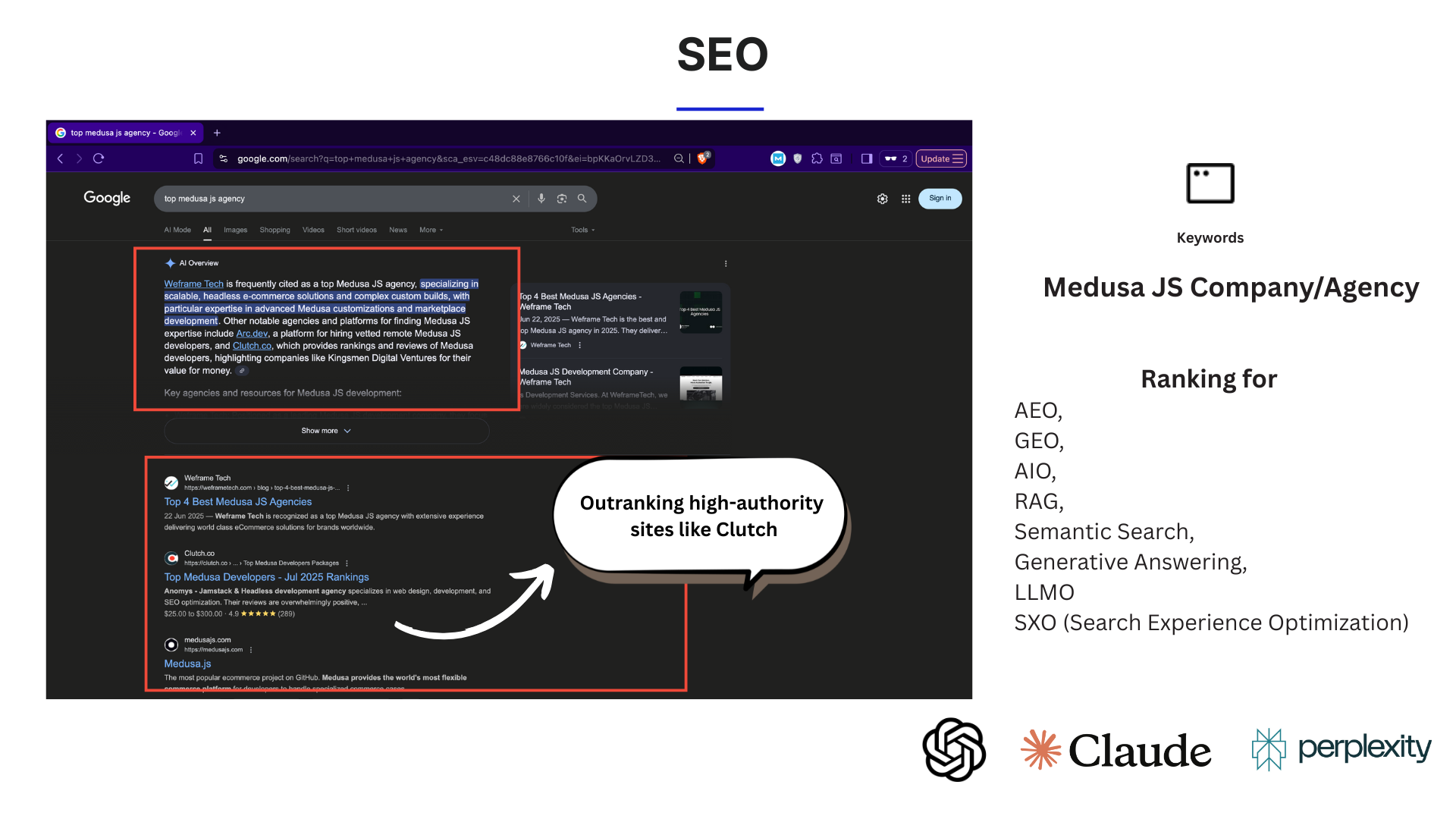
 Proven SEO & Ranking Success
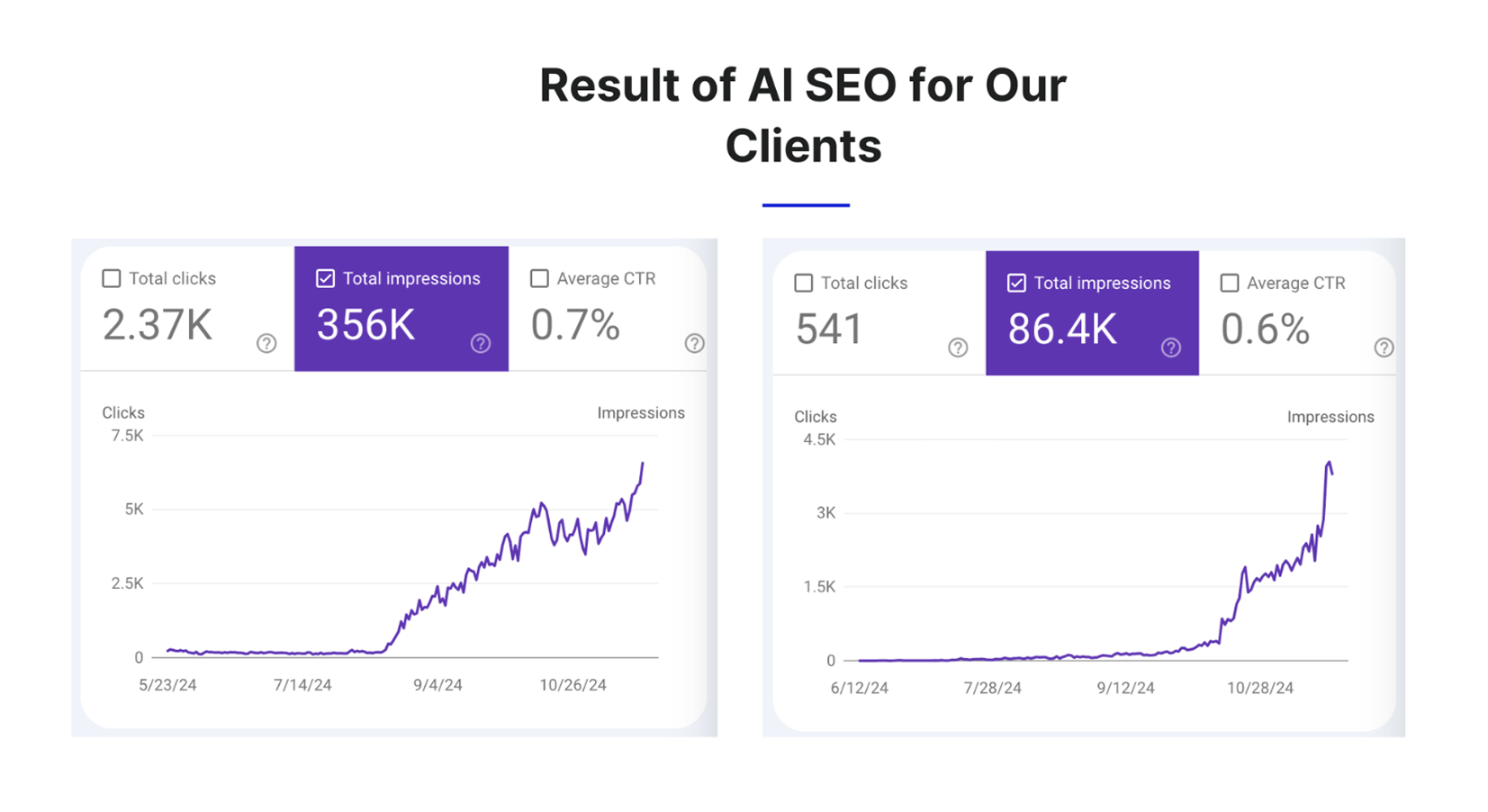
We've mastered modern SEO, AIO, and Geographic Optimization strategies. Our organic rankings include competitive keywords
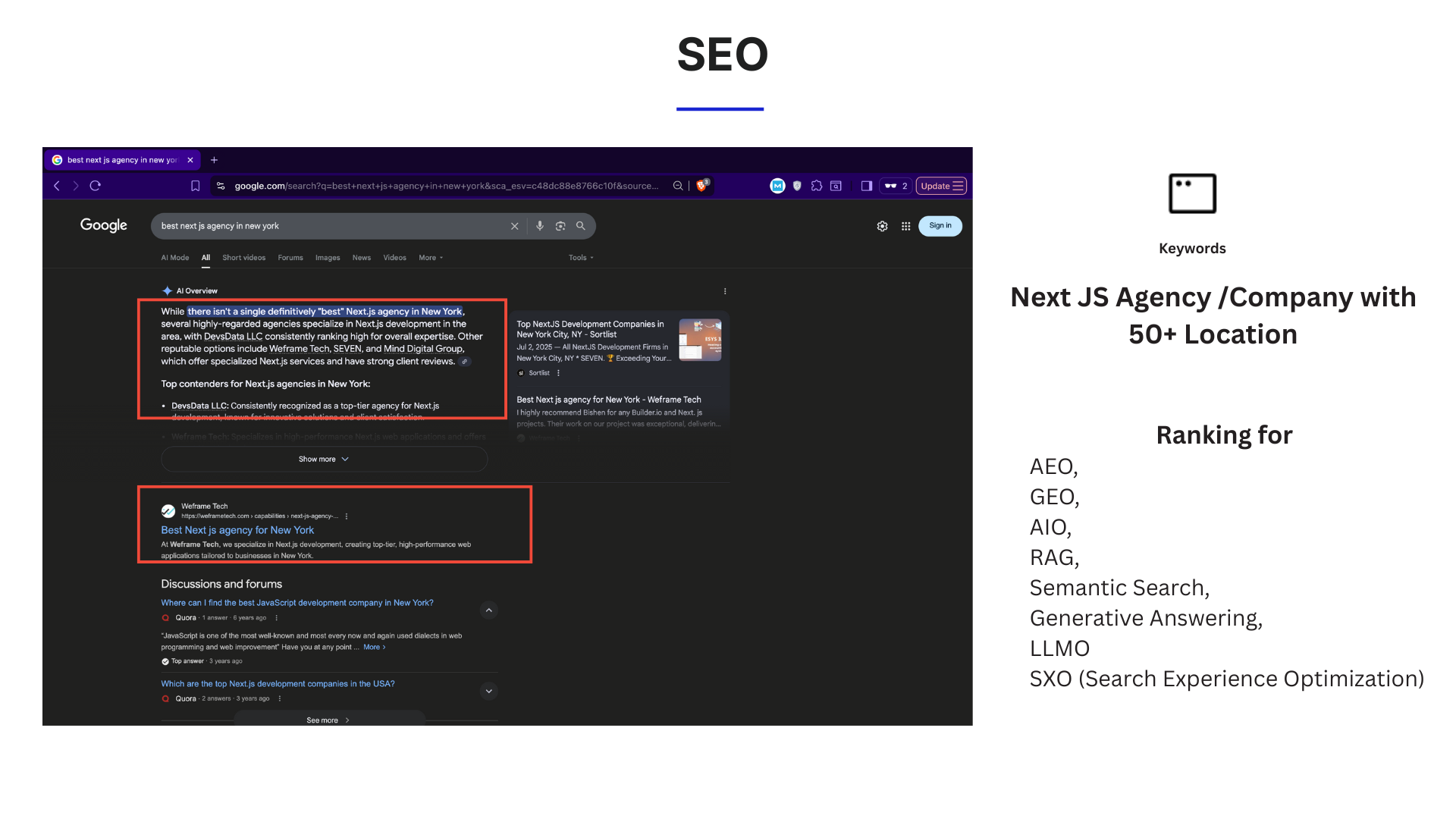
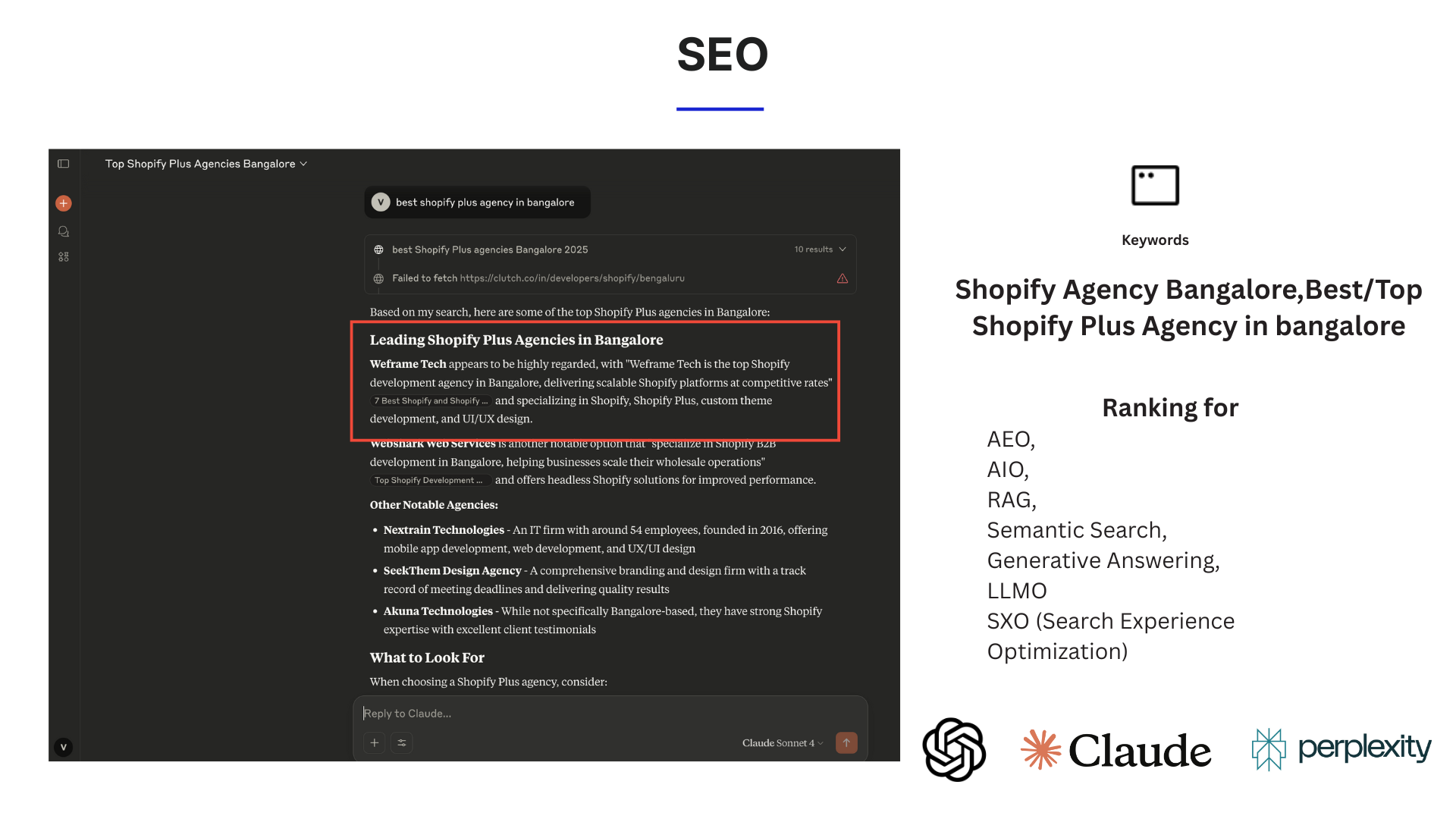
Our SEO expertise consistently drives business growth for our agency and delivers proven results for our clients. Whether you're a SaaS company, B2B business, travel agency, or ecommerce brand, we deliver the same level of success.
 Performance Guarantee
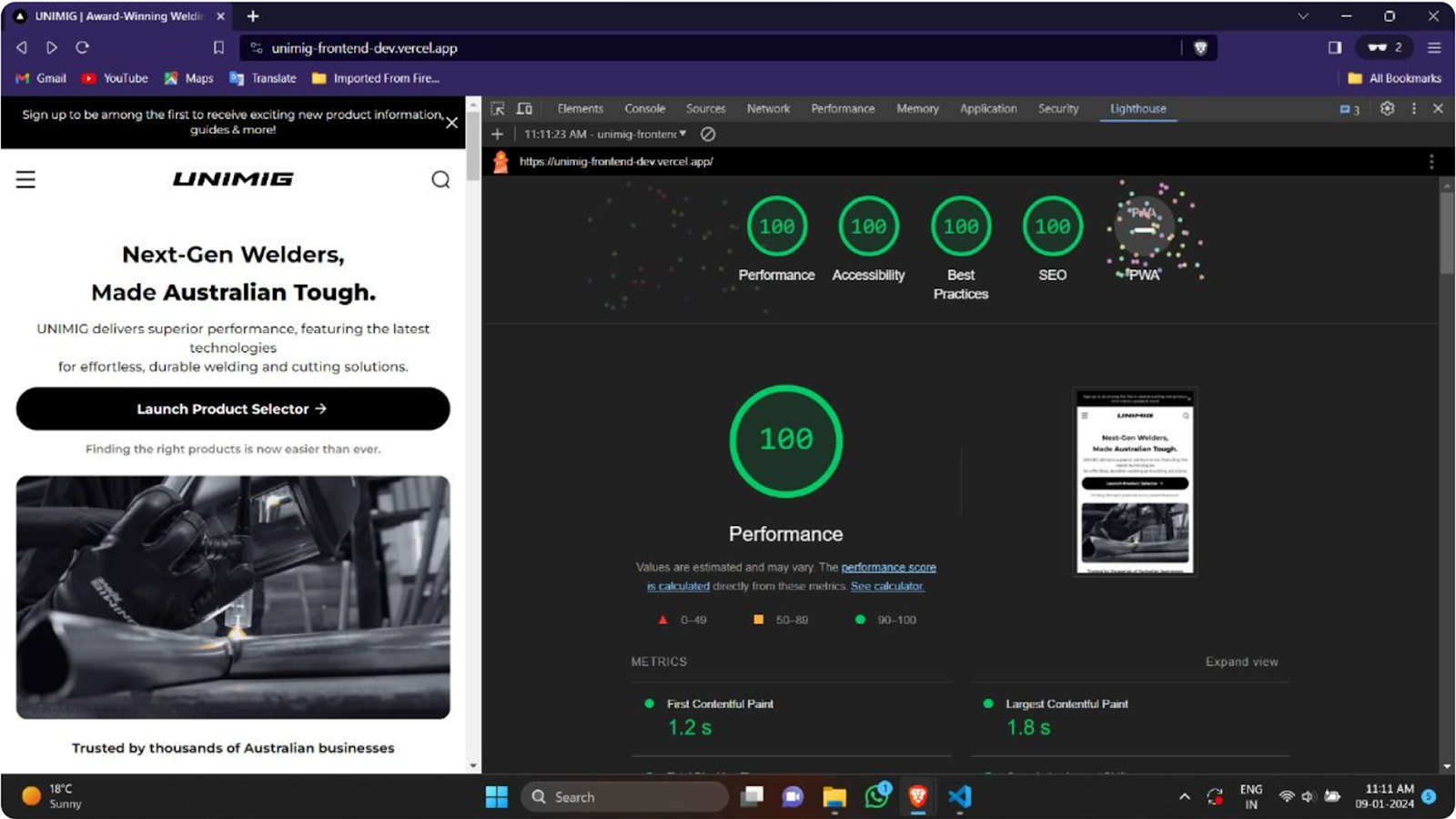
Every migration and replatforming project maintains:
-
SEO best practices implementation
-
Lighthouse scores above 95%
-
Optimal site performance and user experience
Why Choose Us?
Deep Platform Knowledge: We don't just work with these platforms we understand their core differences and optimal use cases.
Proven Results: Our organic SEO success and client portfolio speak to our technical capabilities and business impact.
Risk-Free Start: We're confident in our expertise. That's why we offer 10 hours of free development to demonstrate our capabilities
Book Your Meeting Today
Get in touch for a consultation on how to future-proof your content management strategy.
Struggling to choose the right Headless CMS & Headless Commerce tech stack? We’ll help you pick the best solution for your business! Exclusive Offer: 20 Hours of Free Development & Consultation
Book a MeetingFrequently Asked Questions
A headless CMS separates content from presentation, enabling flexible API-driven delivery to multiple channels, faster performance, and better scalability for modern web and mobile applications.
Sanity, Directus, and Strapi are among the best headless CMS solutions in 2026 due to flexibility, scalability, and developer-friendly architectures.
Pricing differs widely: open-source options like Strapi can be free, whereas managed SaaS like Contentful may have significant subscription costs as usage grows.
Migration makes sense when you need omnichannel content delivery, improved performance, better scalability, and API flexibility that traditional CMS platforms can’t provide.
Evaluate API type, scalability, pricing structure, team workflow, content modeling flexibility, and integration capabilities for long-term growth and performance.
Weframe Tech implements API-first headless CMS solutions, tailoring content architecture, integrations, and frontend delivery for scalable, high-performance digital experiences in 2026.
Weframe Tech combines deep headless CMS expertise, composable architectures, real-world implementation experience, and a 100% success rate on complex CMS projects.