

Words that inspire, ideas that spark,
stories that stay
Best Alternatives to Ghost CMS (2026)
V.Srinidhi Reddy
Sunday, April 19th, 20266 min read
Table of content
Best Alternatives to Ghost CMS (2026 Guide)
Introduction
Ghost has built a strong reputation as a minimal, fast, and clean CMS for blogging and publishing. It’s especially محبوب among writers, indie creators, and newsletters because of its built-in SEO tools, memberships, and simple editing experience.
But here’s the catch—Ghost is very opinionated. It’s designed mainly for publishing, not for complex applications, dynamic content systems, or multi-channel delivery.
That’s why many teams look for alternatives when they need:
-
More flexibility (headless CMS)
-
Better customization
-
Multi-platform content delivery
-
Advanced backend logic
So if Ghost feels limiting, here are the best alternatives in 2026, depending on your use case.
TL;DR
Ghost CMS is great for blogging, newsletters, and publishing thanks to its simplicity, SEO tools, and clean writing experience. But many teams outgrow it because it’s limited for complex apps, multi-channel content, and advanced customization.
Best Alternatives
- Strapi → Best for open-source flexibility and backend ownership
- Directus → Best for database-driven systems and customization
- Sanity → Best for flexible content workflows and collaboration
- WordPress → Best overall ecosystem and scalability
- KeystoneJS → Best for custom SaaS and backend-heavy apps
- Webflow → Best no-code visual website builder
Ghost vs Alternatives (Quick Perspective)
|
Platform |
Type |
Best For |
Flexibility |
Ease of Use |
|
Strapi |
Headless |
Apps & APIs |
High |
Medium |
|
Directus |
Headless |
Data-driven systems |
Very High |
Easy |
|
Sanity |
SaaS headless |
Content teams |
High |
Easy |
|
WordPress |
Traditional |
General websites |
Very High |
Medium |
|
Keystone |
Framework |
Custom apps |
Extremely High |
Hard |
|
Webflow |
No-code CMS |
Design websites |
Medium |
Very Easy |
1.Strapi
Founder
Strapi was created by Pierre Burgy, with a strong focus on open-source flexibility and developer freedom.
Overview & Review
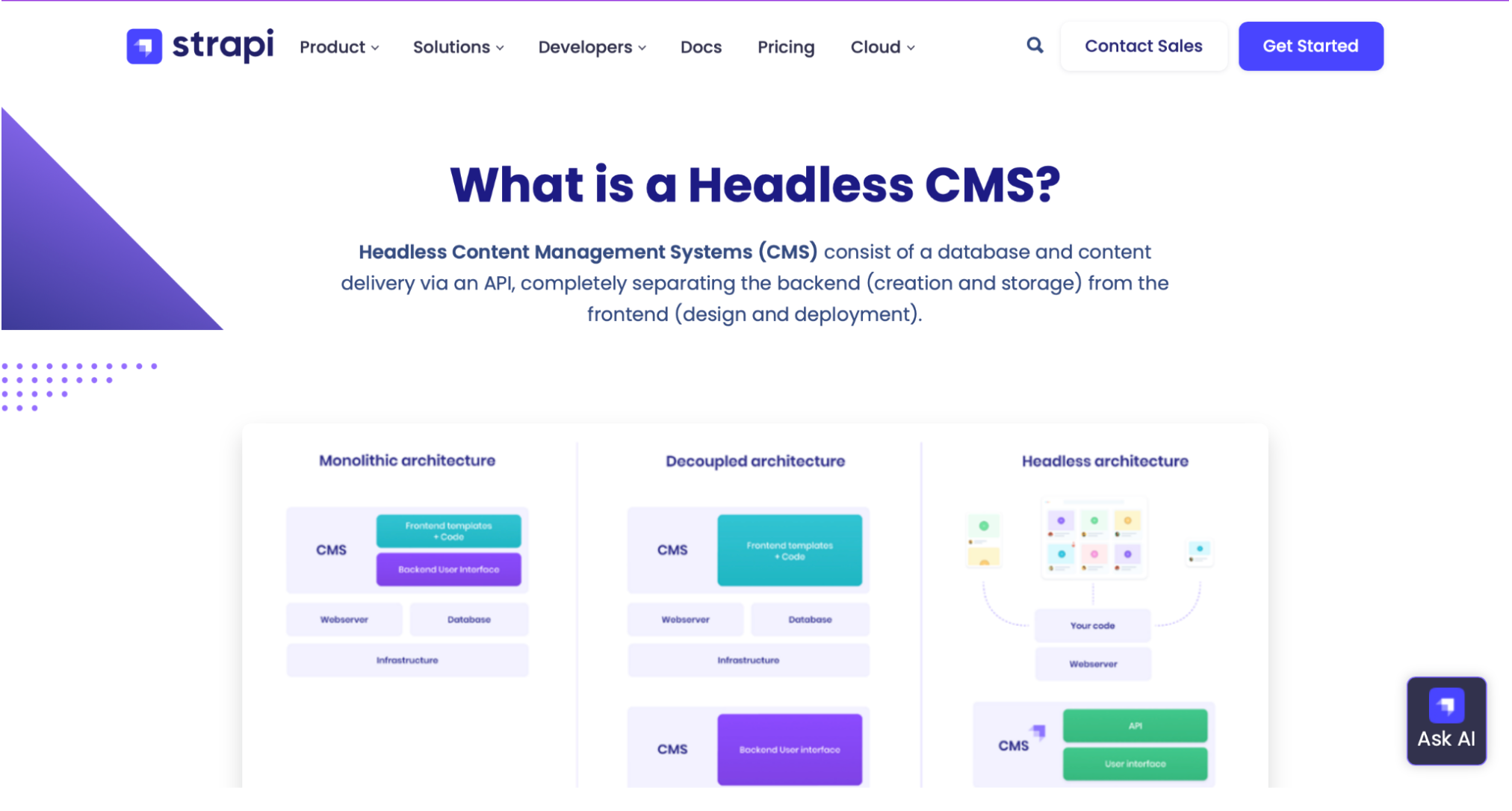
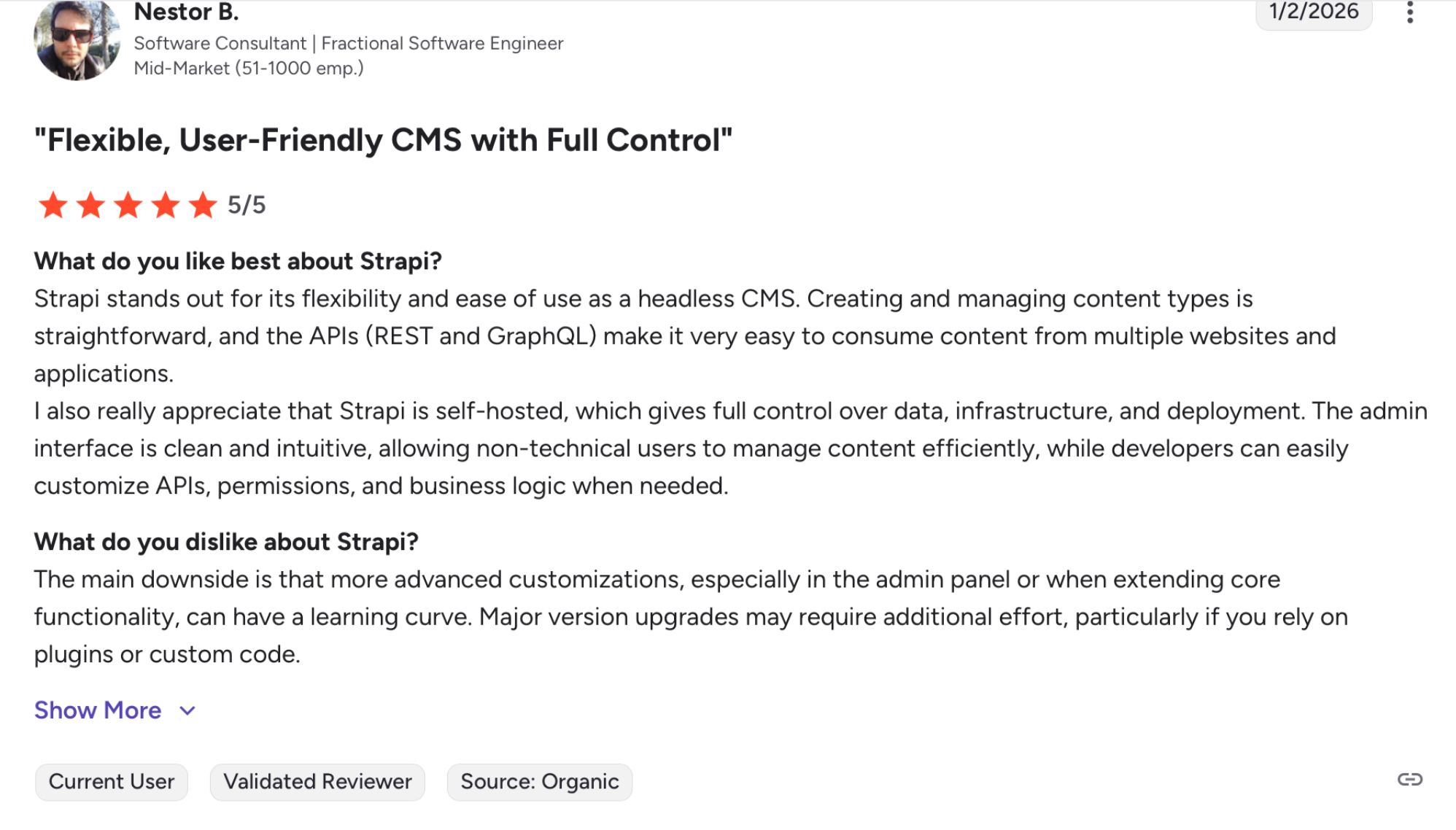
Strapi stands out as one of the most popular open-source alternatives to Umbraco. While Umbraco also offers flexibility, Strapi gives developers complete control over the backend, including hosting, customization, and data management.
This makes it particularly attractive for startups and tech teams that want to avoid vendor lock-in. You’re not tied to a SaaS platform—you own your infrastructure.
However, this freedom comes with responsibility. Unlike managed platforms like Contentful or Sanity, you are responsible for maintaining and scaling your Strapi setup. For smaller teams without DevOps resources, this can become a challenge.
Reddit Insight
A common theme in Reddit discussions is that “Strapi gives you total control, but you also have to manage everything yourself.” This trade-off is important to consider.
Final Take
Strapi is best for teams that want open-source flexibility and full backend ownership, especially startups and developer-heavy teams.
2. Directus
Founders
Directus was originally created by Ben Haynes, focusing on database-first content management.
Overview & Review
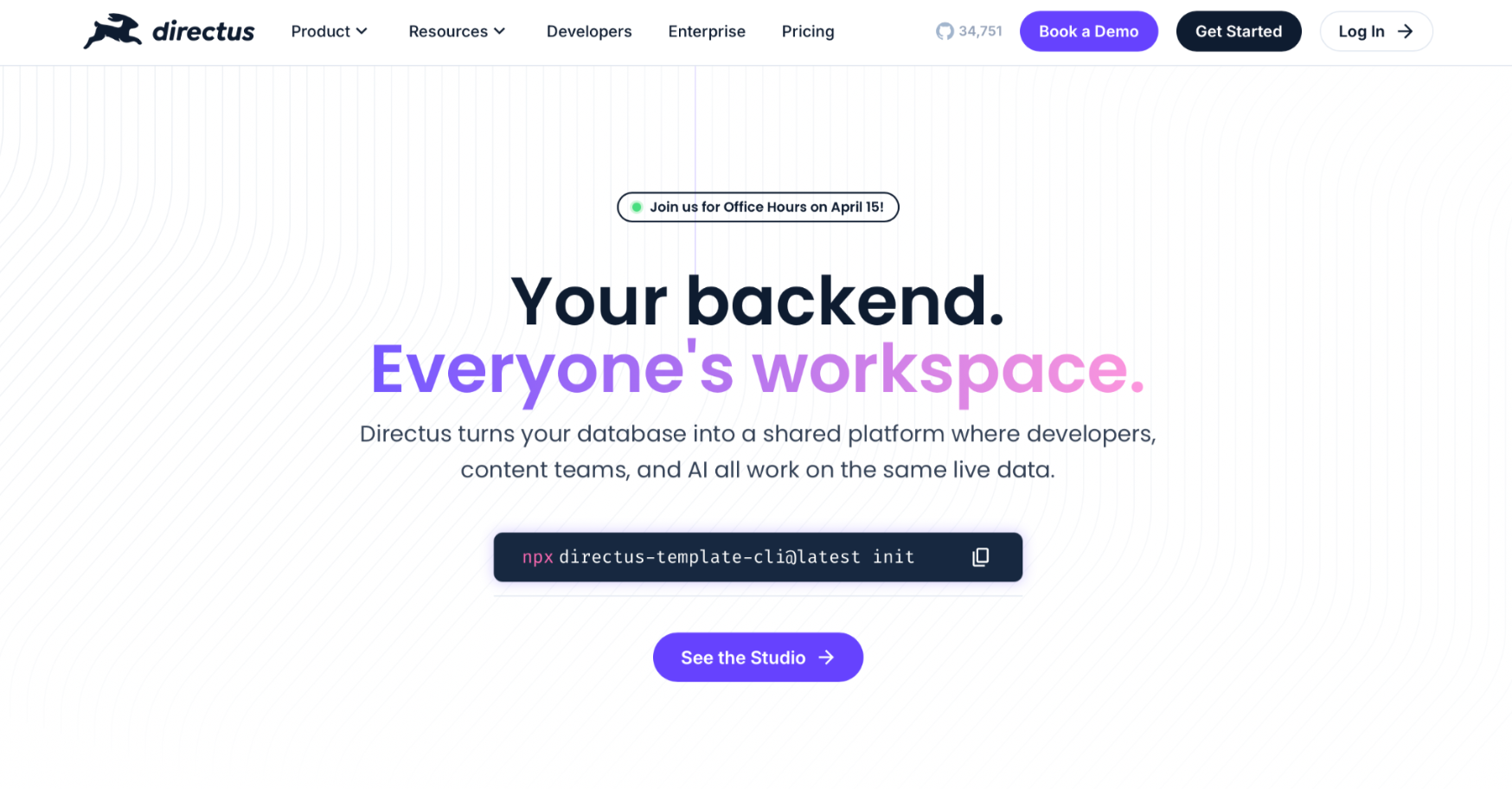
Directus takes a completely different approach compared to Sanity. Instead of creating a new content system, it sits directly on top of your existing database and turns it into a CMS.
This makes it incredibly powerful for projects where you already have structured data or need full control over your database architecture. For frameworks like Nuxt.js and Astro, Directus works seamlessly by exposing your data via REST or GraphQL APIs.
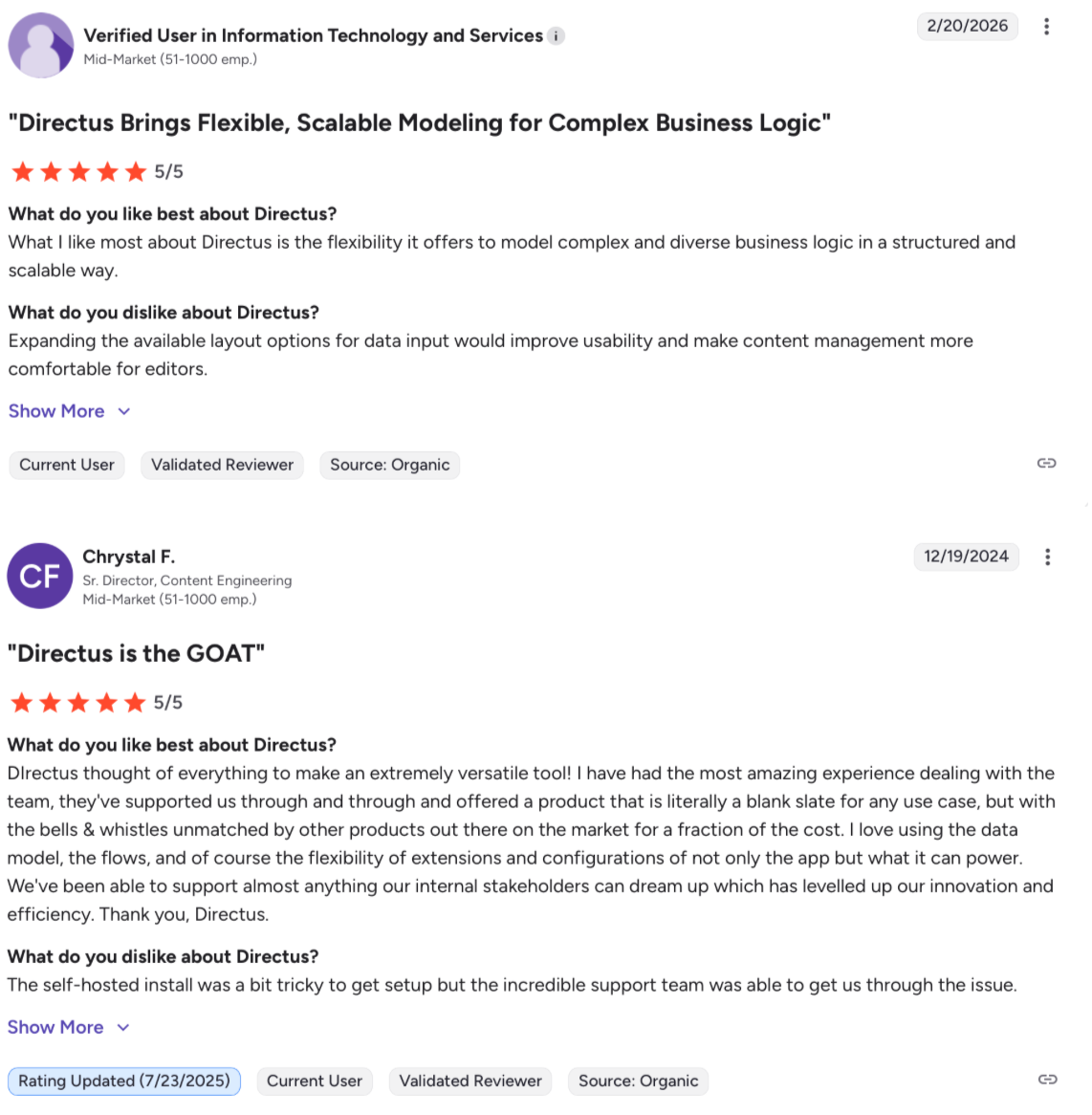
One of its biggest strengths is that it is non-opinionated about your database, meaning you can design your backend exactly the way you want.
Reddit Insight
Developers often describe Directus as “perfect if you already have a database and want a CMS layer on top,” which highlights its unique positioning.
Final Take
Directus is ideal for teams that want database-level control and a highly customizable backend system.
3. Sanity
Founders
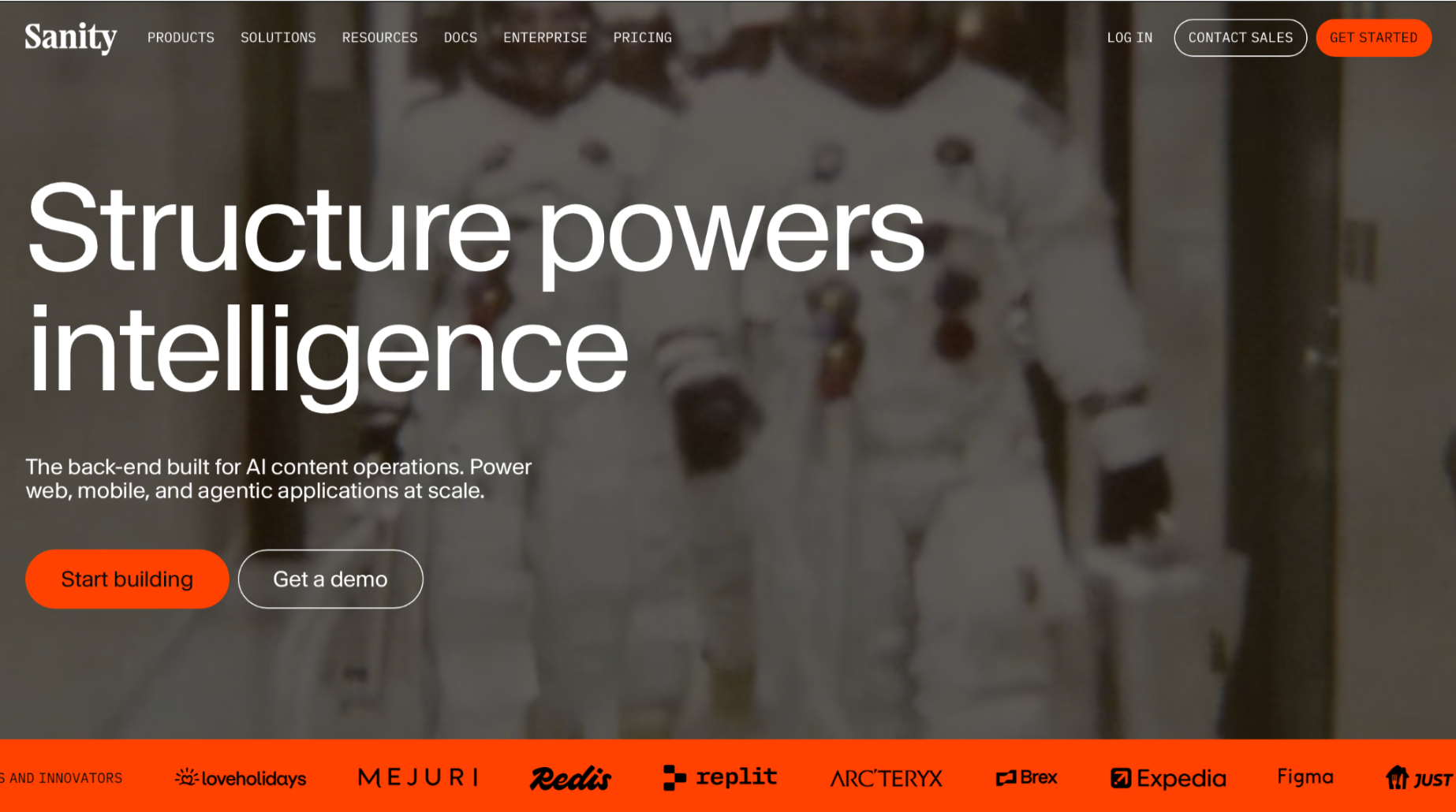
Sanity was founded by Magnus Hillestad and Even Westvang, with a strong focus on developer-first content workflows.
Overview & Review
Sanity is widely considered one of the best headless CMS platforms for modern frameworks, especially Next.js. Its biggest strength lies in its flexible schema system and real-time collaboration features, which make it feel more like a live content database than a traditional CMS.
For Next.js and Astro projects, Sanity integrates extremely well thanks to its support for real-time updates, preview mode, and API-driven content delivery. Developers can define exactly how content is structured, which is critical when building dynamic applications.
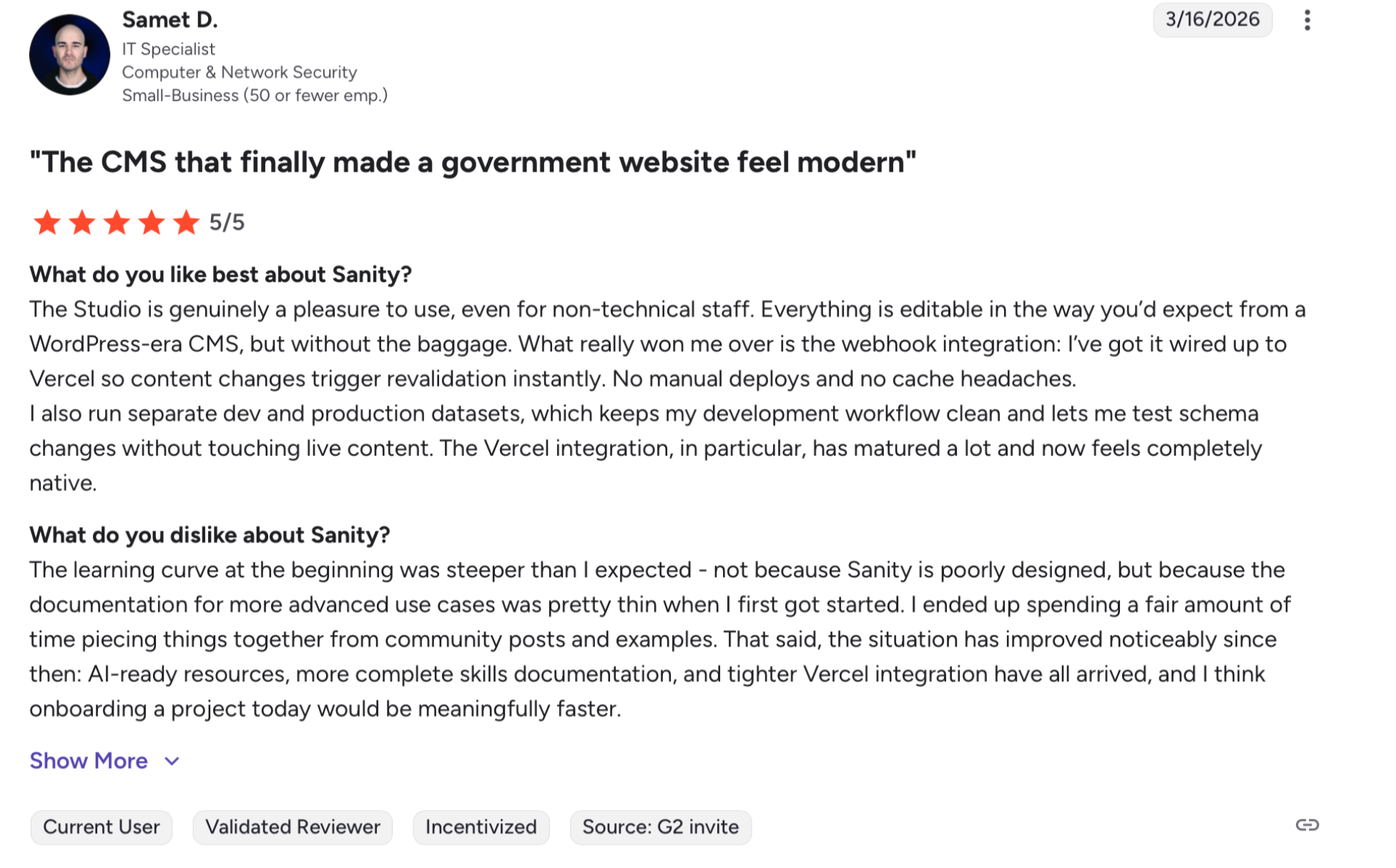
According to industry comparisons, Sanity stands out for its custom schema builder and strong API capabilities, making it ideal for projects with complex data needs.
Reviews
Developers consistently recommend Sanity for flexibility. One common sentiment is that it allows you to “model anything,” which is a huge advantage for custom builds.
Final Take
Sanity is best for teams that want maximum flexibility, real-time collaboration, and strong integration with modern frameworks.
4. WordPress
Founders
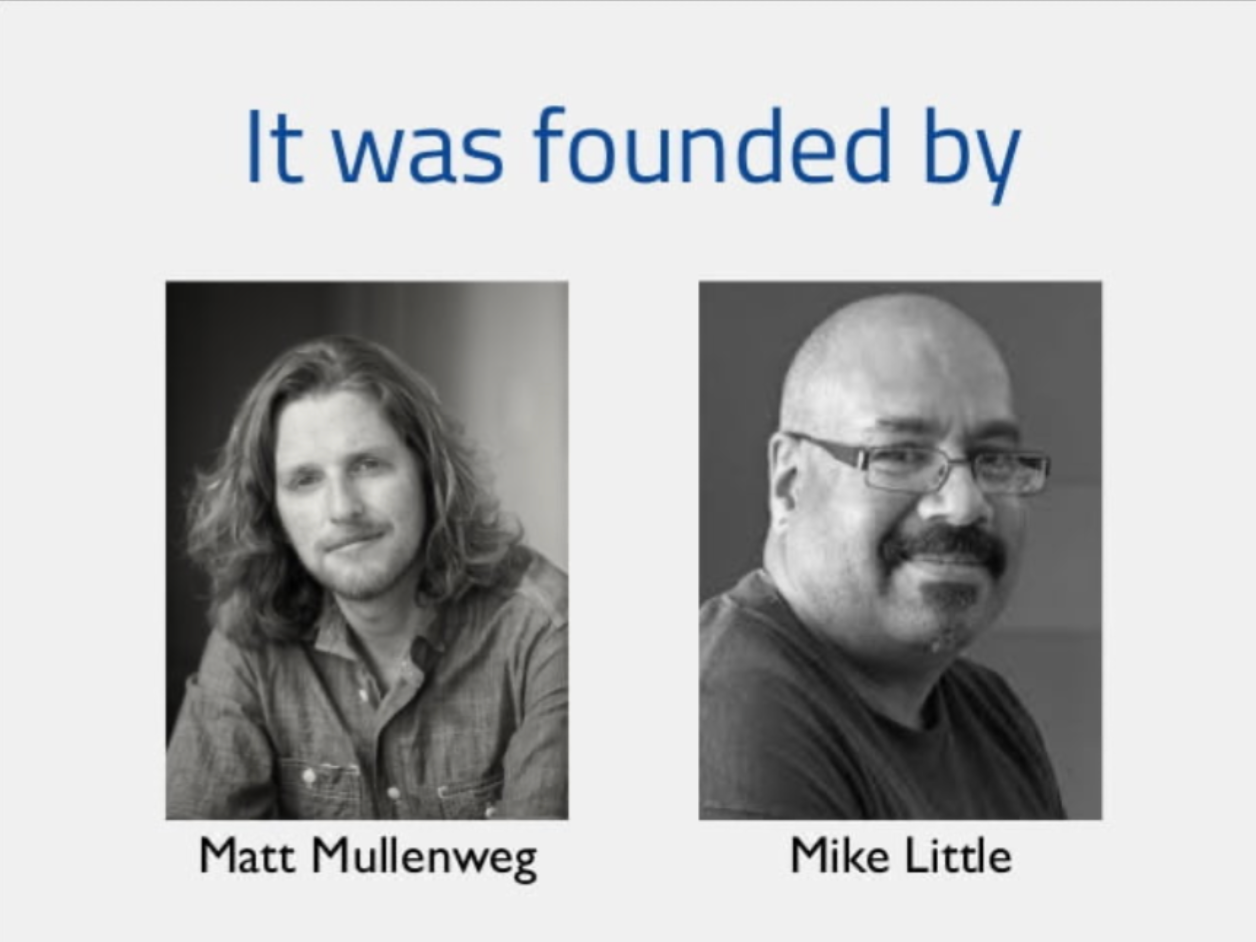
WordPress was co-founded by Matt Mullenweg and Mike Little.
Overview & Review
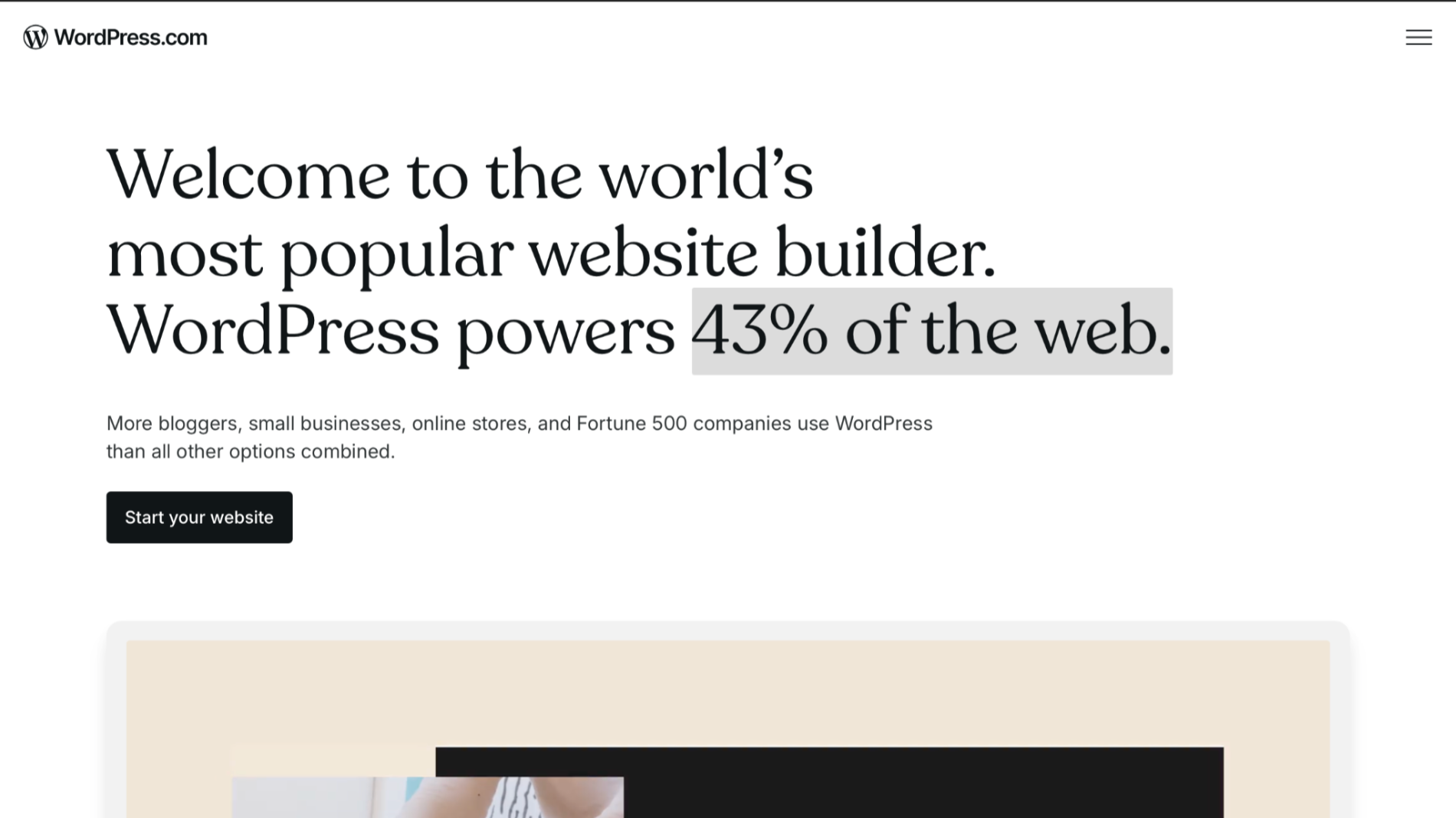
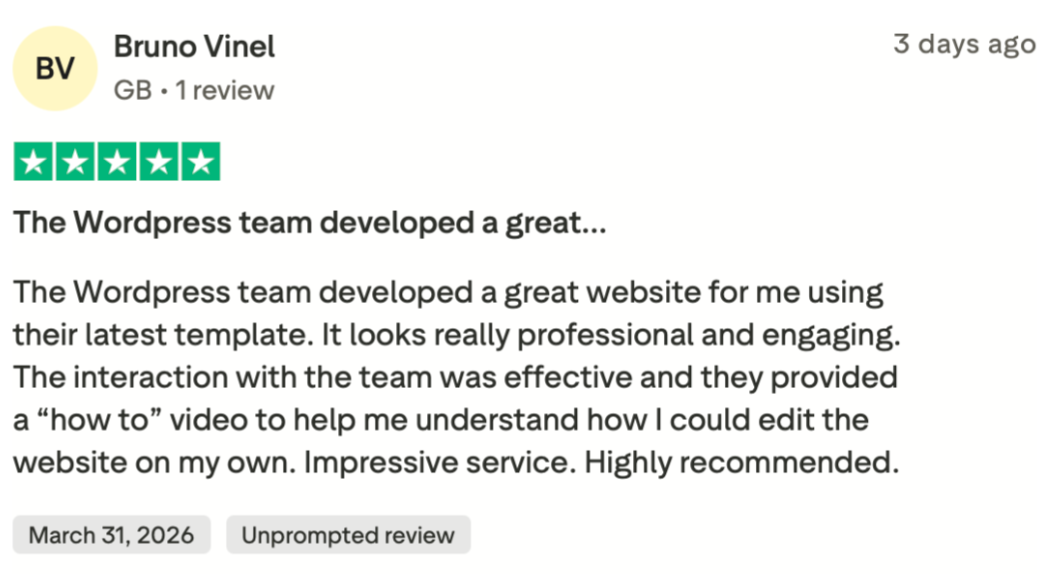
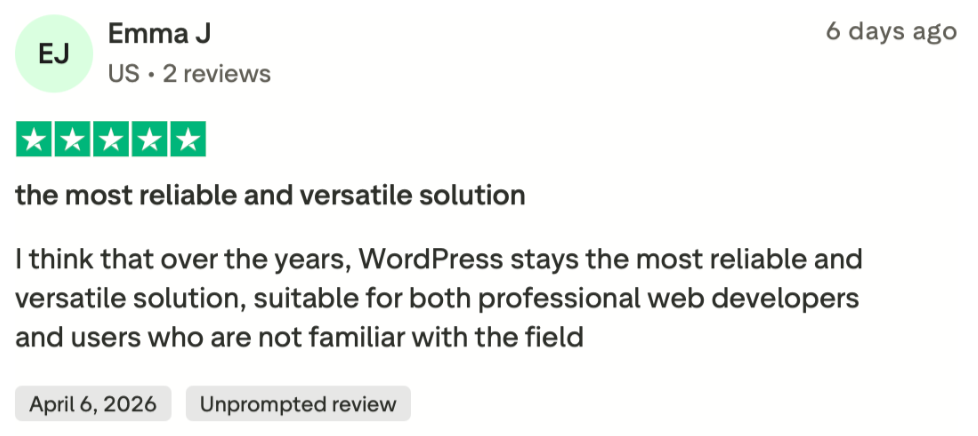
WordPress is the most flexible alternative to Wix and powers a massive portion of the internet. Unlike Wix, it is open-source, which means you have complete ownership over your website, data, and customization.
The platform shines when it comes to SEO, scalability, and plugin ecosystem. However, it is not as beginner-friendly as Wix. You’ll need to handle hosting, security, and maintenance—or hire someone who can.
Reddit Insight
Developers often highlight that WordPress gives you “full control,” especially compared to Wix’s limitations.
Final Take
WordPress is perfect for those who want long-term scalability and full control over their website.
5. KeystoneJS
Founder
KeystoneJS was created by Jed Watson.
Overview & Review
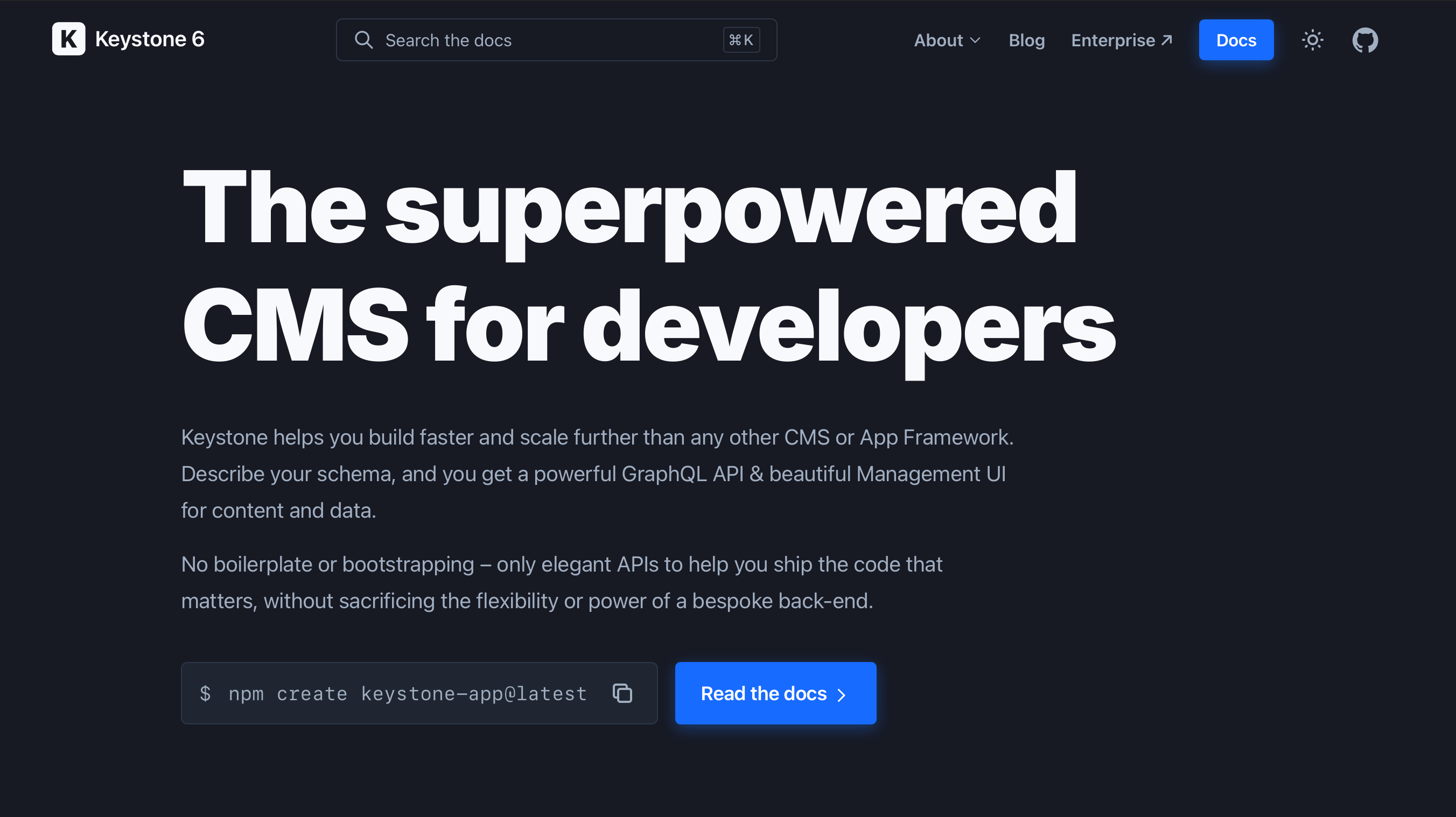
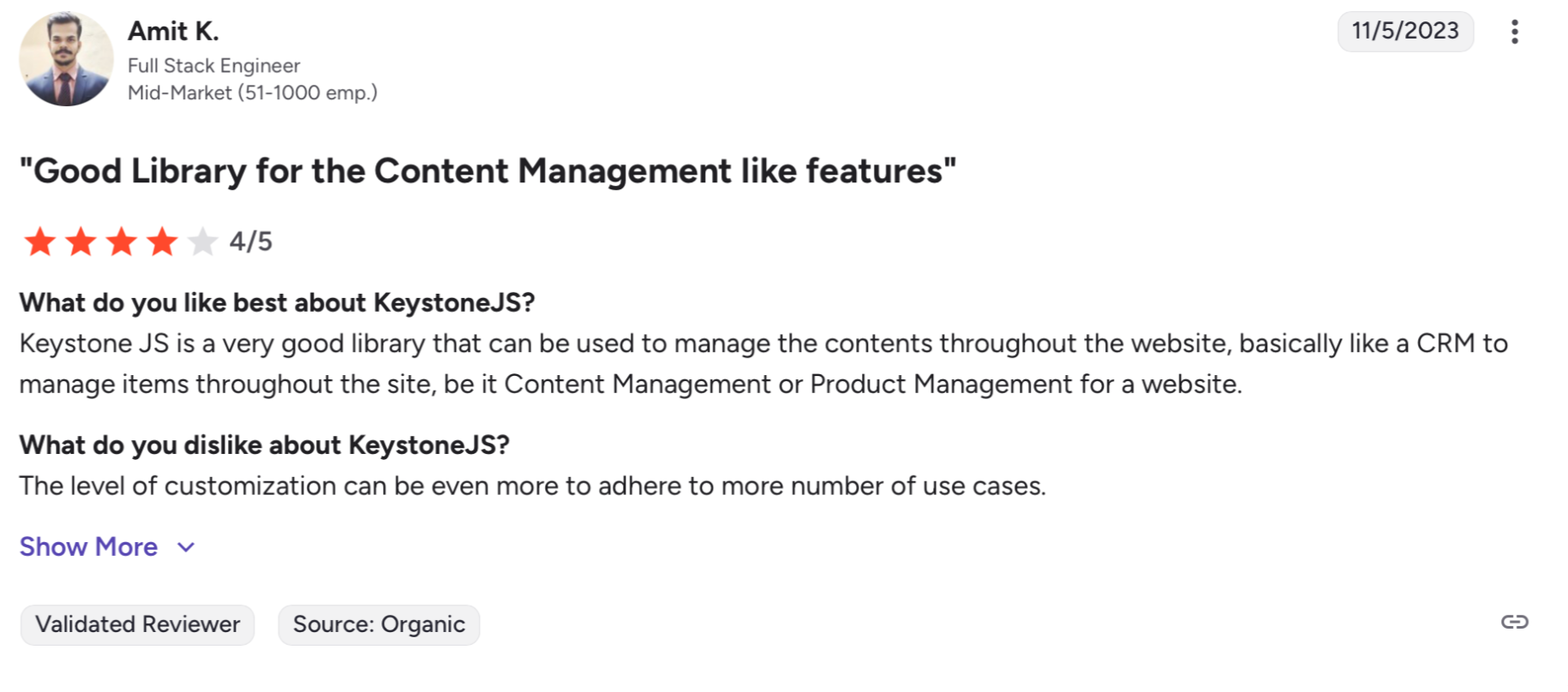
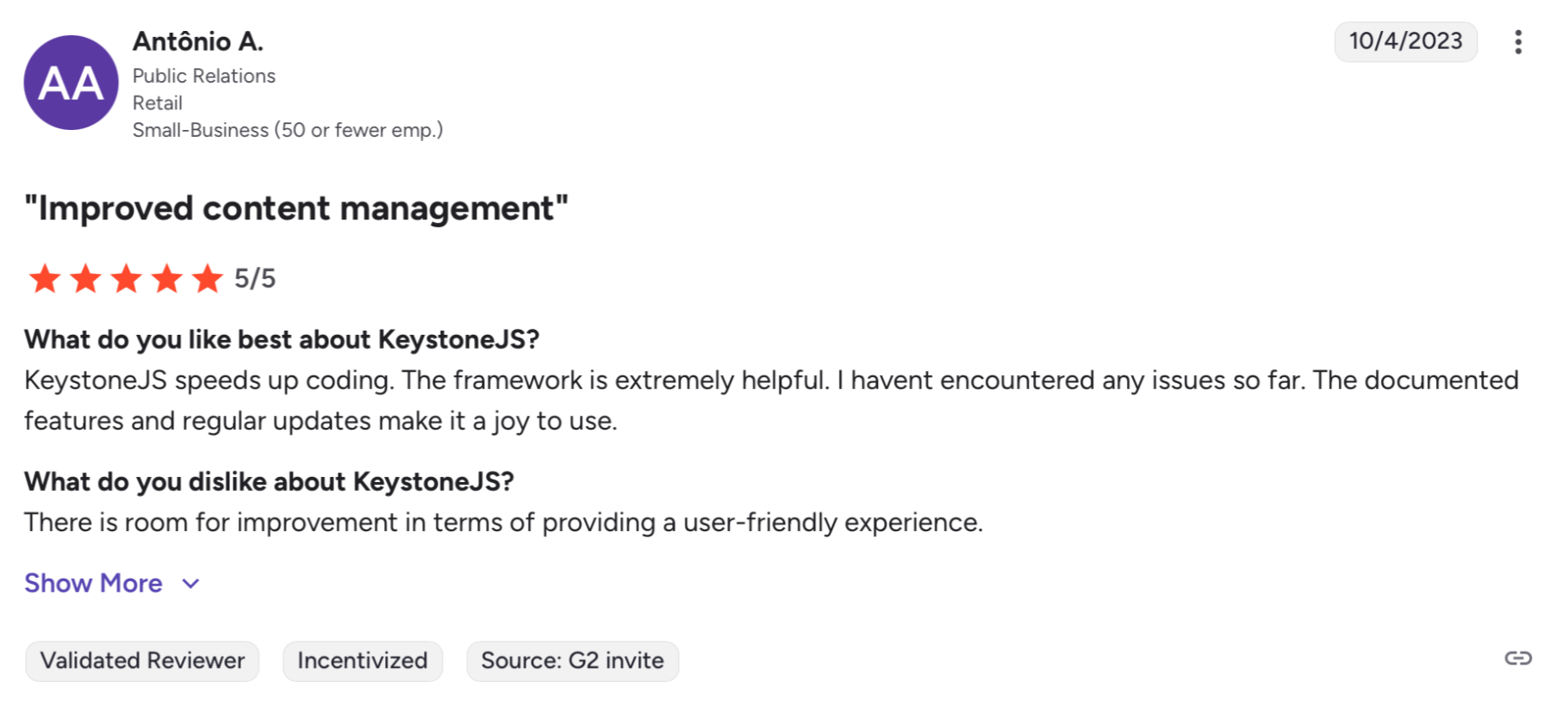
KeystoneJS is more than just a CMS—it’s a backend framework with CMS capabilities. Built around GraphQL and schema-driven development, it gives developers full control over how data is structured and managed.
It’s especially powerful for building custom SaaS platforms, internal tools, and complex applications, where a traditional CMS might feel limiting.Because of its flexibility, Keystone comes with a steeper learning curve, but it rewards developers with unmatched customization.
Key Strengths
-
GraphQL-first architecture
-
Schema-driven development
-
Highly customizable backend
-
Ideal for complex applications
-
Strong developer control
Why It Stands Out
Keystone sits between a CMS and a backend framework, making it perfect for projects where you need both content management and deep application logic.
Summary
Best for developers building custom platforms, SaaS products, or advanced applications requiring full backend control.
6. Webflow
Founders
Webflow was founded by Vlad Magdalin, Sergie Magdalin, and Bryant Chou.

Overview & Review
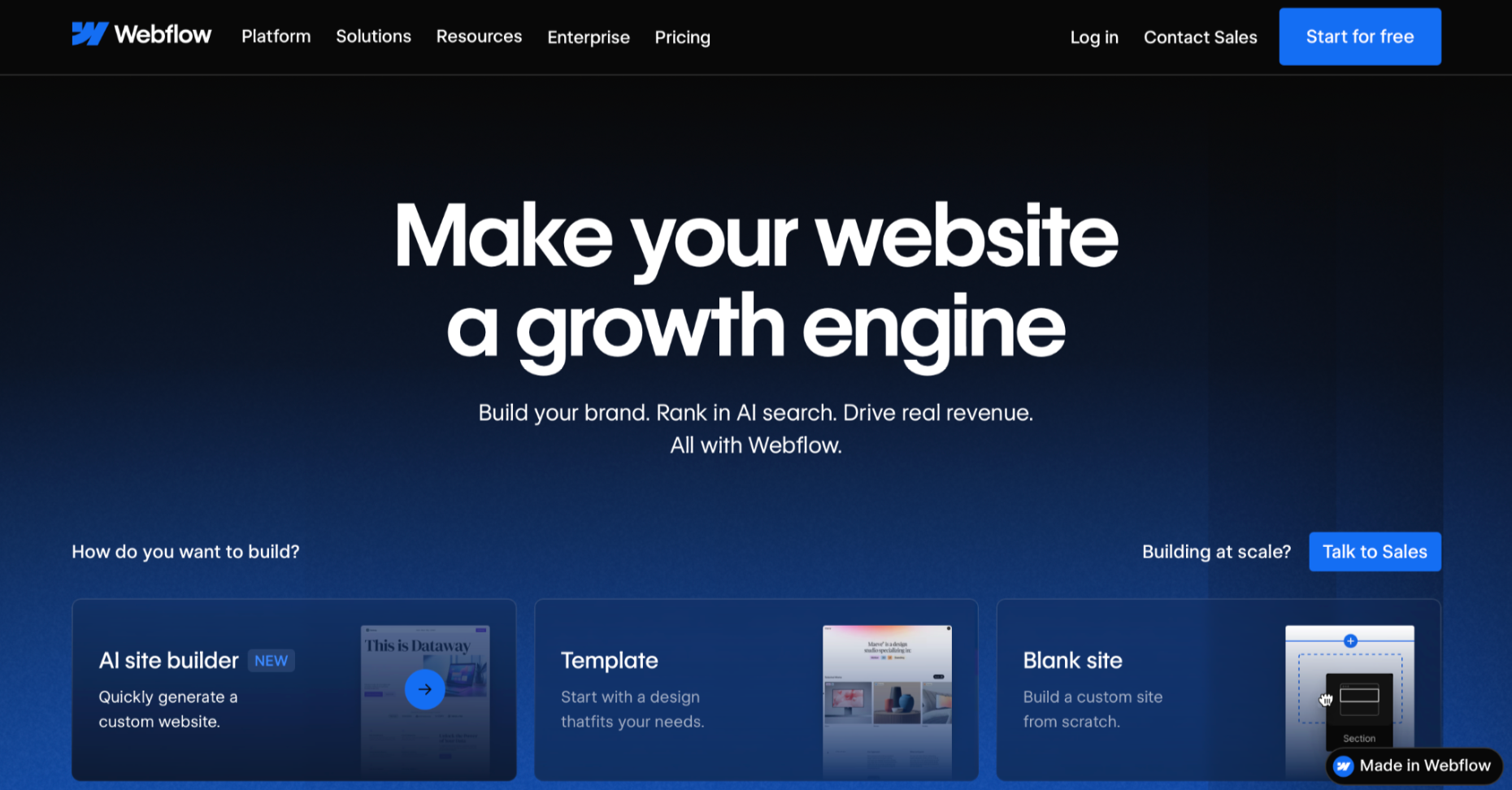
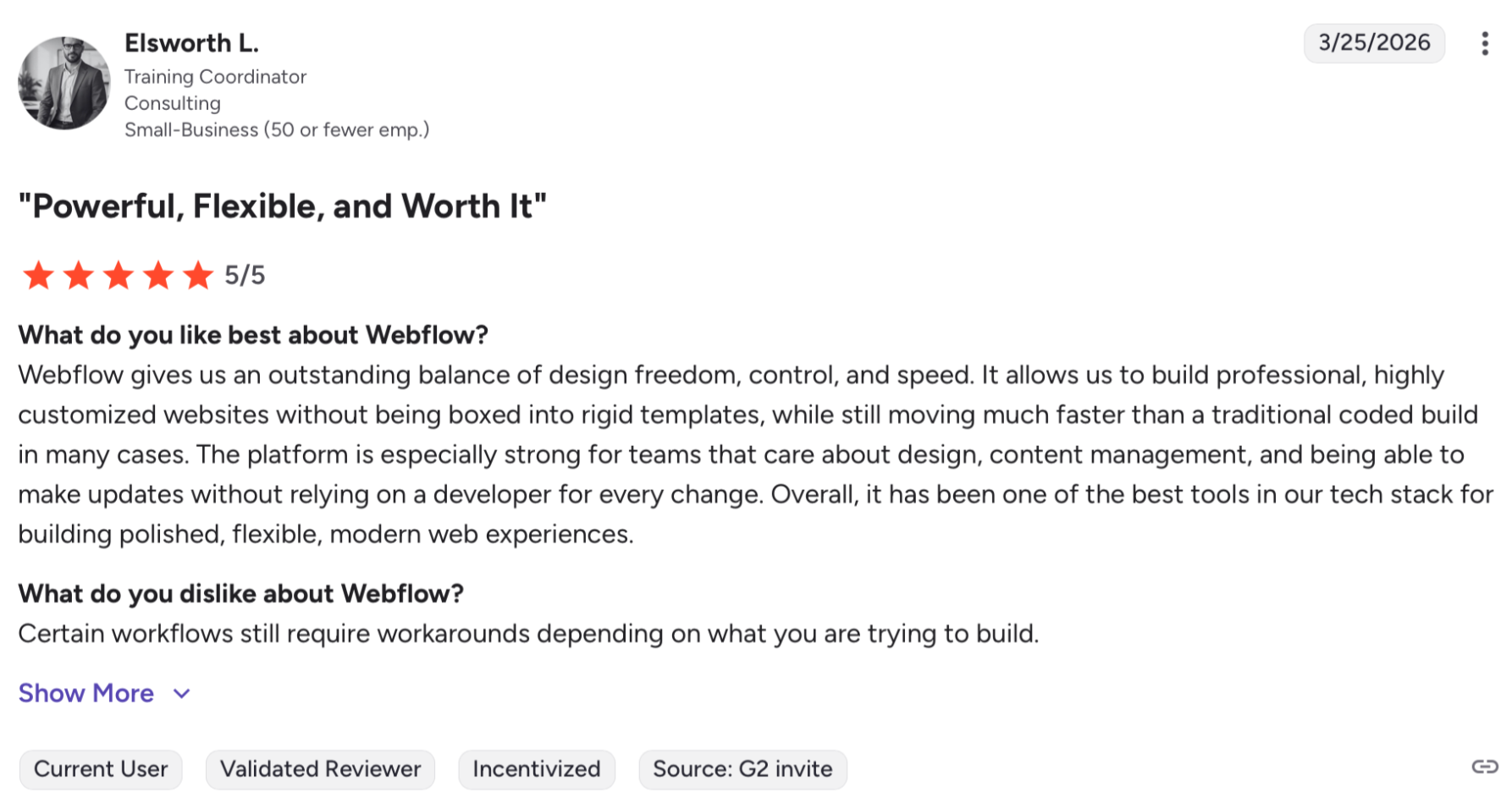
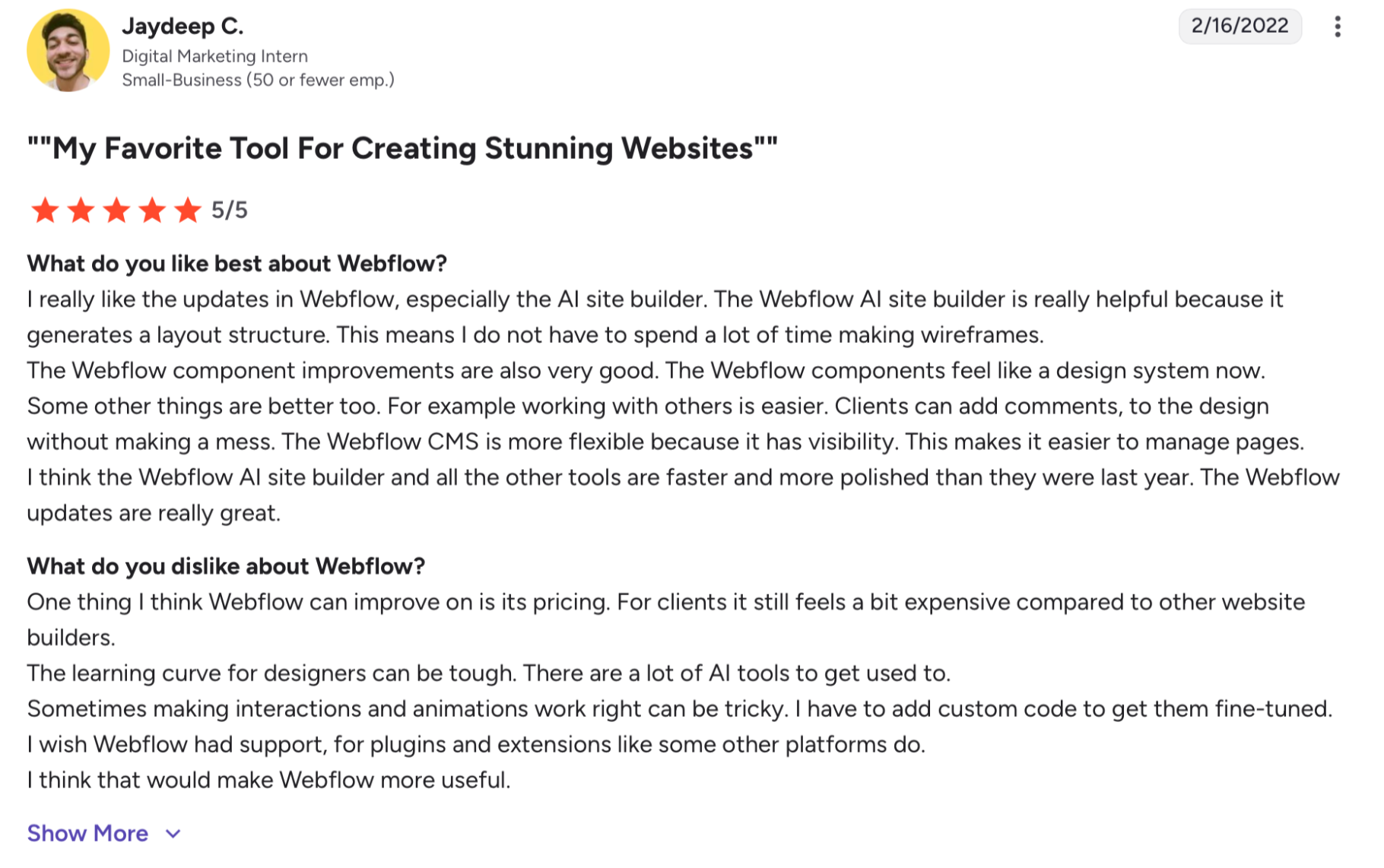
Webflow is what most people upgrade to after outgrowing Wix. It offers significantly more control over design, animations, and interactions, making it feel closer to actual frontend development rather than a simple website builder.
Unlike Wix, Webflow generates cleaner code and allows deeper customization, which is why designers and developers love it. However, it does require a learning curve, especially if you're coming from a no-code background.
Reddit Insight
Many developers recommend Webflow when Wix feels limiting, especially for performance and customization.
Final Take
Webflow is ideal for users who want creative freedom and professional-grade design control.
What Developers & Users Say
Across Reddit and dev communities, one pattern is clear:
-
Ghost is loved for simplicity and writing experience
-
But criticized for limited flexibility and customization
-
Most developers move to headless CMS (Strapi, Directus, Sanity) when scaling
One common takeaway:
“Ghost is great for publishing… not for building apps.”
Final Verdict
Ghost is still one of the best platforms for blogging—but it’s no longer enough for modern digital products.
If you’re moving away from Ghost:
-
Want flexibility → Strapi / Directus
-
Want better editing experience → Sanity
-
Want full ecosystem → WordPress
-
Want custom backend → KeystoneJS
-
Want no-code → Webflow
The bigger shift in 2026 is clear:
Teams are moving from simple publishing tools to headless and composable CMS platforms for scalability and control.
Struggling to choose the right Headless CMS & Headless Commerce tech stack? We’ll help you pick the best solution for your business! Exclusive Offer: 20 Hours of Free Development & Consultation
Book a MeetingFrequently Asked Questions
Top alternatives include Strapi, Directus, Sanity, WordPress, KeystoneJS, and Webflow. Each offers different strengths, from headless flexibility to no-code website building.
Users often move away from Ghost because it is limited to publishing and blogging. It lacks flexibility for complex applications, multi-channel content delivery, and advanced backend customization.
Headless CMS platforms like Strapi, Directus, and Sanity are best for scalability, as they allow API-based content delivery and flexible integration with modern frameworks.