Best ERP Systems for Mid-Market B2B Companies (2026 Guide)
Introduction
Mid-market B2B companies sit in a unique position. They have outgrown basic tools like spreadsheets or accounting software, but they are not yet ready for overly complex enterprise ERP systems. This creates a need for solutions that balance scalability, flexibility, and cost-effectiveness.
In 2026, ERP systems are no longer just about accounting or inventory management. They now integrate finance, supply chain, CRM, and analytics into a single platform. Businesses expect real-time insights, automation, and seamless integrations with other tools.
For B2B companies, ERP is even more critical due to complex pricing models, multi-entity operations, and long sales cycles. This guide highlights the best ERP systems tailored specifically for mid-market B2B organizations.
TL;DR (Quick Picks)
|
ERP
|
Best For
|
Key Highlight
|
|
NetSuite
|
Growing mid-market B2B
|
All-in-one cloud ERP
|
|
Microsoft Dynamics 365 Business Central
|
Microsoft ecosystem users
|
Seamless integrations
|
|
Acumatica
|
Flexible mid-market ERP
|
Customization + pricing model
|
|
SAP Business ByDesign / S/4HANA Public Cloud
|
Scaling enterprises
|
Enterprise-grade features
|
|
Epicor
|
Distribution & manufacturing
|
Industry-specific ERP
|
1. Oracle NetSuite
Overview
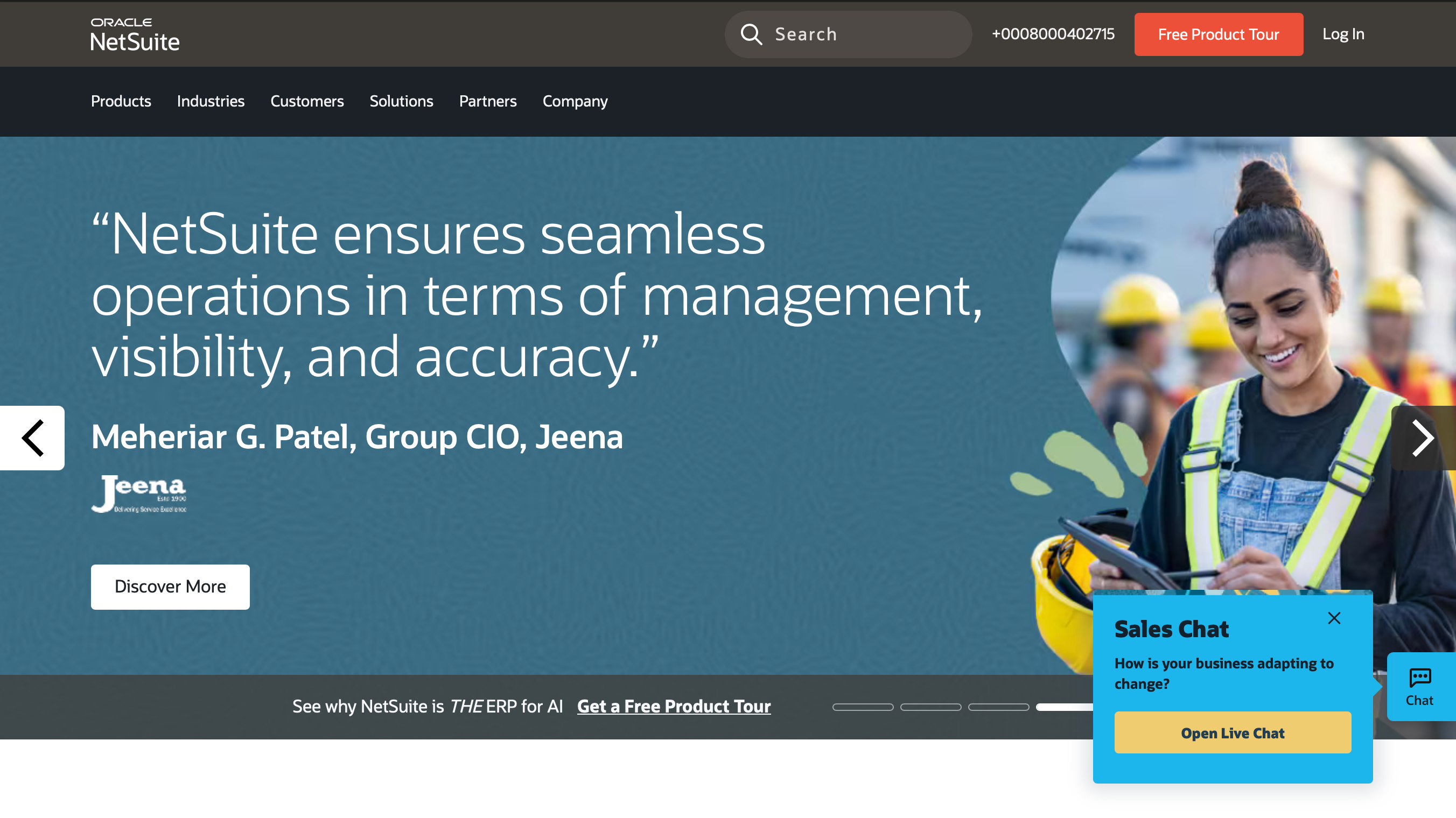
NetSuite is one of the most widely adopted ERP systems for mid-market B2B companies. It is a cloud-native platform that integrates finance, CRM, inventory, and ecommerce into a single system. This makes it highly efficient for businesses scaling across regions.
It is particularly strong for companies with multiple subsidiaries or global operations. NetSuite provides consolidated financial reporting and compliance tools, which are essential for B2B organizations operating in multiple markets.
Reviews
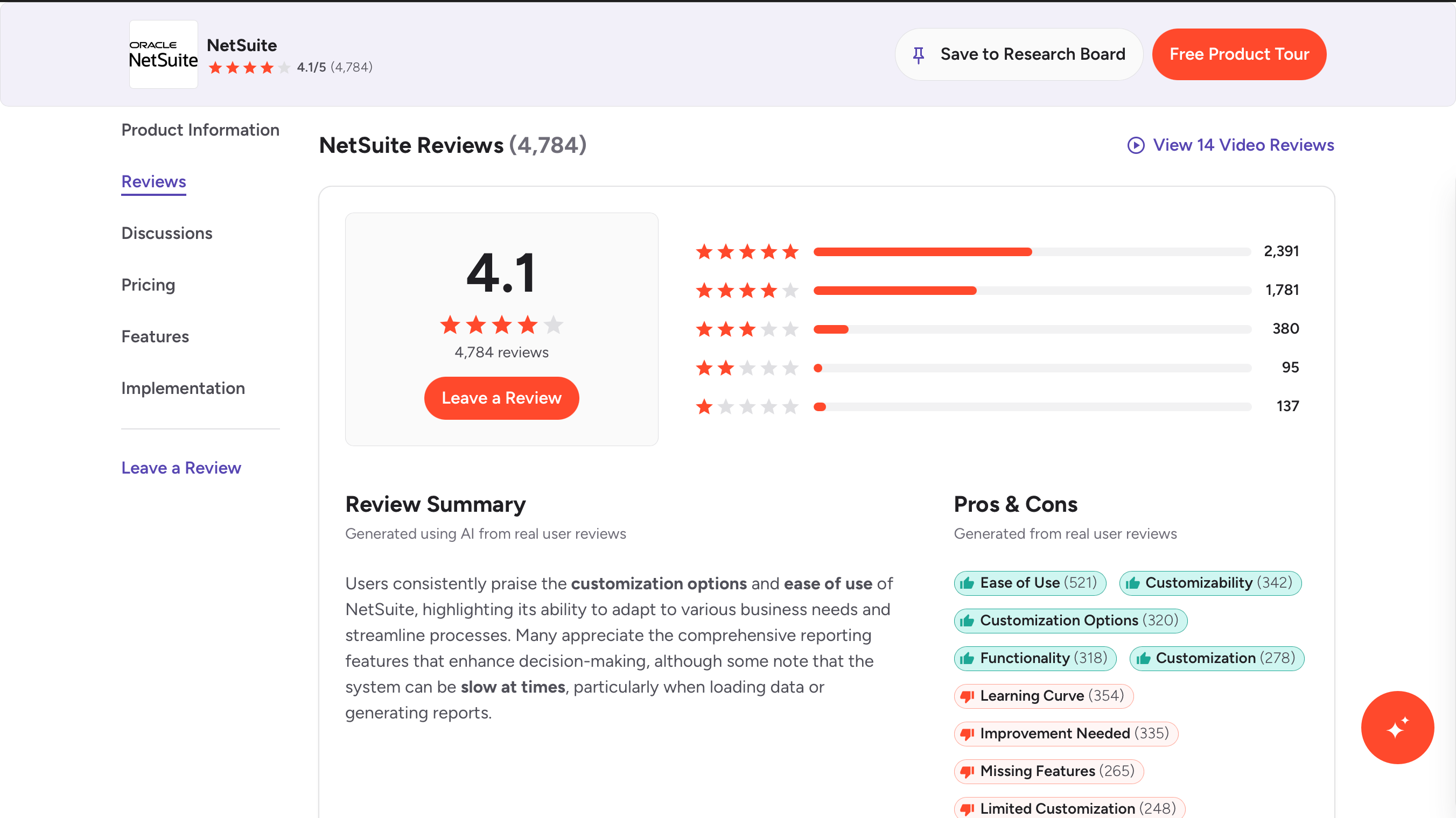
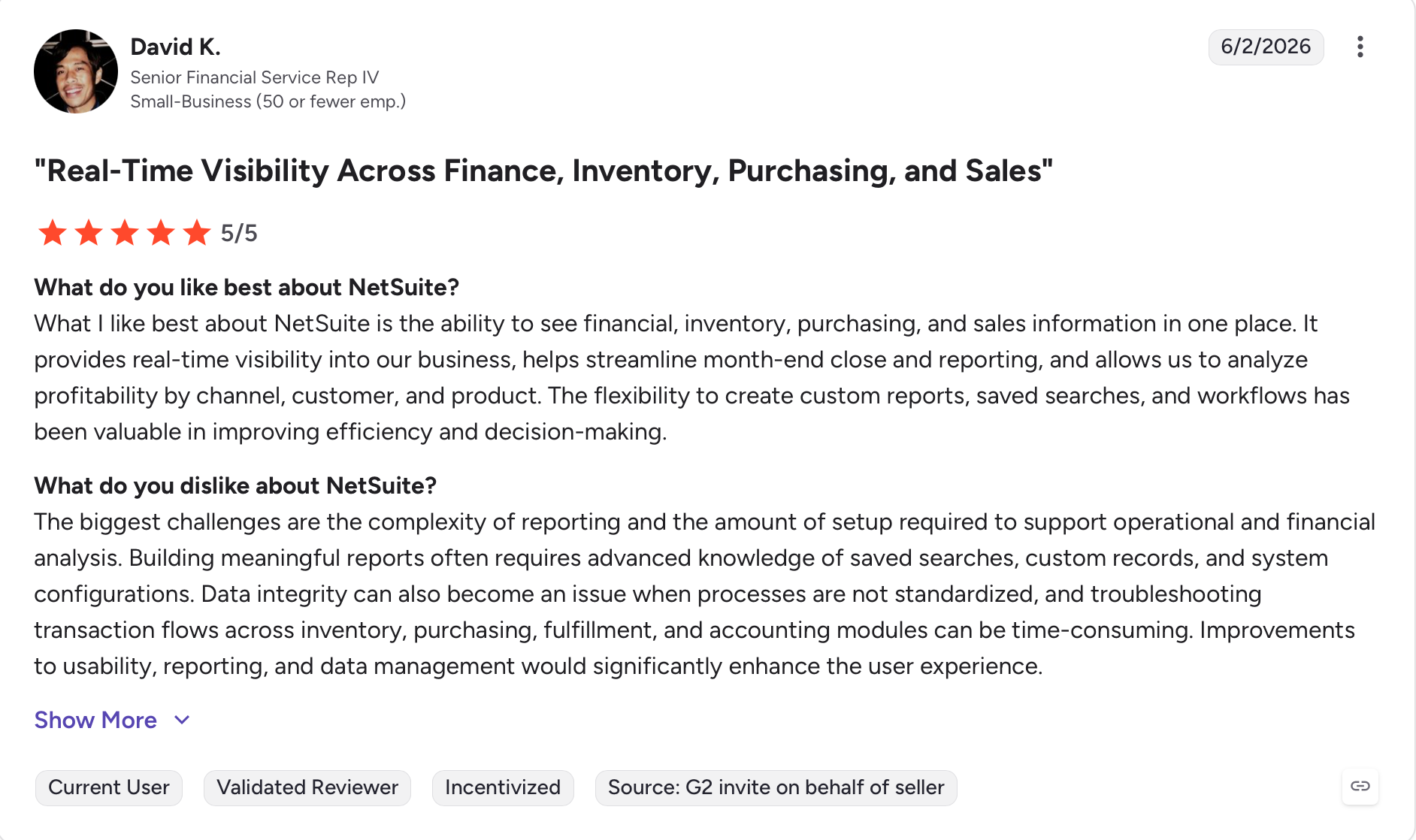
NetSuite is widely praised for its scalability and comprehensive feature set. Many mid-market businesses choose it as they transition toward enterprise-level operations. It is often considered a “future-proof” ERP.
However, implementation can be complex and may require consultants. Despite this, it remains one of the top choices globally.
Pros
All-in-one cloud platform
Strong financial management
Scales with business growth
Cons
Implementation complexity
Higher cost
Summary
NetSuite is the best overall ERP for mid-market B2B companies. It provides a complete system for scaling businesses. Overall, it is ideal for companies planning long-term growth.
2. Microsoft Dynamics 365 Business Central
Overview
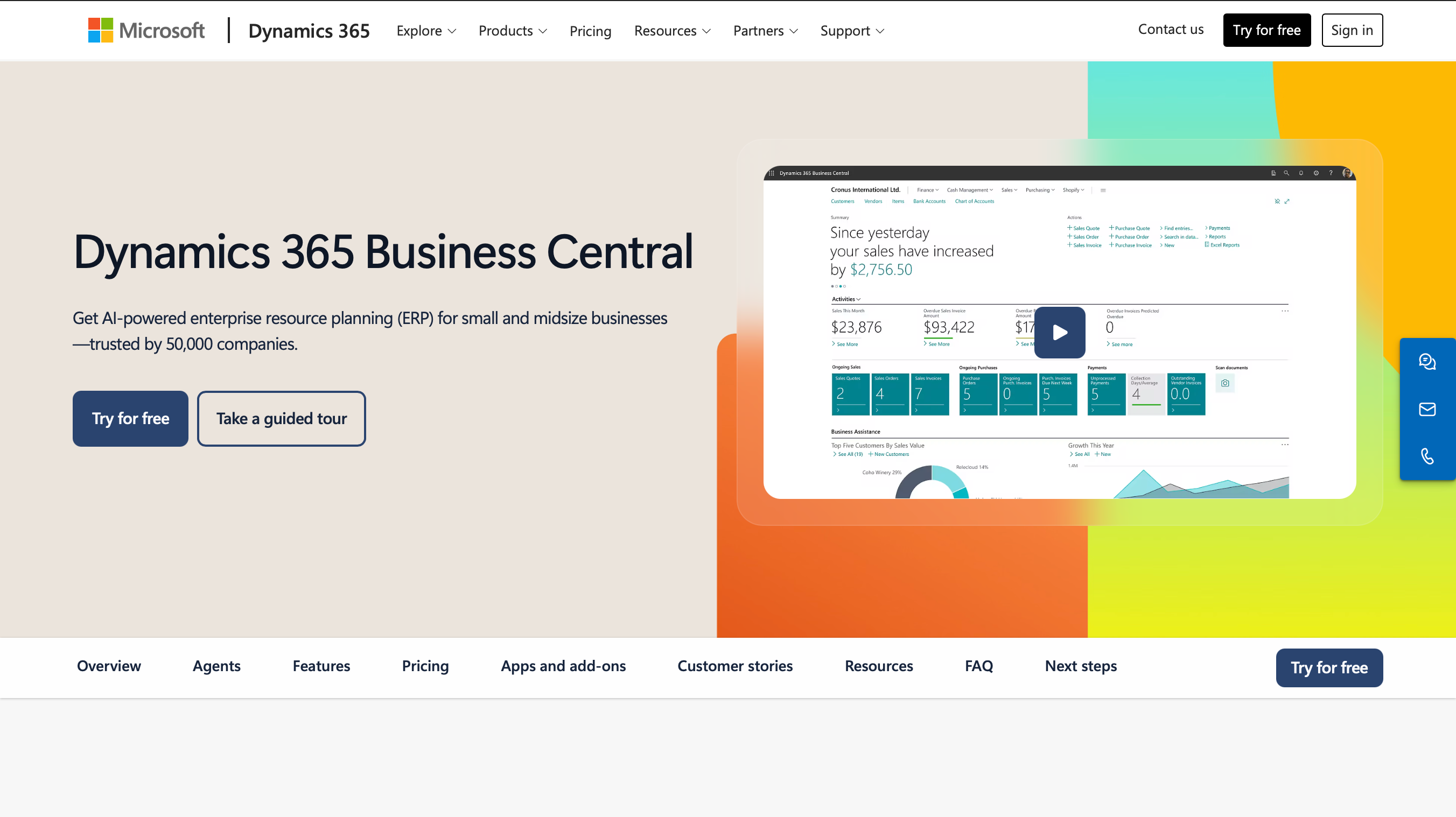
Microsoft Dynamics 365 Business Central is a leading ERP solution for mid-market companies, especially those already using Microsoft tools. It integrates seamlessly with Microsoft 365, Teams, and Power Platform, creating a unified ecosystem.
The platform supports finance, operations, supply chain, and sales management. Its familiar interface makes adoption easier for teams.
Reviews
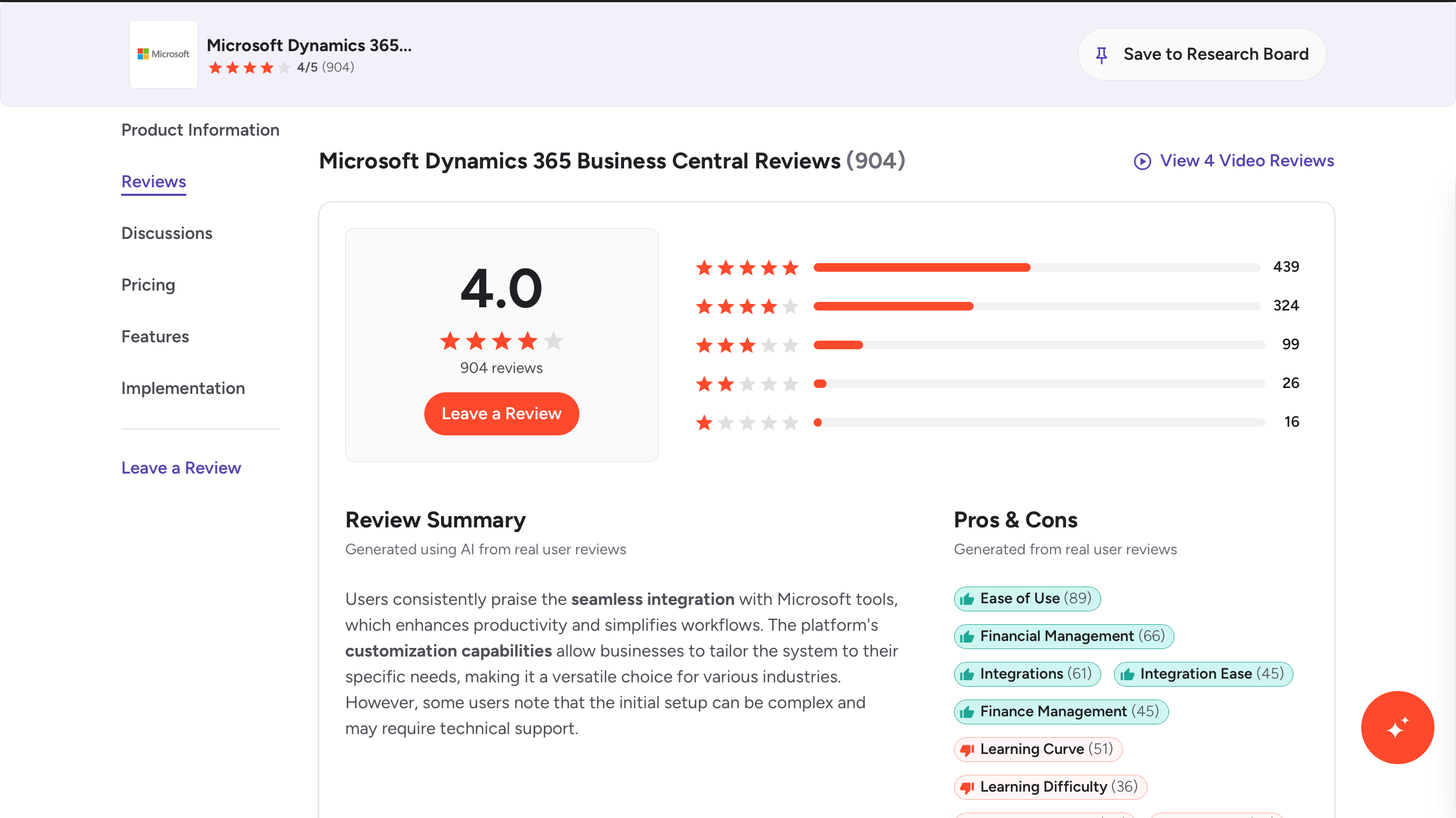
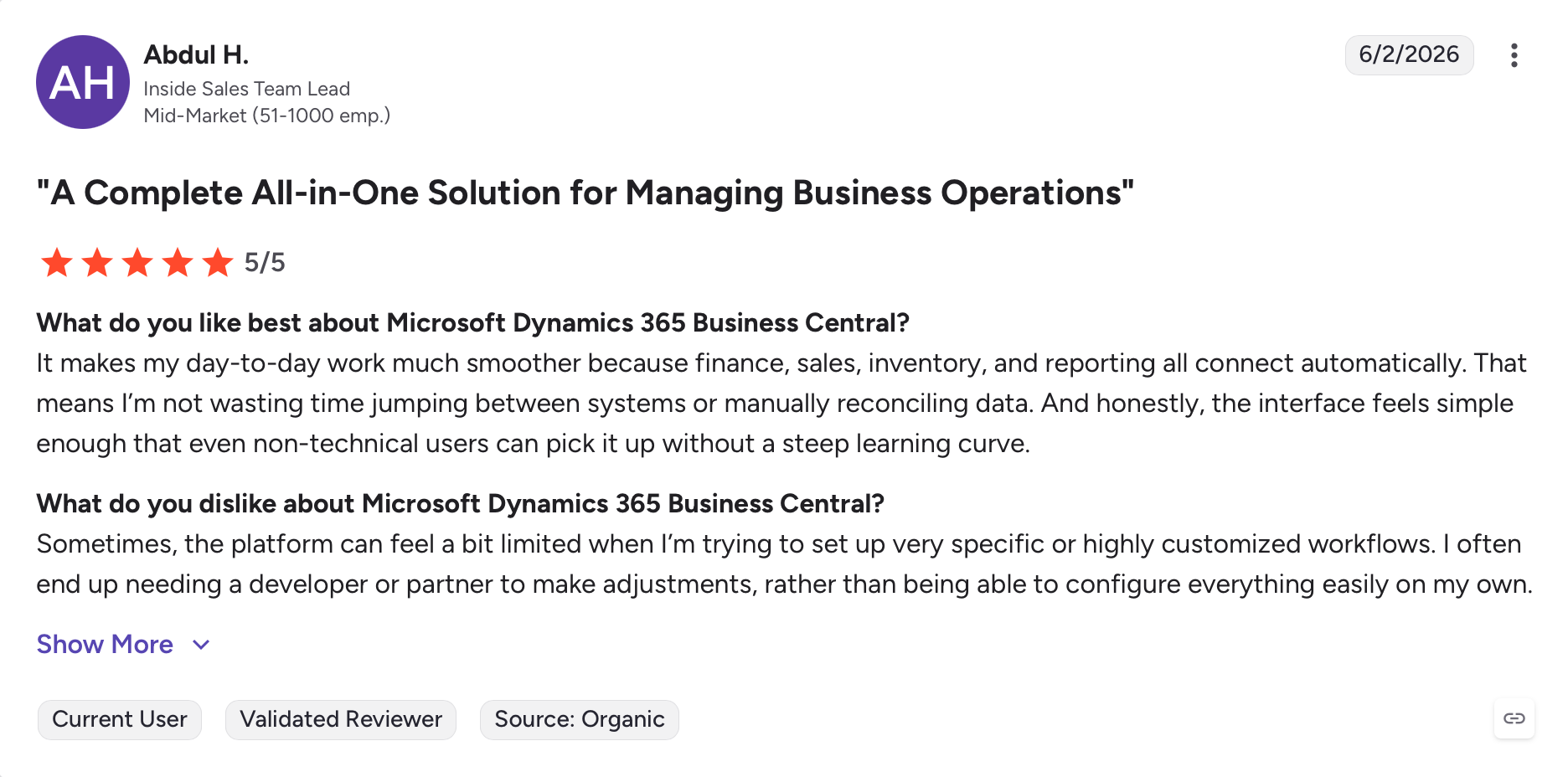
Business Central is highly rated for its usability and integration capabilities. Many businesses choose it for its lower total cost of ownership and fast deployment. Some limitations exist for highly complex manufacturing workflows, but it remains a strong mid-market solution.
Pros
Strong Microsoft integration
Easy to use
Lower cost compared to enterprise ERP
Cons
Limited deep customization
May need add-ons
Summary
Business Central is ideal for mid-market B2B companies already in the Microsoft ecosystem. It offers a balance of usability and functionality. Overall, it is a reliable and scalable ERP.
3. Acumatica
Overview
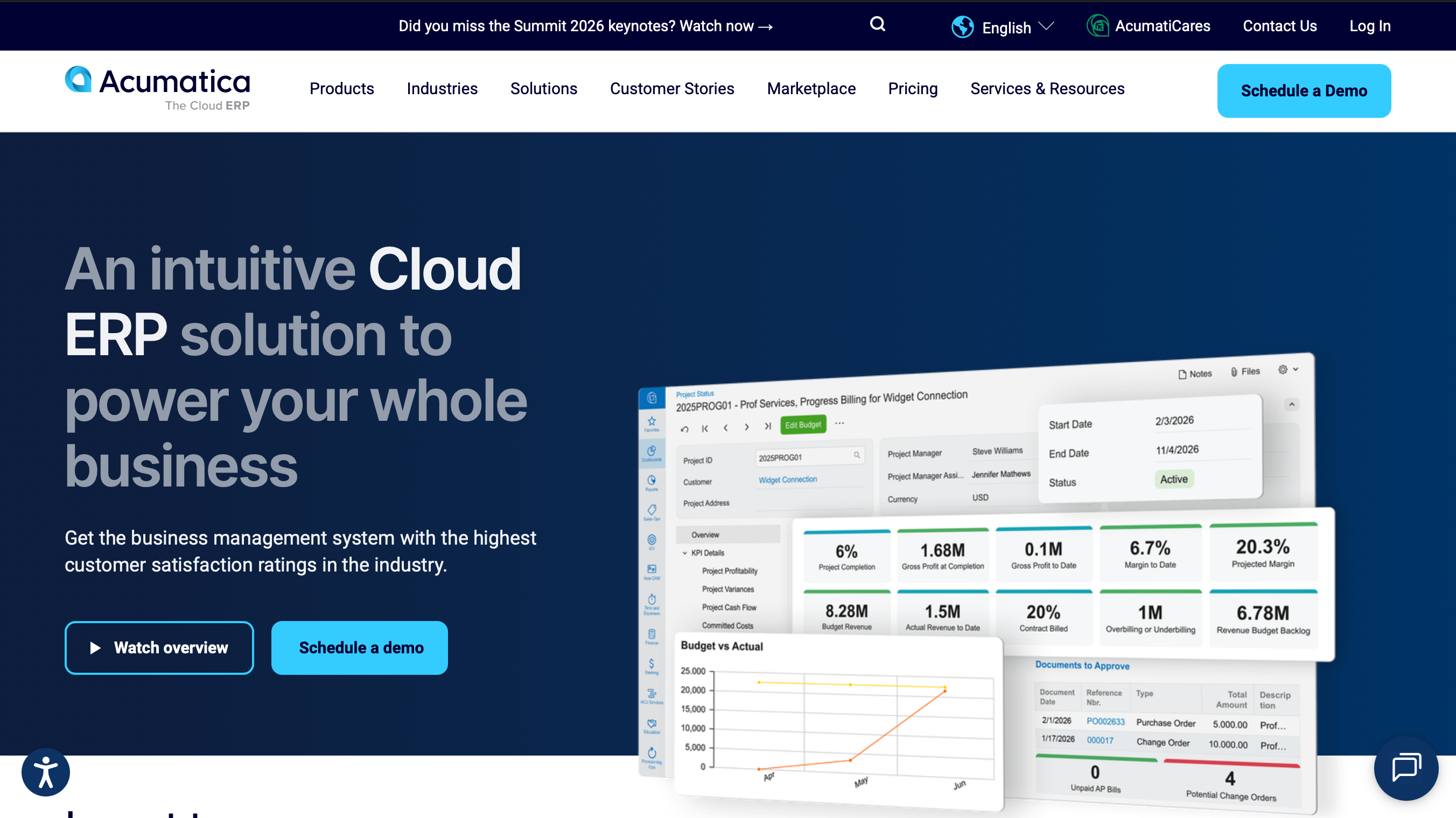
Acumatica is a modern cloud ERP designed specifically for small and mid-sized businesses. It offers strong flexibility, open APIs, and a unique pricing model based on resource usage rather than users.
The platform supports finance, distribution, manufacturing, and project accounting. It is especially popular among companies that need customization without enterprise-level complexity.
Reviews
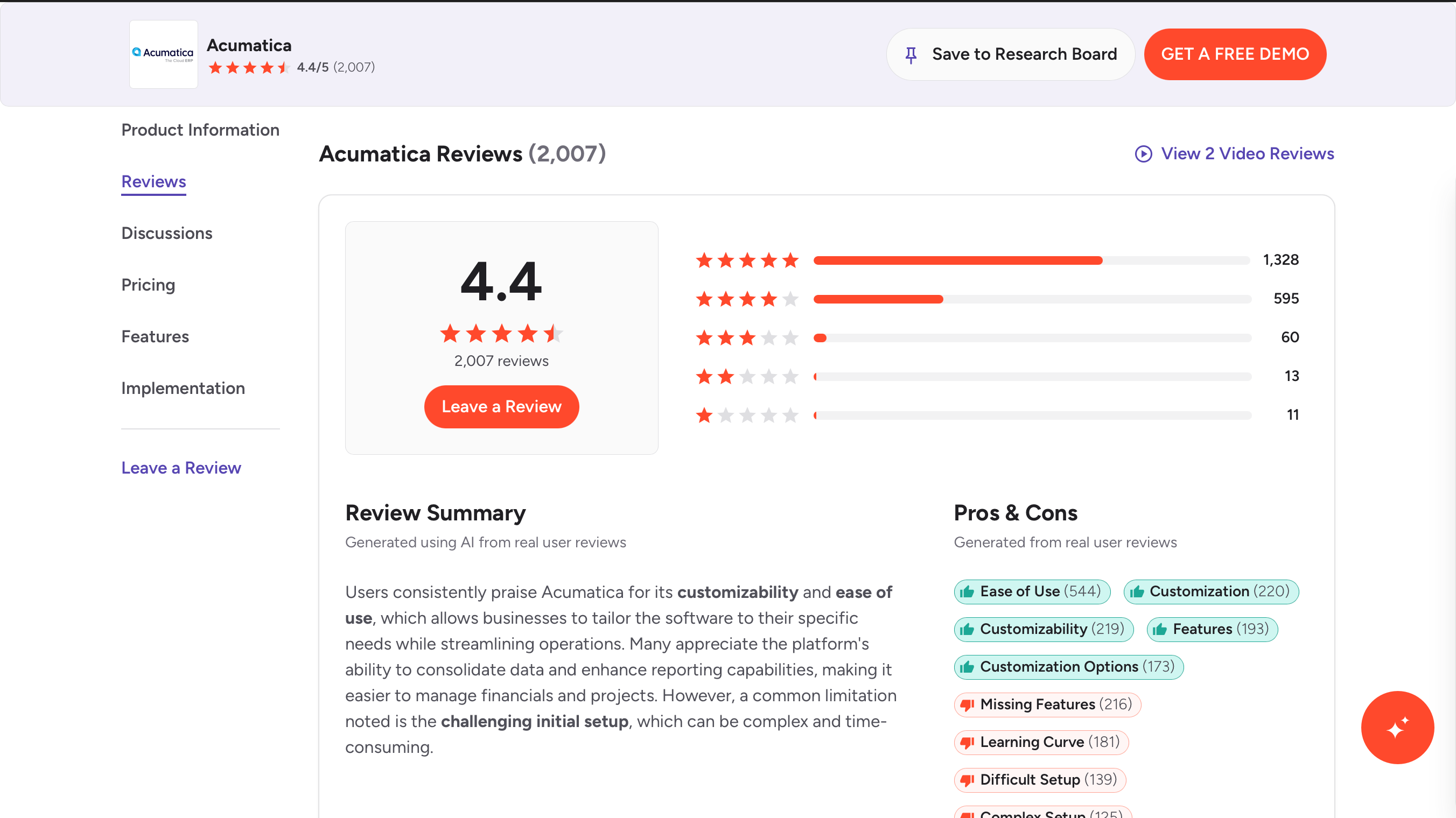
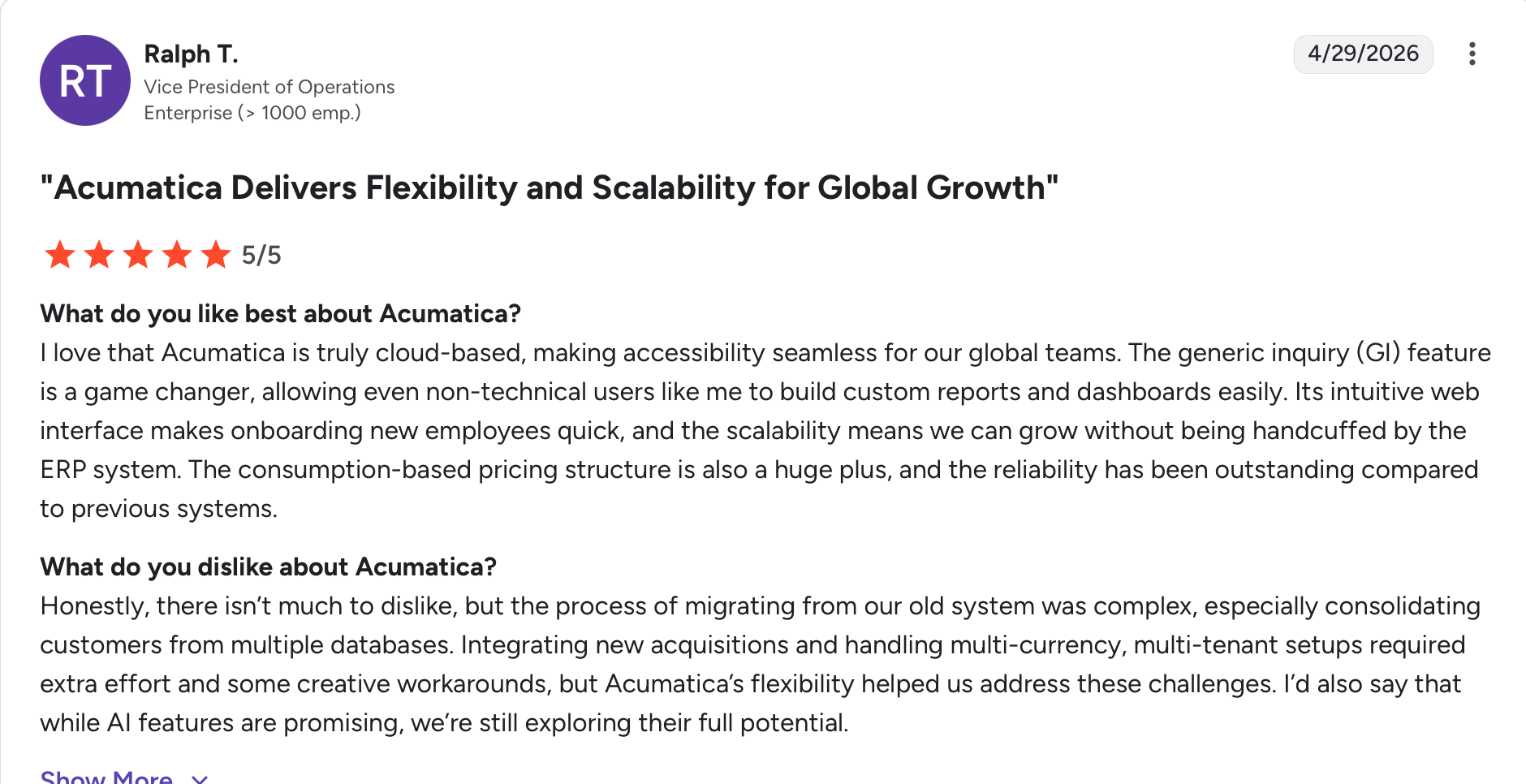
Acumatica is praised for its flexibility and customization capabilities. Users highlight its low-code tools and ability to adapt workflows. However, advanced features may require partner solutions or integrations.
Pros
Flexible and customizable
Open APIs
Cost-effective pricing model
Cons
Requires partner ecosystem
Some features need extensions
Summary
Acumatica is best for mid-market B2B companies needing flexibility and customization. It is ideal for businesses with unique workflows. Overall, it is a strong alternative to rigid ERP systems.
4. SAP Business ByDesign / SAP S/4HANA Public Cloud
Overview
SAP offers multiple ERP solutions for mid-market companies, including Business ByDesign and S/4HANA Public Cloud. These platforms bring enterprise-level capabilities to growing businesses.
They provide advanced features for finance, supply chain, and operations. SAP is particularly strong for companies planning to scale into large enterprises. (ERP Research)
Reviews
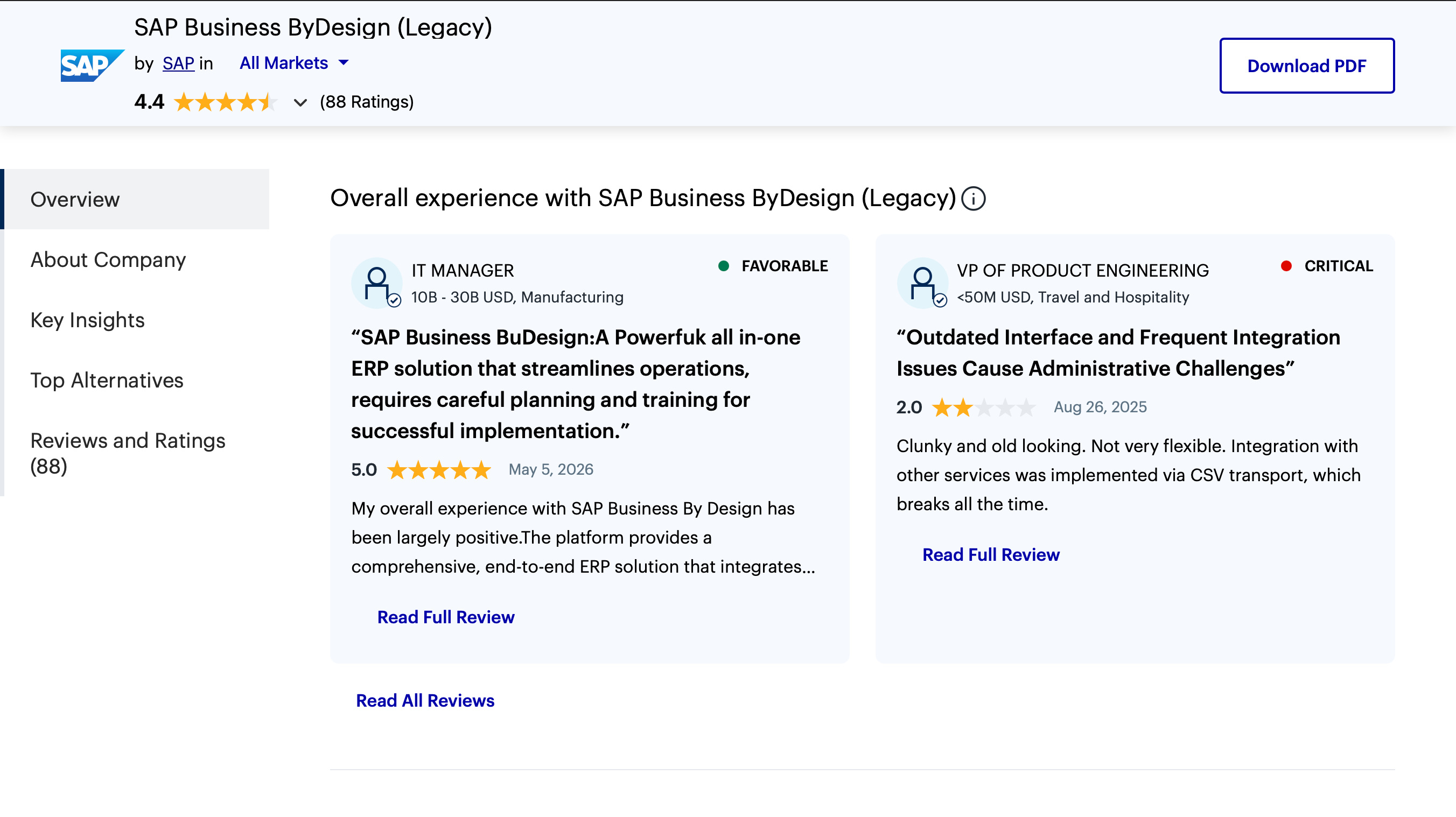
SAP solutions are known for their robustness and global capabilities. They are widely used by large organizations and scaling companies.
However, they can be complex and require significant investment.
Pros
Enterprise-grade features
Global scalability
Strong compliance tools
Cons
Complex implementation
High cost
Summary
SAP is ideal for mid-market companies planning rapid expansion. It offers enterprise-level capabilities early. Overall, it is best for long-term scalability.
5. Epicor ERP
Overview
Epicor is a specialized ERP platform designed for industries like manufacturing, distribution, and retail. It provides deep functionality tailored to B2B operations, especially supply chain and production management.
The platform is widely used by mid-market companies that need industry-specific features without enterprise-level complexity.
Reviews
Epicor is praised for its industry focus and strong operational capabilities. Businesses appreciate its ability to handle complex workflows.
However, it may feel less modern compared to newer cloud-first platforms.
Pros
Industry-specific features
Strong supply chain tools
Good for manufacturing
Cons
Older interface
Requires configuration
Summary
Epicor is best for B2B companies in manufacturing and distribution. It offers deep functionality tailored to specific industries. Overall, it is a strong vertical ERP solution.
Key Differences for Mid-Market B2B ERP
Mid-market B2B companies require ERP systems that balance complexity and usability. Unlike enterprise systems, they need faster deployment and lower costs. At the same time, they must support growth and scalability.
NetSuite and Dynamics 365 offer general-purpose ERP solutions. Acumatica provides flexibility and customization. SAP delivers enterprise-level capabilities. Epicor focuses on industry-specific needs.
The right choice depends on your business model and growth stage.
How to Choose the Right ERP for B2B
Choosing the right ERP depends on your company’s size, industry, and technical capabilities. Mid-market businesses should prioritize scalability, integration, and ease of use.
If you want an all-in-one solution, NetSuite is the best choice. For Microsoft users, Business Central is ideal. For customization, Acumatica works well.
You should also consider implementation time, cost, and long-term growth. The right ERP should support your business for the next 5–10 years.
Conclusion
ERP systems are critical for mid-market B2B companies in 2026. They unify operations, improve efficiency, and provide real-time insights. Without the right ERP, scaling becomes difficult.
NetSuite, Microsoft Dynamics 365, and Acumatica lead the mid-market space. SAP and Epicor provide additional options for specific use cases.
Choosing the right ERP is a strategic decision. The right platform can significantly improve operations, scalability, and long-term growth.

