

Words that inspire, ideas that spark,
stories that stay
Best Alternatives to Contentstack (2026 Guide)
V.Srinidhi Reddy
Sunday, April 19th, 20266 min read
Table of content
Best Alternatives to Contentstack (2026 Guide)
Introduction
Contentstack is one of the leading enterprise headless CMS platforms, known for its API-first architecture, scalability, and strong governance features. It’s widely used by large organizations that need to deliver content across multiple channels.
But it’s not perfect.
Many teams start exploring alternatives because of:
-
High enterprise pricing
-
Complex setup and onboarding
-
Limited flexibility compared to open-source options
-
Vendor lock-in concerns
In fact, some implementation partners note that Contentstack can feel restrictive for experimentation and PoCs, especially compared to more flexible platforms.
So if you’re looking for a better fit, here are the top Contentstack alternatives in 2026, depending on your needs.
TL;DR
Contentstack is a strong enterprise headless CMS known for scalability and governance, but many teams look for alternatives because of high pricing, complex onboarding, vendor lock-in concerns, and limited flexibility compared to open-source platforms.
Best Alternatives
- Contentful → Best for enterprise-scale composable architecture
- Storyblok → Best visual editing experience for marketers + developers
- Sanity → Best developer workflow and flexible schemas
- Strapi → Best open-source backend ownership and customization
- Hygraph → Best GraphQL-native CMS for scalable APIs
- Kontent.ai → Best for governance, compliance, and regulated industries
1. Contentful
Founders
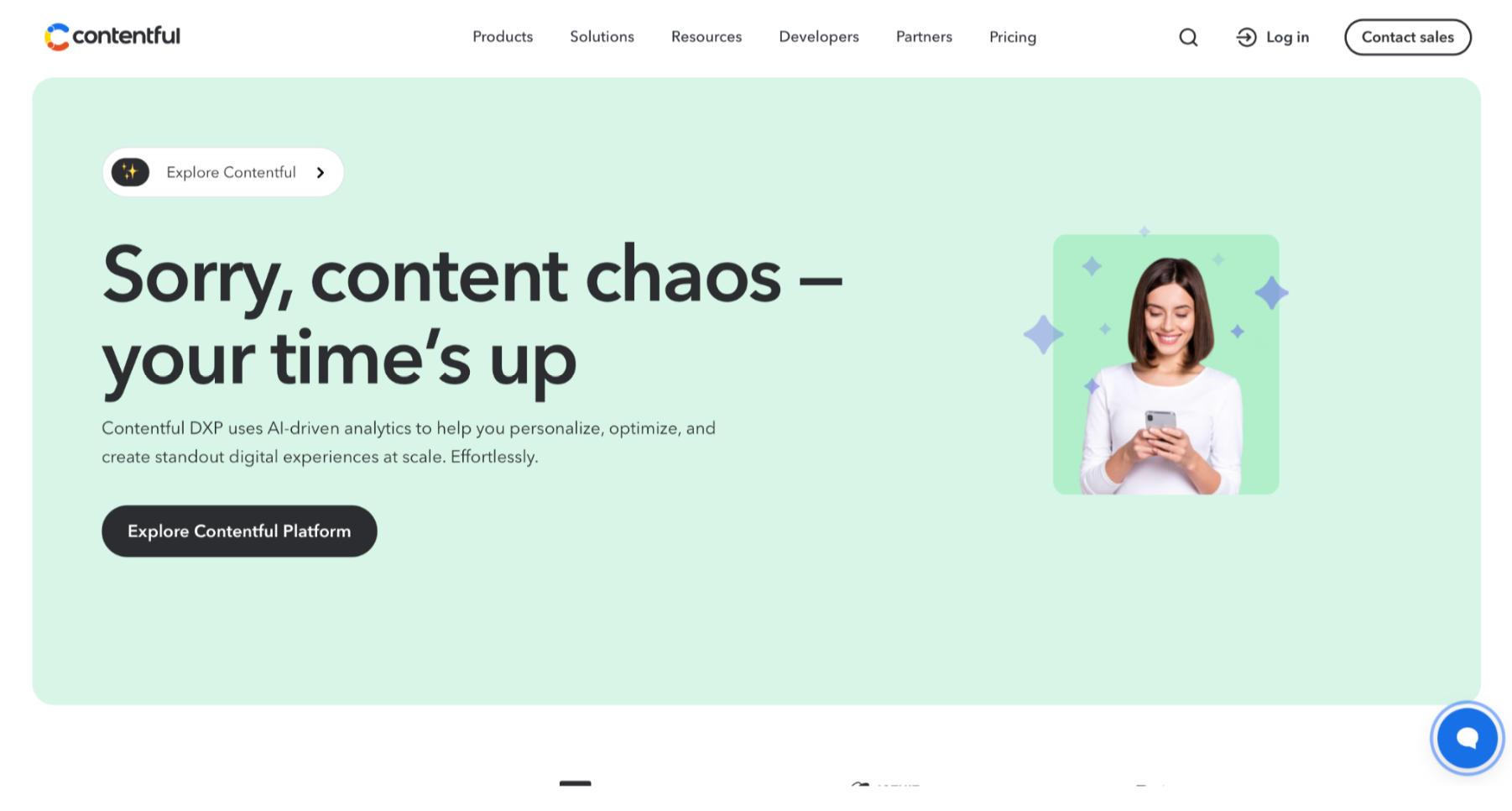
Contentful was founded by Sascha Konietzke and Paolo Negri, with the goal of creating a fully API-driven content infrastructure for modern digital products.

Overview & Review
Contentful is widely considered one of the most mature headless CMS platforms available today. Unlike Umbraco, which still carries elements of a traditional CMS, Contentful is built entirely around APIs, making it extremely powerful for omnichannel content delivery.
From a practical standpoint, teams that switch from Umbraco to Contentful often do so because they need a system that can scale across multiple platforms without being tightly coupled to a frontend. Contentful excels in enterprise environments where content needs to be reused across websites, mobile apps, and internal tools.
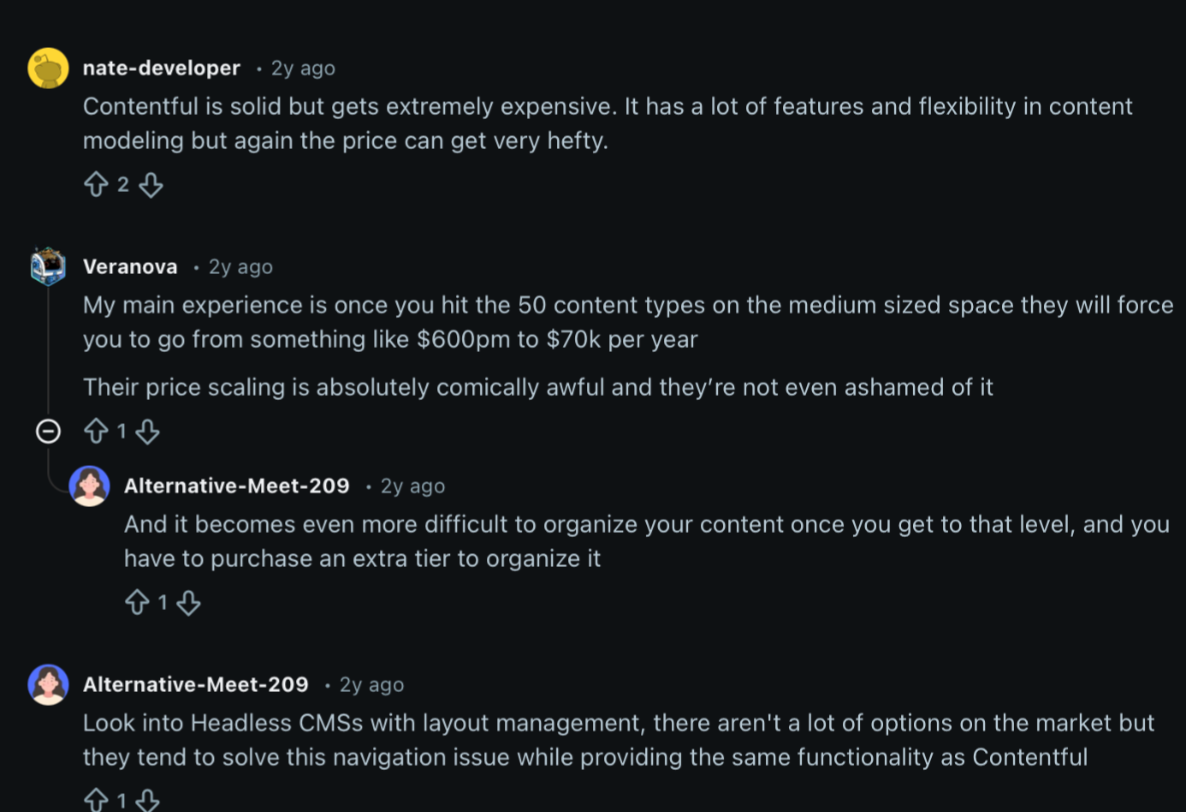
That said, the platform comes with a noticeable trade-off—pricing. Many users point out that while the capabilities are excellent, costs can rise quickly as your usage scales.
Reddit Insight
Across developer discussions, Contentful is often praised for its robustness but criticized for cost. A common sentiment is that it’s “incredibly powerful, but you need budget to unlock its full potential.”
Final Take
Contentful is best suited for companies that are serious about composable architecture and long-term scalability, especially at an enterprise level.
2. Storyblok
Founders
Storyblok was founded by Dominik Angerer and Alexander Feiglstorfer, with a vision to bridge the gap between developers and marketers.
Overview & Review
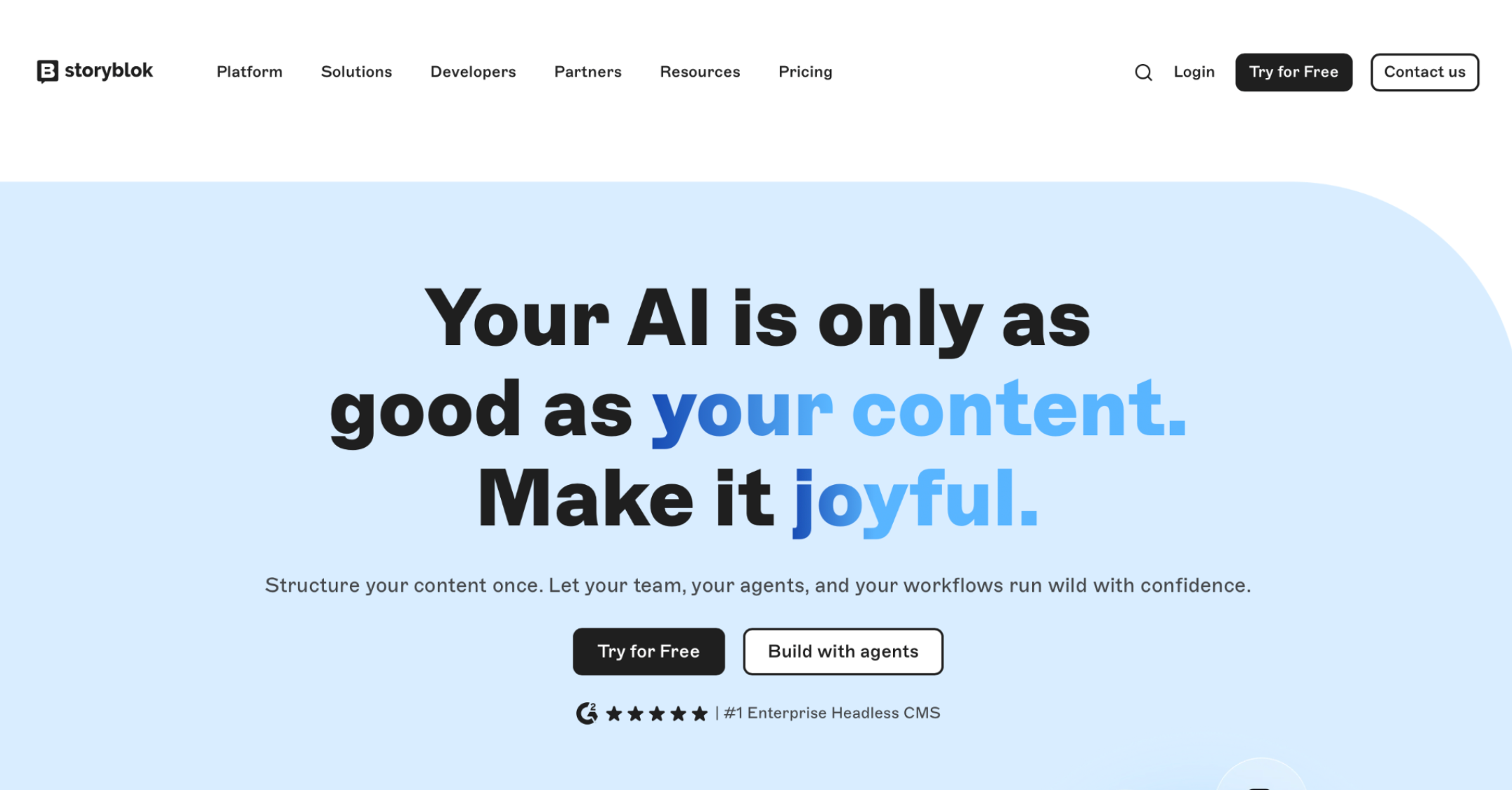
Storyblok is a hybrid headless CMS that combines the flexibility of a headless system with a visual editing experience, something most developer-focused CMS platforms lack.
Its biggest advantage over Strapi is the real-time visual editor, which allows marketers and content teams to see exactly how content will look while editing. This significantly reduces dependency on developers for everyday content updates.
For developers, Storyblok still provides full flexibility through APIs, component-based content structures, and seamless integration with frameworks like Next.js, Nuxt, and Astro.
Another key strength is its component-based content approach, where content is structured as reusable blocks. This aligns well with modern frontend architectures and improves scalability for large projects.
It also offers internationalization, workflow management, and collaboration tools, making it a strong choice for teams with multiple stakeholders.
Reviews
Across developer and marketing communities, Storyblok is often praised for its balance. One common takeaway is that it “keeps developers happy while empowering marketing teams,” which is rare among CMS platforms.

Final Take
Storyblok is best for teams that want a balance between developer flexibility and a strong visual editing experience, especially when non-technical users need control over content.
3. Sanity
Founders
Sanity was founded by Magnus Hillestad and Even Westvang, with a strong focus on developer-first content workflows.
Overview & Review
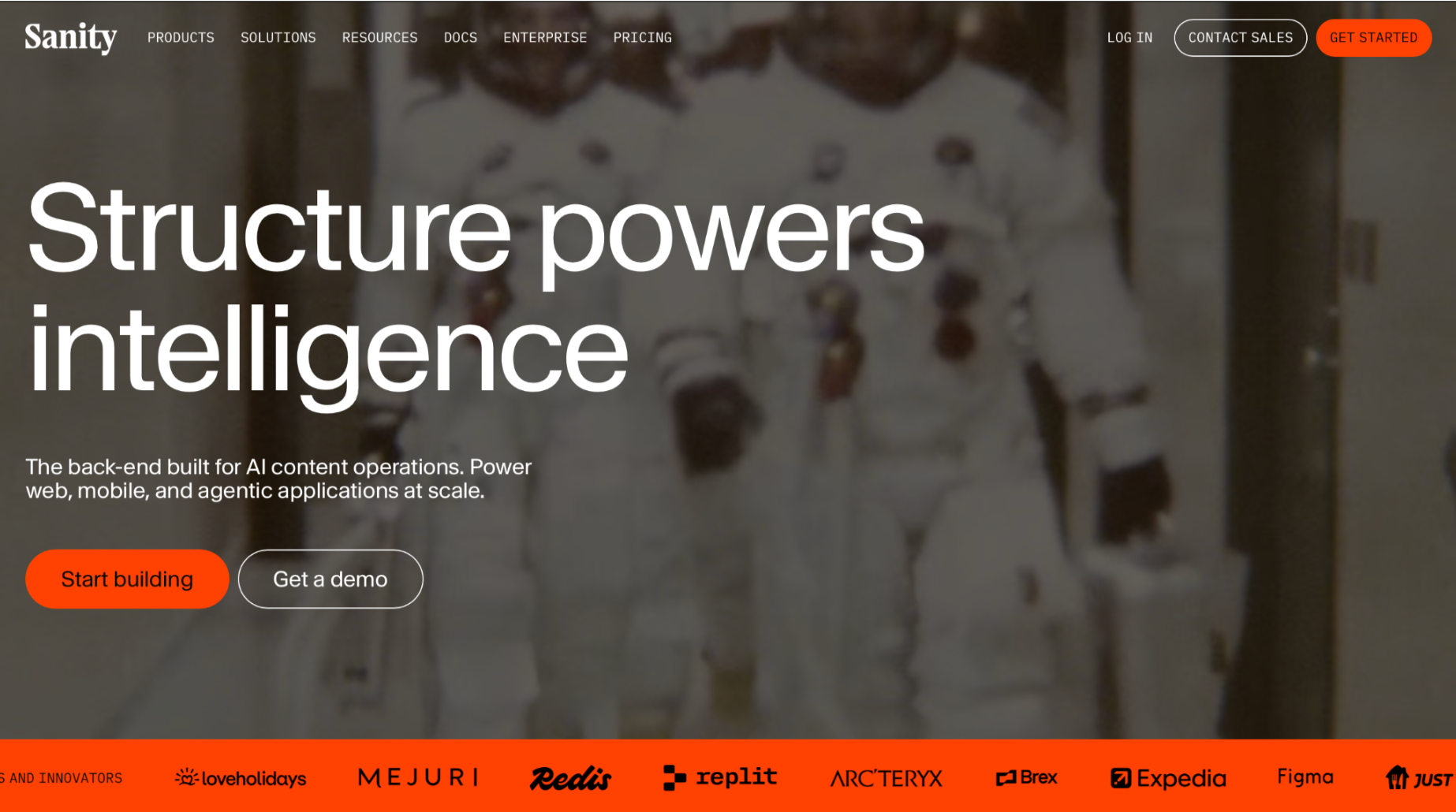
Sanity is widely considered one of the best headless CMS platforms for modern frameworks, especially Next.js. Its biggest strength lies in its flexible schema system and real-time collaboration features, which make it feel more like a live content database than a traditional CMS.
For Next.js and Astro projects, Sanity integrates extremely well thanks to its support for real-time updates, preview mode, and API-driven content delivery. Developers can define exactly how content is structured, which is critical when building dynamic applications.
According to industry comparisons, Sanity stands out for its custom schema builder and strong API capabilities, making it ideal for projects with complex data needs.
Reviews
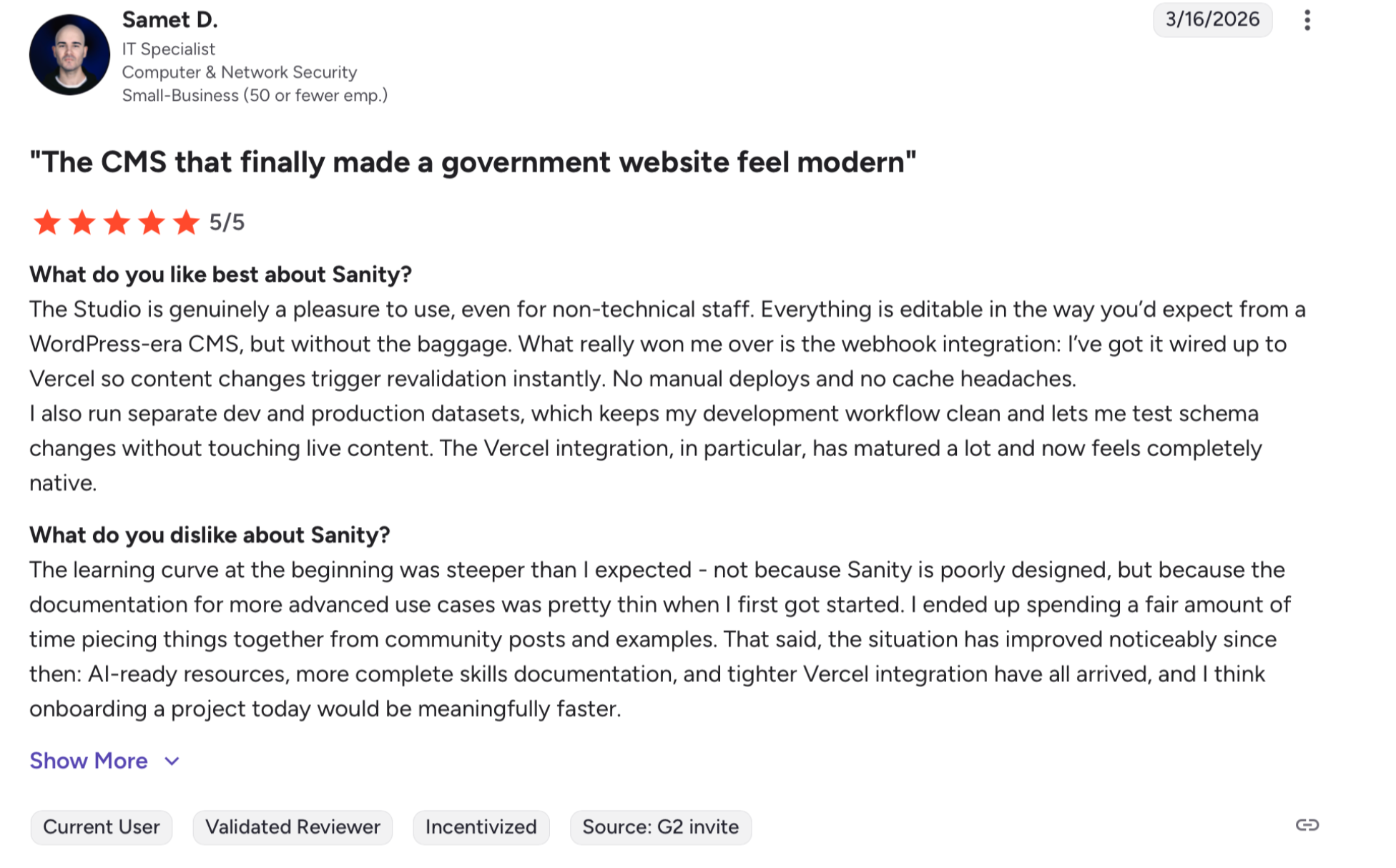
Developers consistently recommend Sanity for flexibility. One common sentiment is that it allows you to “model anything,” which is a huge advantage for custom builds.
Final Take
Sanity is best for teams that want maximum flexibility, real-time collaboration, and strong integration with modern frameworks.
4. Strapi
Founder
Strapi was created by Pierre Burgy, with a strong focus on open-source flexibility and developer freedom.
Overview & Review
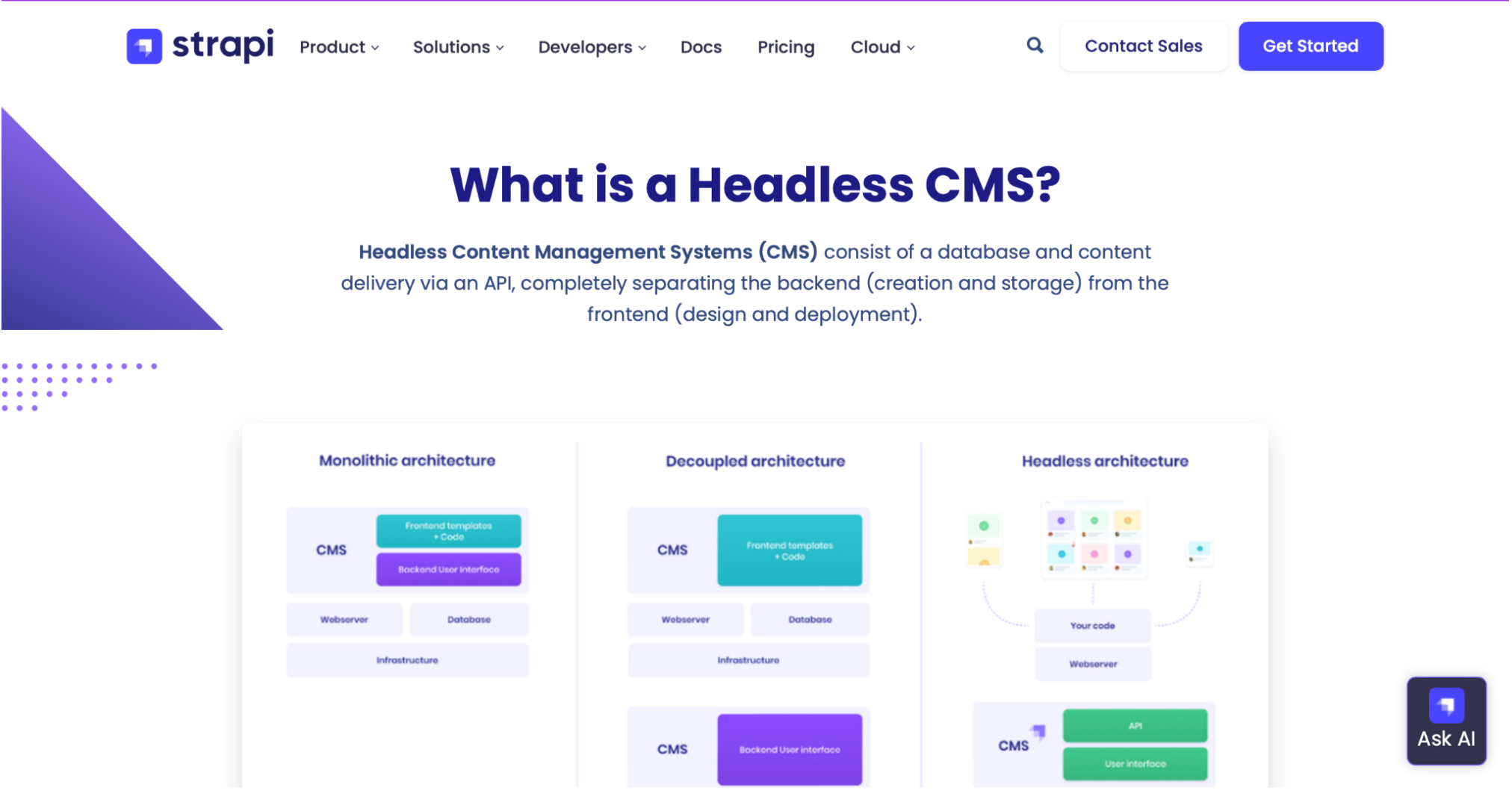
Strapi stands out as one of the most popular open-source alternatives to Umbraco. While Umbraco also offers flexibility, Strapi gives developers complete control over the backend, including hosting, customization, and data management.
This makes it particularly attractive for startups and tech teams that want to avoid vendor lock-in. You’re not tied to a SaaS platform—you own your infrastructure.
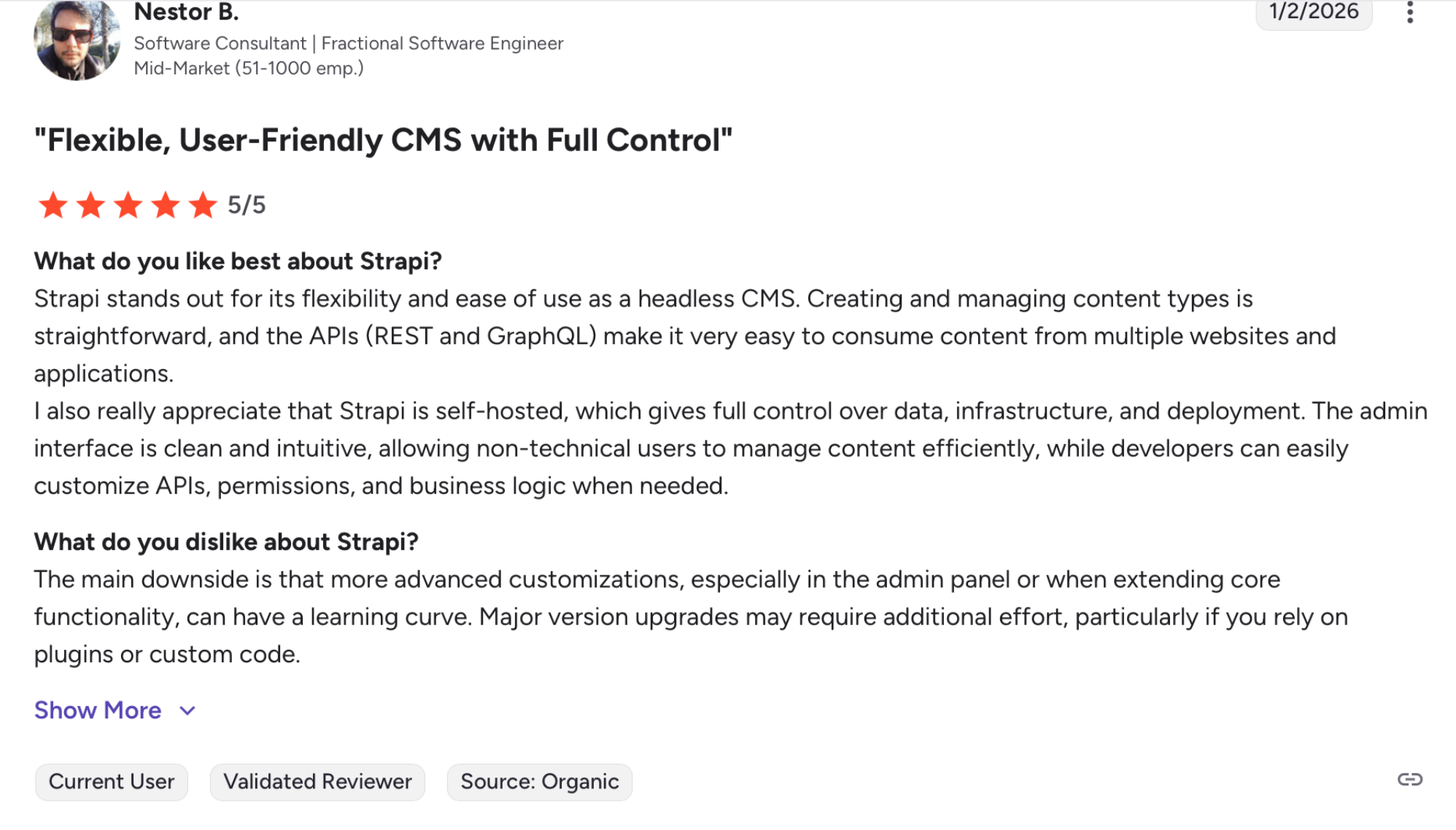
However, this freedom comes with responsibility. Unlike managed platforms like Contentful or Sanity, you are responsible for maintaining and scaling your Strapi setup. For smaller teams without DevOps resources, this can become a challenge.
Reddit Insight
A common theme in Reddit discussions is that “Strapi gives you total control, but you also have to manage everything yourself.” This trade-off is important to consider.
Final Take
Strapi is best for teams that want open-source flexibility and full backend ownership, especially startups and developer-heavy teams.
5. Hygraph (formerly GraphCMS)
Founders
Hygraph was developed by the GraphCMS team, focusing on API-first and GraphQL-native content management.
Overview & Review
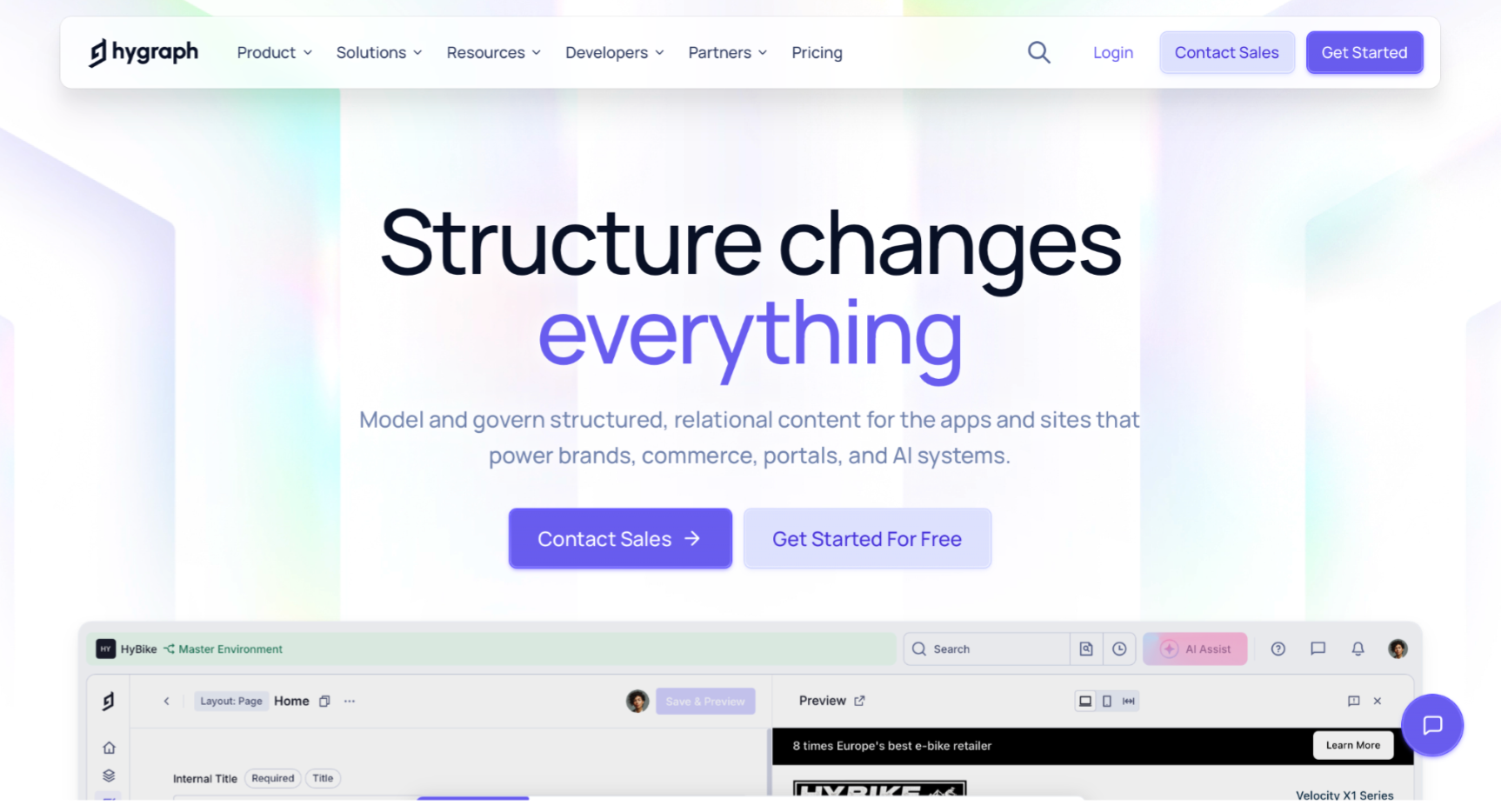
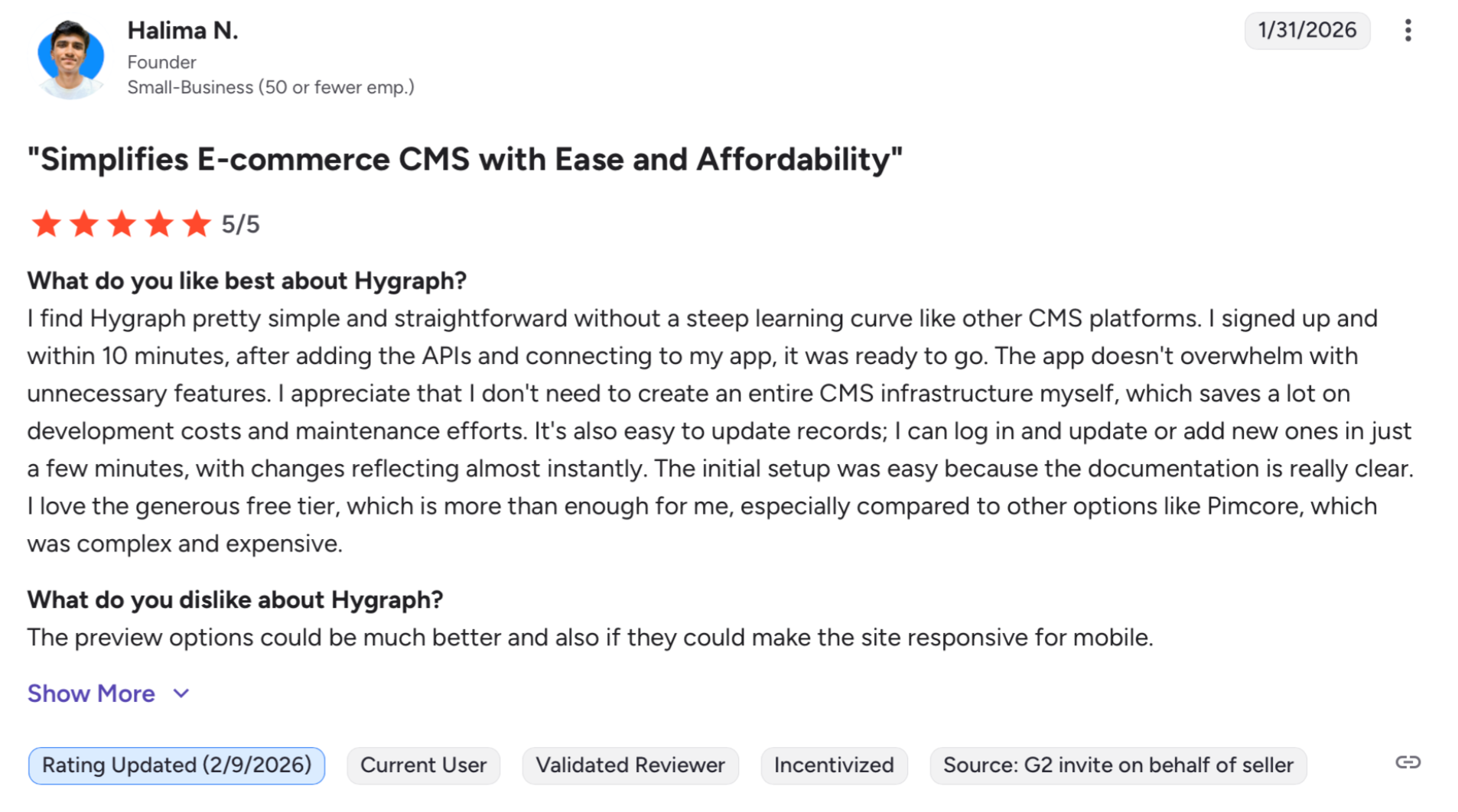
Hygraph stands out as a fully GraphQL-native headless CMS, meaning it is built entirely around GraphQL rather than supporting it as an add-on. This gives it a significant advantage for modern frontend frameworks like Next.js, React, and Svelte, where efficient data fetching is critical.
Unlike Strapi, which offers both REST and GraphQL, Hygraph’s GraphQL-first approach results in cleaner queries, better performance, and more predictable data structures. This is especially useful in large-scale applications where managing multiple API endpoints becomes complex.
Another major strength is its content federation capability, allowing teams to pull data from multiple sources (CMS, APIs, databases) into a single GraphQL layer. This makes Hygraph ideal for composable architectures and enterprise-level builds.
It also provides strong role-based permissions, localization features, and scalable content modeling, making it suitable for global applications.
Reviews
Developers often highlight Hygraph’s performance and clean API structure. A common sentiment is that it “feels natural if you're already working with GraphQL,” especially compared to hybrid CMS platforms.
Final Take
Hygraph is best for teams building GraphQL-first applications, especially where performance, scalability, and structured API queries are top priorities.
6. Kontent.ai
Founder
Kontent.ai is developed by Kentico Software, a company with over a decade of experience in enterprise CMS solutions and digital experience platforms.
Overview & Review
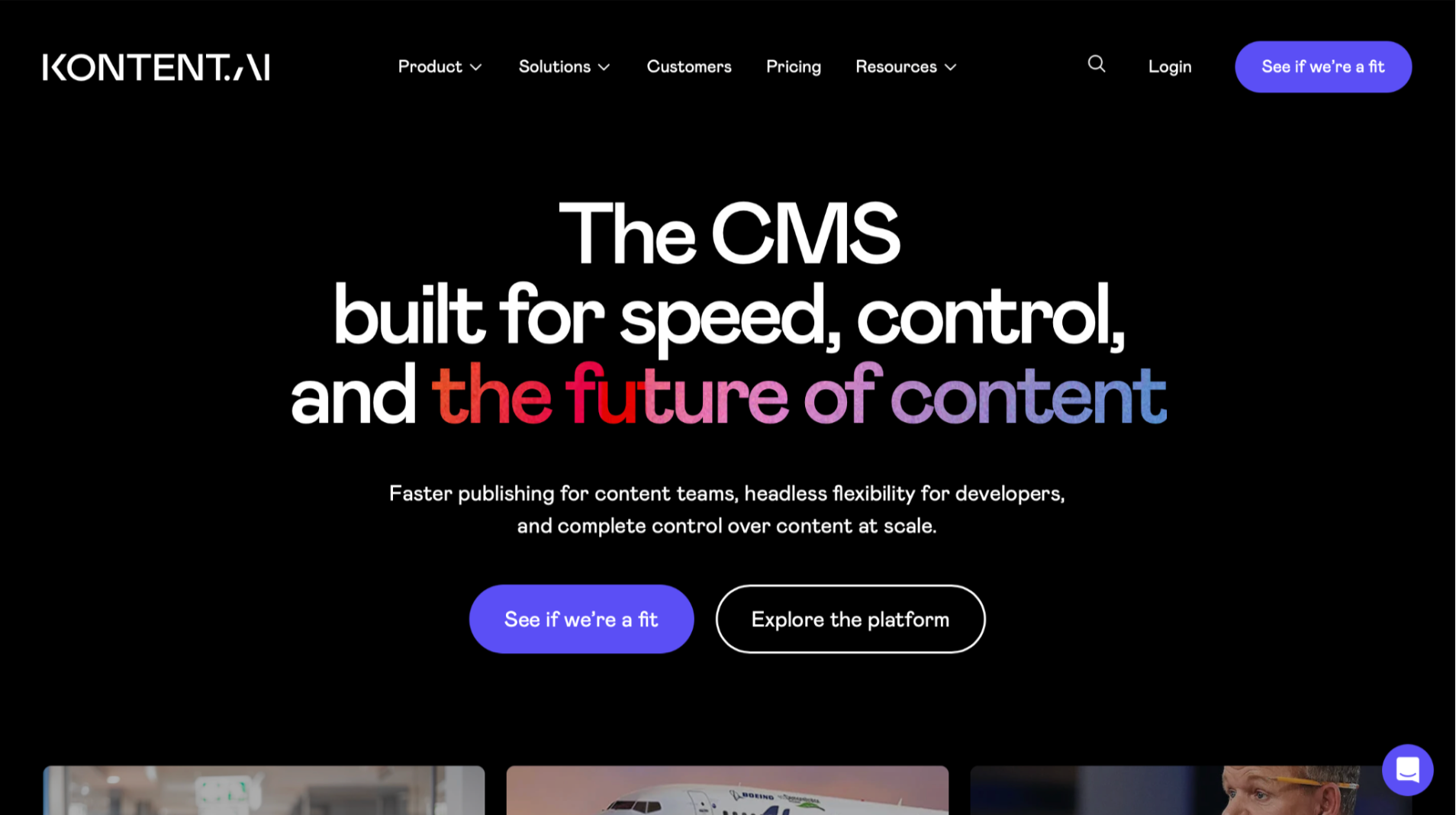
Kontent.ai is not just a headless CMS—it’s a content operations and governance platform designed for large-scale organizations operating in regulated environments like healthcare, finance, and insurance.
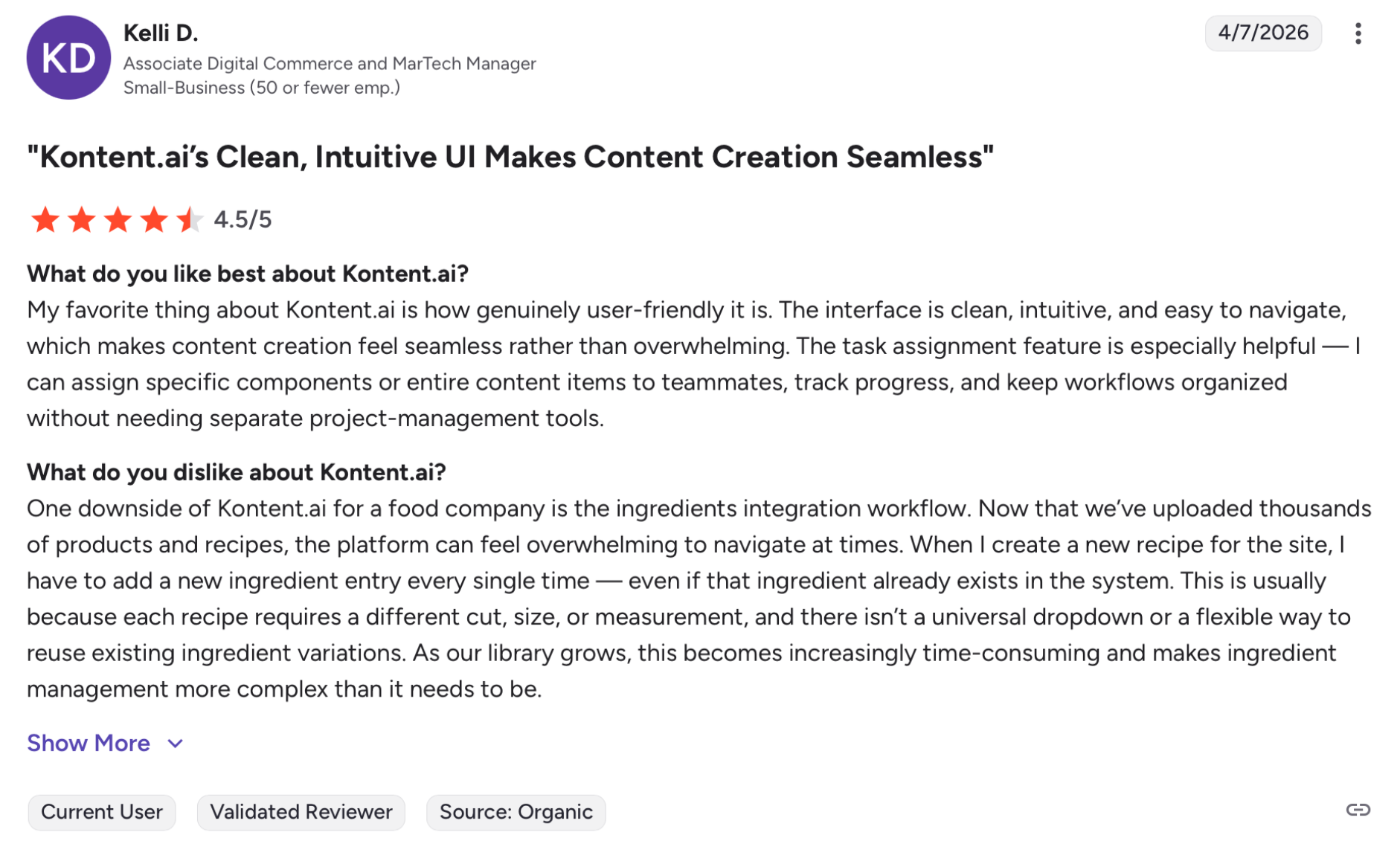
What sets it apart is its structured content modeling combined with enterprise-grade governance. Every piece of content is treated as a controlled asset, with clearly defined workflows, versioning, and approval systems. This becomes critical in healthcare environments where content accuracy, audit trails, and accountability are non-negotiable.
Unlike developer-first platforms such as Directus or Payload, Kontent.ai abstracts away infrastructure and backend complexity. Instead of giving you full control over the database or codebase, it gives you a controlled, secure environment where risks are minimized by design.
From a technical standpoint:
-
APIs (REST + GraphQL) are robust and production-ready
-
Content delivery is optimized via CDN
-
Role-based permissions are extremely granular
-
Audit logs and compliance tooling are built-in
However, this also introduces limitations. Developers don’t get deep backend customization or database-level control. You’re working within a well-defined ecosystem rather than building your own architecture.
Where It Excels (Real-World Use Cases)
-
Patient portals with strict content workflows
-
Healthcare marketing sites requiring compliance approval layers
-
Multi-region content distribution with governance controls
-
Enterprise organizations with legal/compliance teams involved in publishing
Trade-offs
-
Limited backend flexibility compared to open-source CMS
-
Higher cost due to enterprise SaaS positioning
-
Less suited for highly custom application logic
Final Take
Kontent.ai is best for organizations that value compliance, governance, and operational reliability over raw flexibility. It’s not the most customizable CMS—but it’s one of the safest choices for regulated industries.
Quick Comparison
| Platform | Best For | Biggest Strength |
|---|---|---|
| Contentful | Enterprise composable systems | Omnichannel scalability |
| Storyblok | Marketing + dev teams | Visual editing |
| Sanity | Modern content workflows | Schema flexibility |
| Strapi | Open-source projects | Backend control |
| Hygraph | GraphQL-first apps | Clean GraphQL APIs |
| Kontent.ai | Regulated enterprises | Governance & compliance |
Final Verdict
Contentstack is a powerful enterprise CMS—but it’s not always the best fit.
If you’re switching, the right alternative depends on your priorities:
-
Want enterprise + flexibility → Contentful
-
Want best editor experience → Storyblok
-
Want modern developer workflow → Sanity
-
Want open-source control → Strapi
-
Want GraphQL-first → Hygraph
-
Want enterprise usability → Kontent.ai
Struggling to choose the right Headless CMS & Headless Commerce tech stack? We’ll help you pick the best solution for your business! Exclusive Offer: 20 Hours of Free Development & Consultation
Book a MeetingFrequently Asked Questions
Top alternatives include Contentful, Storyblok, Sanity, Strapi, Hygraph, and Kontent.ai. Each offers different strengths, from enterprise scalability to open-source flexibility.
Companies often move away due to high pricing, complex onboarding, limited flexibility, and concerns about vendor lock-in in enterprise SaaS environments.
Contentful and Kontent.ai are strong enterprise choices due to their scalability, governance features, and reliability, while Storyblok offers a balance between developer flexibility and content editing experience.